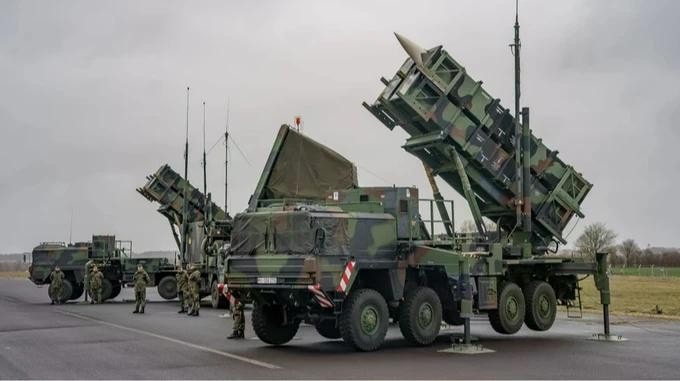
Technical analysis of radar malfunction causing Patriot interception failure.
Professor Theodore Postol pointed out serious flaws in the Patriot's target discrimination capabilities, making the system vulnerable to decoys and propulsion debris.
The US-made Patriot air defense system is facing doubts about its actual performance, as its interception success rate is reportedly much lower than officially reported. According to Professor Theodore Postol, radar system malfunctions and poor target discrimination capabilities are the main reasons for recent combat failures.
Target identification error between the booster stage and the warhead.
The first technical problem pointed out by Professor Theodore Postol lies in the target separation capability of the radar stations in the Patriot system. According to him, the system frequently struggles to distinguish between the actual target to be destroyed and auxiliary components.
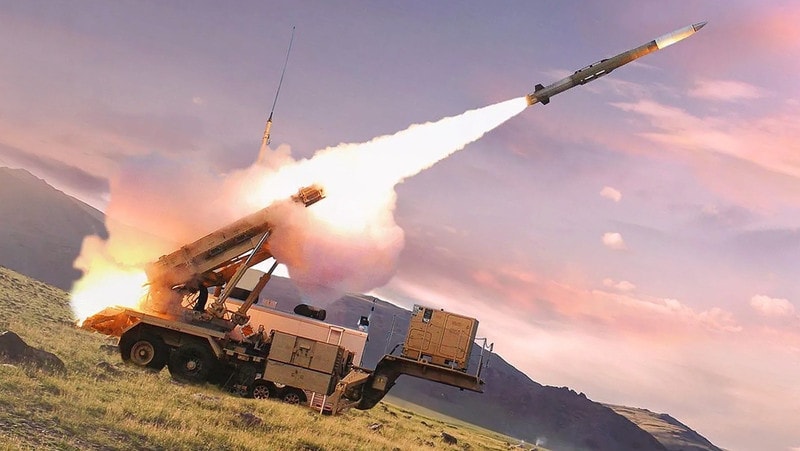
Specifically, during flight, attacking missiles often separate their booster stages to reduce weight and increase the warhead's speed. However, the Patriot radar system mistakenly identifies this booster stage as the warhead containing explosives. This leads to the interceptor missile targeting the wrong target, creating deadly gaps in the defense network.
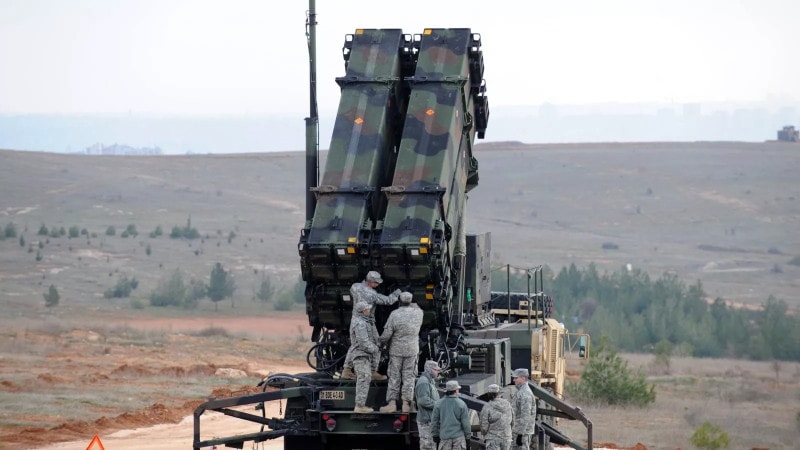
The phenomenon of fictitious kill confirmations appearing in system logs.
Another concerning aspect is the discrepancy between computer data and the reality on the ground. In many cases, although the interceptor missile struck the target, it was not a military success.
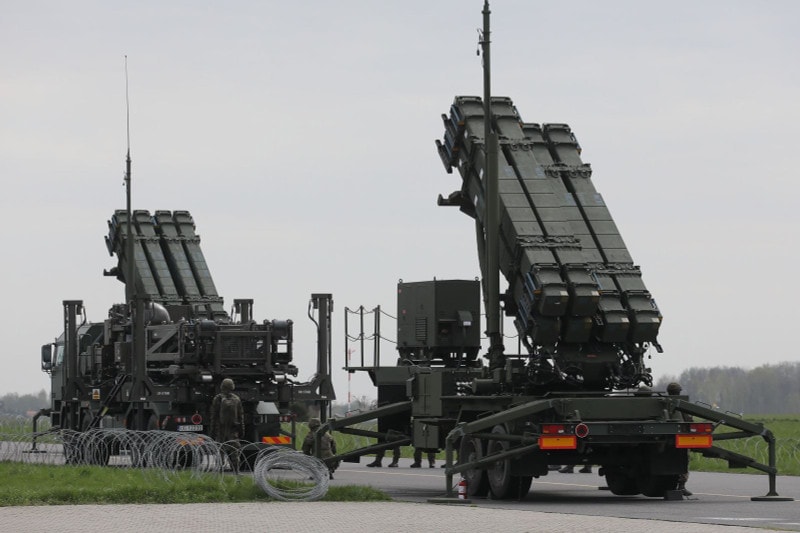
Mr. Postol explained that when the Patriot missile hits the "hollow" part (the propulsion stage), the radar registers a collision and the computer automatically reports that the target has been destroyed. However, because the actual warhead remains intact, it will continue to fall due to inertia and explode upon impact, causing damage to infrastructure below despite the "successful interception" report.
Challenges from modern decoys and jamming technology.
Besides the fragmentation detection error, the Patriot system also revealed weaknesses against new-generation missiles equipped with decoys. Countries like Iran have developed technology to launch multiple lightweight decoy objects coated with a special metal to create radar reflections similar to those of a real warhead.
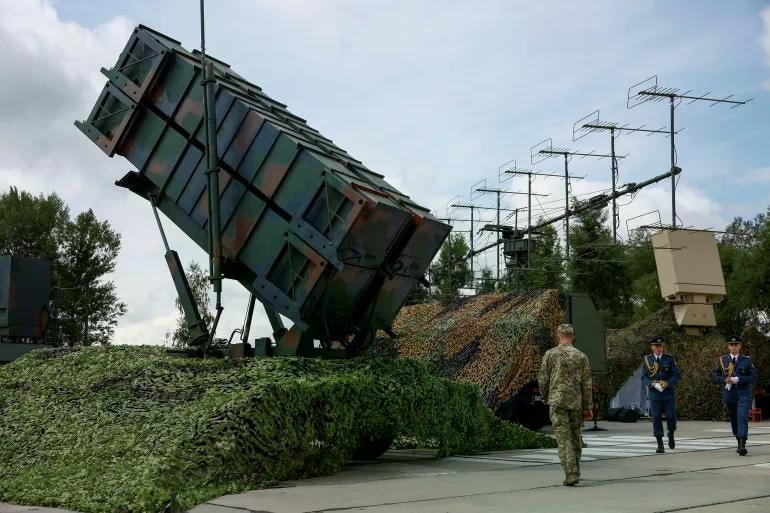
When faced with a barrage of missiles, the number of targets appearing on radar screens can increase many times over due to decoys. This overloads the processing system and causes Patriot missiles to be wasted on false targets, while real warheads penetrate the air defense network.
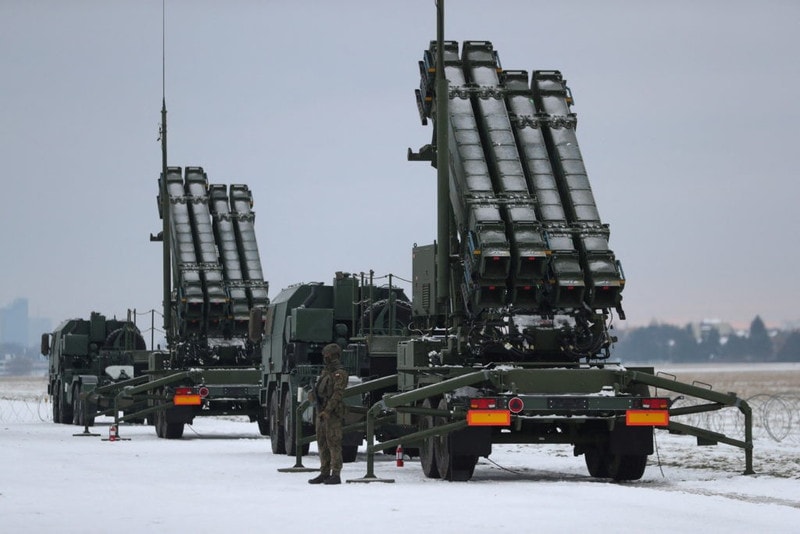
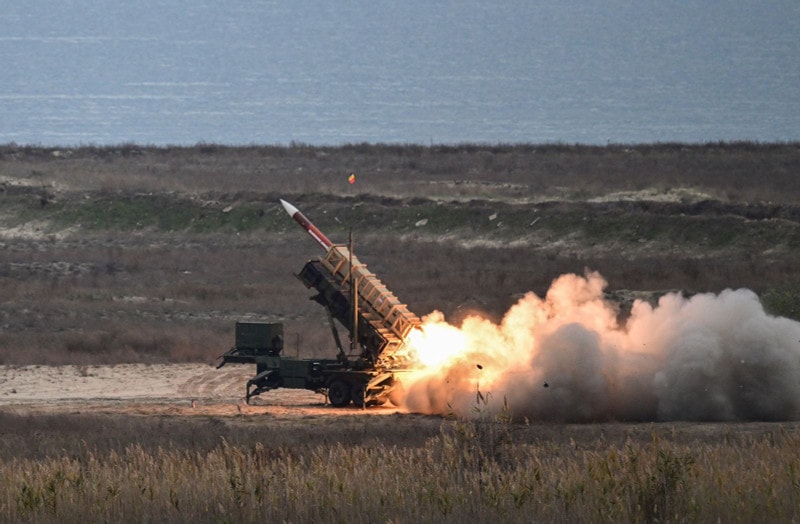
Assessment of root causes and operational realities
Real-world data from conflicts in Ukraine and the Middle East have documented numerous instances of Patriot missiles inexplicably missing their targets. While U.S. military officials often attribute this to inadequately trained crews, Professor Postol's analysis suggests the problem lies in the technology itself.
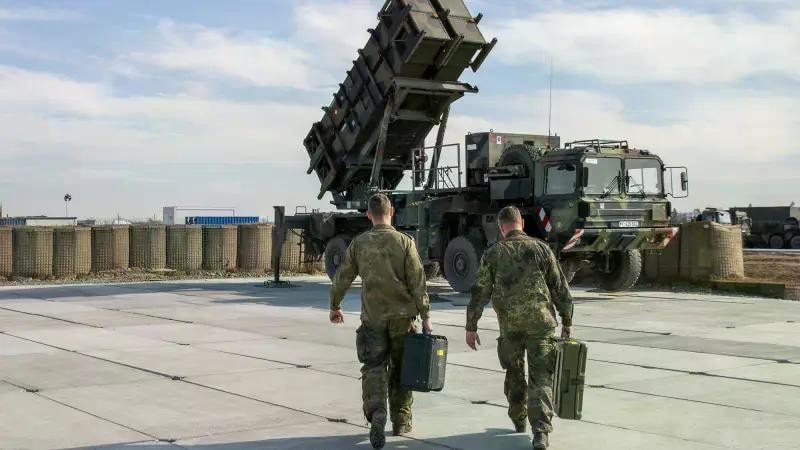
Overall, the situation may be more serious than what the public is aware of. If technical flaws in radar and target discrimination are not thoroughly rectified, the effectiveness of the Patriot system against modern ballistic and cruise missiles will continue to be a major question mark for the countries operating this system.