Technical analysis and combat capabilities of the Oreshnik hypersonic ballistic missile.
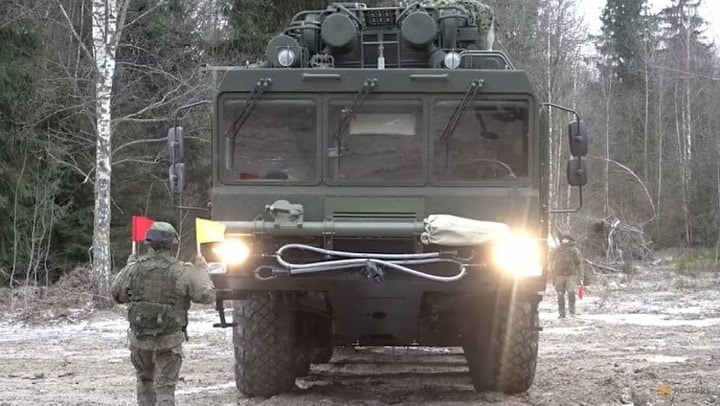
Oreshnik is Russia's newest medium-range ballistic missile system, boasting a speed of Mach 11 and MIRV technology, capable of penetrating modern missile defense systems.
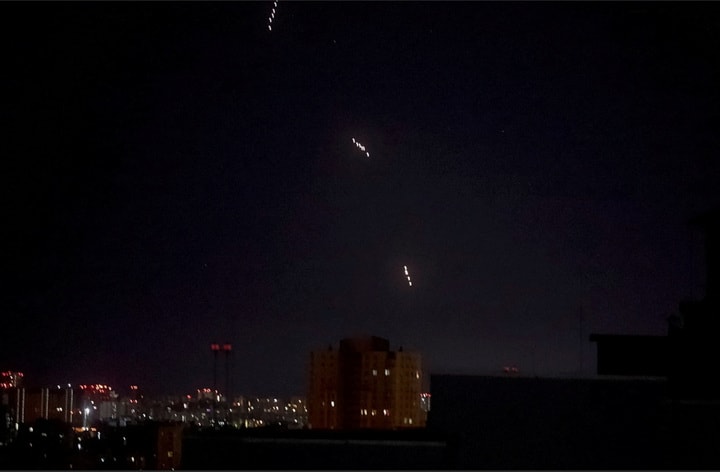
On May 24, 2026, Russia deployed the Oreshnik hypersonic missile in a large-scale airstrike against Kyiv. This marks the third appearance of this weapon on the battlefield since 2024, signifying a new step forward in the use of experimental weapons with a range and destructive power far superior to traditional missile systems.
Technical characteristics and strategic range
Oreshnik (meaning "hazelnut tree") is an intermediate-range ballistic missile (IRBM) system with a range of 3,000 km to 5,500 km. With this range, the missile is capable of covering the entire European region. Technically, military experts from CNA believe Oreshnik may be a variant developed from the RS-26 Rubezh intercontinental ballistic missile.
The most remarkable feature of the Oreshnik is its extremely high speed. According to Ukrainian military officials, the missile reaches a speed of Mach 11 (equivalent to 13,580 km/h). At this speed, the Oreshnik would only take about 11 minutes to reach its targets in Poland and 17 minutes to reach NATO headquarters in Brussels from launch.
Multiple Reconnaissance Ordnance Disposal (MIRV) technology and its destructive power.
The Oreshnik's strength lies in its multiple independently targetable reentry vehicle (MIRV) system. Specifically, the missile carries six main warheads, each containing six submunitions. This design allows a single launch to deliver up to 36 separate strikes to the target area, optimizing its ability to destroy fortified structures or large areas.
Furthermore, the temperature at the epicenter of the Oreshnik explosion is described as extremely high, capable of turning material structures into fine dust. The missile is designed to destroy bunkers located three to four stories underground. Notably, this system is fully capable of carrying a nuclear warhead, although in actual attacks, Russia has only used conventional or test warheads.
Interception capabilities and comparison with Kinzhal
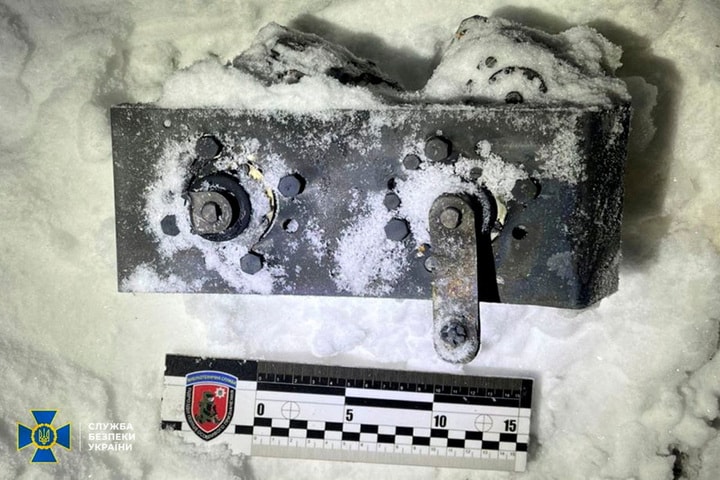
Compared to the Kinzhal hypersonic missile (launched from aircraft), the Oreshnik is considered more difficult to intercept due to its trajectory and terminal speed. However, experts from the Polish Institute of International Affairs (PISM) point out that, unlike true hypersonic weapons, the Oreshnik warhead does not perform agile maneuvers upon re-entry into the atmosphere, which theoretically leaves opportunities for even the most advanced future missile defense systems.

Strategic impact on the battlefield
The deployment of Oreshnik is not only of purely military significance but also a considerable tool for psychological pressure. Its ability to reach strategic bases across Europe allows Moscow to send a message about its long-range strike capabilities without resorting to its official nuclear arsenal.
During the May 24th attack in the Kyiv region, the Oreshnik, along with other UAVs and missiles, inflicted significant damage on numerous civilian and military infrastructures, including shopping centers and schools. The more frequent appearance of this weapon suggests that the testing phase may have ended, moving into the official combat operation phase.