
Analyzing Japan's nuclear potential from its 44.4-ton plutonium stockpile.
Based on existing civilian material reserves and technological infrastructure, theoretical reports suggest Tokyo could produce thousands of nuclear warheads if it changed its policies.
Recent claims that Japan possesses enough material to produce up to 5,500 nuclear warheads have drawn the attention of international military observers. This figure is based on theoretical calculations from the approximately 44.4 tons of plutonium that Tokyo currently holds. If realized, the size of this arsenal could be equivalent to or surpass that of current leading nuclear powers.
Technical infrastructure and reserves of fissile material
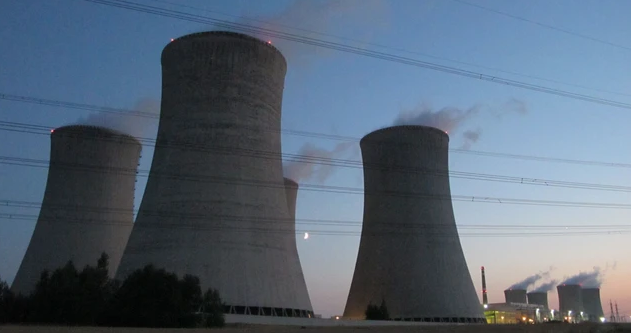
In fact, Japan possesses large quantities of plutonium primarily through its decades-long civilian nuclear power program. A portion of this material is stored domestically, while the remainder is at reprocessing facilities in Europe. Technically, civilian plutonium could be converted for nuclear weapons production, but this is a complex process.
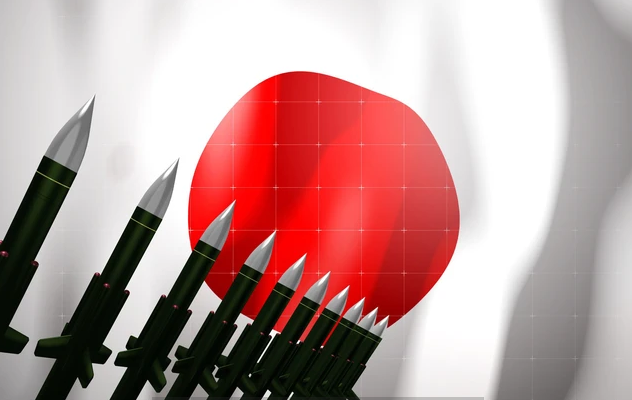
Building a complete nuclear arsenal requires more than just fissile material. It includes miniaturized warhead design, a precise detonation system, and, most importantly, a delivery vehicle such as an intercontinental ballistic missile (ICBM) or cruise missile. Even with Japan's advanced aerospace technology, the conversion to military use still requires time and extensive field testing.
Legal and policy barriers to the "Three Non-Nuclear Principles"
Since World War II, Japan has maintained a strict defense stance based on the "Three Non-Nuclear Principles": no possession, no production, and no deployment of nuclear weapons on its territory. This is the biggest legal and political obstacle to any intention of nuclearization.
However, the changing regional security landscape, with the increasing military capabilities of neighboring countries, has fueled internal debates. Some Japanese politicians have mentioned reviewing these restrictions to enhance deterrence.
Defense industry capabilities and strategic implications
Japan's real strength lies in its robust defense industry, with major corporations like Mitsubishi and Kawasaki involved. Tokyo is currently pushing to develop long-range strike capabilities and increase military spending, indicating a shift in its traditional security strategy.
Despite its considerable technological potential, Japan remains under the "nuclear umbrella" of the United States. Crossing the "red line" to develop its own nuclear weapons would not only provoke strong reactions from the international community but also directly impact the US-Japan alliance and stability in Northeast Asia. The historical memory of Hiroshima and Nagasaki remains a significant factor in maintaining strong domestic opposition to atomic weapons.


