
Analysis of the MiG-31 destroyed by Ukrainian UAV in Crimea.
According to the Ukrainian Security Service, a suicide drone attacked Belbek airfield in Crimea on December 18, destroying a MiG-31 interceptor fighter fully loaded with ammunition and components of modern air defense systems.
Ukrainian drones reportedly attacked the Belbek airfield on the Crimean Peninsula, destroying a MiG-31 long-range interceptor fighter carrying a full load of ammunition and components of modern air defense systems. According to Ukraine, this strike significantly weakened Russia's air defense shield and its ability to control airspace in the region.
Context and forces involved in the operation
The Ukrainian Security Service (SBU) reported that the attack on Belbek airport was carried out by forces from the Alpha Special Operations Center on December 18. This is the special forces unit identified by the Ukrainian side in official information.
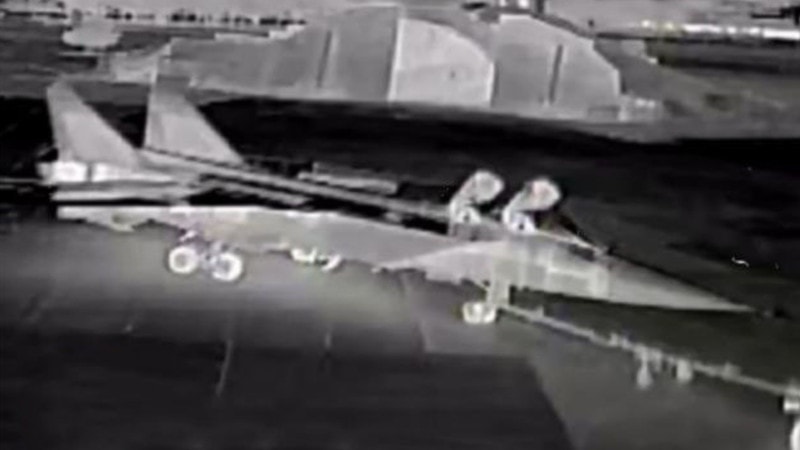
According to images recorded by local residents and posted on social media, explosions could be observed in the airport area, along with evidence of the Russian military's efforts to shoot down Ukrainian suicide drones.
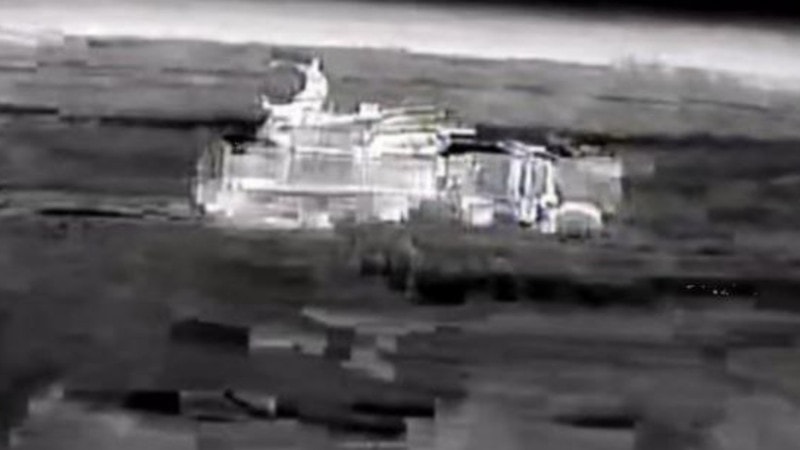
The targets were destroyed, according to reports from Ukraine.
According to the SBU, the attack targeted not only the runway or general infrastructure but also directly struck several key assets. Notably, it destroyed two Nebo-SVU ultra-long-range surveillance radar systems, the 92N6 radar station of the S-400 Triumf air defense system, and a Pantsir-S2 anti-aircraft missile and artillery system.
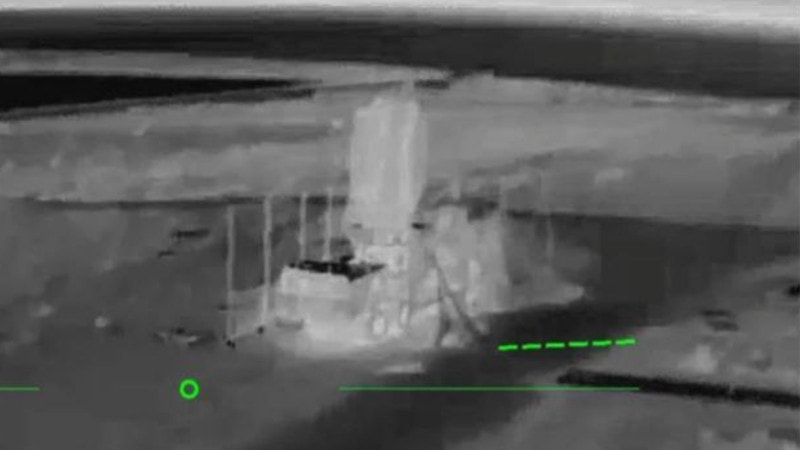
According to the report, the Nebo-SVU and 92N6 radars, along with the Pantsir-S2 system, are components of a multi-layered air defense network, combining surveillance radars, fire control radars, and air defense fire support systems. The destruction or damage of these systems, if as Ukraine claims, directly impacts the ability to detect, track, and intercept airborne targets around the Belbek area.
In addition, the most important target in the attack was a MiG-31 long-range interceptor fighter parked at the airfield, believed to be fully loaded with ammunition, which was subsequently destroyed by a suicide drone.
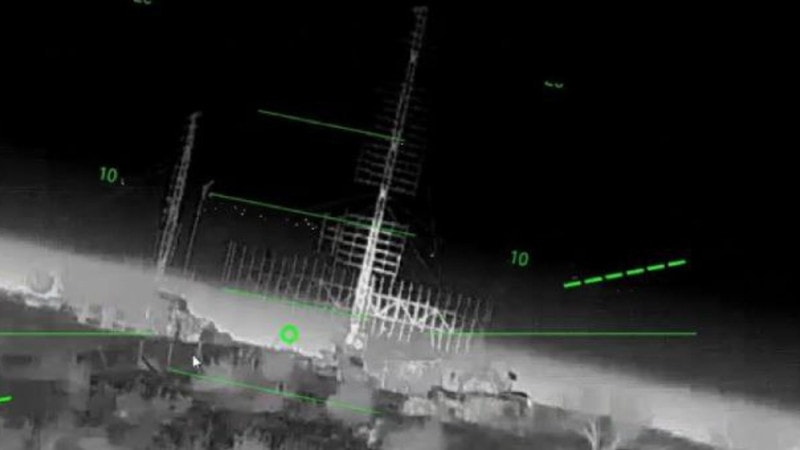
The MiG-31 is described by sources as an interceptor aircraft designed to destroy airborne targets at medium to high altitudes. In an air defense system, such a long-range interceptor, when fully armed, is typically considered a high-value asset.
Military significance of the targets hit.
The targets listed by the Ukrainian side – from ultra-long-range surveillance radars and fire control radars of the S-400 Triumf system, to Pantsir-S2 anti-aircraft missile and artillery systems and MiG-31 interceptor fighters – are all crucial links in a modern air defense network.
In a multi-layered air defense system, long-range surveillance radars play a role in early detection, specialized radars accompanying air defense missile systems are responsible for tracking and target designation, while air defense missile-artillery complexes handle interception at specific ranges. When many components in this chain are removed from combat readiness, the overall system's coordination capabilities may be reduced.
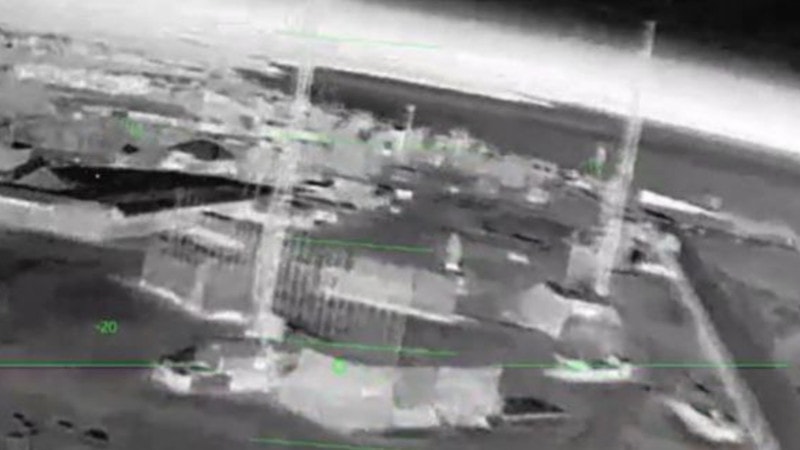
According to assessments published by Ukraine, the destruction and damage of these targets have significantly weakened Russia's air defense shield on the Crimean Peninsula, limiting the ability of Russian forces to control the airspace in the region.
Statement from the Ukrainian side and assessment of the impact.
Representatives of the Ukrainian Security Service emphasized that attacks of this type weaken the military capabilities of the Russian Federation in the Crimean Peninsula region and reduce the likelihood of further military action from Russia.
These statements reflect how Ukraine views the role of suicide drone attacks on the balance of power in Crimea. The actual extent of damage and the long-term impact on the region's air defense posture require further information from multiple independent sources to be fully assessed.
Cheap suicide drones and changes in attack methods.
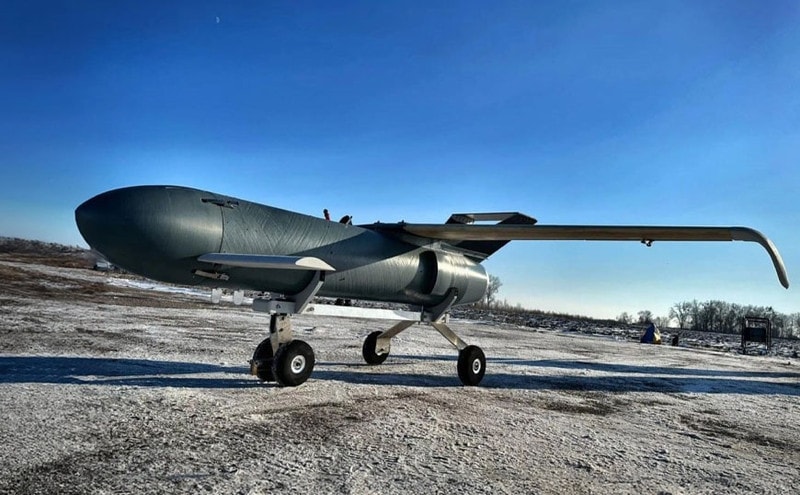
Following the aforementioned event, Ukraine argues that simple and inexpensive suicide drones are contributing to a change in the way attacks are conducted. According to the news report, the use of suicide drones allows for a reduction in reliance on expensive and difficult-to-manufacture ballistic or cruise missiles.
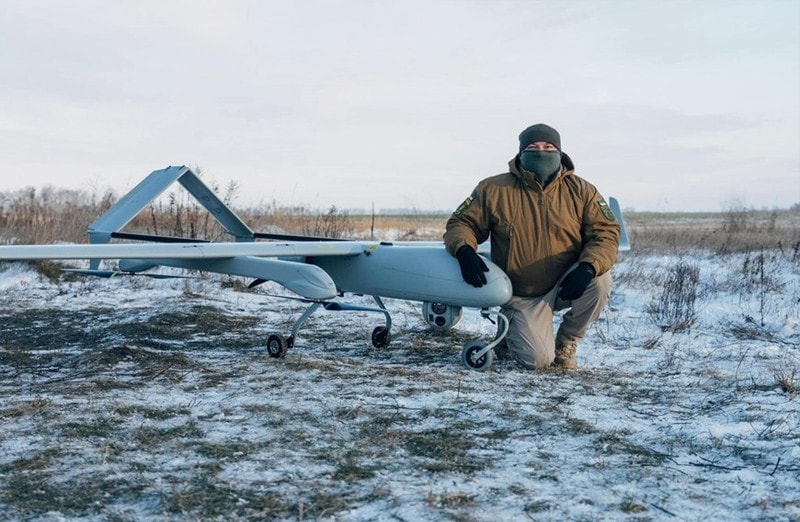
From a technical standpoint, this trend demonstrates the increasing importance of low-cost unmanned aerial vehicles (UAVs) in putting pressure on enemy air defenses. However, specific details regarding the type of UAV used, the number involved, and the control methods used in the Belbek airfield attack are not readily available in the information sources.


