
Analysis of the US Tomahawk missile miss in Nigeria.
At least three Tomahawk missiles failed to detonate or miss their targets during the US attack in Nigeria, leaving behind 310kg WDU-36/B warheads at the scene.
At least three Tomahawk cruise missiles deployed by the US in its campaign against Islamic State (IS) targets in Nigeria have failed to hit their targets. Following the attack on the evening of December 25, local residents in Offa district, Kwara state, discovered missile debris and unexploded warheads scattered throughout the residential area.
Site and technical evidence
Photographs of the attack site were released by conflict researcher Trevor Ball of the investigative journalism group Bellingcat. The data revealed the presence of a 310 kg WDU-36/B high-explosive fragmentation warhead, along with parts of a cruise missile's wing.
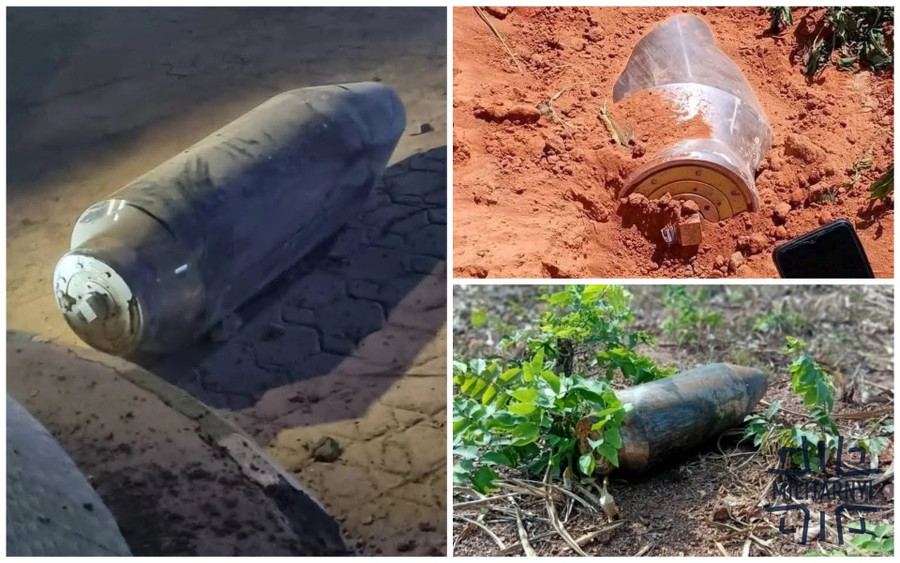
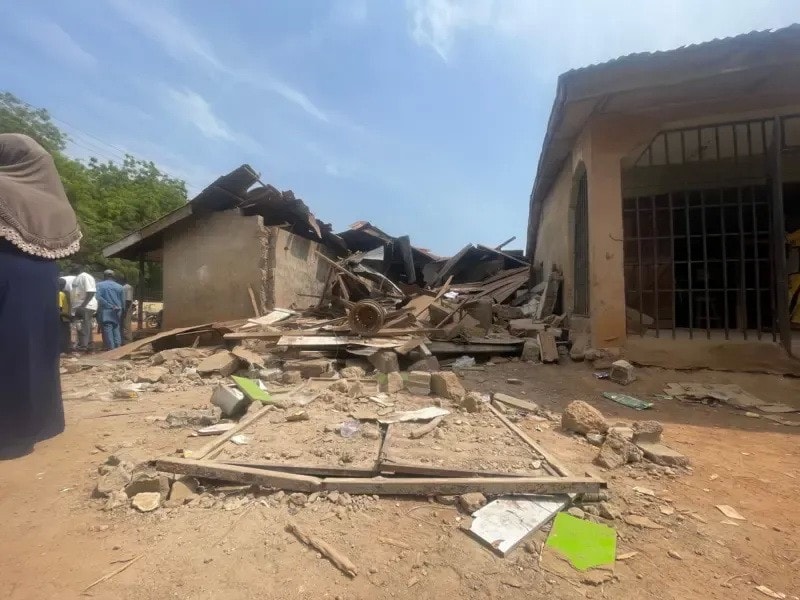
According to preliminary assessments, if the missile deviated from its intended trajectory, the fuse system may have malfunctioned, preventing the warhead from activating upon impact. Tajuddin Alabi, a former special assistant for security to the governor of Kwara state, confirmed that residents heard three loud explosions around 9:00 PM. At least five buildings were damaged or destroyed in various locations, including the Offa Central Hotel.
Context of the military campaign
The attack was carried out on the orders of US President Donald Trump, targeting ISIS positions in Nigeria. The Nigerian Foreign Ministry confirmed that the operation was a coordinated effort between the two countries, focusing on targeted airstrikes in the Northwest region to eliminate terrorist elements.
Earlier, the US had issued stern warnings about protecting the Christian community and instructed the Department of War to prepare military action options. In response, Nigerian President Bola Ahmed Tinubu affirmed that his country remains committed to combating religious intolerance and extremist groups.
Impact and casualties
Although current reports have not yet identified immediate fatalities, the incident has left several people injured and caused significant damage to civilian infrastructure. For more than two decades, Nigeria has been battling the Boko Haram terrorist group. According to United Nations figures, since 2009, terrorism-related violence has killed more than 40,000 people and displaced over 2 million.


