
France 1998: A multi-ethnic epic and the golden age of Les Bleus
Overcoming skepticism and political pressure, the French national team won the 1998 World Cup thanks to their impenetrable defense and the brilliance of Zinedine Zidane, changing the course of the nation's football history.
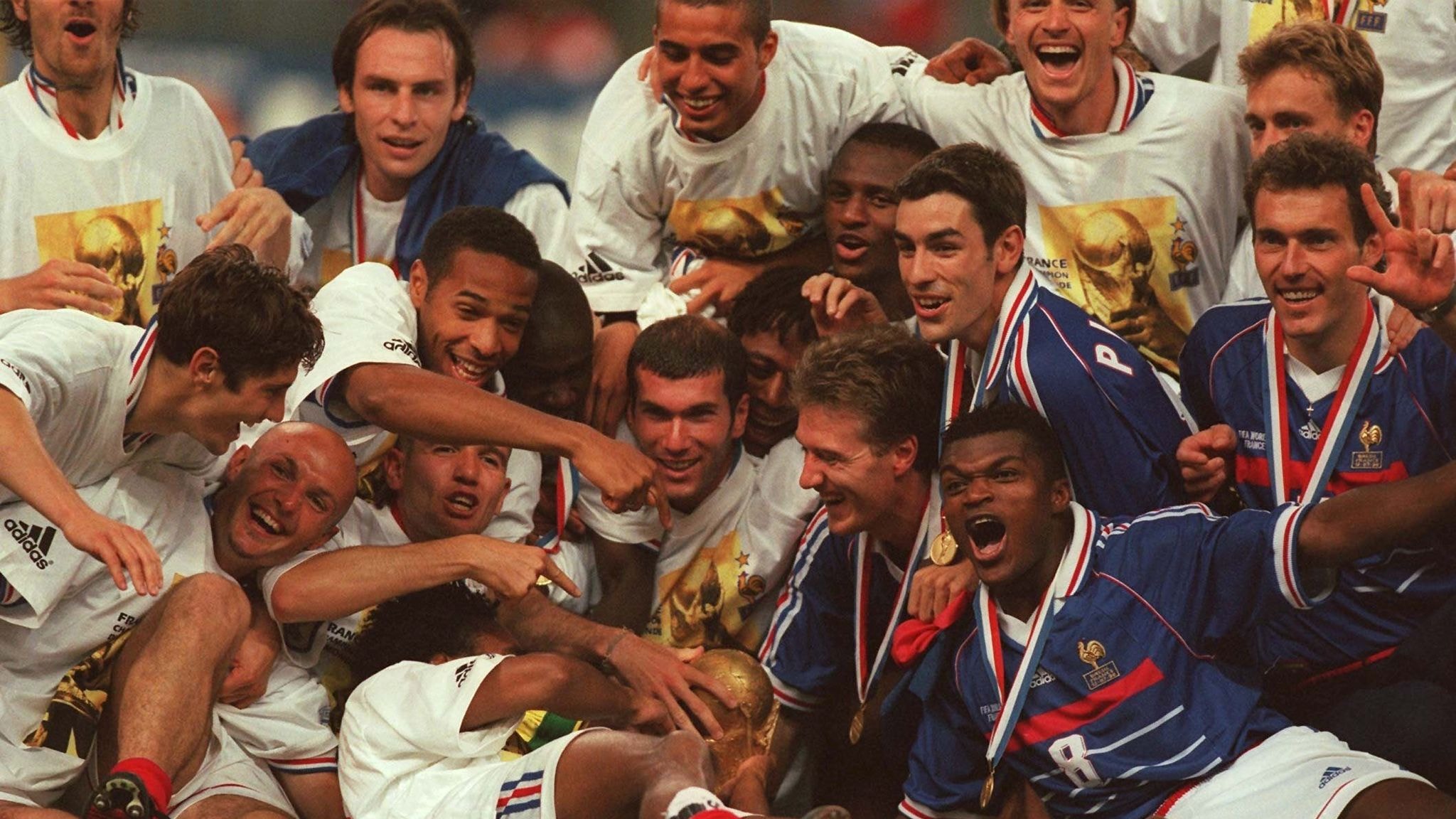
The 1998 World Cup was not just a football tournament, but also a glorious and contradictory chapter in the history of modern France. Until the 2026 World Cup, the 1998 French team remains the most recent host nation to win the world championship. This victory was not just a sporting achievement, but also a powerful response to criticism of a multi-ethnic squad, becoming a symbol of multicultural unity.
Aime Jacquet and the resilience of a solitary man.
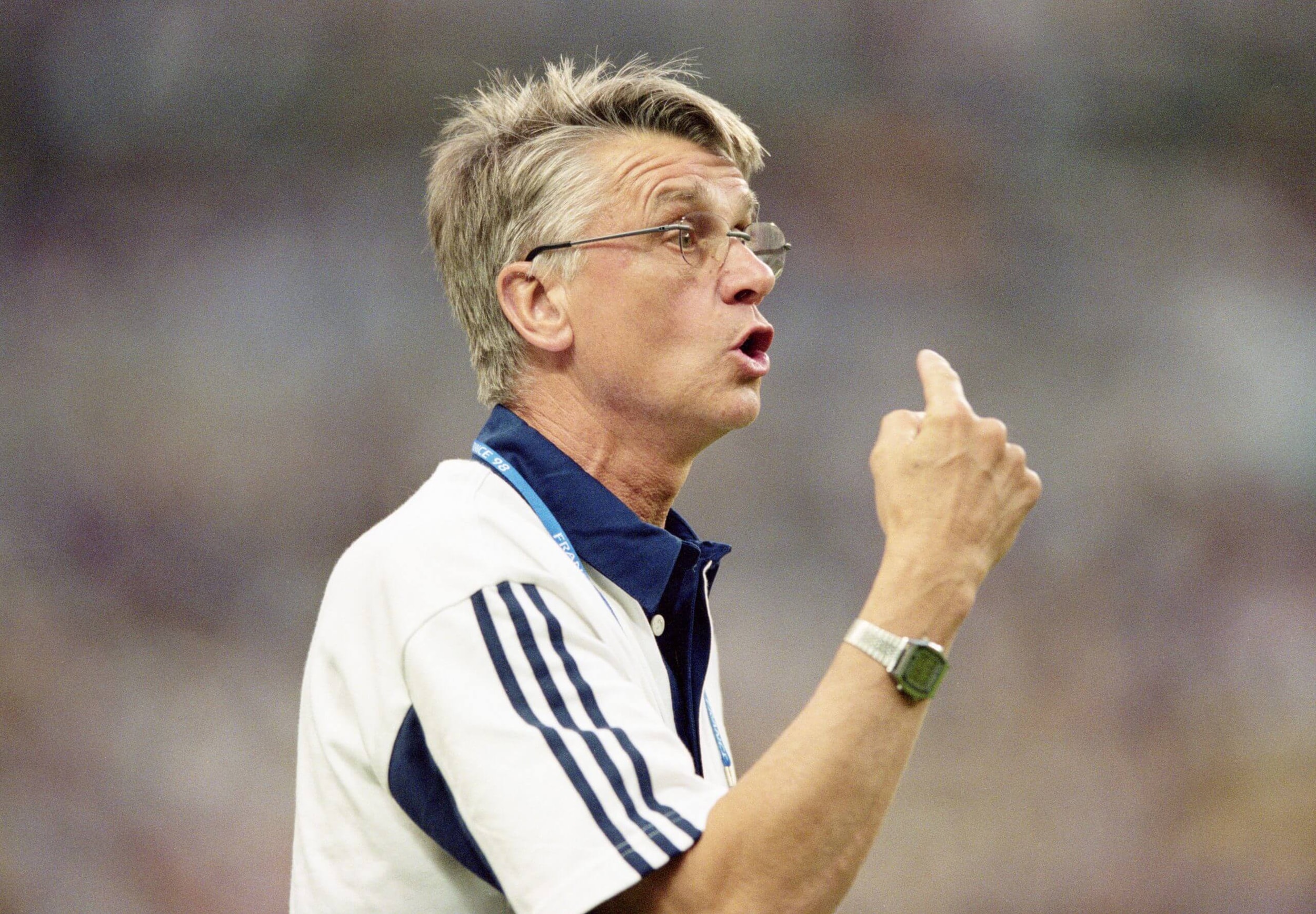
Coach Aime Jacquet took over the national team at a time when French football was in ruins following its failure in the 1994 World Cup qualifiers. Despite leading the team to the semi-finals of EURO 96, he was relentlessly attacked by the domestic media, particularly L'Equipe. They accused him of being conservative, outdated, and lacking a philosophy of attractive football.
In response to the doubts, Jacquet steadfastly built his team on discipline, harmony in the dressing room, and an impenetrable defense. He understood that to win a cup competition, a solid foundation was more important than empty praise. Even at the height of his glory, he did not forget the hurt from the criticism and decided to resign immediately after the final to protect his self-respect.
The journey to win the hearts of fans.
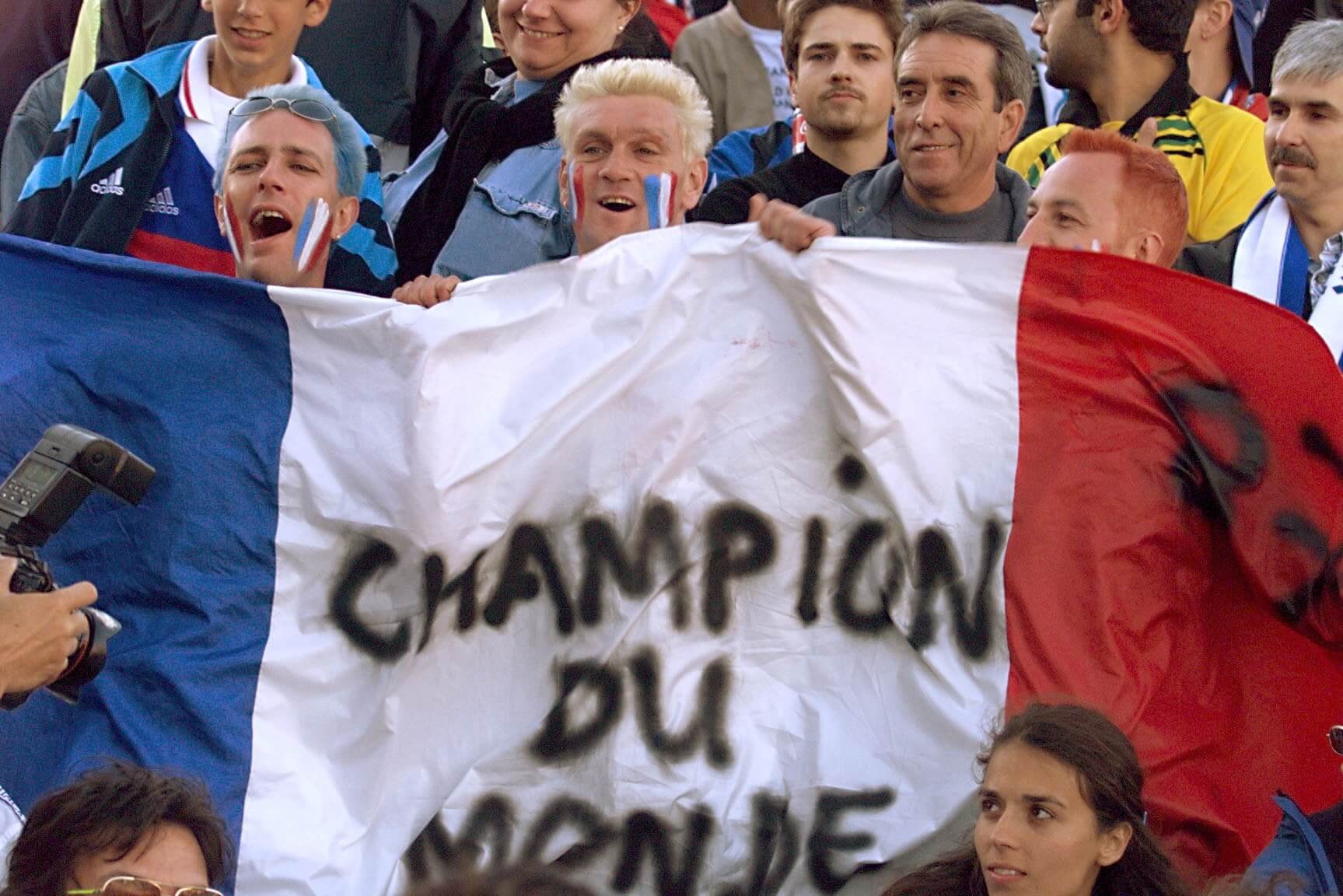
Before 1998, French football experienced a period of fan ostracism. The prolonged disappointment resulted in average attendance in Ligue 1 reaching only 16,000 people. However, as Les Bleus progressed further in the tournament, passion surged. Boulevards like the Champs-Elysees were filled with enthusiastic fans, creating a cultural shock and fueling the rapid development of domestic football in the years that followed.
The pine tree system and the strength of the defenders.
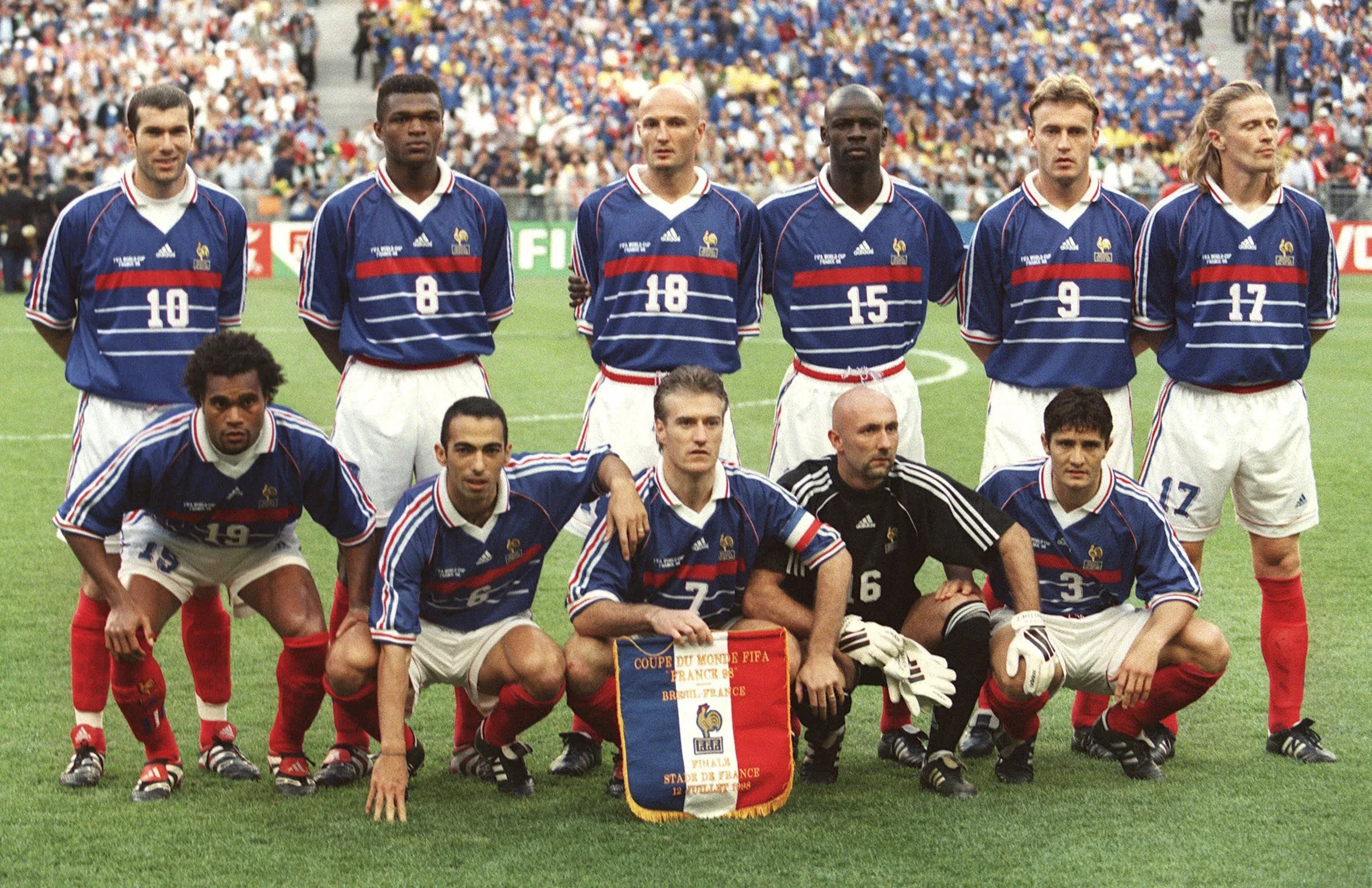
Tactically, France operated a solid 4-3-2-1 formation in the center. Although the forward line, with Stephane Guivarc'h, failed to score a single goal throughout the tournament, this system maximized the creativity of Zinedine Zidane and Youri Djorkaeff. Security was ensured by the central midfield trio of Didier Deschamps, Emmanuel Petit, and Christian Karembeu.
The most striking aspect of this journey has been the goal-scoring performance of the defenders. While the main strikers remained silent, the defense contributed 3 out of 6 goals in the knockout rounds, notably Laurent Blanc's strike and Lilian Thuram's classic brace in the semi-finals.
Zinedine Zidane and a magical night at the Stade de France.
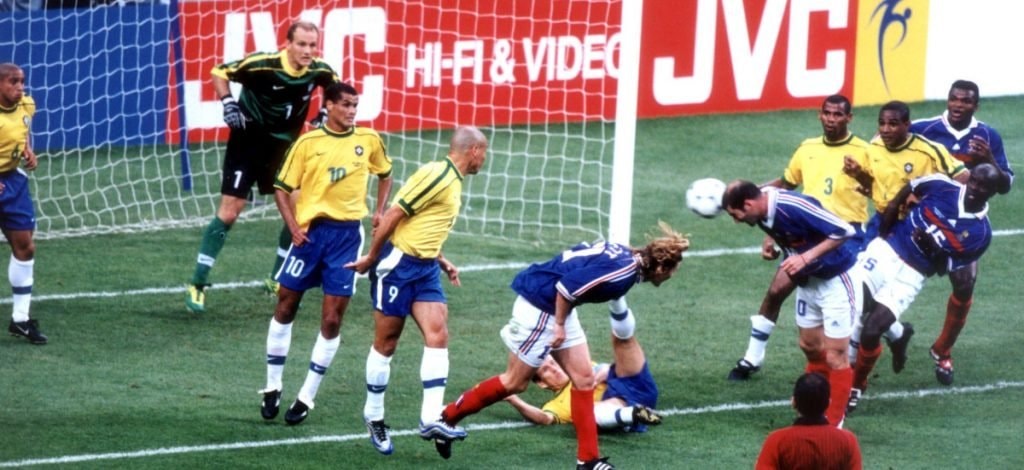
Despite receiving a red card and a two-match suspension in the group stage, Zinedine Zidane chose the most crucial moment to shine. Two headers from corner kicks in the final against Brazil completely shattered the opponent's morale. The 3-0 victory not only made Zidane a national icon but also affirmed the dominance of French football on the world map.
Lilian Thuram's instinctive moment
The semi-final against Croatia saw an incredible performance from Lilian Thuram. After a mistake that led to a goal conceded, the right-back scored a brace to turn the game around. These were his only goals for the national team, a moment Thuram described as an absolute fusion of mind and body, like the music of Miles Davis.
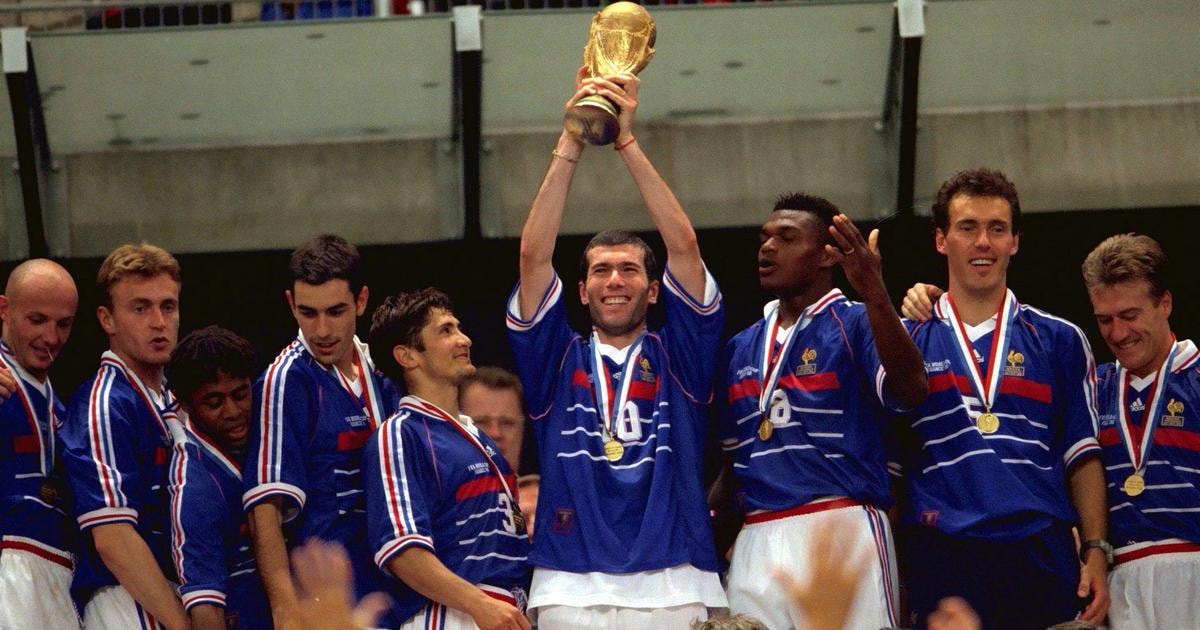
Looking back at history, while Brazil or the Netherlands may have played more aesthetically pleasing football, France proved to be the most resilient team. With only two goals conceded throughout the entire tournament, Les Bleus demonstrated a truth: attacking stars can bring victories, but a steely defense and absolute unity are the keys to winning the title.


