
France and Germany are developing a new long-range ballistic missile to counter Russia's Oreshnik system.
ArianeGroup is in negotiations with the French and German governments to develop a ballistic missile system with a range of over 1,000km to bolster Europe's deterrence capabilities.
Aerospace giant ArianeGroup is currently in preliminary negotiations with the French and German governments regarding the development of a next-generation ballistic missile system. According to Reuters, the project aims to create a weapon capable of accurately striking targets at distances exceeding 1,000km, addressing the need for enhanced long-range strike capabilities in a volatile regional geopolitical landscape.
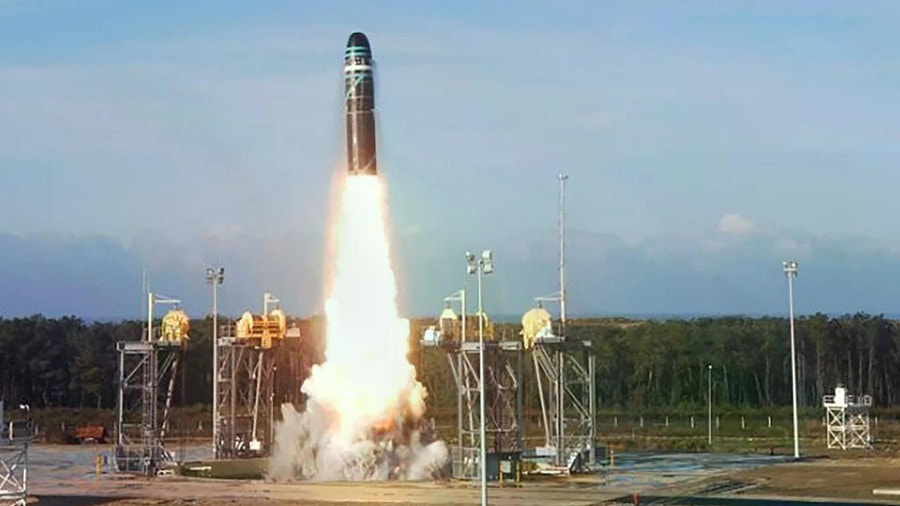
The need for deterrence and security in Europe.
Russia's deployment of Oreshnik medium-range ballistic missiles in Ukraine has become a major impetus for European nations to seek commensurate defensive and offensive solutions. French President Emmanuel Macron has emphasized that Europe is within range of these new missiles and that the continent needs similar weapons to ensure deterrence.
To realize this goal, the French Ministry of Defence has allocated a budget of up to €1 billion for the ground-launched missile program. ArianeGroup, Europe's largest space launch vehicle manufacturer, owned by Airbus and Safran, claims it can leverage existing technologies to perfect conventional ballistic missiles within the next few years.
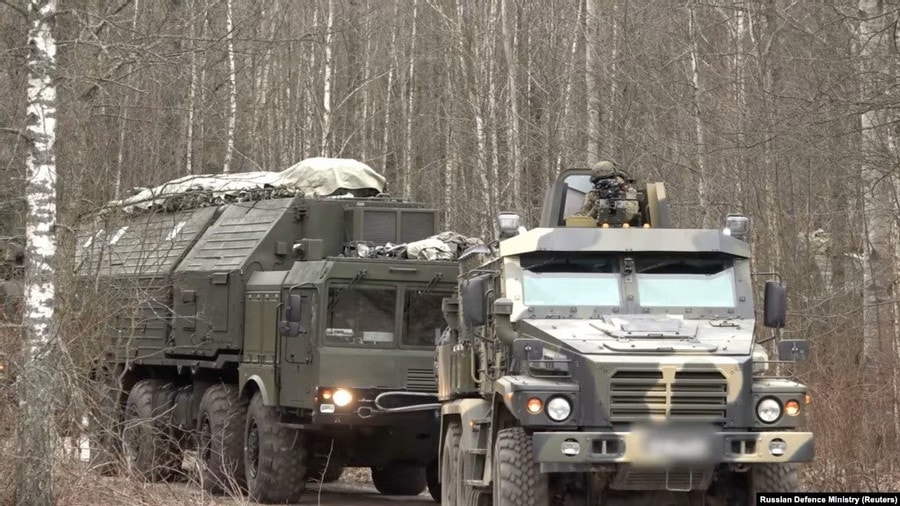
Technical challenges and implementation roadmap
Despite its technological potential, military experts believe that the path for Europe to acquire hypersonic weapons like the Oreshnik remains challenging. Zuzanna Gwader, an analyst at the International Institute for Strategic Studies, notes that most of Europe's long-range strike initiatives are currently still in the conceptual design stage.
Currently, France is the only NATO country in Europe that maintains a separate ballistic missile program, specifically the M51 submarine-launched version. The transition from submarine-launched or space-launched missile technology to ground-based ballistic missiles requires complex technical adjustments to guidance systems and tactical deployment.
To date, the German and French defense ministries have not issued official comments on the detailed progress of the negotiations. However, cooperation between the two leading EU military powers represents a significant shift in the region's shared defense strategy.


