
Successful development of an enzyme capable of breaking down plastic.
The enzyme that degrades plastic is produced during the process of mutating the PETase enzyme in the plastic-eating bacterium Ideonella sakaiensis.
|
The mutated enzyme can break down plastic in a few days. (Image caption:CGTN. |
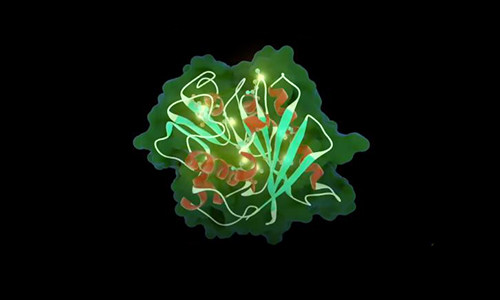
Scientists from the University of Portsmouth in the UK and the US National Renewable Energy Laboratory have accidentally created an enzyme capable of breaking down plastic through mutation, opening up a new solution to the problem of plastic waste pollution worldwide.AFPThe news was reported yesterday.
The research team focused on a species of bacteria that consumes PET (polyethylene terephthalate) plastic, called Ideonella sakaiensis, first discovered by Japanese scientists in 2016. The team's initial goal was to understand the structure of the PETase enzyme in this bacterium. However, they went further than expected when they accidentally created a mutant enzyme capable of breaking down plastic even better than the PETase enzyme.
Scientists used extremely powerful X-rays, 10 billion times brighter than sunlight, to create a high-resolution 3D model of the structure of the enzyme PETase. The model showed that it has a structure very similar to the cutinase enzyme found in fungi and bacteria. The difference appears only in a small region within the PETase enzyme. Scientists believe this is the factor that allows the enzyme to function.Thisplastic decomposition.
The research team attempted to modify the active site of the PETase enzyme to make it more similar to the cutinase enzyme. The results were surprising: the resulting mutant enzyme was able to break down PET plastic more effectively than the PETase enzyme found in the bacterium Ideonella sakaiensis.
The research findings are highly significant. An estimated 8 million tons of plastic waste are dumped into the ocean each year, most of which takes hundreds of years to decompose naturally. "The enzyme created is incredible. Conventional plastic can take up to 400 years to decompose, but now we can break it down in just a few days," said Professor John McGreehan from the University of Portsmouth.
The research has been published in a journal.Proceedings of the National Academy of Sciencesof the US. Scientists say more research is needed to improve the enzyme, with the hope that it can soon be applied on a large scale to treat plastic waste worldwide.


