
The Bodo/Glimt Miracle: The Journey from a Fishing Town to the Pinnacle of European Football
Bodo/Glimt is writing a fairy tale at the Arctic Circle with its unique philosophy, three-generation family legacy, and a spirit of overcoming prejudice to challenge European giants.
In an era dominated by billion-dollar spending, Bodo/Glimt – a team from a small coastal town in Norway – is proving that perseverance and the right plan can work wonders. Without blockbuster signings, the team from Aspmyra Stadium has risen to become a formidable force in the heart of the Arctic Circle.

A 60-year legacy alongside cups of coffee.
At the Aspmyra Stadium canteen, a special tradition has existed for over half a century. Every day at precisely 11 a.m., former Bodo/Glimt players gather for coffee and to reminisce. Among them are 94-year-old Ivar Bakke and Jacob Klette, who made nearly 400 appearances for the club. These gatherings are not just about socializing, but also a way to maintain the connection between a glorious past and a promising present.

The struggle for equality and the turning point of 1975
To achieve its current status, football in Northern Norway has endured a long period of discrimination. Before 1963, teams from this region weren't even allowed to participate in the National Cup. This deep-seated prejudice from the South forced people in the North to work even harder to prove their worth.
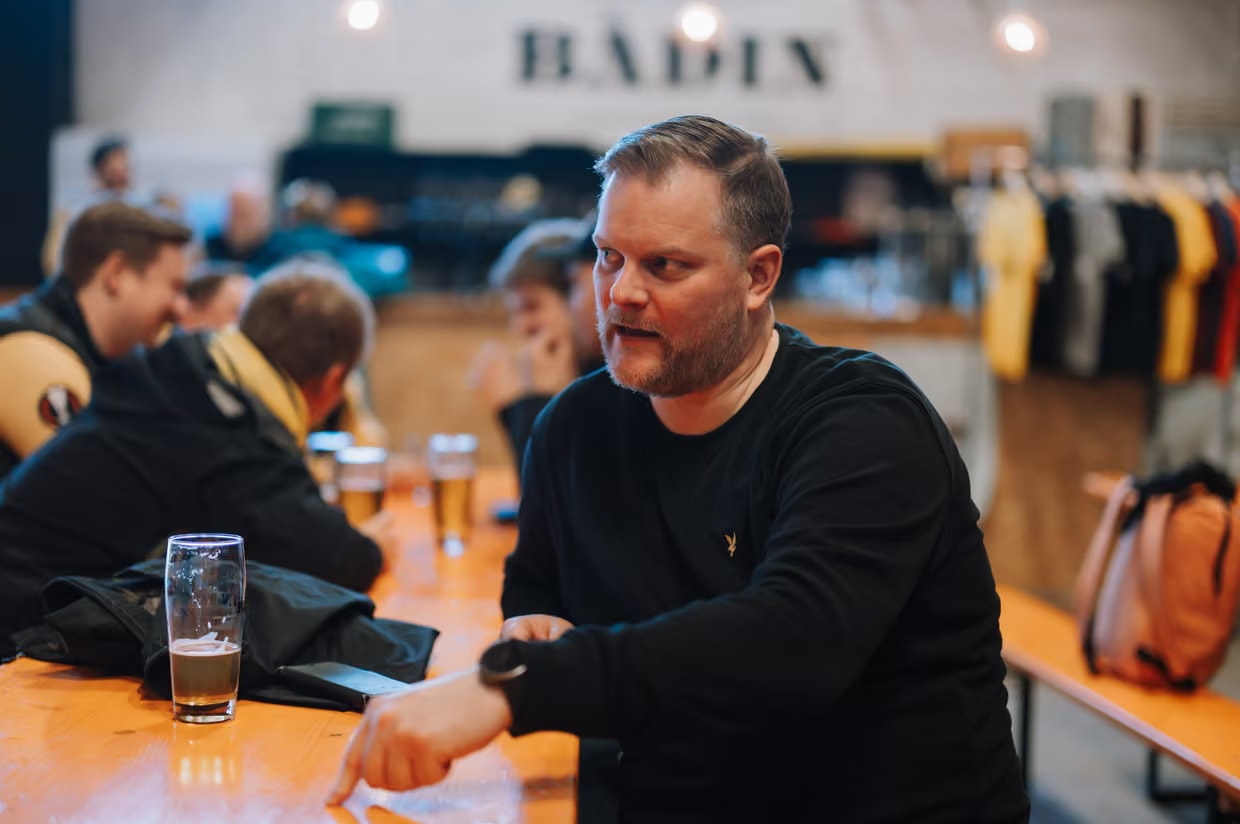
A historic turning point occurred in 1975 when Bodo/Glimt, then a second-division team, traveled to Oslo and defeated Vard to win the National Cup. This victory not only brought them the title but also broke down an invisible barrier, proving that teams from remote areas could compete on equal footing with any opponent.
The Berg family: Three generations keeping the club's flame alive.
Few teams in the world possess such a strong family bond as Bodo/Glimt, exemplified by the Berg family. Harald Berg, the hero of 1975, is the grandfather of Patrick Berg, the current captain. Patrick's father, Orjan Berg, and his uncle, Runar Berg, are also legends who helped save the team from bankruptcy in 2010.
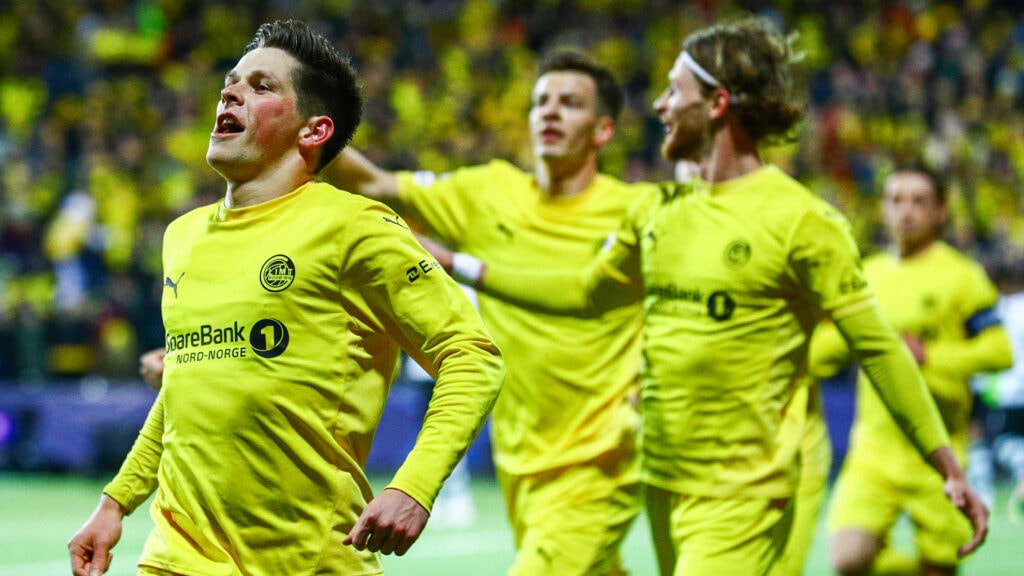
During a particularly difficult time more than a decade ago, the entire town of Bodo came together to save its soul. From small donations from residents to fundraising dinners featuring dried cod, this sense of community served as the springboard for its incredible rise.
The "Varres Mate" strategy and European shocks
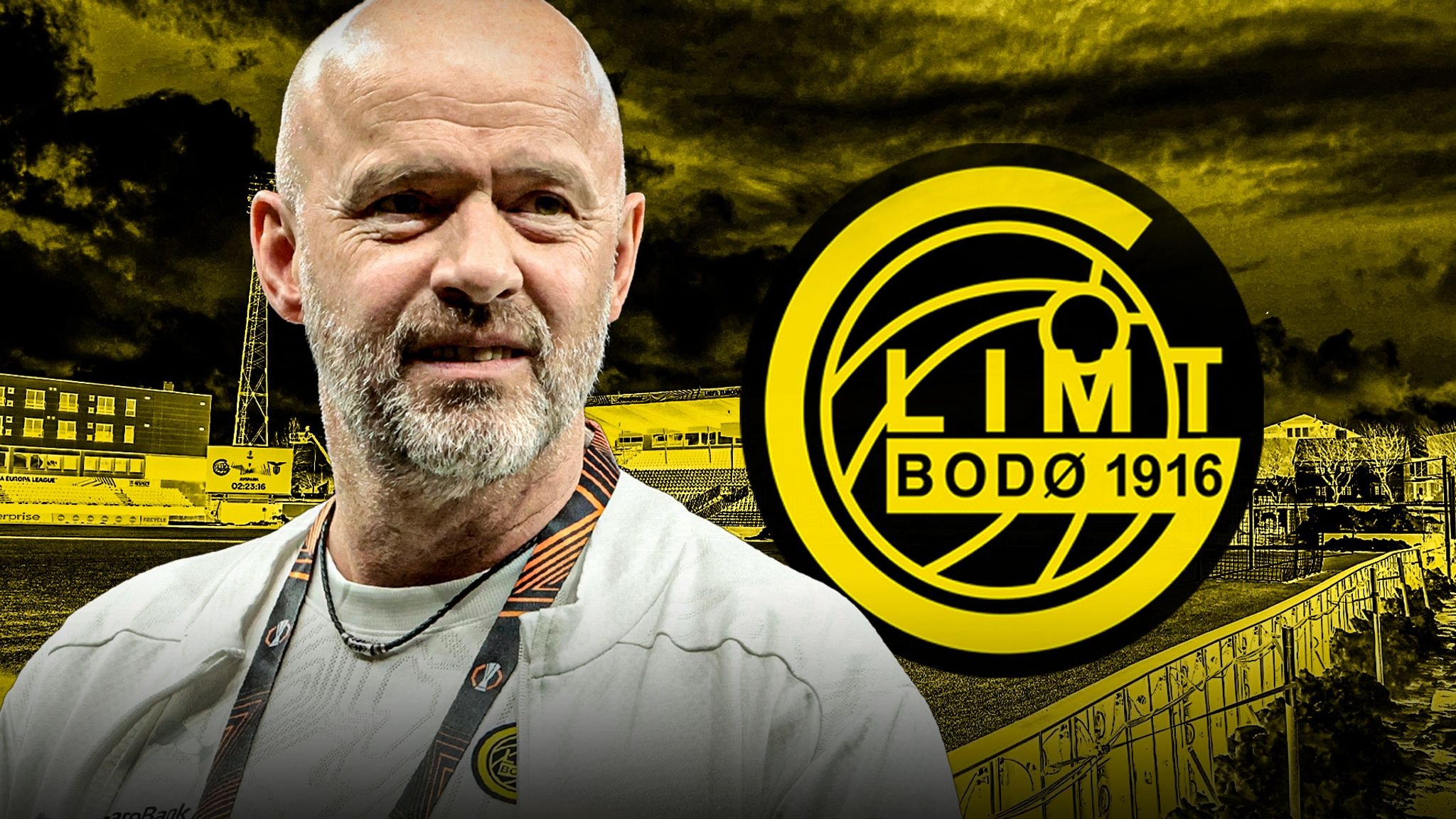
Bodo/Glimt's remarkable rise is heavily influenced by coach Kjetil Knutsen and his "Varres Mate" (Our Way) philosophy. Instead of mass signings, the club focused on reviving discarded players and developing inherent potential. Their smoothly functioning 4-3-3 system, coupled with the support of psychological coach Bjorn Mannsverk – a former fighter pilot – transformed them into a formidable fighting force.
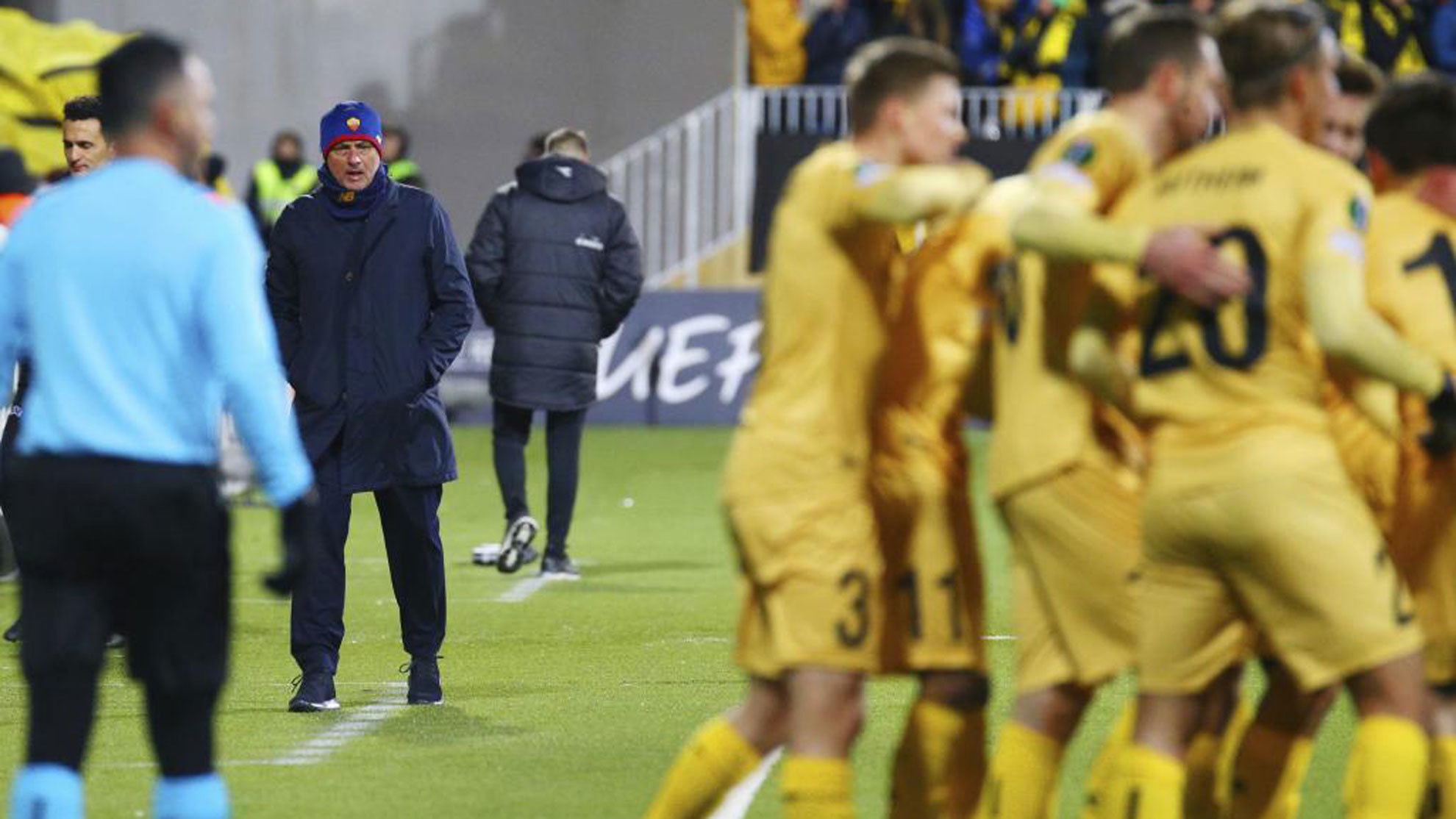
Notably, Bodo/Glimt has consistently caused a stir in Europe, first defeating Jose Mourinho's AS Roma 6-1. Following this success, they went on to overcome big names like Manchester City, Atletico Madrid, and eliminate Inter Milan. Most recently, their 3-0 victory over Sporting Lisbon in the Champions League Round of 16 has brought the Arctic team closer to making history in the quarter-finals of the continent's most prestigious tournament.
Maintaining individuality amidst the spotlight.
Despite becoming a major force, Bodo/Glimt has maintained its inherent humility. The team's stars still walk their dogs around town and maintain a simple lifestyle. The 8,000-capacity Aspmyra Stadium remains a symbol of the warmth of human connection and the self-respect of the people of Northern Norway.

The planned "Arctic Arena" stadium project promises to maintain the club's status for decades to come. The story of Bodo/Glimt is the clearest evidence that football is not just about the numbers on the balance sheet, but about dreams, perseverance, and the soul of a community.


