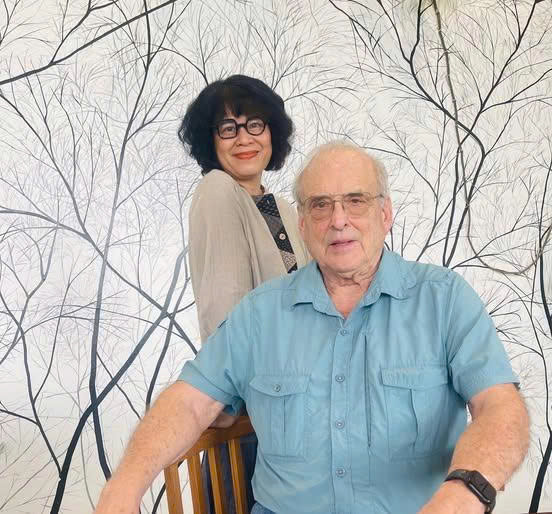
The film 'Through the Nightmare': Listening to the post-war trauma of American soldiers.
VTV's documentary "Through the Nightmare" explores a humanistic perspective on the psychological trauma of American veterans, a journey of dialogue with the past for healing.
The documentary "Through the Nightmare," directed by Doan Hong Le and one of VTV's entries at the Vietnam Film Festival 2025, offers a profound insight into the invisible legacies of war. The film focuses on the stories of American veterans and journalists who still carry the trauma of the war in Vietnam.
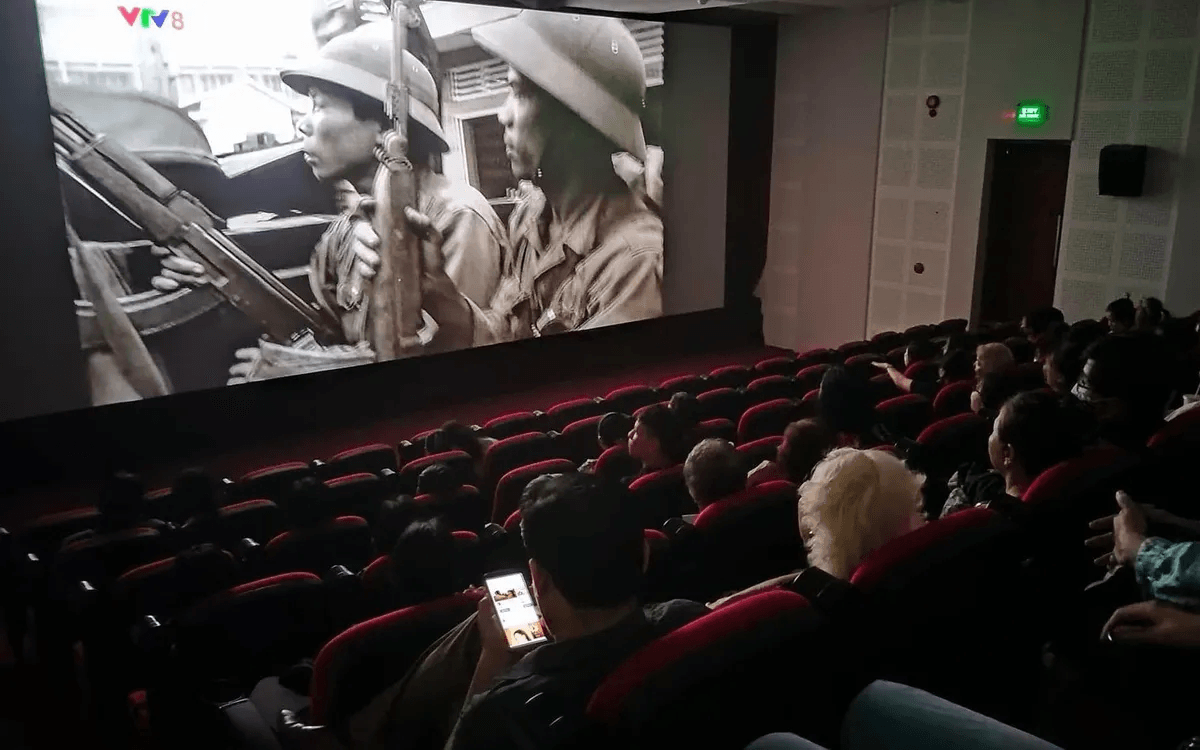
The journey to heal invisible wounds.
The film revolves around four American characters who witnessed loss and death during the war. Upon returning home, they face lasting psychological trauma. Through their stories, the film portrays a journey of dialogue with a painful past in order to move towards healing and a better future.
The film's inspiration comes from the story of director Doan Hong Le's father, a war correspondent who returned from Zone V in 1968. He carried not only physical wounds but also emotional scars, with war memories frequently flooding back during terrifying nights.
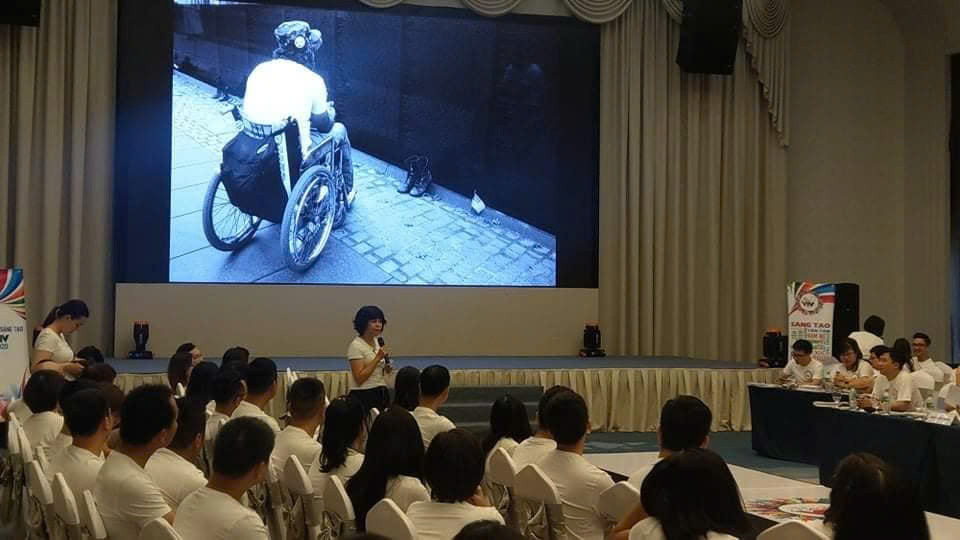
Understanding that many American soldiers on the other side were also tormented by similar issues, the director joined American veterans' groups on social media. There, she listened to them share fragments of memories, questions about survival, and the need for forgiveness in order to find peace of mind.
A humanistic perspective connects people.
When tackling a sensitive topic, director Doan Hong Le clearly defined his perspective from the outset: "This is a film for Vietnamese audiences." The central question was what Vietnamese people would see and how this story relates to life today.
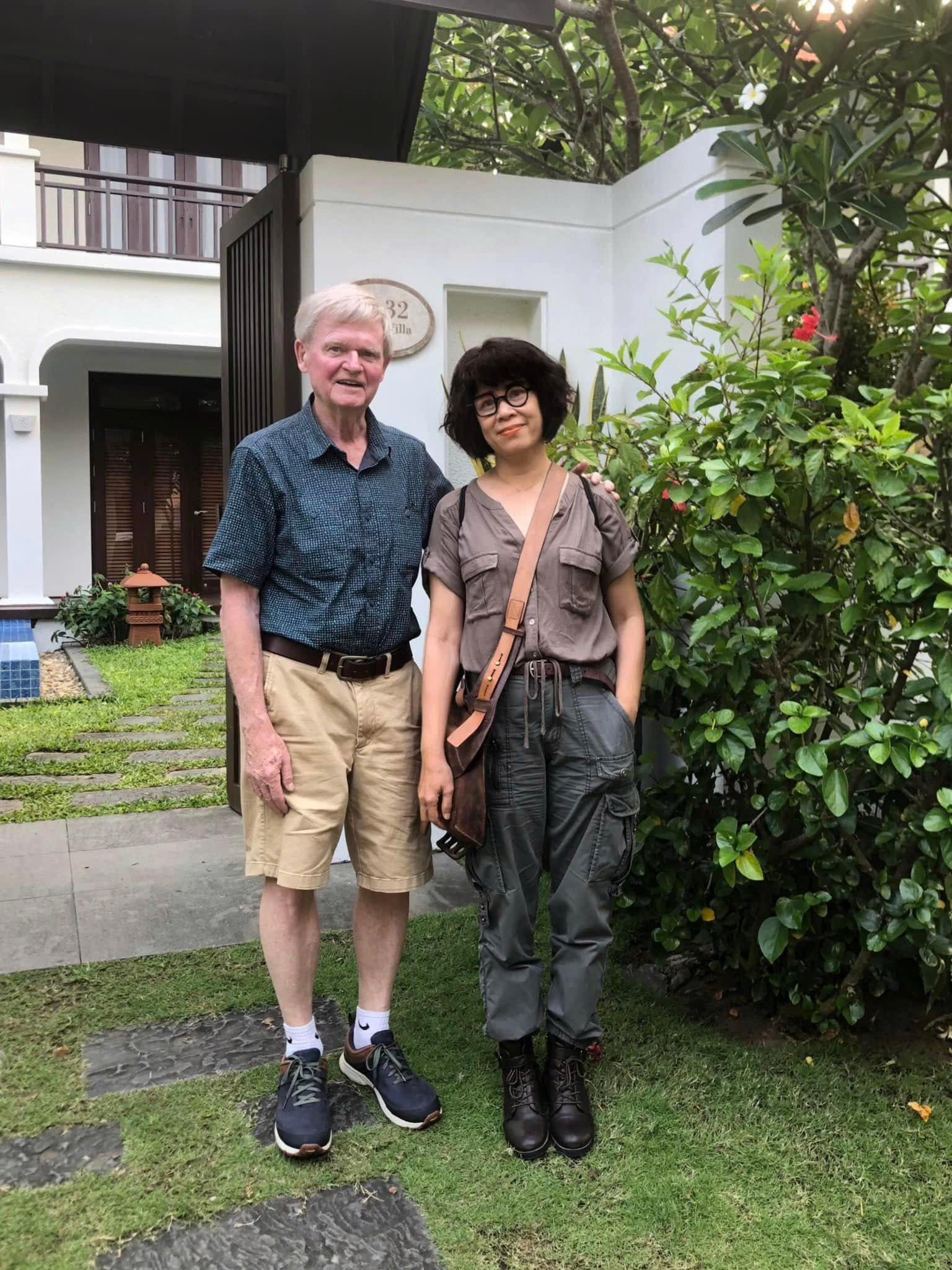
She said she always tries to focus on the "Human" aspect, because that's what we all have in common. "Despite cultural differences and language differences, people still experience joy, sorrow, love, and indignation in the same ways. By clinging to that thread, I believe I'm less likely to be misunderstood," the director shared. Most of the interviews in the film were conducted via video call due to the COVID-19 pandemic.
A message for future generations
To encourage the characters to share comfortably, the director often asks them to recount their stories as if they were talking to their children or grandchildren. This approach makes the stories more relatable, especially to younger generations who primarily learn about history through books.
The film features notable figures such as photographer Ronald Haeberle, who took photographs of the My Lai massacre and later donated them to the Son My Museum. His presence, along with that of other individuals, adds depth and authenticity to the film's journey through this nightmare.