
Vice Chairman of the Provincial People's Committee Hoang Phu Hien inspected the progress of resettlement areas serving the North-South High-Speed Railway Project.
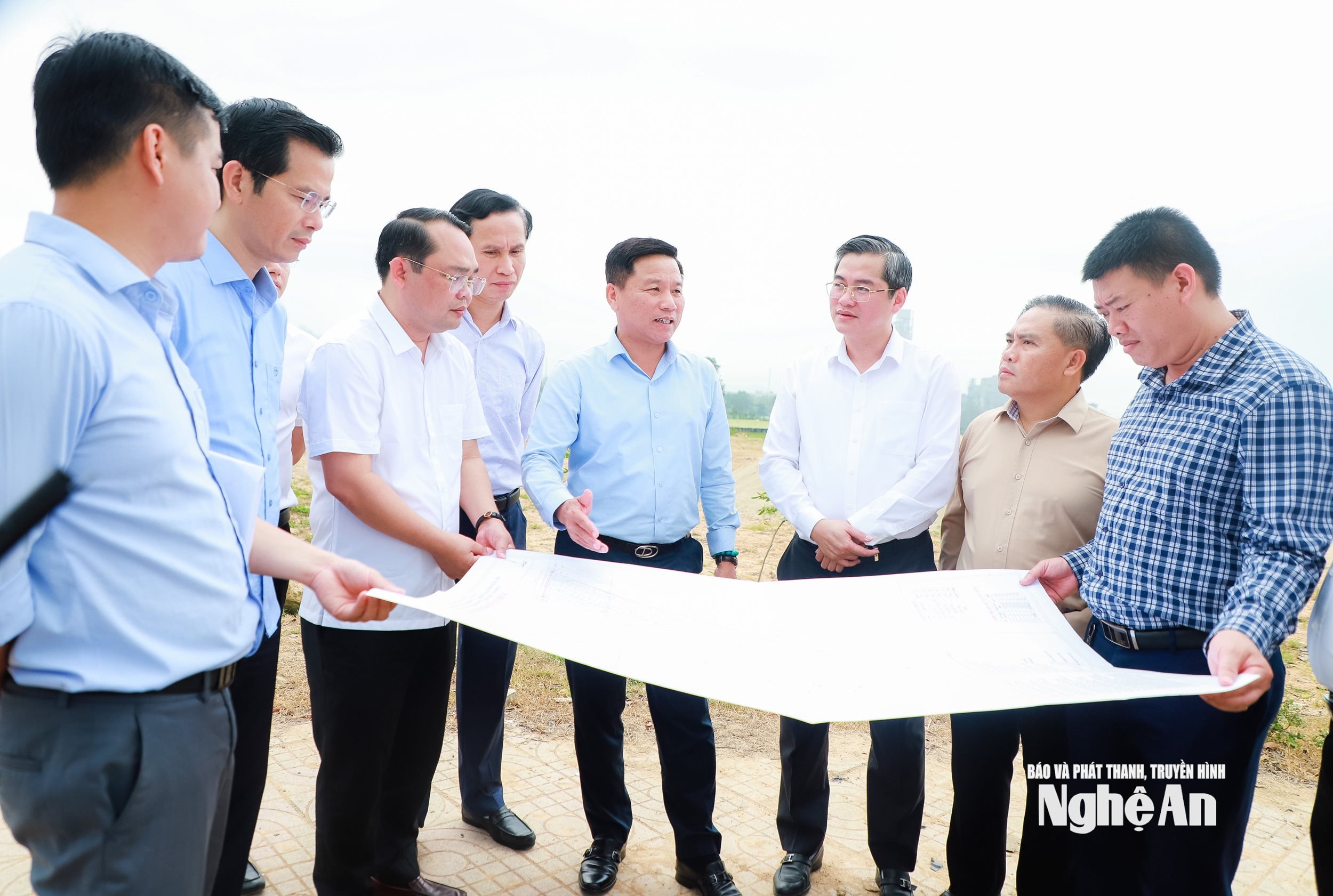
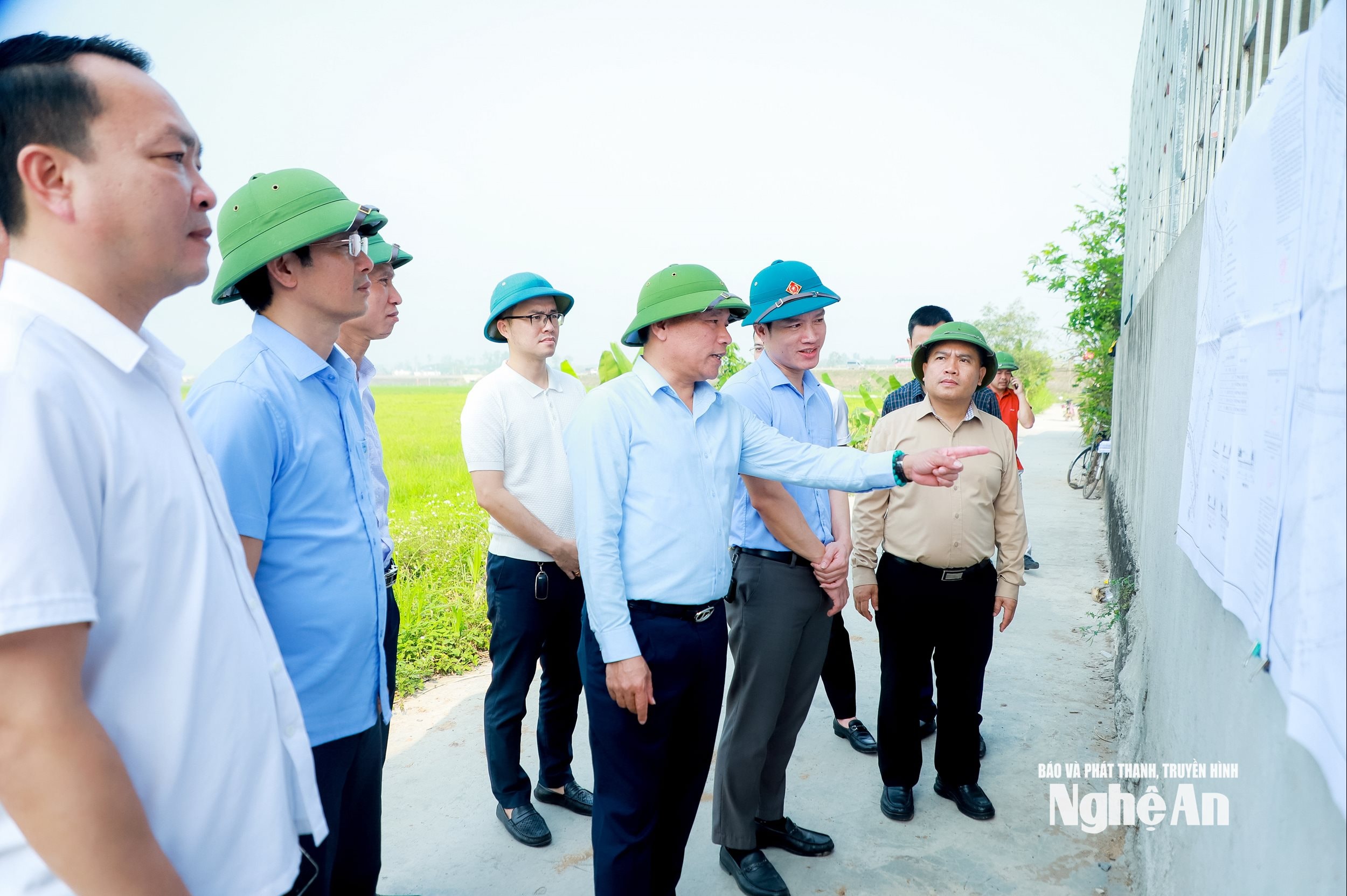
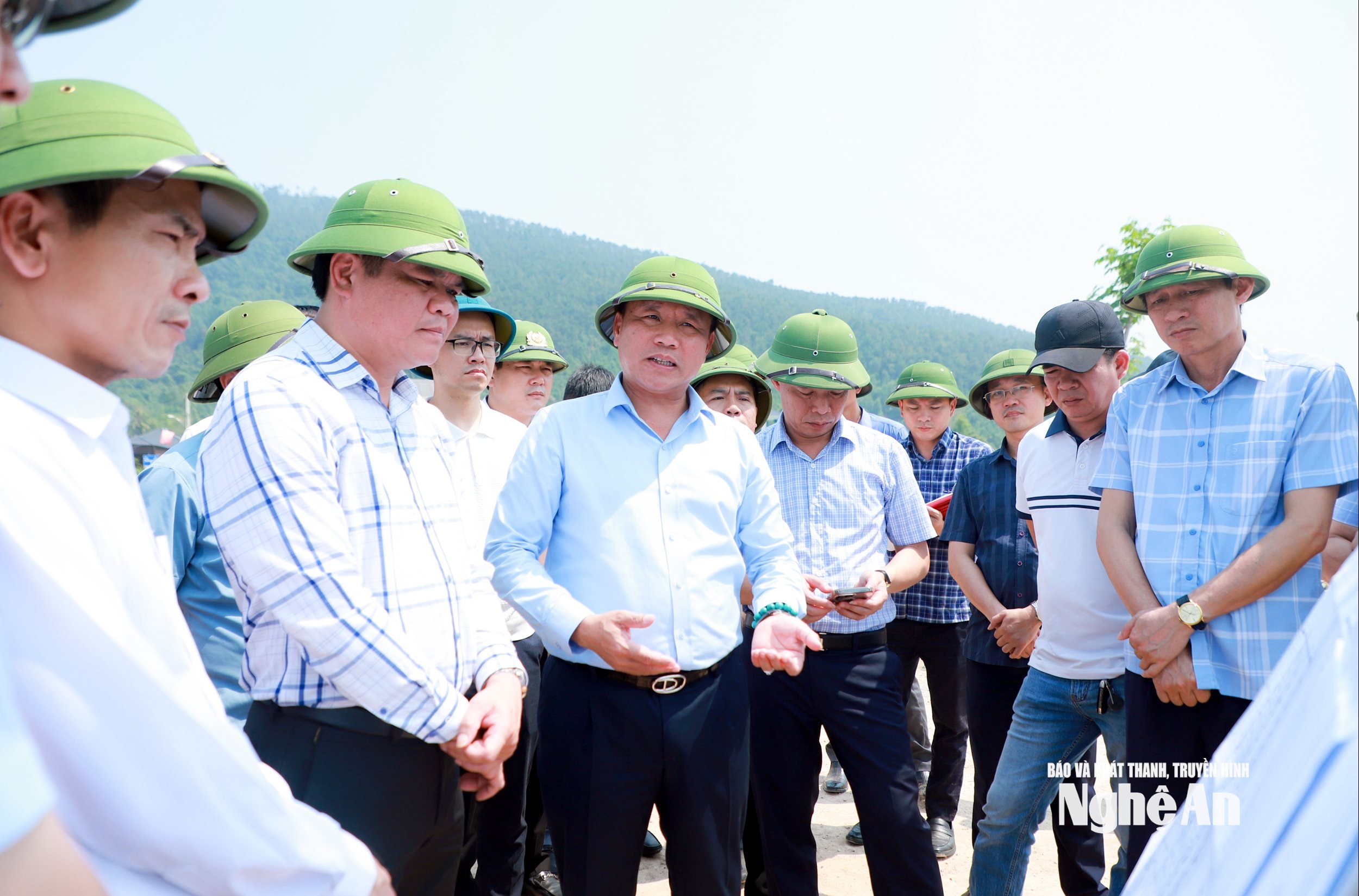
On April 9th, Comrade Hoang Phu Hien - Member of the Provincial Party Committee, Vice Chairman of the Provincial People's Committee, along with a working group, inspected the progress of resettlement areas serving the North-South High-Speed Railway Project in the province.
According to the plan, the section passing through Nghe An province is 85.5 km long, traversing 18 communes and wards including: Hoang Mai, Quynh Van, Quynh Son, Quynh Luu, Hung Chau, Duc Chau, Quang Chau, Minh Chau, Dien Chau, An Chau, Tan Chau, Dong Thanh, Than Linh, Nghi Loc, Yen Trung, Hung Nguyen, Hung Nguyen Nam and Lam Thanh.
The total area to be cleared is approximately 519.2 hectares, with an estimated cost of 6,397 billion VND. The project is expected to affect about 2,150 households, of which 368 households will not require relocation and 1,782 households will need to be relocated.
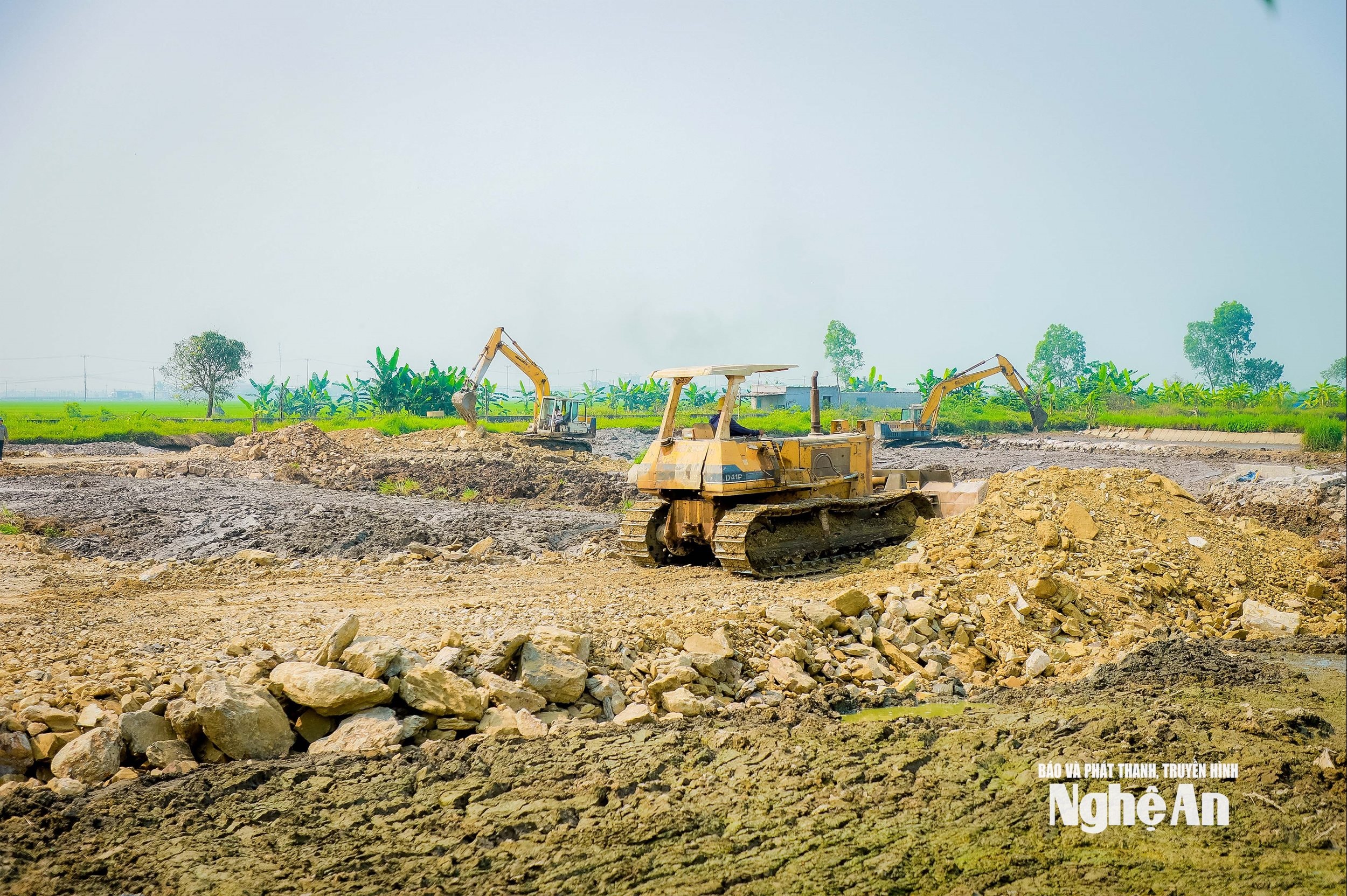
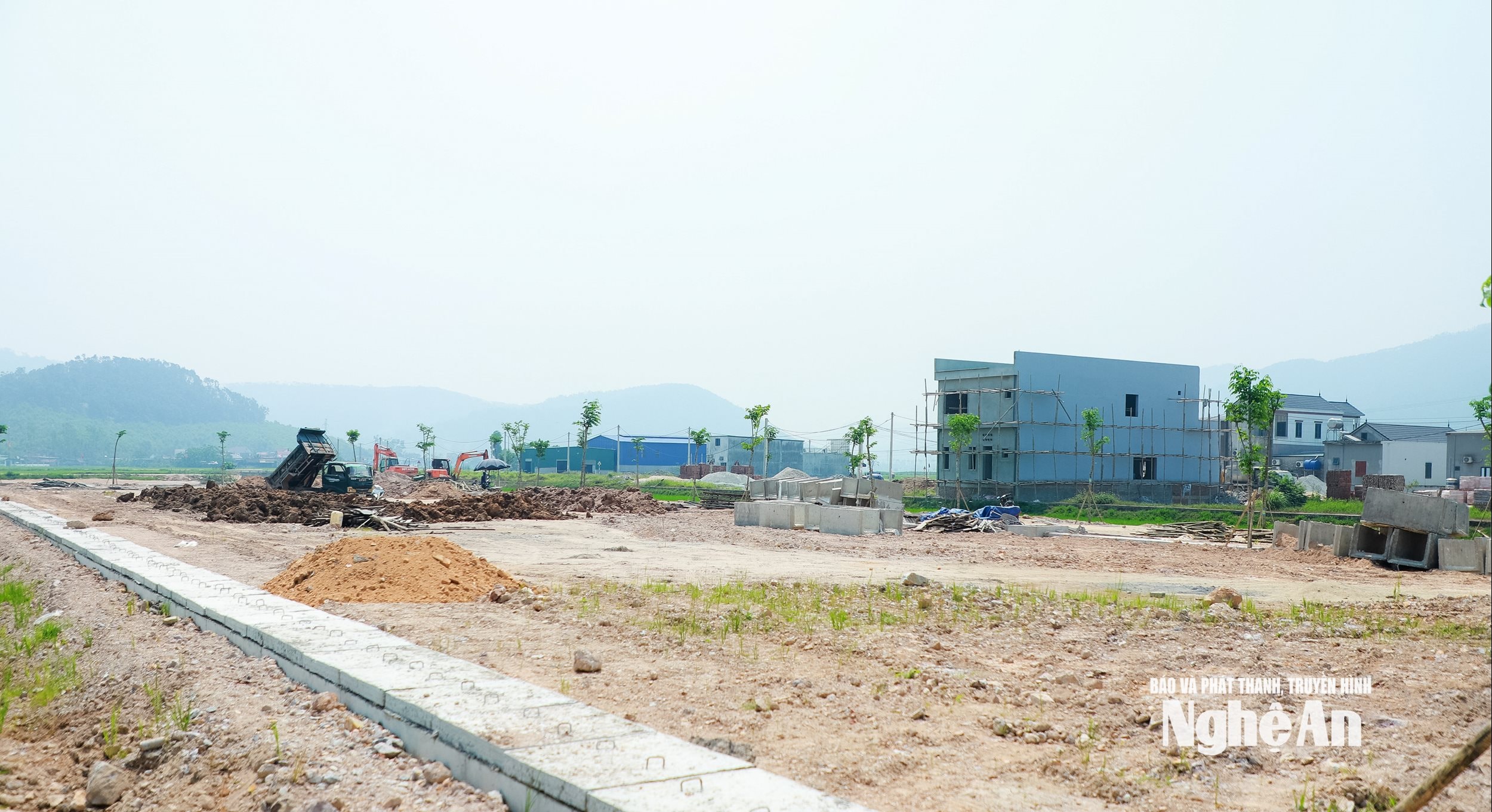
To facilitate population relocation, 16 out of 18 communes and wards had to build 41 resettlement areas with a total area of approximately 102.69 hectares and a cost of about 1,450 billion VND.
Specifically, Hoang Mai has 2 zones; Quynh Van has 2 zones; Quynh Son has 2 zones; Quynh Luu has 1 zone; Hung Chau has 1 zone; Duc Chau has 2 zones; Minh Chau has 6 zones; Dien Chau has 3 zones; An Chau has 1 zone; Tan Chau has 3 zones; Than Linh has 2 zones; Nghi Loc has 1 zone; Yen Trung has 4 zones; Hung Nguyen has 4 zones; Hung Nguyen Nam has 2 zones; and Lam Thanh has 5 zones.
In addition, the technical infrastructure system has been significantly affected. There are 79 intersections on medium-voltage power lines and 144 intersections on low-voltage power lines, and it is expected that 6 substations will need to be relocated.
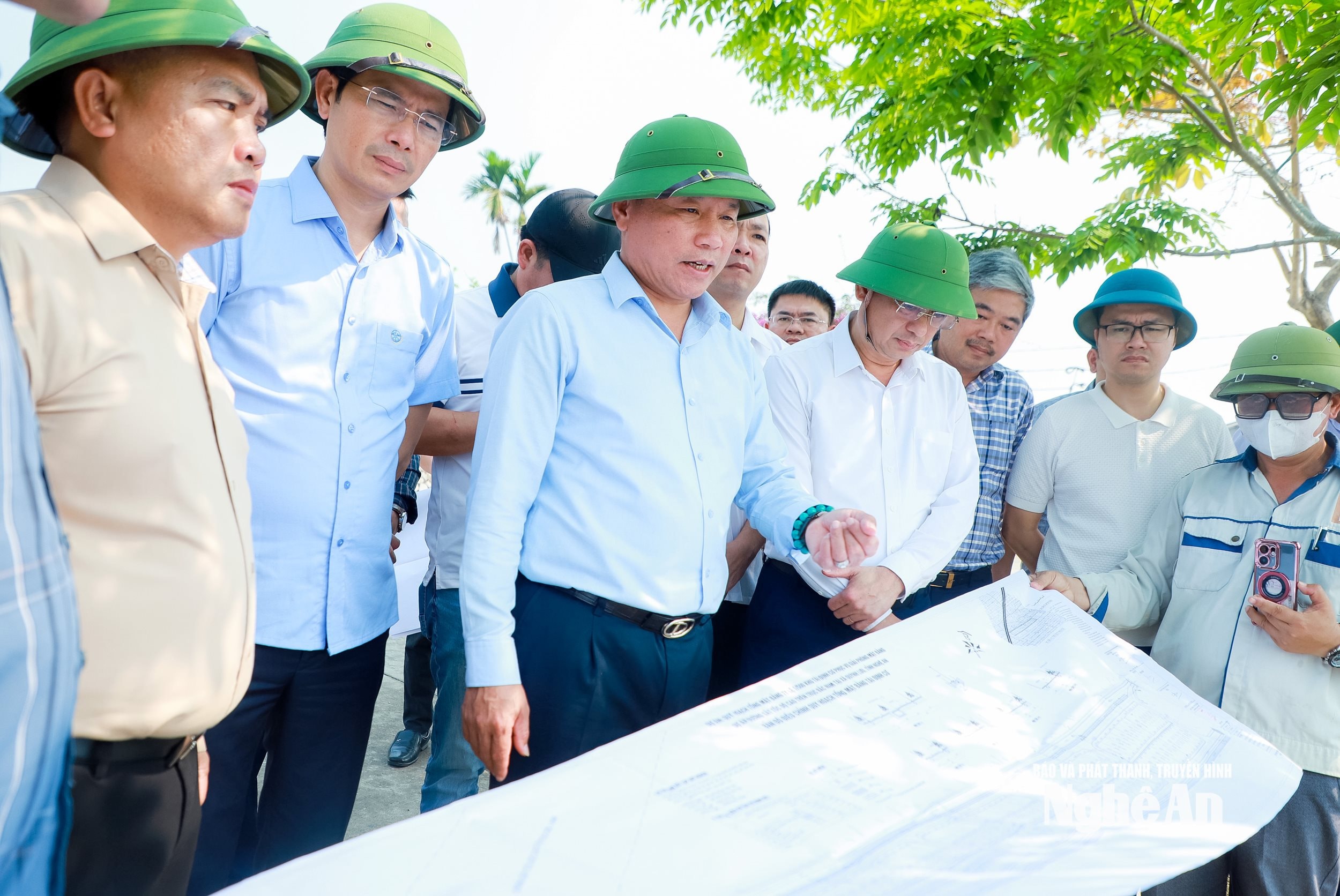
The working group conducted a field survey in Hoang Mai ward and the communes of Quynh Van, Quynh Luu, Tan Chau, Than Linh, and Lam Thanh; and listened to reports on the implementation status from leaders of 16 localities where resettlement areas have been planned.
Based on on-site inspections and reports from localities, Vice Chairman of the Provincial People's Committee Hoang Phu Hien assessed that the implementation of resettlement infrastructure is currently being focused on by localities in accordance with the province's directives. However, some communes are still behind schedule compared to the completion deadline of June 30, 2026, as stated in the Conclusion Notice of Comrade Nguyen Khac Than, Secretary of the Provincial Party Committee and Head of the Steering Committee for Key Projects in the province.
In addition, the context for project implementation has recently changed with the Government's issuance of Resolution No. 98/NQ-CP dated April 6, 2026, to implement Resolution No. 265/2025/QH15 of the National Assembly.
Accordingly, the Resolution allows for the separation of the compensation, support, and resettlement aspects of the North-South High-Speed Railway Project into independent projects, assigning the People's Committees of the provinces as the project owners.
The People's Committee of Nghe An province has been assigned as the investor for the project on compensation, support, resettlement, and relocation of technical infrastructure facilities in the area, with the expected completion time in the fourth quarter of 2028.
Resolution No. 98 also clarifies that the specific timeline may be adjusted after the feasibility study report is approved, depending on the scale and technical nature. The Ministry of Construction will report to the Government for consideration.
The resolution also stipulates the responsibility of local authorities in organizing the implementation of all compensation, support, and resettlement work, including the relocation of power facilities of 110kV and above that are not owned by Vietnam Electricity Group.
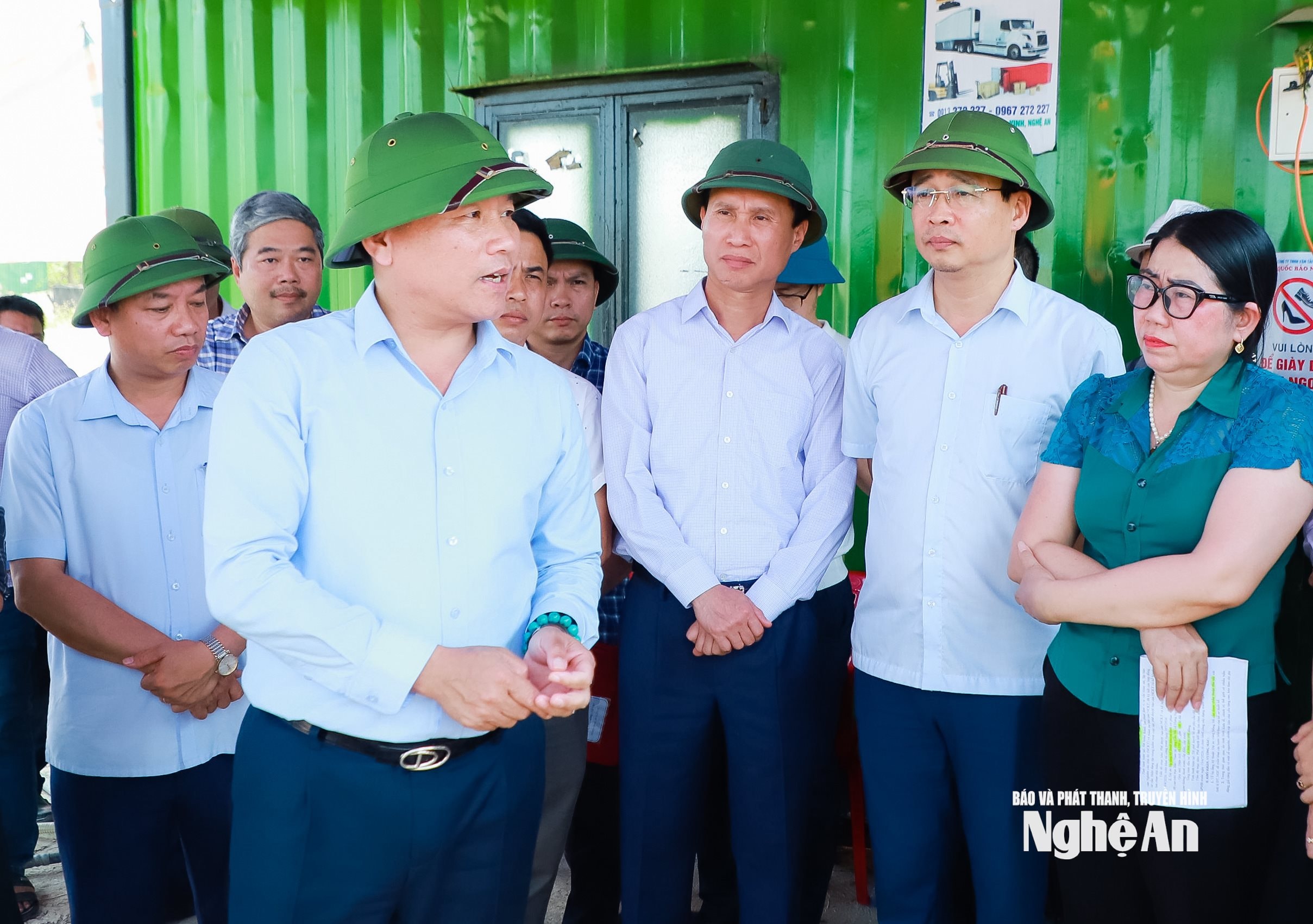
According to Vice Chairman of the Provincial People's Committee Hoang Phu Hien, transferring the role of investor in land clearance to the local authorities significantly changes the implementation process, requiring provinces to adjust their methods to comply with Government Resolution No. 98.
Based on that, he requested that localities, for resettlement areas currently undergoing procedural completion, must urgently complete land clearance work in April; and at the same time, complete the appraisal and approval steps within the same period to ensure the conditions for implementation.
The Department of Construction is tasked with leading the review and appraisal of planning, ensuring that resettlement areas are invested in comprehensively, meeting infrastructure requirements, and providing people with better new homes than their old ones. However, the scale and infrastructure system must be appropriate to the reality of each locality, avoiding scattered and wasteful investment.
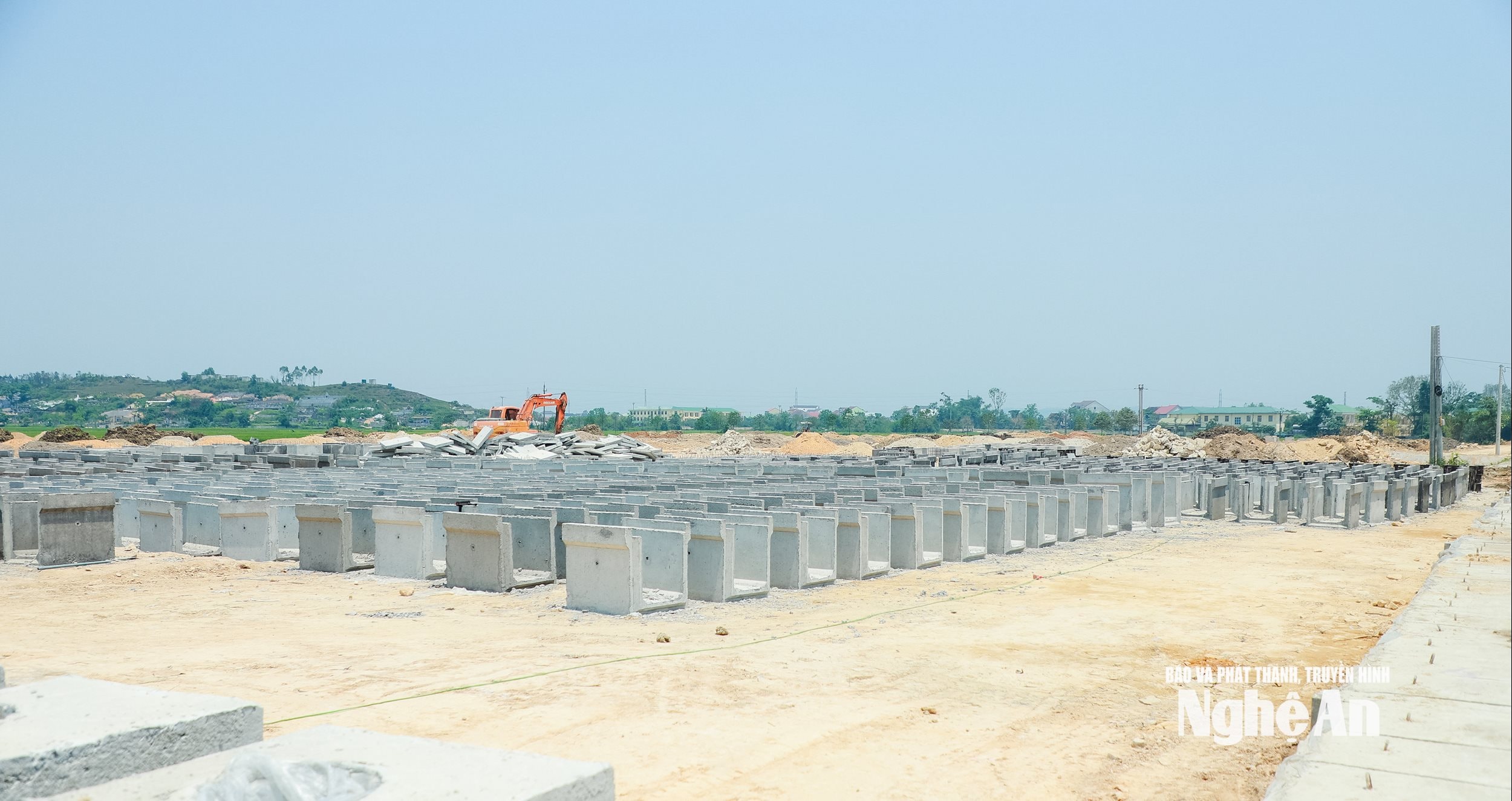
For resettlement areas where construction has already begun, in the context of rising raw material prices, the province encourages continued implementation; during this process, special attention should be paid to construction quality and environmental protection. The transportation of materials must be strictly controlled to avoid affecting existing infrastructure and the lives of residents, especially during hot weather.
During the transition period between the previous plan and Resolution No. 98, some procedural issues are arising. Following the inspection, the Vice Chairman of the Provincial People's Committee will report to the Steering Committee for Key Projects to receive specific guidance on the progress and procedures for implementing resettlement areas in accordance with the new regulations; this includes considering adjustments to the schedule in light of fluctuating fuel and construction material prices. Based on this, the Steering Committee will issue a notice for localities to uniformly implement the plan.
Regarding the supply and pricing of construction materials, the recommendations were assigned to relevant departments and agencies to lead and advise on solutions, ensuring a stable supply to meet the project's progress requirements.


