
Deputy Prime Minister Pham Thi Thanh Tra requested a thorough review of the methods for evaluating officials and civil servants.
Working with the Ministry of Interior on the afternoon of December 4th, Deputy Prime Minister Pham Thi Thanh Tra emphasized that this is a critical period, requiring the Ministry to work every hour, every day, and accelerate to complete important decrees in December. This includes a thorough review of the methods for evaluating officials and civil servants.
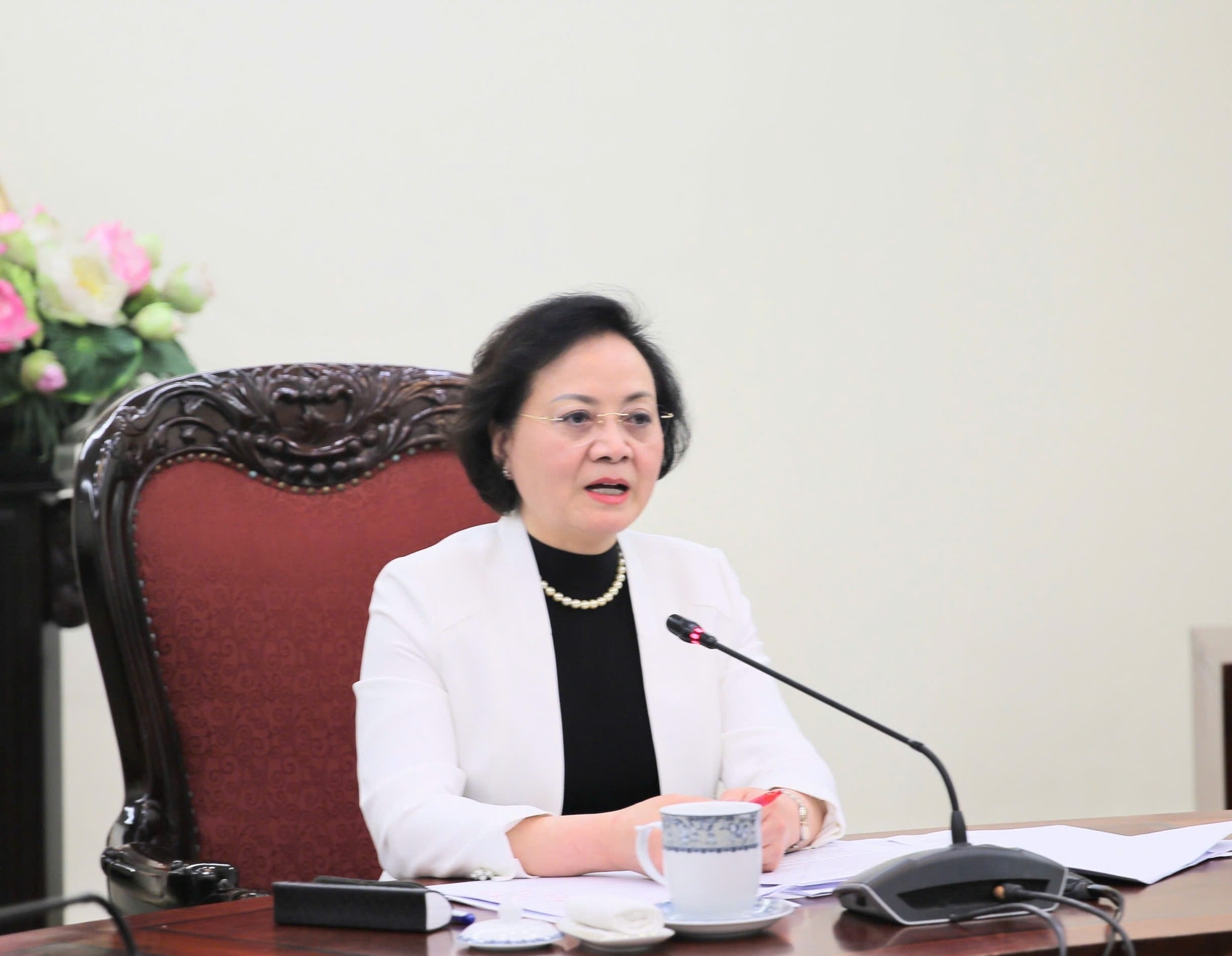
On the afternoon of December 4th, at the Government headquarters, Deputy Prime Minister Pham Thi Thanh Tra held a working session with the Ministry of Interior on the progress of institutional building tasks and urgent requirements that need to be completed from now until the end of December 2025.
Reporting at the meeting, Minister of Home Affairs Do Thanh Binh stated that in October and November 2025, the Ministry advised the Politburo and the Secretariat on 4 reports, projects, and submissions; advised the Government to submit 3 resolutions to the Standing Committee of the National Assembly; and submitted 6 decrees, 4 government resolutions, and 5 decisions of the Prime Minister to the Government for promulgation. This is a significant amount of work, demonstrating the efforts of the entire home affairs sector in the context of many major tasks taking place simultaneously.
Notably, immediately after the November 2025 working session with the Deputy Prime Minister, the Ministry of Interior submitted and the Government issued four important decrees related to the minimum wage for employees working under labor contracts; regulations on the framework for the number of Vice Chairmen of the People's Committee, the number and structure of members of the People's Committee; the procedures for approving the election results and handling the positions of Chairman and Vice Chairman of the People's Committee; Decree No. 303/2025/ND-CP dated November 19, 2025 on the functions, tasks, powers and organizational structure of Ministries and ministerial-level agencies; and Decree No. 307/2025/ND-CP dated November 27, 2025 on the classification of administrative units.
According to the plan, the Ministry of Interior must submit a total of 27 documents to the Government for promulgation in December 2025. Of these, 13 have been submitted; 8 are currently being reviewed by the Ministry of Justice; 4 are in the process of finalizing their dossiers for submission for review; and 2 have requested a postponement to March 2026 due to their specific nature. The Minister of Interior acknowledged that this deadline is a significant challenge and requires the entire sector to dedicate all its efforts to ensure the deadline is met.
During the meeting, the Ministry's leaders and specialized units also reported specifically on the progress of drafting decrees guiding the implementation of the Law on Organization of Local Government 2025, the Law on Cadres and Civil Servants 2025, the Law on Employment, the Law on Occupational Safety and Health, etc. Many documents have complex content and broad impacts, requiring thorough review to ensure both progress and quality.
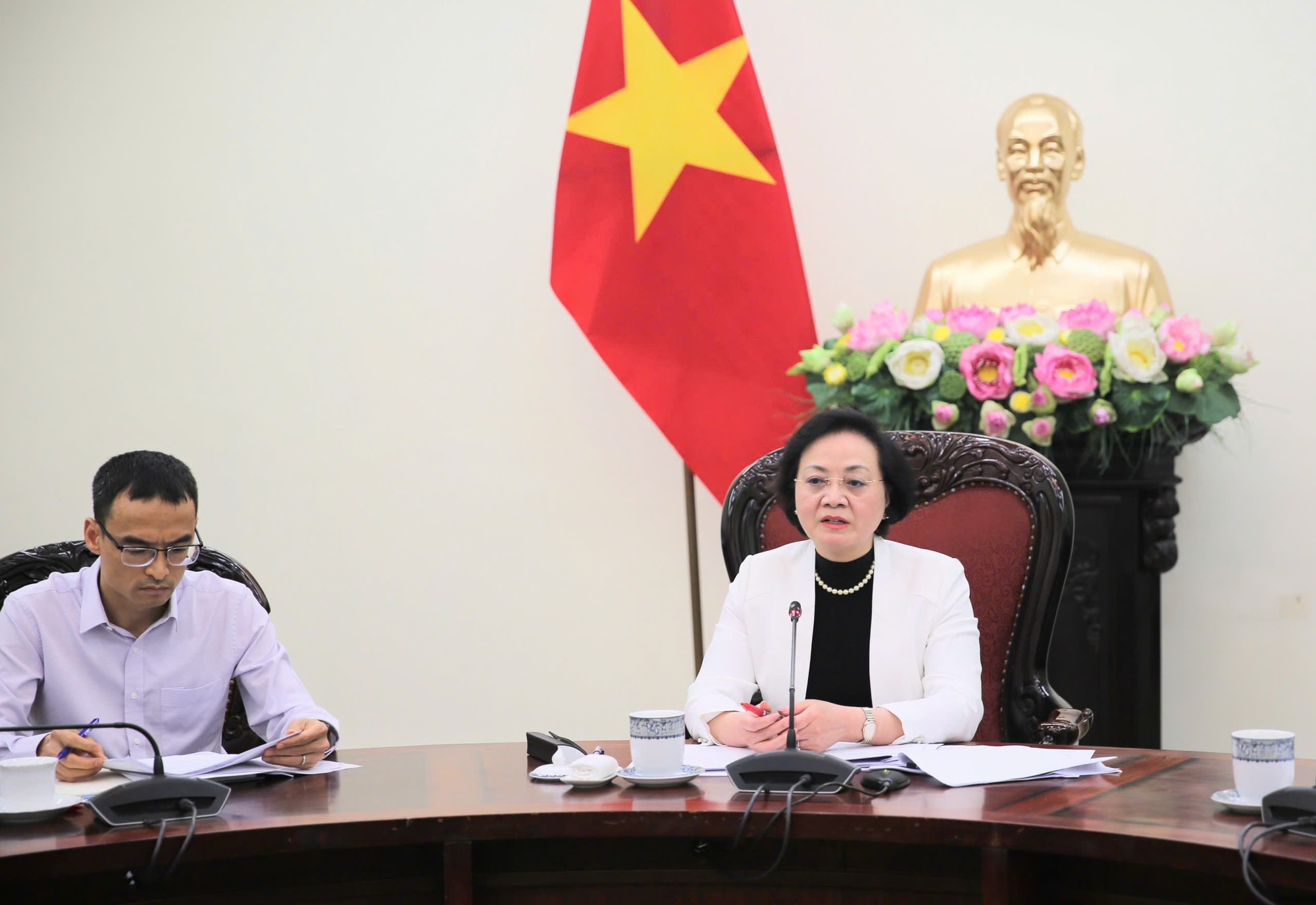
Pressure is a motivator.
Concluding the working session, Deputy Prime Minister Pham Thi Thanh Tra acknowledged the efforts of the Ministry of Interior in the past period, especially the work of building the system of decrees - one of the key tasks for 2025.
However, the Deputy Prime Minister also emphasized that a higher level of effort and work ethic is needed because without accelerating progress, it will be very difficult to complete all assigned tasks.
According to the Deputy Prime Minister, from now until the end of the year, the Ministry of Interior's work will enter a "campaign phase," meaning that all tasks must be implemented with high intensity and close attention every day.
The Deputy Prime Minister affirmed that the Government will create all conditions for the Ministry of Interior to complete its tasks, but the Ministry must maximize its proactive spirit, improve working methods, strengthen coordination, and closely monitor progress. The ultimate goal is to complete all institutional building tasks by 2025 – a key task that will determine the effectiveness of the administrative apparatus in the next phase.
"First and foremost is the working method. It must be specific, effective, and thorough. Without changing the working method, it will be impossible to complete the workload. Political responsibility and determination must be prioritized," Deputy Prime Minister Pham Thi Thanh Tra emphasized.
The Deputy Prime Minister requested the Ministry of Interior to strengthen coordination with other ministries, agencies, and the Government Office, especially in the drafting of legal documents. For large and important documents, a lack of quick and flexible coordination mechanisms will certainly lead to delays in submission to the Government and the Prime Minister.
"Pressure is the driving force for work," the Deputy Prime Minister said, and urged the Ministry's leaders to directly get involved, resolve difficulties, and definitively address outstanding issues.
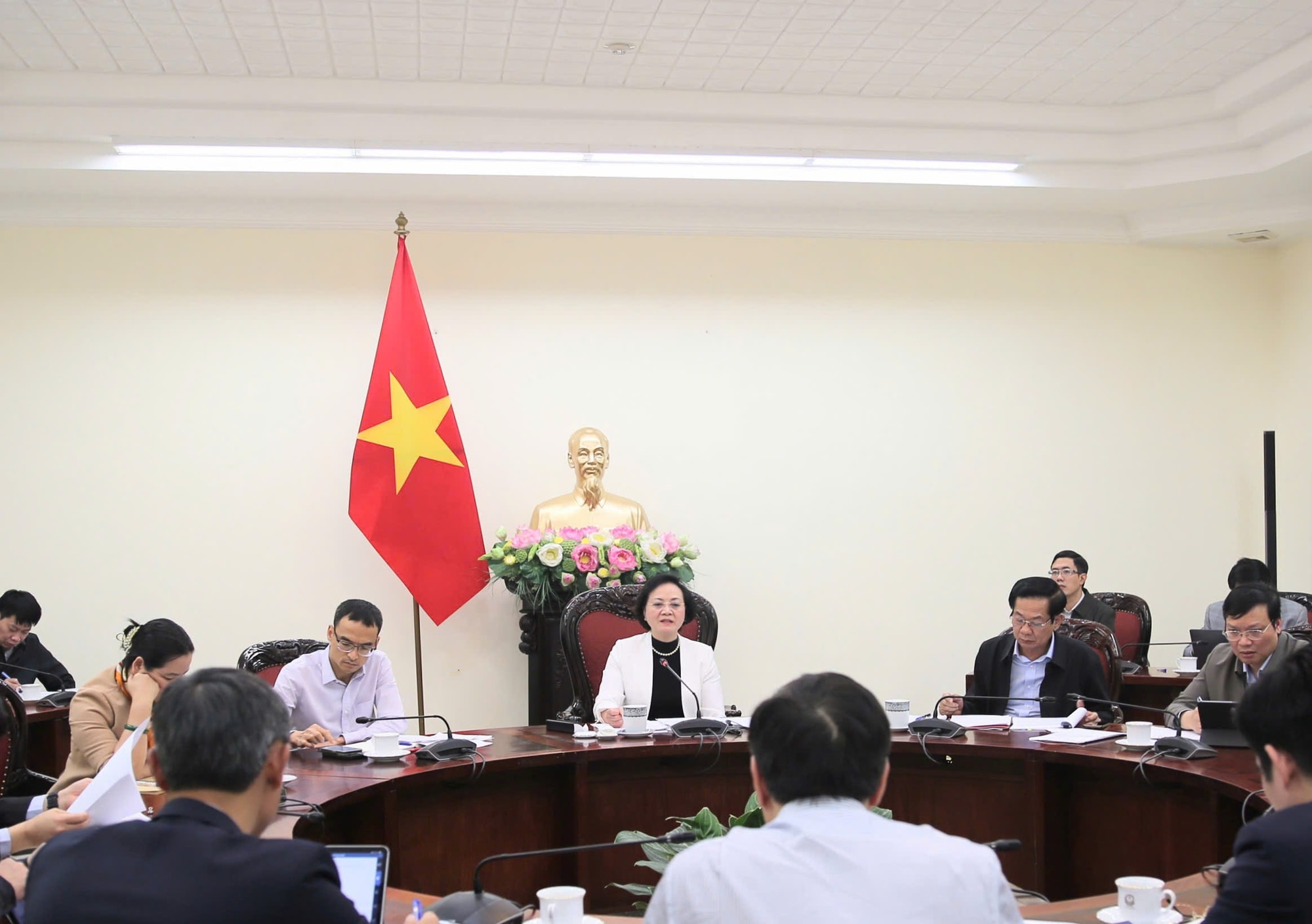
Thorough and comprehensive preparation for the National Emulation Congress.
Regarding priority tasks, the Deputy Prime Minister identified the focus as completing three major groups of work: institutional building; serving the National Emulation Congress and summarizing five years of administrative reform according to Resolution No. 76; and addressing obstacles in the operation of the two-tiered local government model and reorganizing ministries and ministerial-level agencies.
Regarding the decrees, the Deputy Prime Minister outlined a specific roadmap with deadlines of December 7th, 15th, and 25th for issuance, requiring relevant units to adhere strictly to each schedule. Some special decrees will be postponed to 2026, while the rest must be completed in December.
In particular, the Deputy Prime Minister requested the acceleration of the Decree on labor registration and the labor market information system; accordingly, it must ensure openness, connectivity, and data interoperability to serve the regulation of the domestic and international labor markets. The national job exchange platform must operate "real," with real transactions and connected to the national population database. If progress is on schedule, the Ministry could organize the launch this December.
Regarding the decree on job positions, the Deputy Prime Minister stated that it is necessary to both develop and review it simultaneously, with the goal of creating a complete legal basis to facilitate ministries, sectors, and localities in determining job positions. The Deputy Prime Minister requested the Ministry of Interior to expedite the drafting process to meet practical requirements.
Regarding the decree on the evaluation and classification of officials and civil servants, the Deputy Prime Minister emphasized the need for a thorough impact assessment, especially of the evaluation methodology – a key factor determining the quality of implementation. Therefore, the Deputy Prime Minister requested the Ministry of Interior to organize a broad consultation process; during this consultation, the Ministry can continue to refine the draft.
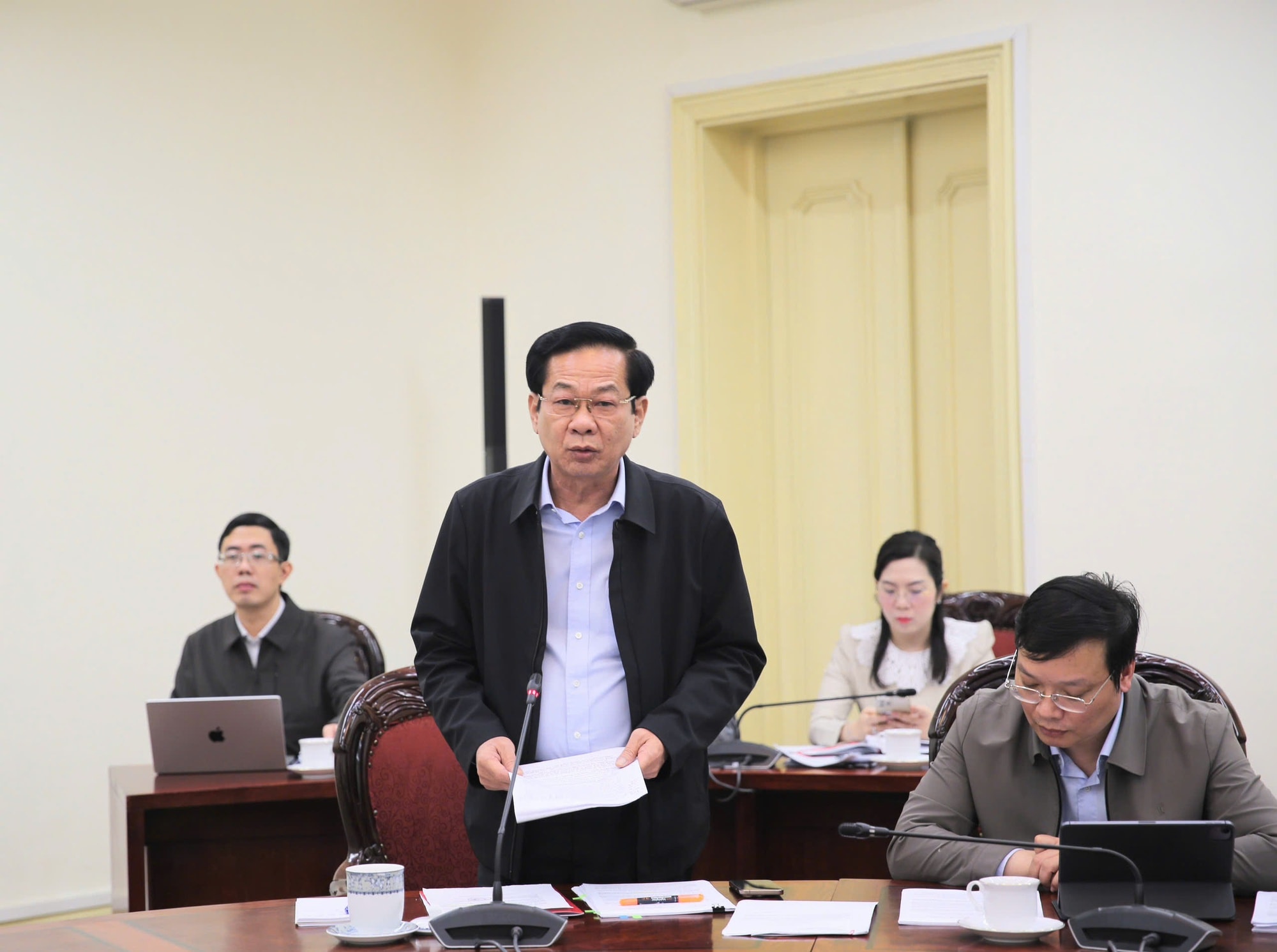
Besides the large volume of institutional work, the Deputy Prime Minister emphasized the important political task for December: preparing for the National Emulation Congress. The Deputy Prime Minister stated that next week he will personally review all preparatory work, approve documentary films, program scripts, and the progress of protocol, publicity, and exhibition work. This is a major event requiring comprehensive, meticulous, and impressive preparation.
Furthermore, the Ministry of Interior must continue to take the lead in resolving obstacles in the two-tiered local government model, regarding decentralization, delegation of power, and delineation of authority.
The Deputy Prime Minister also raised a prominent issue: administrative procedures, not only those for citizens but also internal procedures. He cited the case in Da Nang, where one unit had to verify 7,000 cases just to prove the birthplace of a student, even though the national population database already contained sufficient information. This demonstrates inadequacies in internal processes, causing unnecessary inconvenience and requiring prompt rectification.
"Agencies, units, and organizations are not allowed to arbitrarily issue additional administrative procedures beyond those stipulated," the Deputy Prime Minister emphasized.
In addition, the Deputy Prime Minister also requested the Ministry of Interior to closely coordinate with the Ministry of Education and Training and the Ministry of Health to complete the restructuring of the public education system and commune-level health stations before December 31, 2025, ensuring a streamlined, efficient, and appropriate system in accordance with the Politburo's directives.


