
Vice President JD Vance: Two difficult tests and real-world pressures.
In the latter half of 2025, Vice President JD Vance's political future as the next Republican presidential candidate looked quite promising. However, two notable recent diplomatic setbacks are raising doubts about his actual chances.
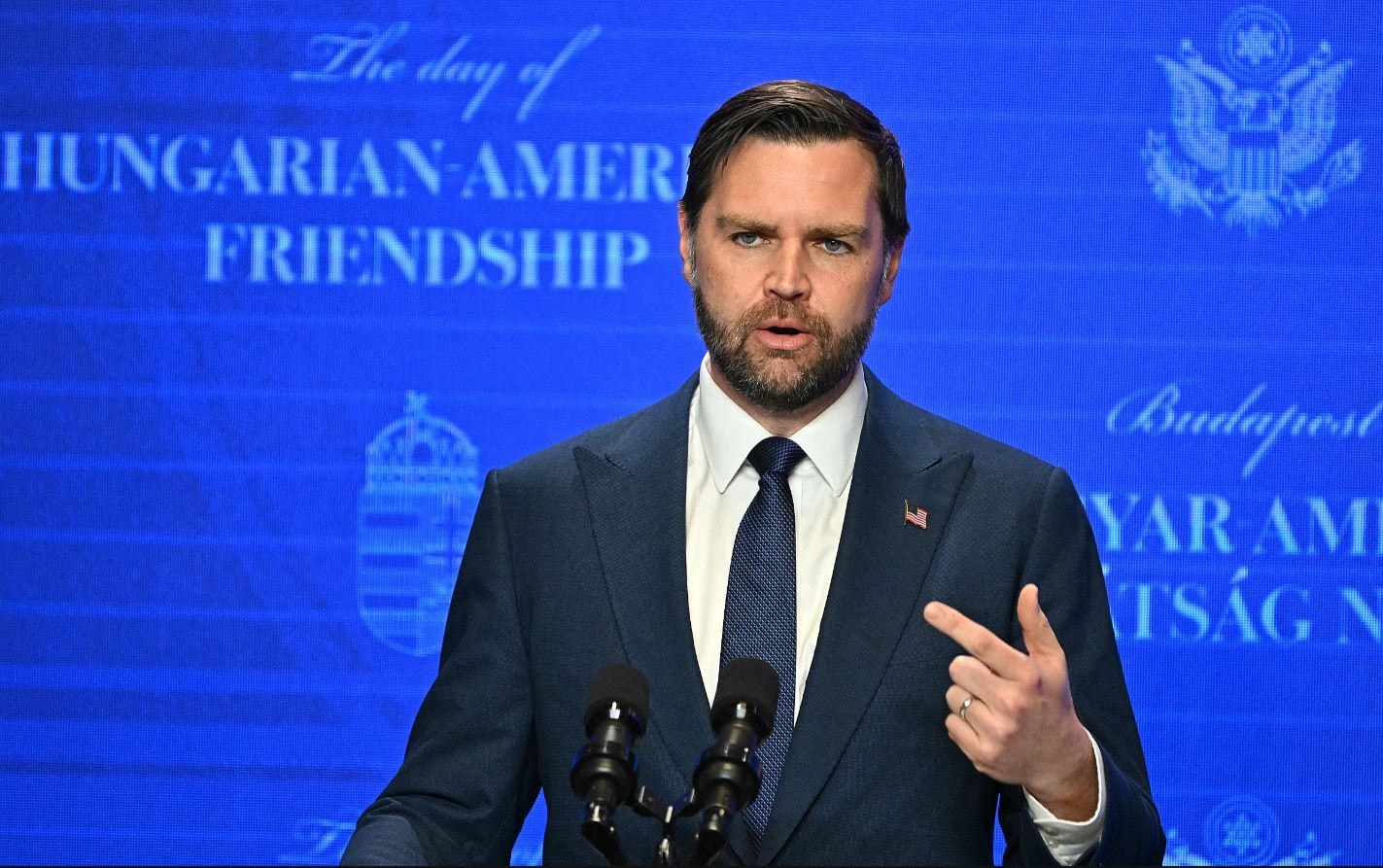
In December 2025, Vice President JD Vance's political prospects appeared to be at their peak. His potential opponent, Secretary of State Marco Rubio, had even signaled that he would not challenge the nomination if Vance decided to run.
But since then, a series of events, and how Mr. Vance handled them, have raised increasing questions about this scenario. Among these, two major "negative points" have drawn significant public attention.
Within just a few days, Mr. Vance traveled to Budapest to support Hungarian Prime Minister Viktor Orbán in the parliamentary elections. He then flew to Pakistan to negotiate a peace deal with Iran. Neither mission yielded the desired results.
Will Orbán's defeat put Vice President JD Vance in a difficult position?
Viktor Orbán's party suffered a defeat in the Hungarian parliamentary elections held on April 12th.
Just before the election, Vice President JD Vance traveled to Budapest to express the Trump administration's support for Orban.
At 41 years old, Vice President JD Vance is known as one of the most outspoken critics of center-right and progressive governments in Europe, and a fervent supporter of right-wing parties on the continent.
Vice President Vance's presence in Budapest is clear evidence of a fundamental shift in U.S. foreign policy under President Donald Trump. Unlike the traditional restraint of previous administrations regarding foreign elections, the Trump administration now openly supports leaders who share similar ideological beliefs and diplomatic priorities. Earlier, in mid-February, U.S. Secretary of State Marco Rubio also visited Budapest to wish his ally Hungary "success."
In an interview on Fox News on the evening of April 13 (Washington time), Vance said that the administration knew it was "very likely" that Orbán would lose. However, he still made the trip because he believed it was "the right thing to do, to stand alongside someone who has supported us for a long time."
Despite the best efforts of the US vice president, the party of his opponent, Peter Magyar, still won an overwhelming majority.
According to CNN, this event serves as a reminder that, no matter how much President Trump supports Vance, Vice President JD Vance himself has never demonstrated strong charisma or persuasive ability to influence voters.
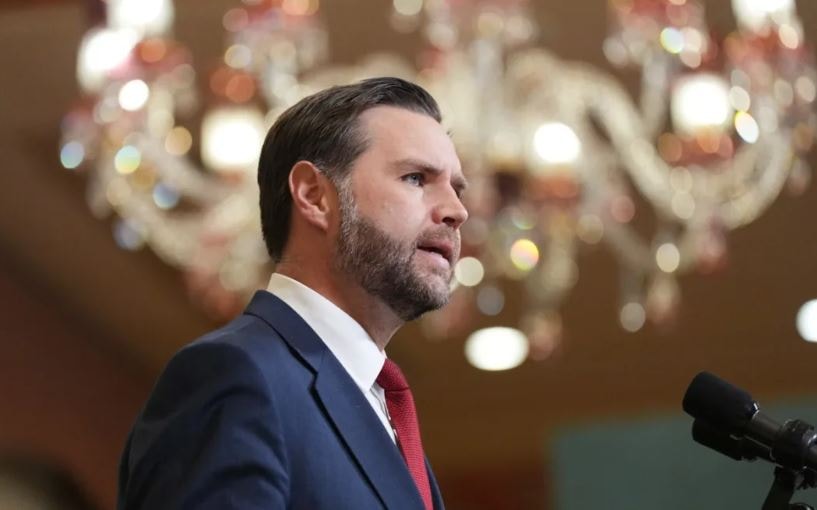
A deadlock has been reached in peace negotiations with Iran.
The second major setback occurred during Vance's visit to Islamabad, Pakistan, to negotiate an end to the war with Iran.
In the preceding days, the US administration had been far more eager to negotiate than Iran. As a result, the two sides couldn't even agree on the terms of the ceasefire, just hours before it was officially scheduled to take effect.
In other words, the two sides appear to be getting nowhere near reaching a lasting peace agreement. The initial results from the talks also reinforce this assessment.
Observers believe that, ultimately, the two sides may find common ground. And it's possible that Mr. Vance will play a crucial role in forging a peace agreement. This would be a testament to the political acumen of the "deputy." However, at present, the war with Iran is becoming an increasingly significant obstacle to Vice President JD Vance's ambitions.
A risky "two-pronged" approach.
After the Vice President painstakingly cultivated an image of a staunch non-interventionist, President Trump has in recent months shifted to a completely different approach. This approach includes not only the conflict with Iran, but also efforts to control Greenland and the military campaign in Venezuela.
Vance's response to this situation was to try to please both sides.
According to CNN, numerous leaks from the administration suggest that Vance did not fully support the war. He also appeared extremely cautious in his public statements. Nevertheless, he expressed confidence in President Trump's judgment. Initially opposed to the war, he later stated that if the decision to act was made, the United States should attack Iran forcefully.
This appears to be a calculated strategy to avoid offending anyone, but the consequence is that it only satisfies a very limited group of people.
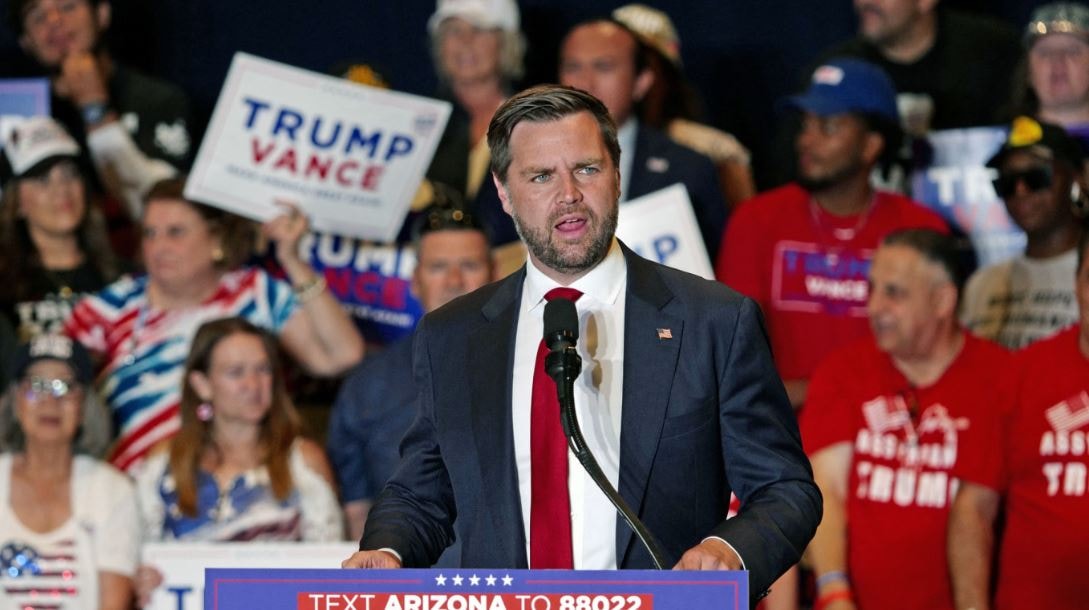
Vice President JD Vance's position within the party is becoming increasingly precarious.
In an interview with Fox News on April 13, US Vice President JD Vance declared that the US had achieved its objectives in the attack on Iran and that the operation could be over.
"I think we've achieved our goals. We can begin to scale back operations. I want us to scale back through extensive and successful negotiations," said Mr. Vance.
However, if the war in Iran backfires politically for the Republican Party, could Vance convince voters by arguing that he opposed it politely and discreetly? Conversely, if the war remains supported by the Republican Party, then Vance's foreign policy stance was already lacking in political appeal in the first place.
Moreover, he now bears some practical responsibility for the outcome of a war fraught with risks and uncertainties.
"So, if the peace deal doesn't work out, I'll blame JD Vance," Trump recently joked, eliciting much laughter. "But if it does work out, I'll take all the credit."
It was a joke, but it very likely contained a deeper message.
According to CNN, as Trump increasingly delves into this militaristic foreign policy, there is a risk that the Republican Party will favor a candidate with a more similar agenda in the future. This perspective is exemplified by the case of U.S. Secretary of State Marco Rubio, who holds a more hardline stance, and who has gained a significant advantage in polls at the Conservative Political Action Conference (CPAC). In just the past two weeks, Rubio's approval rating has surged from 3% (in 2025) to 35% this year.
Mr. Vance still won this poll. The worrying thing is that Mr. Vance's approval rating dropped from 61% to 53%, significantly narrowing his lead.
The political allure of the vice presidency is undeniable. It's the first name that comes to mind when voters think about a successor. But that also means vice presidents sometimes face significant challenges. They also have to take responsibility for failures, and for the entire presidential term.


