
Preventing scam calls: These things you need to do immediately.
Scamming calls are becoming increasingly sophisticated, catching many people off guard and causing significant financial losses. To protect themselves, users need to understand basic preventative measures and apply them immediately before it's too late.
Phone scams are now everywhere, ranging from calls impersonating government agencies and banks to scams involving impersonating relatives and friends.
The worrying aspect is that the tactics are becoming increasingly sophisticated; criminals are using technology to hide phone numbers, impersonating official call centers, and even combining personal data collected from social media to create a more convincing impression.
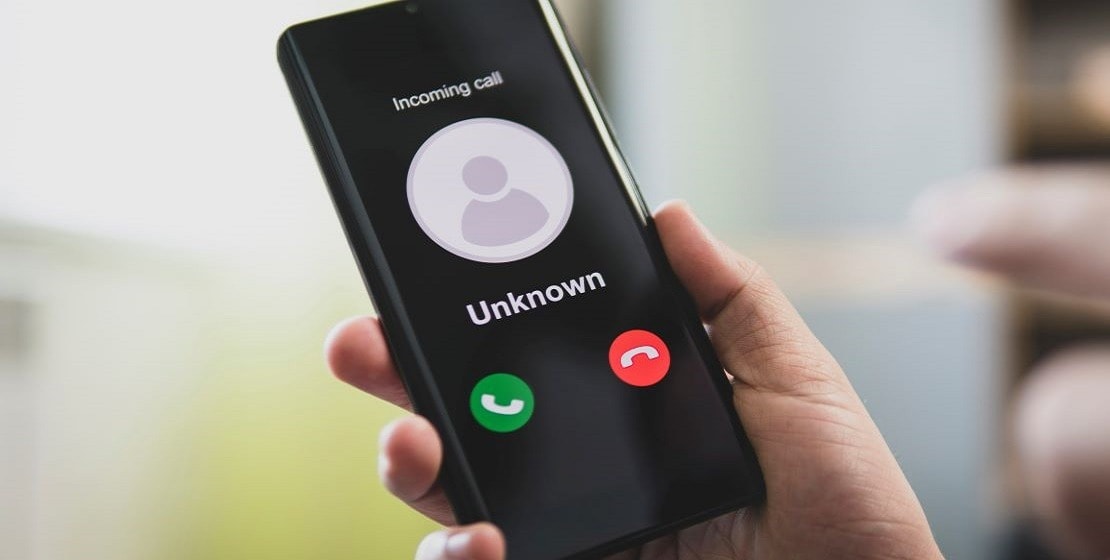
Many victims have lost money, had sensitive information stolen, or been left in a state of panic due to phone threats. This is an alarming issue that requires everyone to be more vigilant and equip themselves with knowledge to prevent it.
1. Use the TrueCaller app to identify and block spam calls.
One simple yet highly effective solution for combating phone scams is to use apps that identify and block spam calls, such as Truecaller.
These apps operate on a massive database, constantly updating phone numbers reported by users as spam, marketing, or scams. When an unknown number calls, Truecaller automatically compares it to this database and sends an immediate alert, such as "Possible scam" or "Telemarketing."
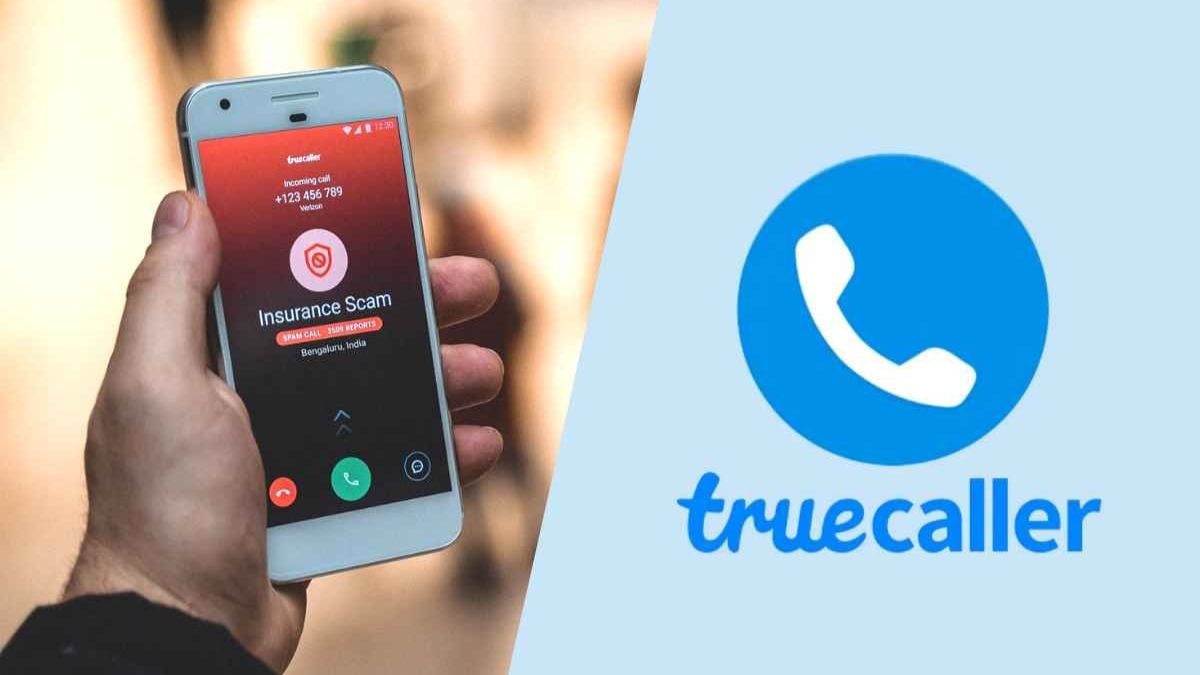
Thanks to this, users can easily avoid wasting time listening to annoying calls, while also reducing the risk of falling into scams. A major plus of Truecaller is its user-friendliness and ease of use; blocking or reporting calls only requires a few simple steps. Although not absolutely perfect, its low miss rate makes this application a reliable tool in protecting users from spam calls.
2. Use the "Do Not Disturb" mode on your phone.
One effective way to avoid being bothered by spam calls is to utilize the "Do Not Disturb" (DND) feature on your phone. When activated, this mode automatically mutes all calls, messages, and notifications, except for important contacts that are saved in your address book or have been starred.
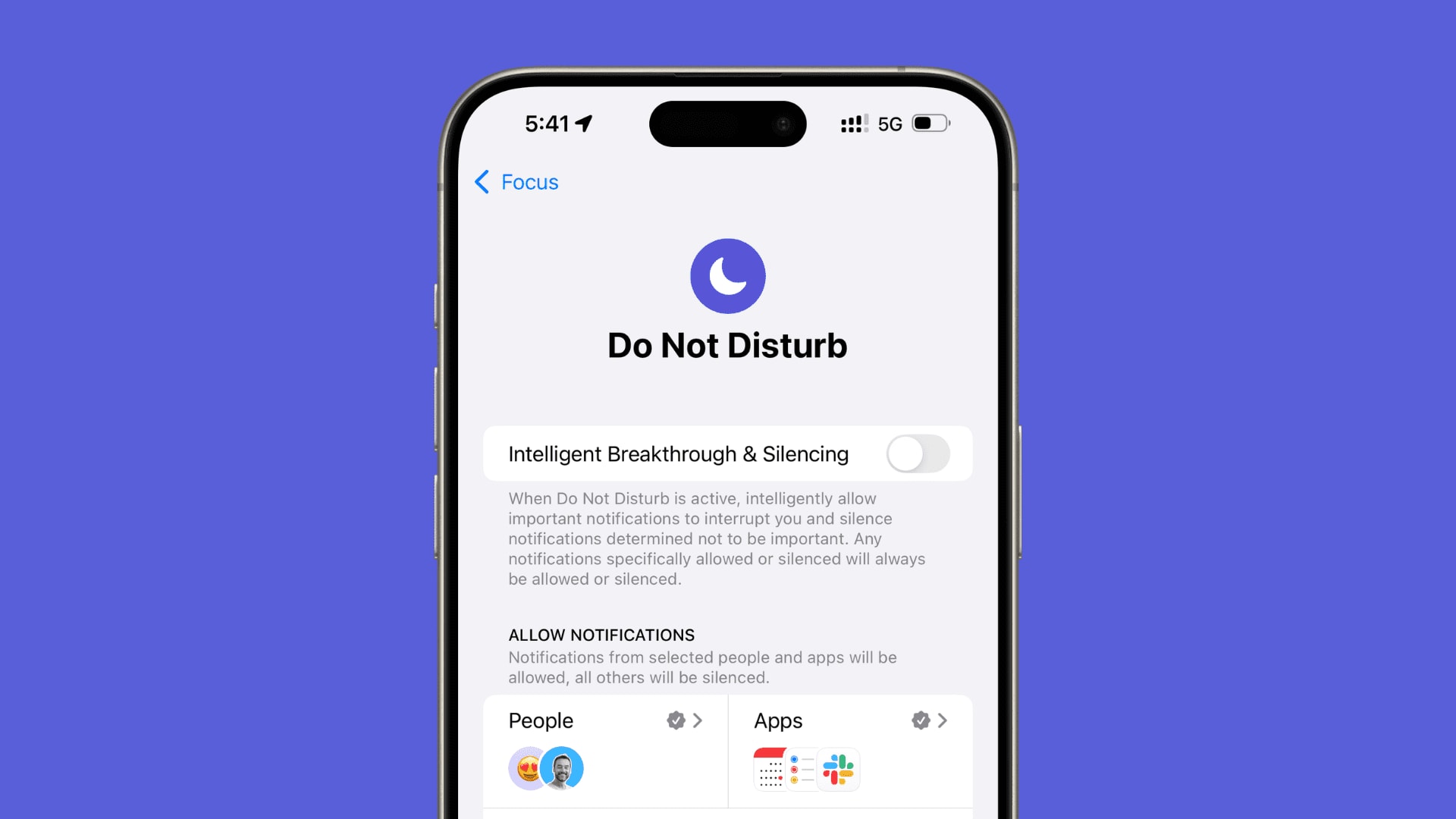
This is the ideal solution for times when you need absolute quiet, such as during meetings, resting, sleeping, or concentrating on work. Both iOS and Android users can customize DND mode to their needs, such as allowing calls from a favorites list or making exceptions for repeated calls in emergencies.
However, it's important to note that you should temporarily turn off DND when you're waiting for a call from an unknown number, such as a delivery service or a new contact, so you don't miss any necessary information.
3. Use quick reply messages to filter calls.
When you're unsure about the reliability of a call but don't want to miss important information, a useful solution is to utilize quick reply messages to filter callers.
Most modern smartphones support sending pre-written or custom messages directly from the call screen, such as: "Sorry, I can't speak right now." This is a simple but quite effective way to check the validity of a call without answering it directly.
If the caller responds with vague or suspicious information, it's more likely a scam call. Conversely, if they provide specific details such as "This is Dr. X's clinic calling to confirm an appointment," you can feel more confident calling back.
However, this method is not perfect, because some legitimate callers, especially the elderly or businesses using landline phones, may not respond to messages, leading to the risk of missing important calls.
4. Pretend to be a cybersecurity employee.
One rather interesting tactic many people use to deal with suspicious calls is to pretend to be a cybersecurity employee. When almost certain they are facing a spam or scam call, instead of hanging up immediately, some people choose to respond in a cheerful but firm tone, for example: "Hello, this is A from the Cybersecurity Department, how can I assist you?"
This approach is both humorous and effective in disrupting the scammer's pre-planned "script." In many cases, legitimate callers such as friends, colleagues, or businesses will laugh and quickly reveal their identity, while the scammer usually hangs up immediately to avoid being exposed.
However, using this tactic also requires caution. Cybersecurity experts advise against impersonating official law enforcement agencies or security organizations, as this may violate the law in some countries and lead to unnecessary legal trouble.
To stay safe, users should only use vague, fictional names like "Cybersecurity Department" or "Security Division" to create a mild deterrent effect, but still enough to make malicious actors wary.
While not a foolproof solution, this method has significantly reduced the number of spam calls received by many people, saving them time and preventing them from falling victim to scams. It also serves as a reminder that sometimes a little creativity and humor can be an effective weapon for self-protection in the digital age.


