
Naval blockade of Hormuz: US or Iran, who will back down first?
The U.S. naval blockade is strangling Iran's main economic lifelines. Tehran is facing an oil stockpile crisis, while its people grapple with soaring prices and high unemployment rates.
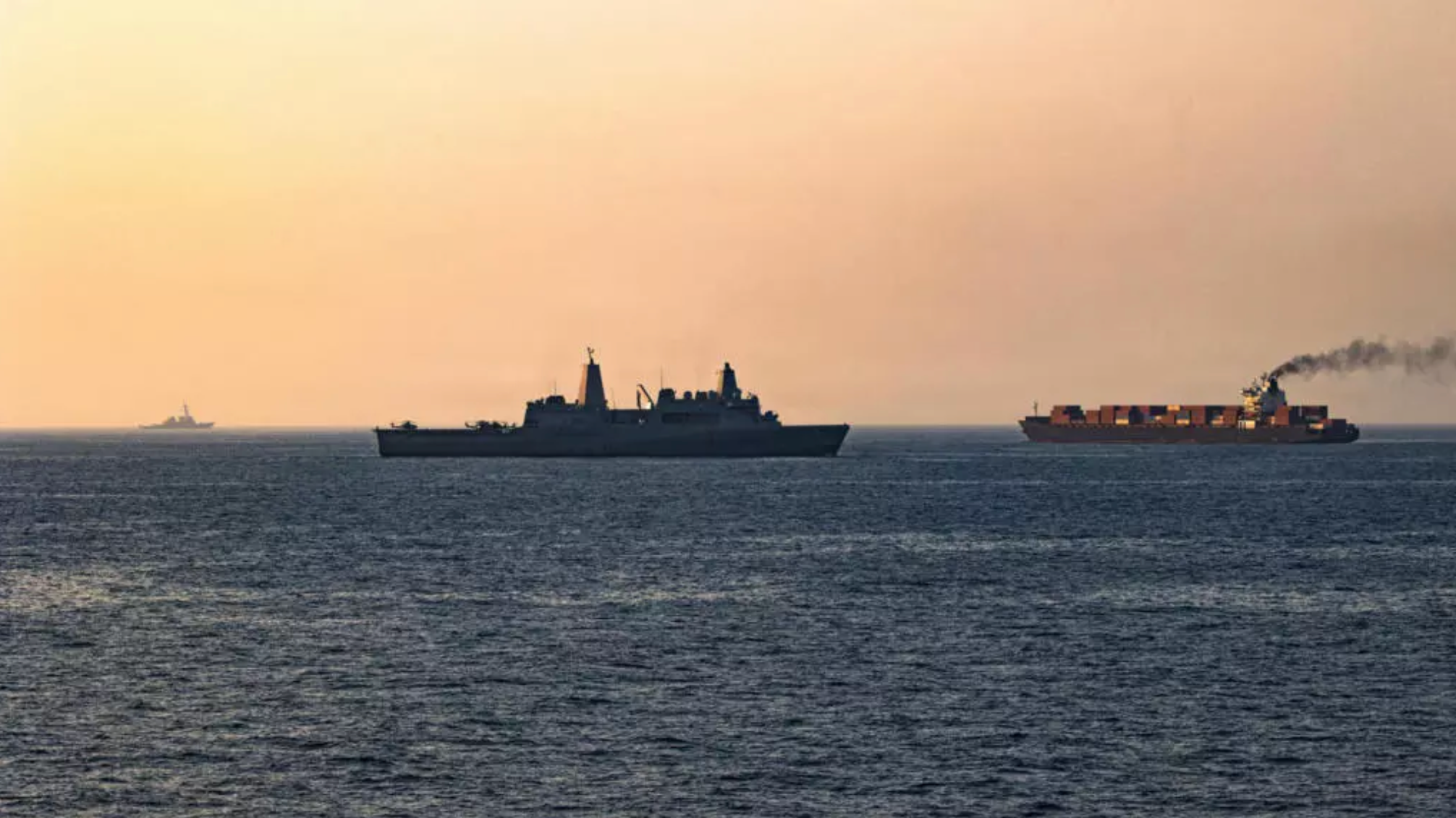
According to CNN, while Washington is putting pressure on Iran with a naval blockade, it must be prepared to maintain this blockade for many more months. This is because the Iranian economy has long been a system that has spent years adapting to the pressure and harsh sanctions from the US.
Despite the losses they are suffering, Iranian leaders understand that President Trump is also under immense pressure. The American leader is facing a growing wave of anti-war sentiment at home, along with crucial midterm elections approaching. Tehran has likely calculated that Trump will be the first to back down.
The shock from the naval blockade and economic pressure.
Esfandyar Batmanghelidj, CEO of the research organization Borse and Bazaar, told CNN: "Iran faced a maximum pressure campaign during Trump's first term and was forced to cut its oil production in half."
According to Batmanghelidj, if the blockade lasts for months, it will certainly have a strong impact on Iran's economic prospects. But the country expects that even the US will not be able to withstand that pressure for too long.
Beginning with the blockade of Iranian ports more than 10 days ago, this campaign has now expanded globally. Every ship linked to Iran faces close surveillance by the US Navy throughout its journey.
Oil export deadlock
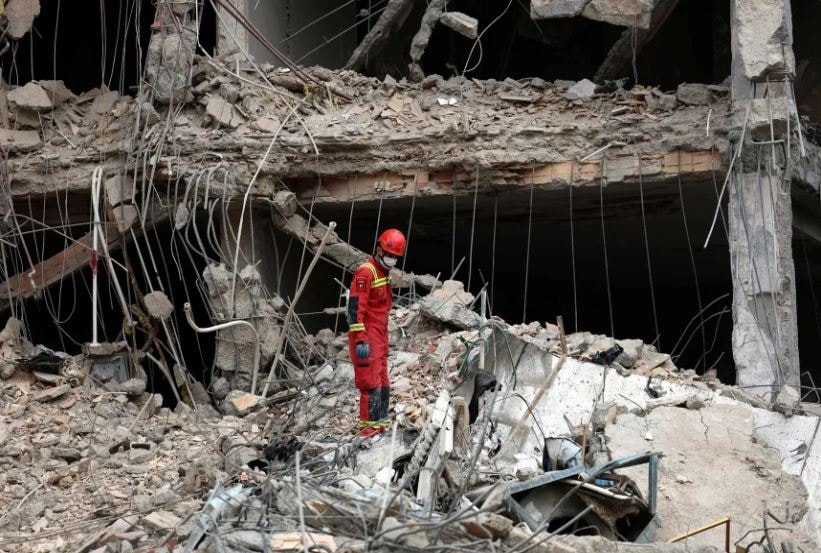
One of the core consequences of the naval blockade is that it has deprived Iran of the ability to export its main commodity. Without the ability to transport millions of barrels of oil produced daily, the country may be forced to cut production. Exports of crude oil and petroleum products are a primary source of foreign exchange for Iran.
According to Batmanghelidj, Iran can maintain its current oil production for another two to three months before storage becomes "a major concern".
According to maritime analytics firm Kpler, Iran still has ample onshore oil storage capacity. With nearly 30 million barrels remaining, the country is still weeks away from reaching its limit. They could even extend storage capacity if they find other ways to release their stockpiled oil.
One solution Iran is considering is using decommissioned crude oil tankers. According to Tankertrackers, a maritime intelligence company that tracks crude oil shipments, a 30-year-old large oil tanker named NASHA has been observed heading toward oil storage terminals on Kharg Island. This vessel could be used to unload oil and function as a floating storage facility.
The "no one goes in, no one comes out" strategy.
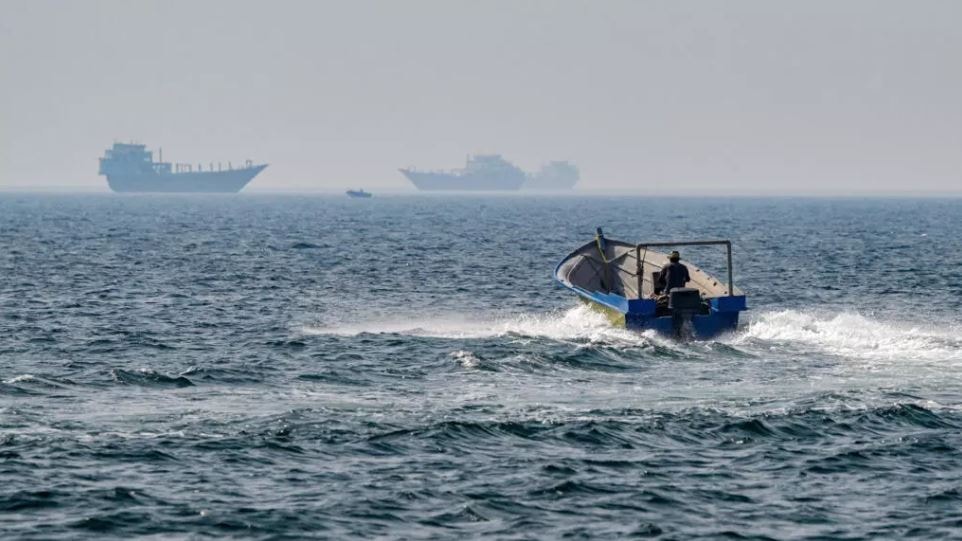
For much of the conflict, the key objective for the U.S. was to reopen the vital Strait of Hormuz. However, when Iranian negotiators failed to reach an agreement with their U.S. counterparts this month, President Donald Trump shifted tactics. He launched a naval blockade that Defense Secretary Pete Hegseth described as "rock hard," stretching from the Gulf of Oman out into "the open oceans."
"For the Tehran authorities, the blockade is tightening by the hour. We are in control. No one is getting in or out," Minister Hegseth stated at a press conference on April 17.
This move by the US is in response to Tehran's decision to blockade the Strait of Hormuz. Iran has imposed an unofficial fee on ships passing through this crucial maritime choke point.
Sultan Al Jaber, CEO of the state-owned oil giant ADNOC (Abu Dhabi), shared on the X platform: "This strait cannot operate under threat. Hormuz belongs to the world. It must be returned to the world. Exactly as it was meant to be."
Global supply chain disruptions
Southern Iran forms the backbone of its trade and economic base, handling the majority of its oil exports through its ports. While it has land borders, nothing can compare to the advantages of its southern coastline.
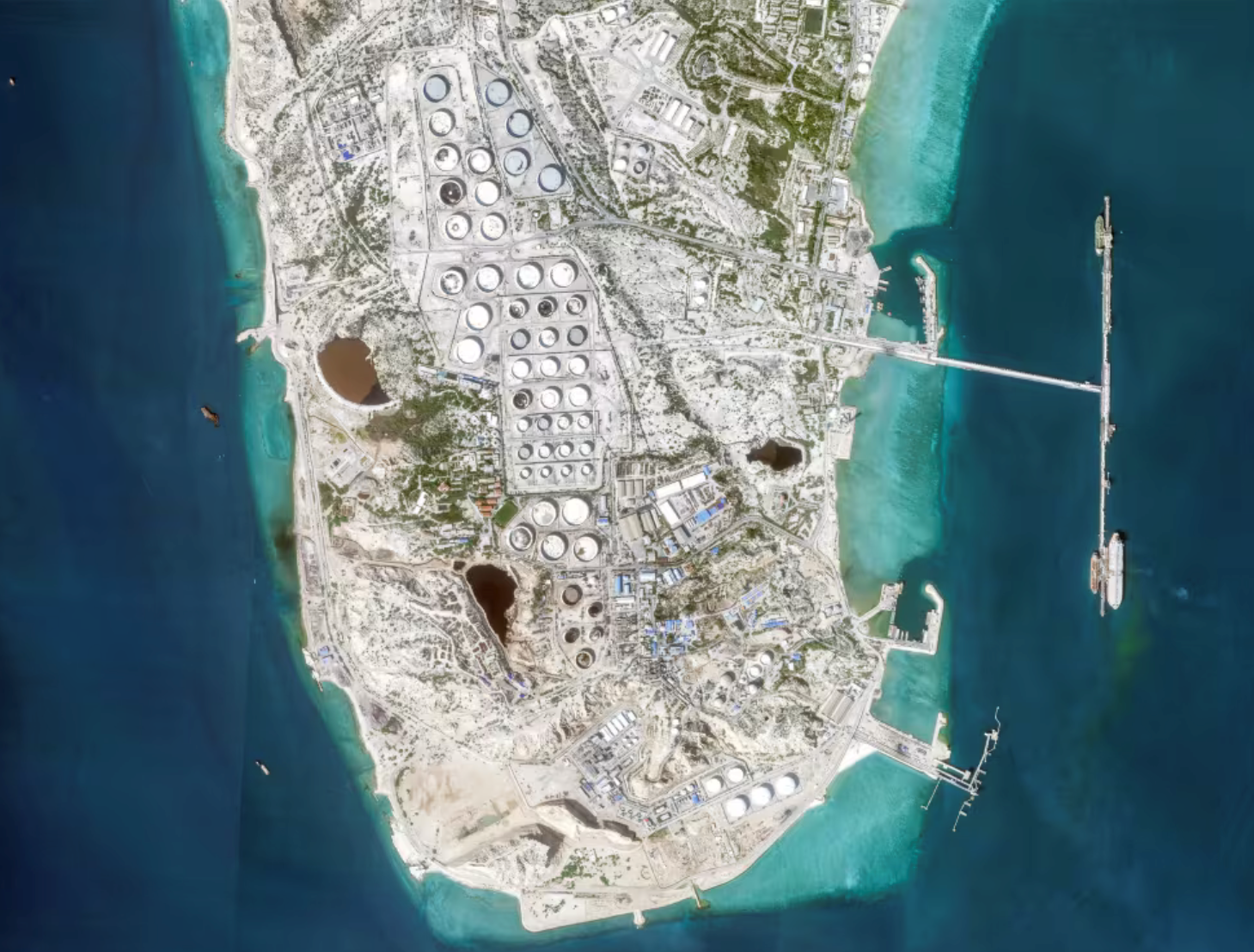
Kharg Island alone exports about 90% of Iran's crude oil. Other locations along the coast also provide Iran with numerous options for transporting oil beyond the Strait of Hormuz. The ongoing US naval blockade severely restricts these southern ports.
The conflict with Iran also threatens global supplies of aluminum, plastics, and rubber. The Middle East supplies about 25% of the world's polypropylene and 20% of its polyethylene, two of the most widely used plastics. The region also accounts for a quarter of the world's sulfur and 15% of its fertilizers.
Ships arriving at or departing from Iranian ports were forced to turn back. Hegseth noted that 34 ships had been intercepted in the region, along with two other Iranian-linked vessels seized in the Indo-Pacific.
The U.S. emphasized that it would not back down. "The naval blockade will last for however long it takes, depending on President Trump's decision," Hegseth asserted.
Iran's reaction to pressure
If Iran is forced to switch to alternative import routes such as its land border or the Caspian Sea in the north, this could push prices of goods, which are already escalating, even higher.
According to Iranian state media, citing Deputy Labor Minister Gholamhossein Mohammadi, one million jobs have vanished in the country, and the livelihoods of another two million have been affected by the war. In addition, 130,000 more workers lost their jobs after their factories were targeted by airstrikes.
The Iranian government continues to assert that there are no shortages of goods. Despite "pressure, sanctions, and maritime restrictions," the country's food supply chain remains functioning normally, with 85% of agricultural products and basic goods being produced domestically.
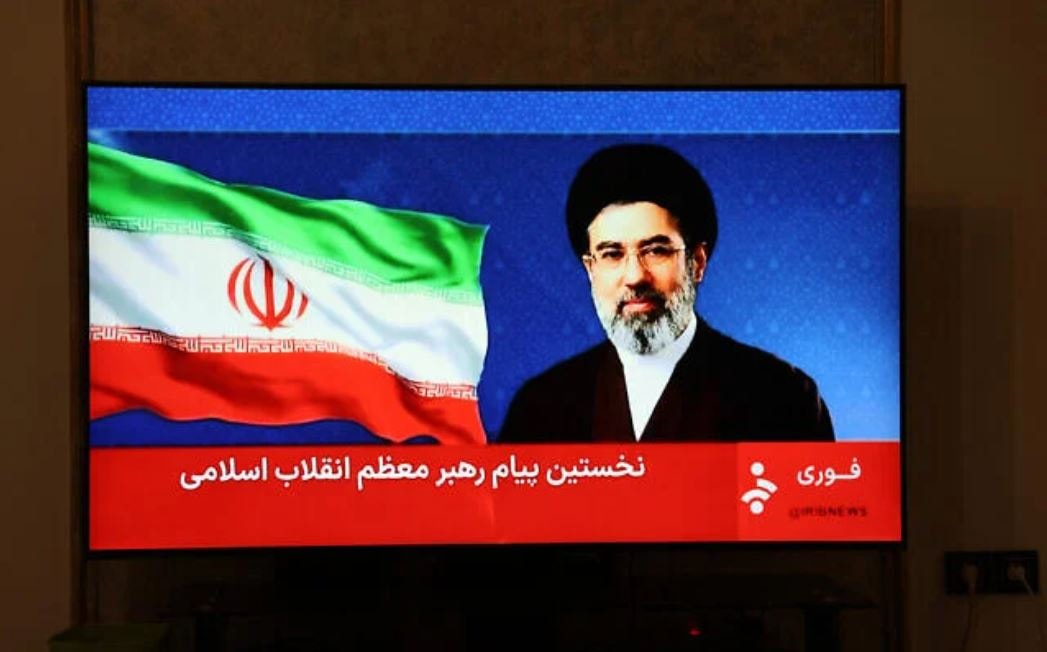
Iran's new Supreme Leader, Mojtaba Khamenei – who has not appeared publicly since his appointment – issued a written statement. He called on the people to "show mutual understanding so that the pressure from shortages is eased on all levels of society."
Meanwhile, Iranian President Masoud Pezeshkian, in a conversation with Pakistani Prime Minister Shehbaz Sharif on April 25, said that Tehran would not participate in peace talks under pressure, threats, or a blockade of the Strait of Hormuz. The Iranian president also urged the US to remove any obstacles to resuming dialogue, including lifting the blockade of the Strait of Hormuz.


