
Allowances for commune-level officials and civil servants will be increased by 55%.
Deputy Prime Minister Pham Thi Thanh Tra stated that the Central Committee has decided to increase the allowance for commune-level officials and civil servants from 25% to 55%, an increase of 30%.
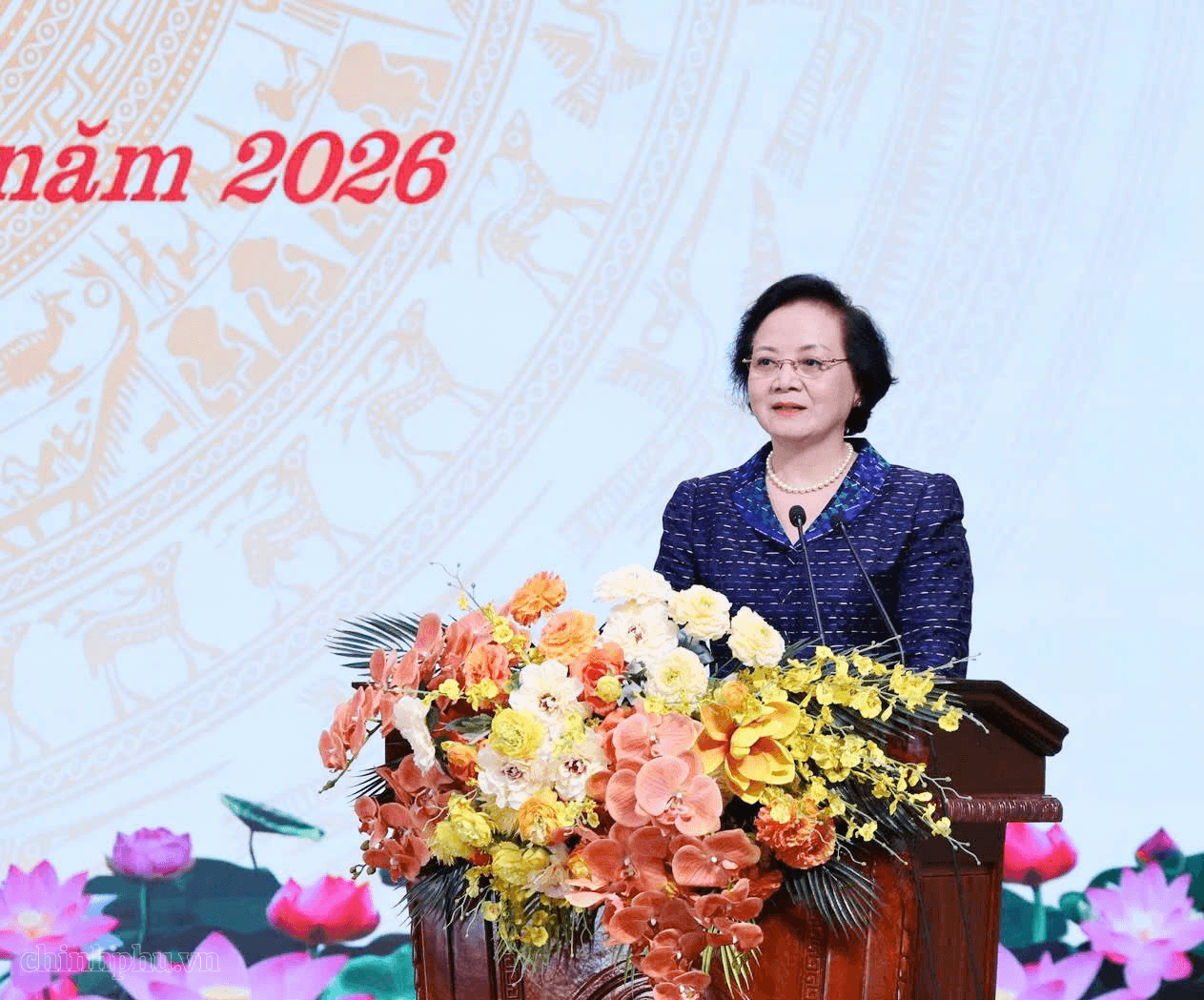
On the morning of September 30th, in Mau A commune, Deputy Prime Minister Pham Thi Thanh Tra, along with National Assembly representatives from Lao Cai province, met with voters from four communes: Mau A, Dong Cuong, Tan Hop, and Xuan Ai. The meeting was held in person, connecting online to 47 locations in communes and wards in the southern part of the province.
One of the issues of concern to voters is the salary and allowance policy for commune-level officials and civil servants after the implementation of the two-tiered local government model.
Voters have requested the early completion of policies on salaries and allowances that are appropriate to the workload, job position, level of dual responsibilities, and the specific characteristics of the vast mountainous region.
In a discussion with voters, Deputy Prime Minister Pham Thi Thanh Tra stated that, following a one-year review of the implementation of the two-tiered local government model, the Central Committee decided to increase the allowance for commune-level officials and civil servants from 25% to 55%, an increase of 30%.
According to the Deputy Prime Minister, the procedures for finalizing the policy are underway. Commune-level officials and civil servants will receive the new allowance from July 1st and it will remain in effect until the salary policy reform is implemented.
This is a policy prioritized by the central government for the commune level, stemming from the practical requirements of the two-tiered local government model, in which the commune level is where many tasks are directly carried out, issues are resolved, and services are provided to the people.
The increase in allowances is a specific policy aimed at creating more motivation and enhancing responsibility in performing public duties within the new organizational model. The adjustment of allowances is linked to the requirement of continuing to build a team of grassroots officials who can better meet the requirements of governance and serving the people in the two-tiered local government model.
However, according to the Deputy Prime Minister, this is only a part of the overall policy regarding the team of officials and civil servants.
To address the issue comprehensively, the Government is currently focusing on developing a reform plan for wage and social insurance policies, to be submitted to the Central Committee at the 5th Plenum of the 14th Party Congress. Once the wage policy is implemented comprehensively, related regulations and policies will be considered within the overall framework.
Along with the allowance policy for commune-level officials and civil servants, specific allowance policies for teachers, medical staff, school support staff, artists, police officers, and military personnel are also being implemented according to relevant decrees.
Another suggestion from voters in Lao Cai is to promptly issue unified guidelines on job positions and allowances for Chairpersons of the Elderly Association at the commune level after the administrative unit reorganization.
Regarding this matter, the Deputy Prime Minister stated that the Government will continue to direct the Ministry of Interior to urgently coordinate with the Vietnam Fatherland Front and relevant agencies to amend and supplement Decree No. 126/2024 regulating the organization, operation, and management of associations, including provisions related to associations assigned tasks by the Party and the State.
"The government will also clarify this issue further and will coordinate with the Vietnam Fatherland Front and the Association of Elderly People to study and calculate how to ensure allowances for the Association of Elderly People at the commune level," the Deputy Prime Minister said.


