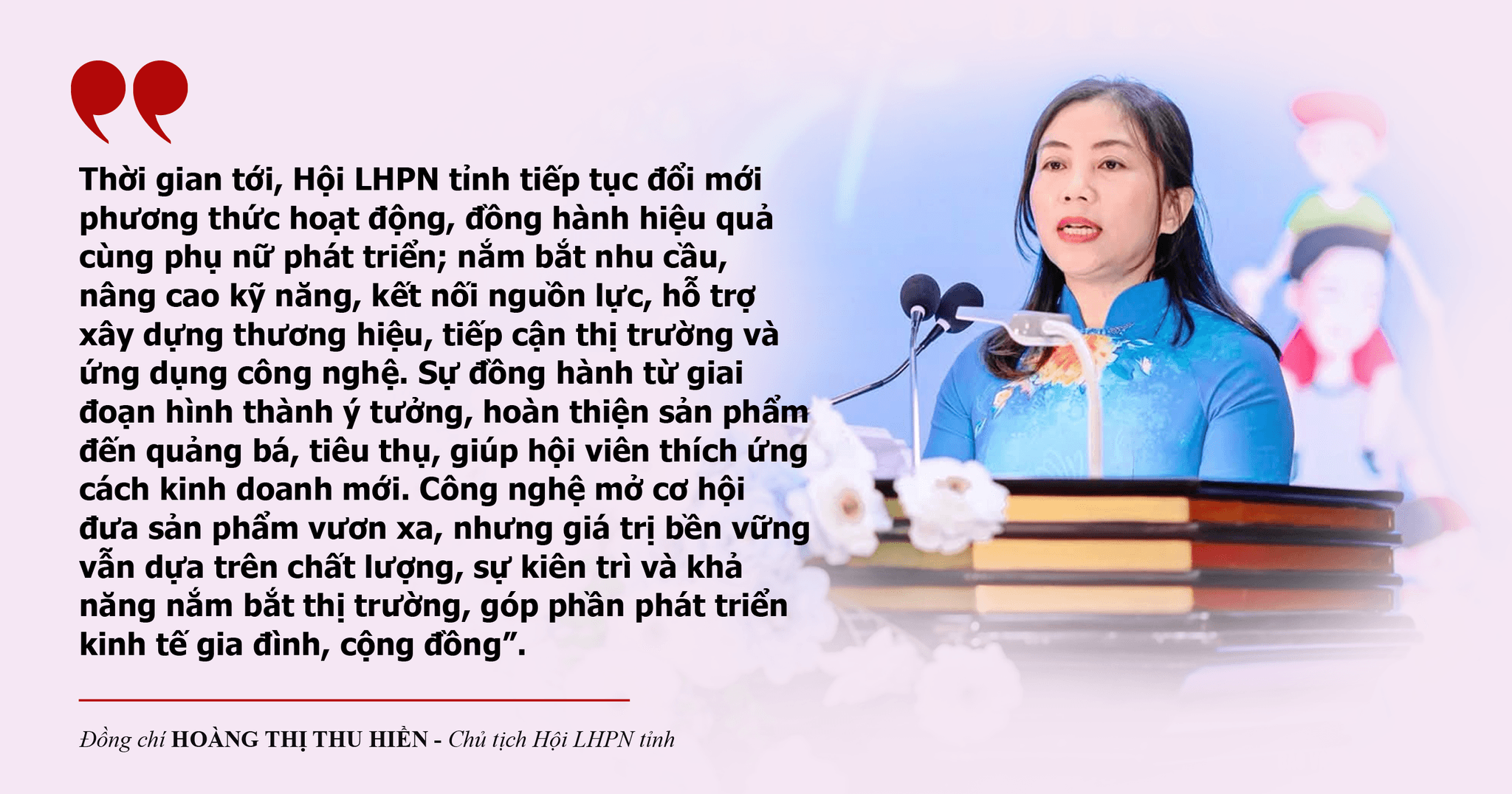
Women in Nghe An in the new rhythm of life.
From preserving family traditions through generations to starting businesses, applying technology, and developing green production, women in Nghe An are proactively creating change in their lives. They cultivate family happiness, expand livelihoods, and contribute to the community with the support of the Women's Union.
Thanh Phuc/Present: Hong Toai •20/10/2026
*****
From preserving family traditions through generations to starting businesses, applying technology, and developing green production, women in Nghe An are proactively creating change in their lives. They cultivate family happiness, expand livelihoods, and contribute to the community with the support of the Women's Union.
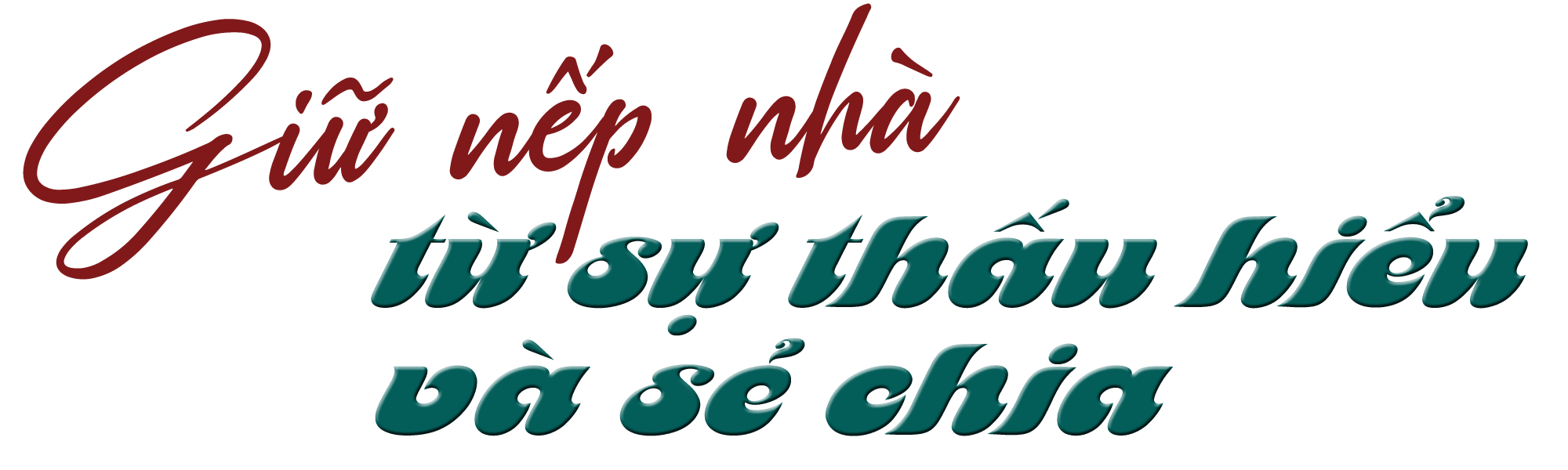
In the home of Ms. Huynh Thi Hoa's family in Dong Phong hamlet, Van An commune, four generations live together. Eight members, from the elderly grandmother to Ms. Hoa and her husband, their sons, daughters-in-law, and grandchildren, each with their own work and rhythm of life. Despite the age differences, what keeps them close is their care, respect, and a sense of setting a good example for their children and grandchildren.
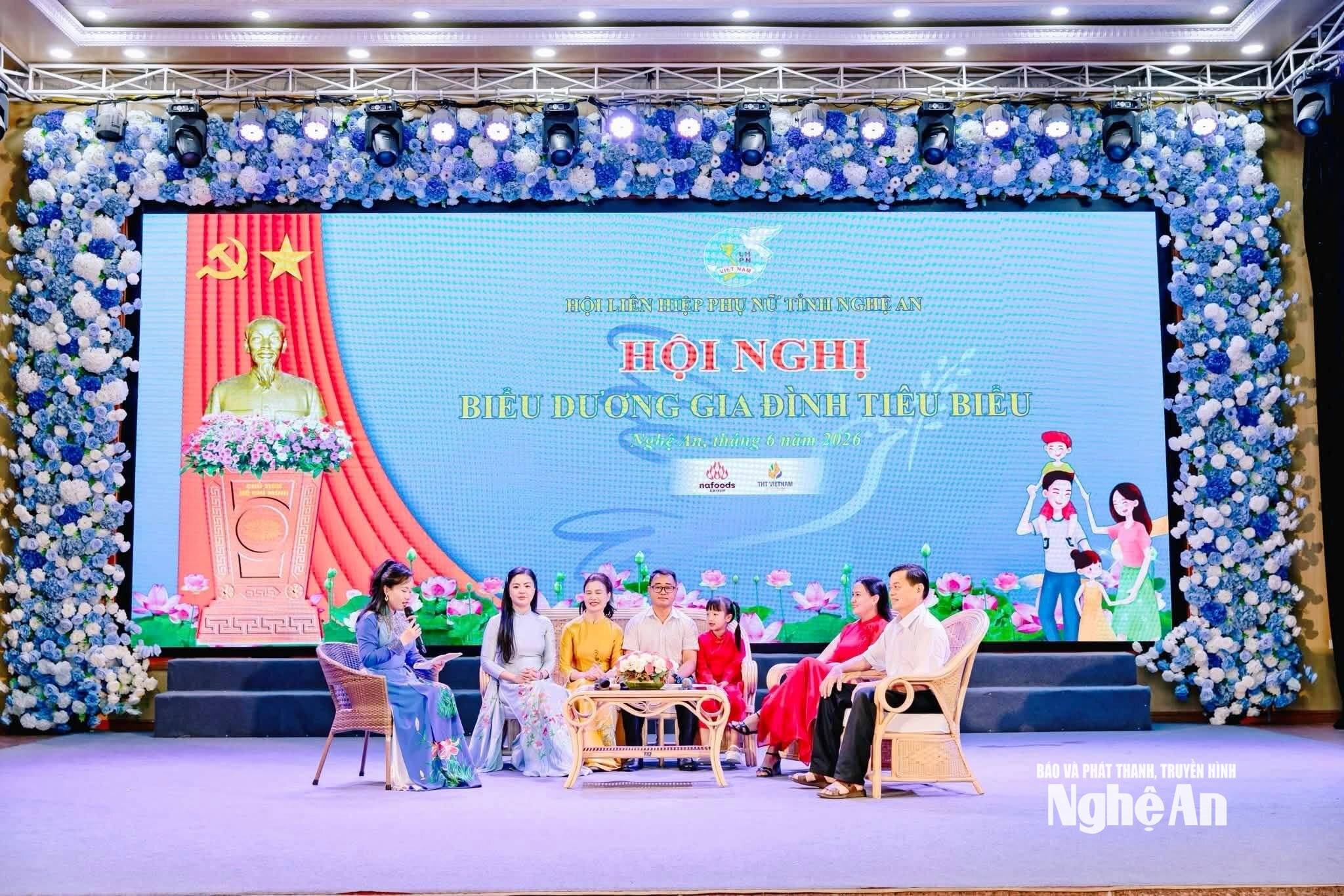
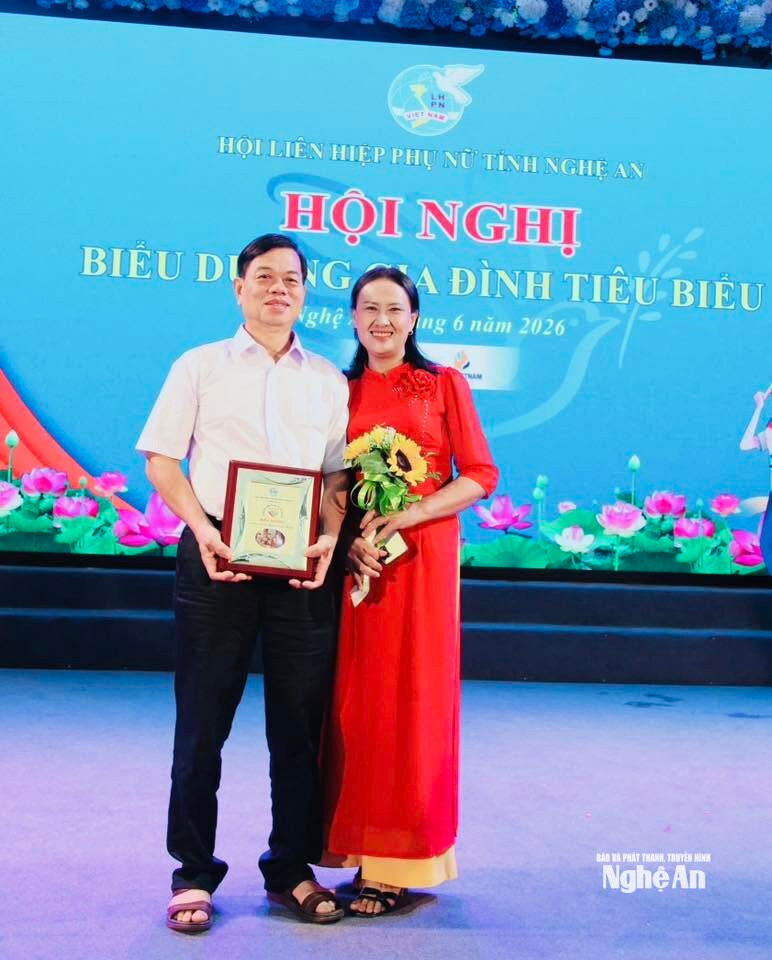
Ms. Hoa's family is financially well-off, with stable jobs and close relationships among its members. She and her husband engage in both agricultural production and carpentry; their workshop provides vocational training for young people and currently employs about 5-6 local workers. For Ms. Hoa, caring for her family is also linked to community responsibility, demonstrated through her interactions with neighbors and her exemplary conduct in the local community.
When discussing how to maintain family values, Ms. Hoa begins with how family members treat each other daily: "In the family, husband and wife are harmonious; parents are always respectful, polite, and grateful; husbands are sharing, respectful, and loving; and children and grandchildren are loving, caring, and encouraging." According to her, the older generation must live in a way that their children and grandchildren can look up to, learn from, and emulate.
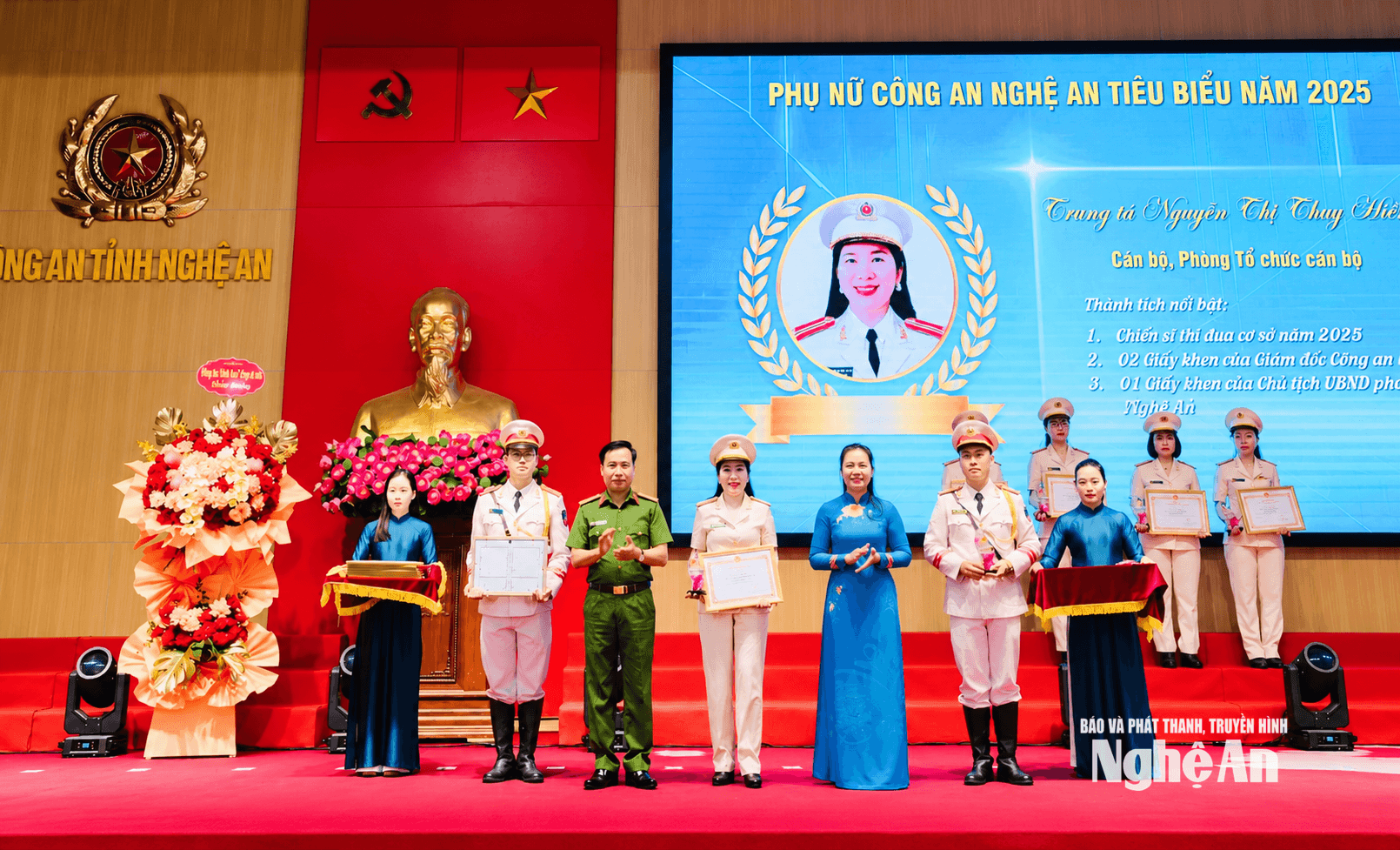
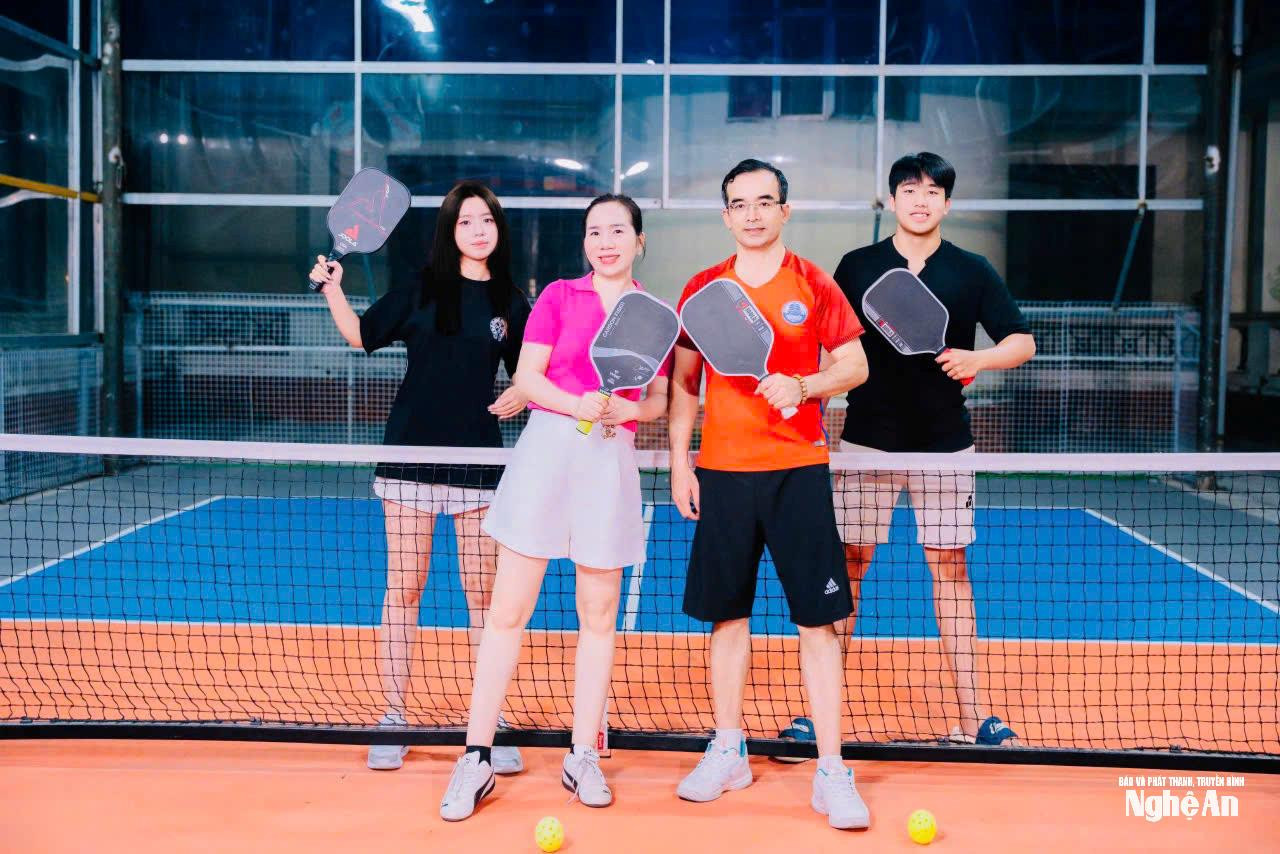
While Ms. Hoa's family preserves their traditions through behavioral norms passed down through four generations, Ms. Nguyen Thi Thuy Huong's family (born in 1982, residing in Block 12, Ha Huy Tap Street, Vinh Phu Ward) fosters strong bonds by proactively dedicating time to listening and supporting each other. Three generations live together under one roof; Ms. Huong and her husband have two children, one attending university and the other at Phan Boi Chau Specialized High School. For Ms. Huong, the value of a multi-generational family lies not only in togetherness but also in the opportunity for members to learn, share, and support each other.
Ms. Huong's family has gone through periods of great pressure: two young children, elderly grandparents, a husband who frequently travels for work, and Ms. Huong working dozens of kilometers away from home. When the children were sick, work stress and a series of unforeseen events made caring for the family difficult. Love and unity helped the family overcome these challenges. For her, maintaining a happy home isn't about avoiding all storms, but about each person being willing to share responsibility and become a pillar of support for one another during difficult times.
Ms. Huong and her husband prioritize companionship over authoritarianism in raising their children, always listening, setting a good example, encouraging independence, and respecting differences. To maintain the bond between generations, family members have established "family rules," maintaining shared meals, conversations, and activities. "We always believe that happiness is not a destination, but a journey we take together each day," she shared.
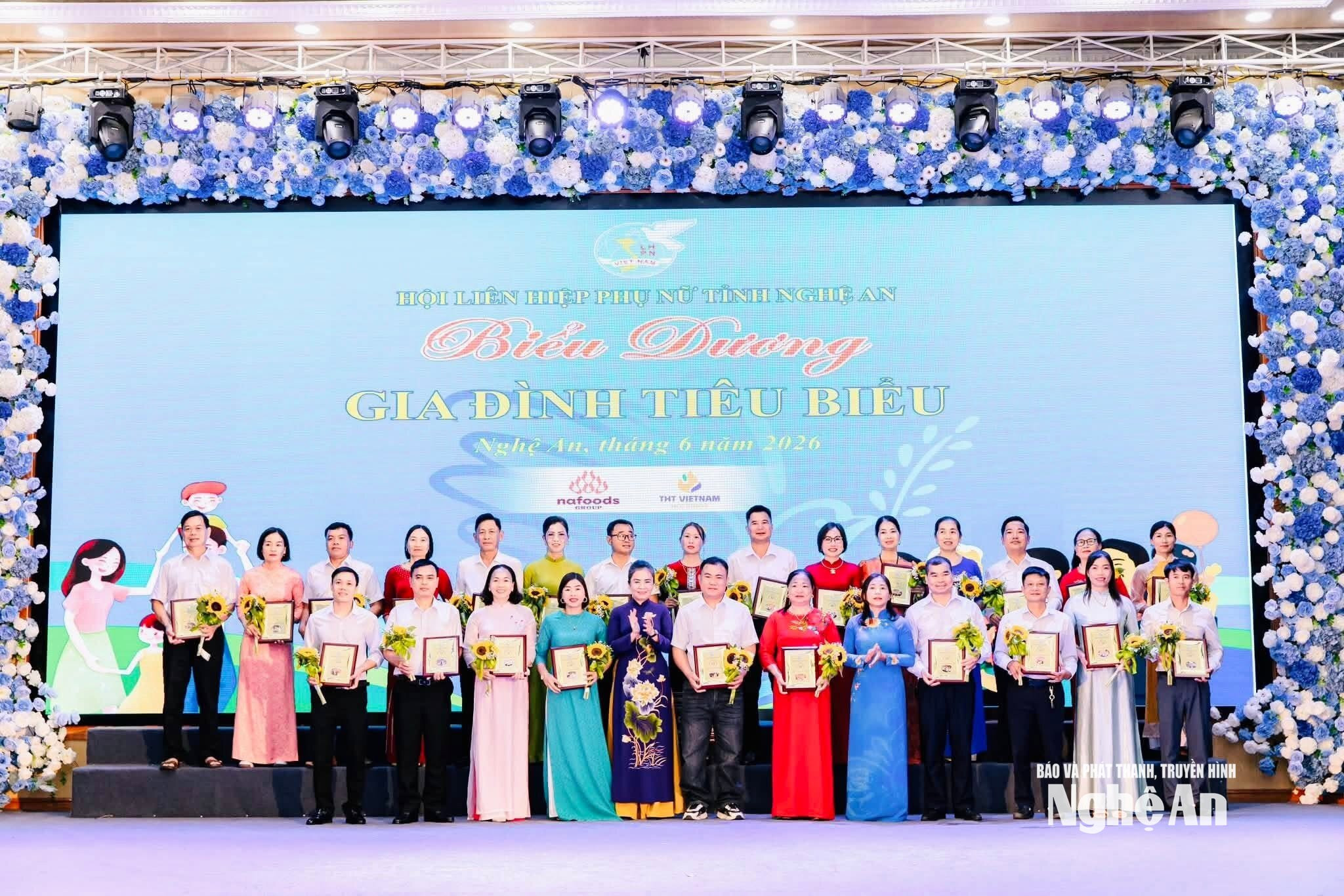
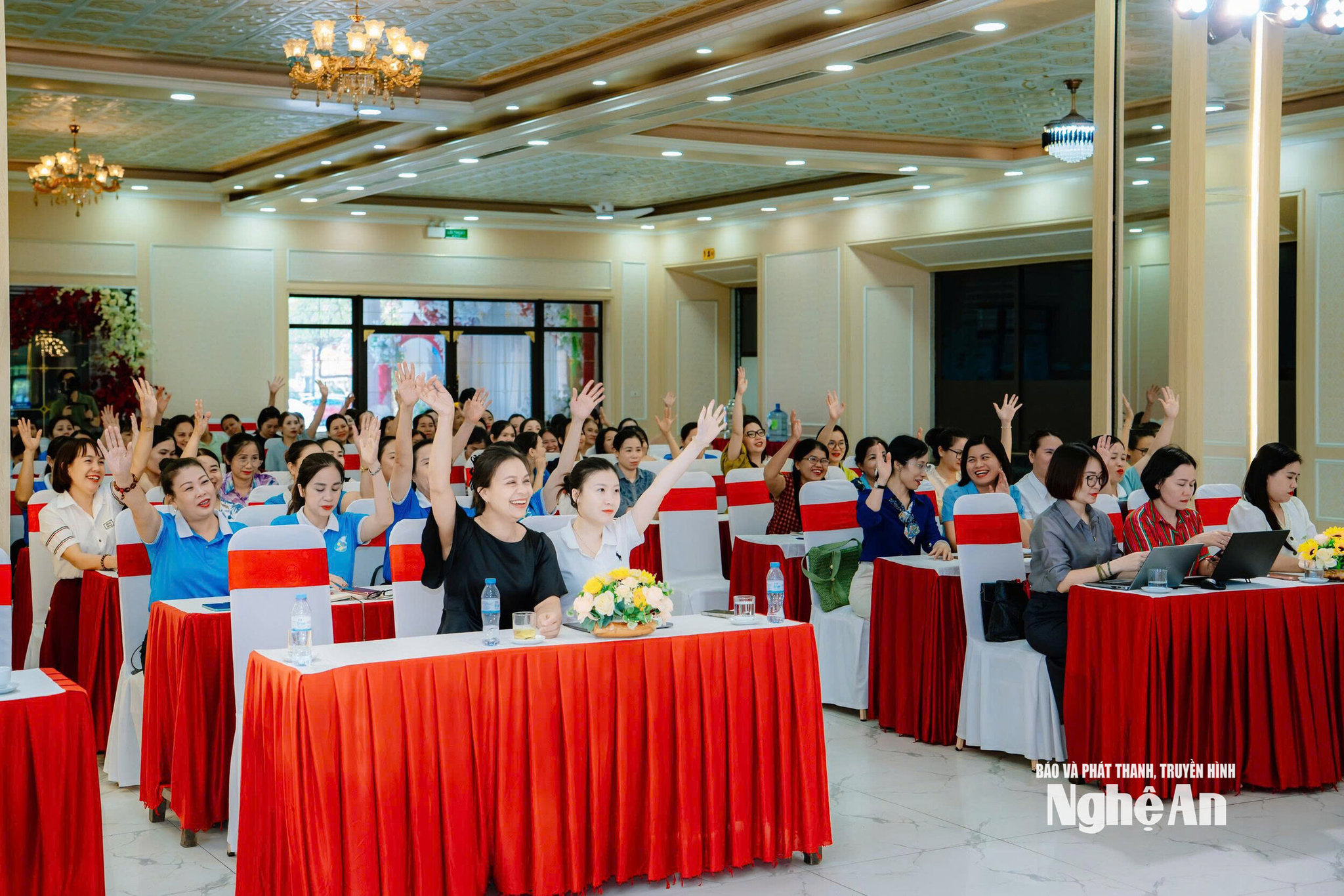
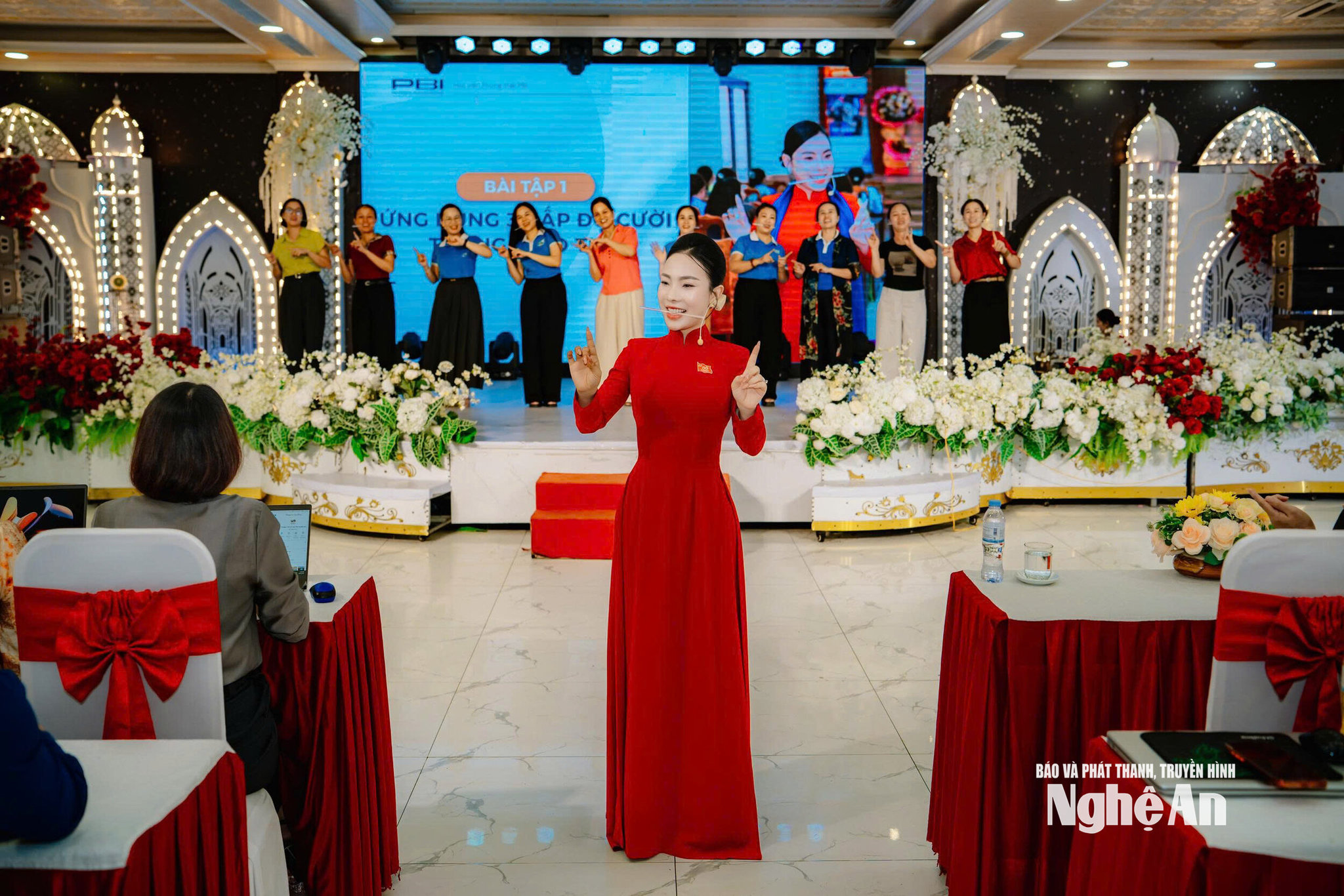
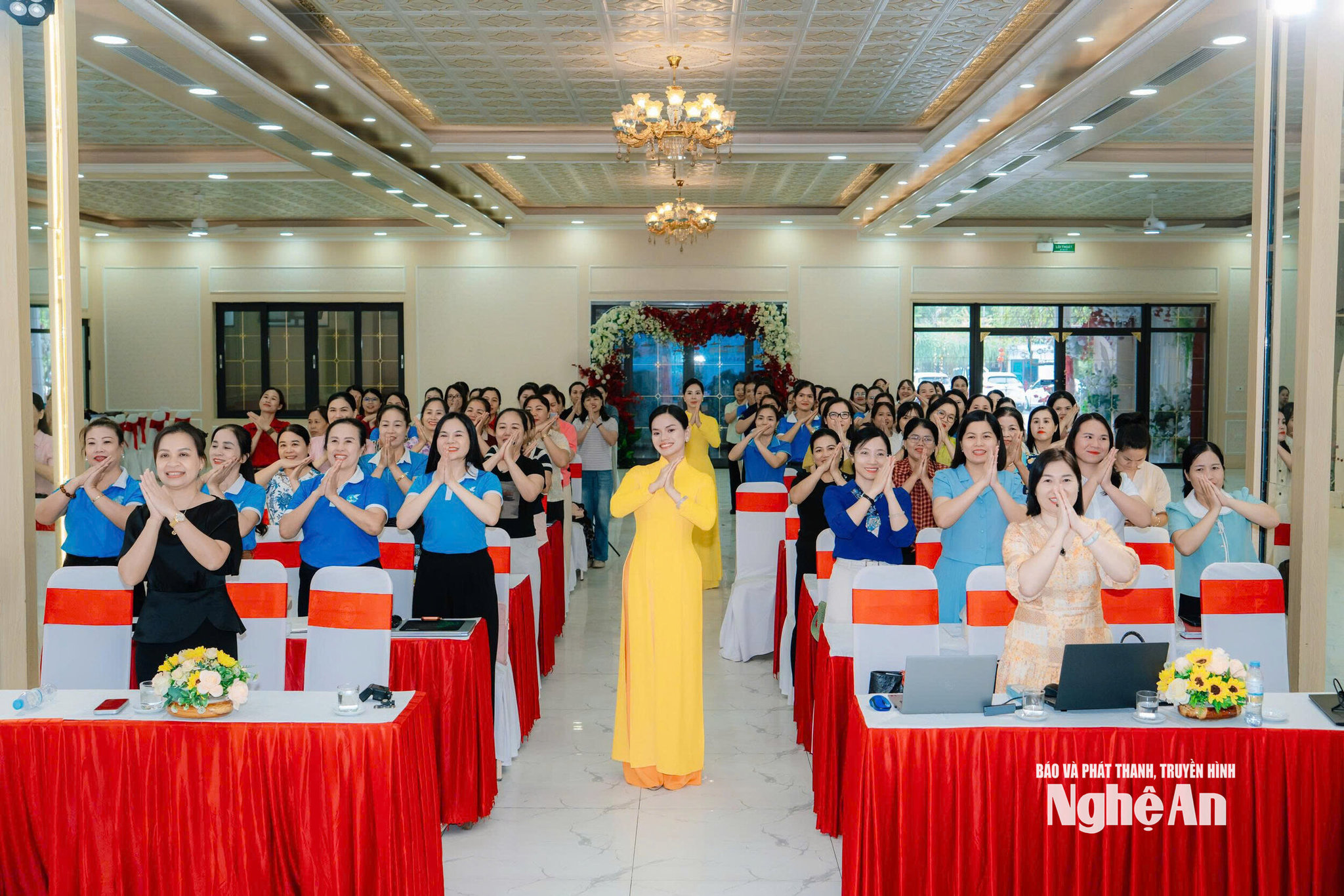
Real-life stories demonstrate that family happiness is built upon love, respect, understanding, sharing, and responsibility among each member, along with the support of the community. Annually, the Women's Union of Nghe An province organizes communication campaigns, seminars, forums, and training sessions on building happy families, gender equality, preventing and combating domestic violence, parenting skills, and child education. Through these efforts, they contribute to improving knowledge and skills in organizing life and preserving the positive values of Vietnamese families.
During the past term, the Women's Union at all levels mobilized and supported 10,302 member households to meet the criteria of "Families with 5 no's and 3 clean's". Models and clubs such as "Safe Villages for Women and Children", "Prevention of Domestic Violence", "Happy Families", "Men Leading the Way in Building Happy Families", "Mother-in-law and Daughter-in-law Relationships"... were maintained and operated effectively, contributing to building a safe, equal, progressive, and happy family environment.
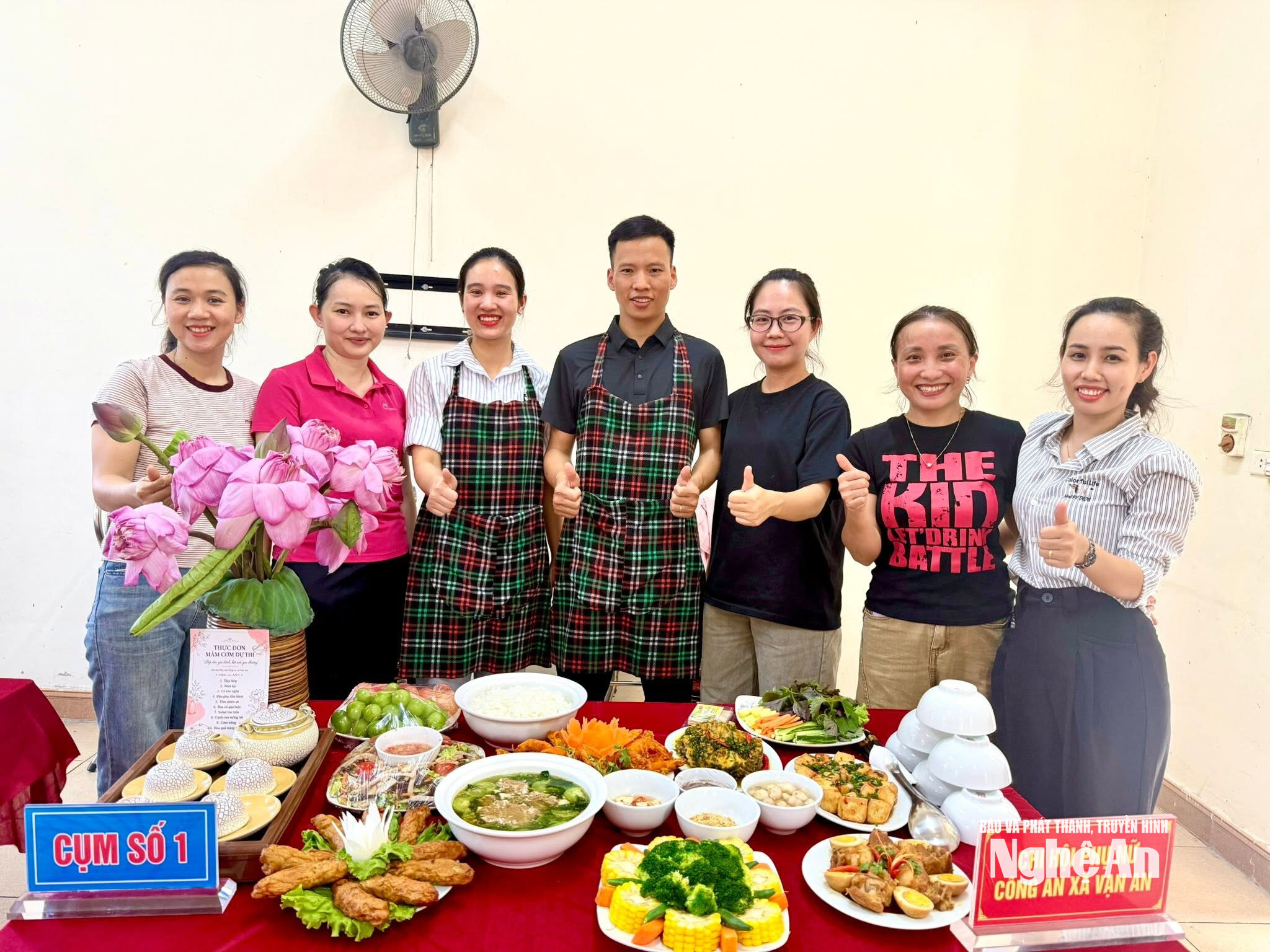
Beyond building a warm and loving home, women in Nghe An also demonstrate creativity, exploiting their potential and strengths to develop the economy, create livelihoods and jobs, increase income, affirm their role and position in the family and society, and contribute to the socio-economic development of the locality.
In many areas of Nghe An province, women are revitalizing agriculture by leveraging the advantages of their homeland. They are not only producing goods but also changing the way value is created from land, crops, and local knowledge: innovating farming practices, connecting with raw material sources, utilizing by-products, improving processing techniques, and promoting local culture. These approaches contribute to shifting agriculture from one primarily focused on output to one that creates higher, more sustainable value.
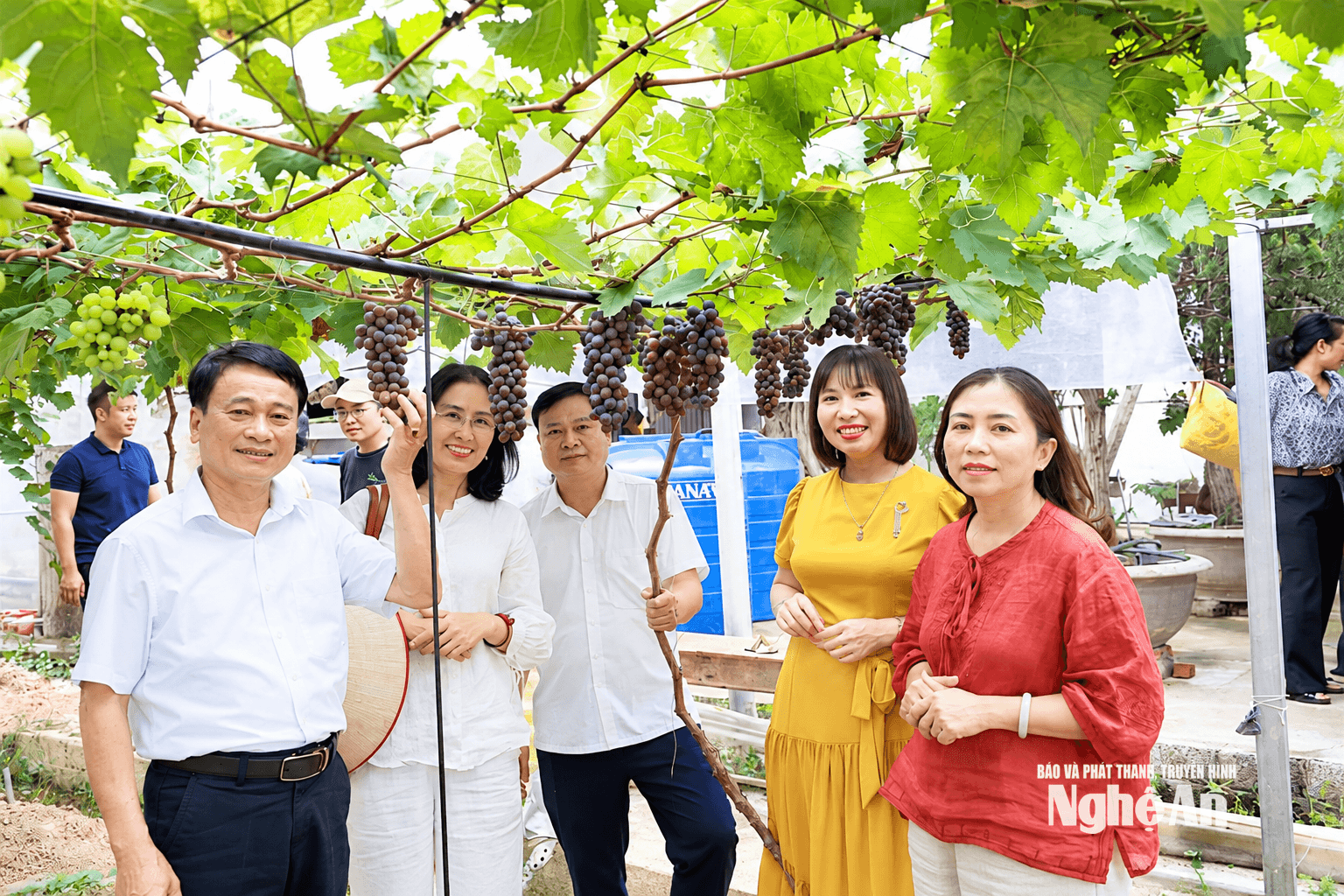
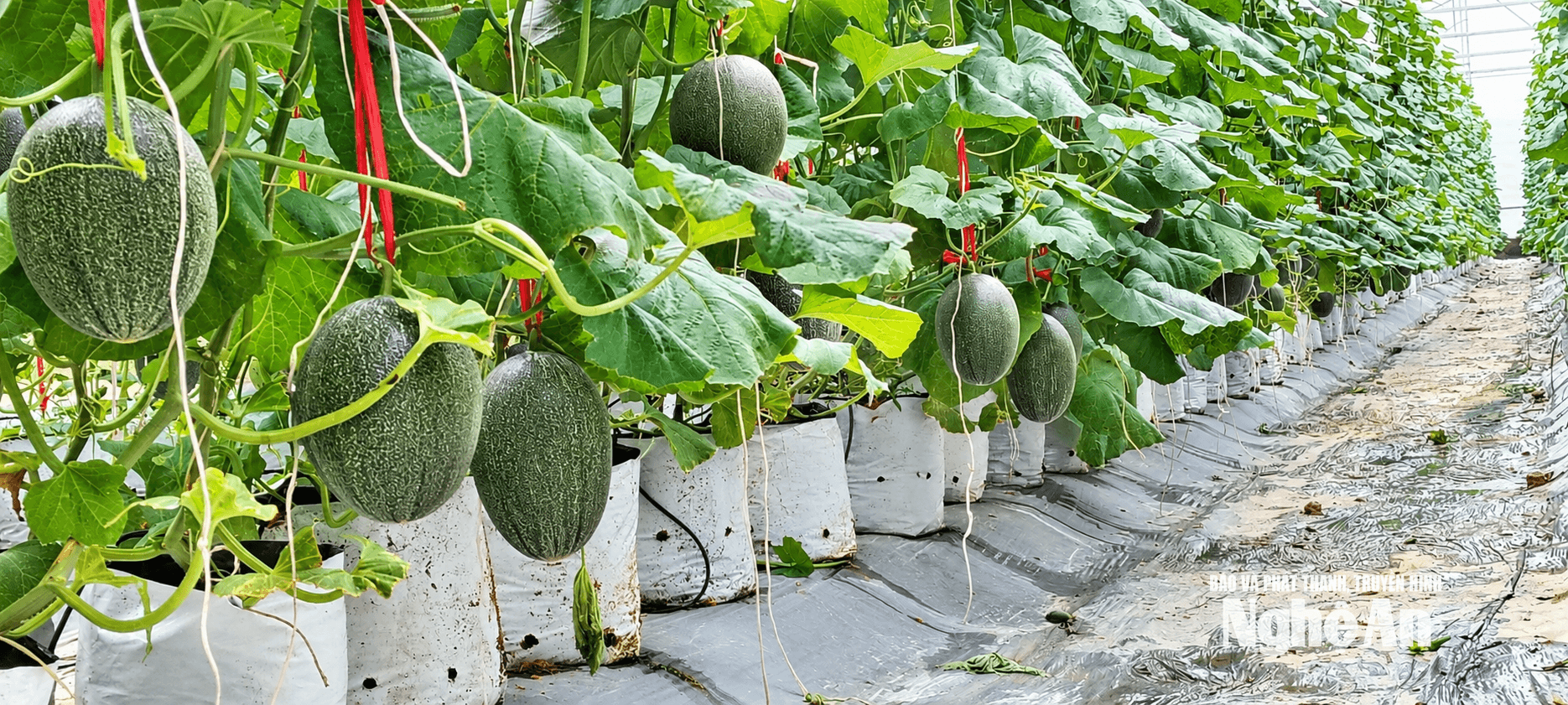
In Nam Phuong Son hamlet, Quan Thanh commune, Ms. Hoang Thi Lien started with about 1,000m² of greenhouse space at the end of 2019. From this initial experiment, she expanded the scale to 1.1 hectares, investing in a drip irrigation system and automatic control to grow cantaloupe and black grapes. Innovation lies not only in equipment, but also in the way production is organized, controlled, and calculated in terms of crops, yield, and economic efficiency.
Ms. Lien's farm generates an estimated profit of 350-400 million VND per year, while also providing regular and seasonal employment for local workers. This approach demonstrates that land can generate higher value when properly invested in and with the application of technology. However, for sustainable and efficient agriculture, it needs to expand from a single farm to a whole raw material area, from the achievements of one person to the livelihoods of many. This is also the direction taken by Ms. Nguyen Thi Chau, Director of the Nghia Dan Medicinal Herbs Cooperative.
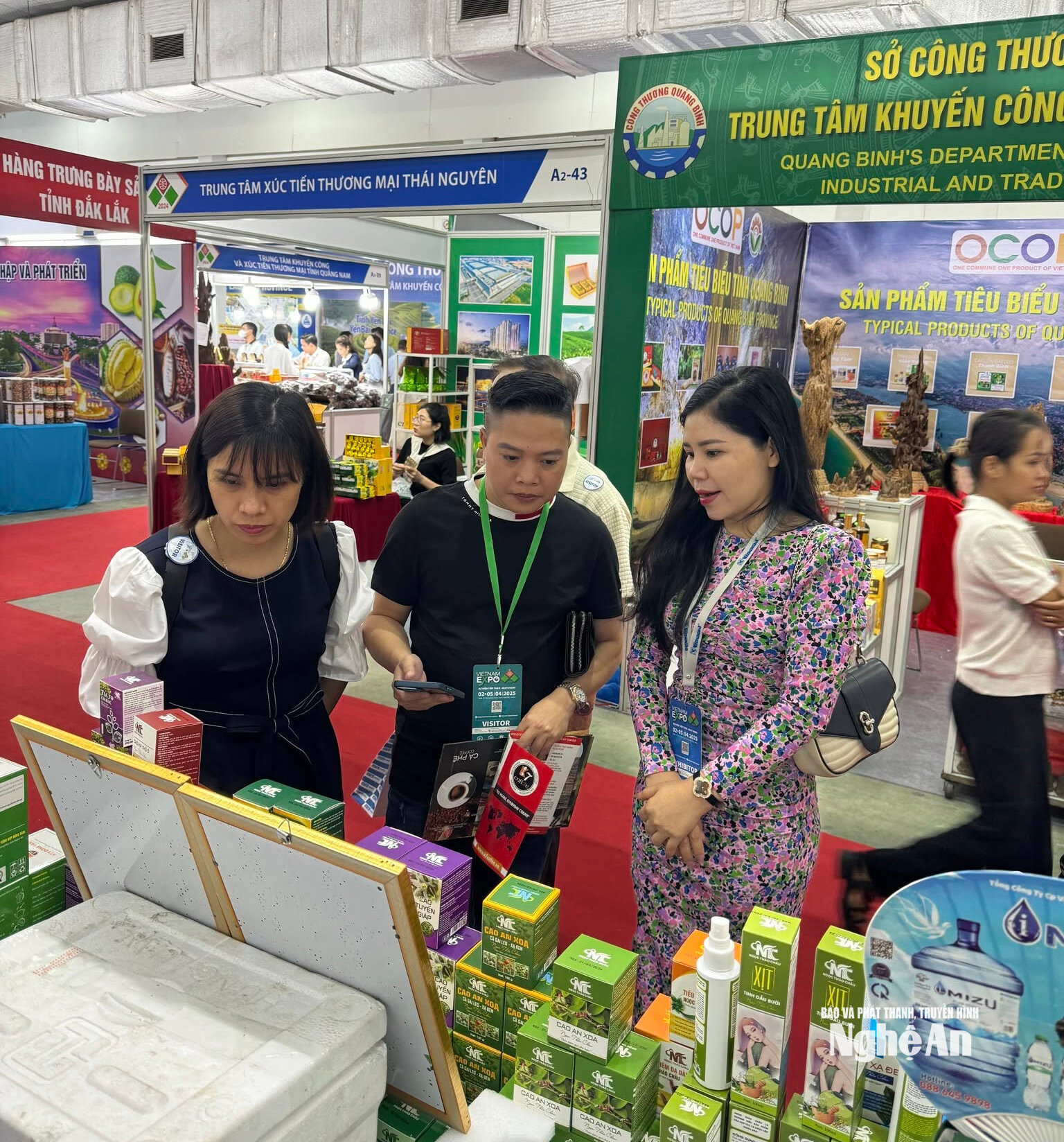
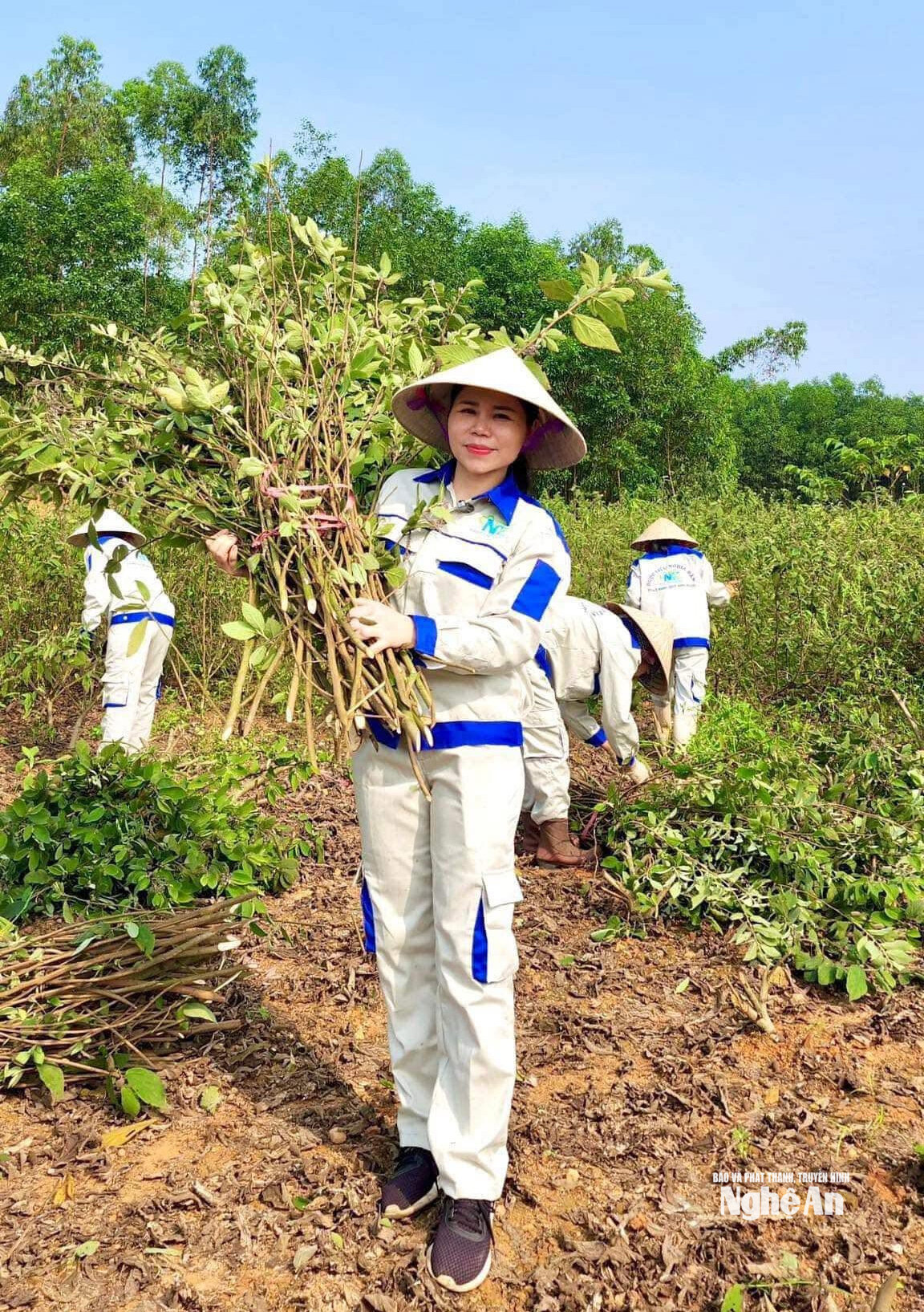
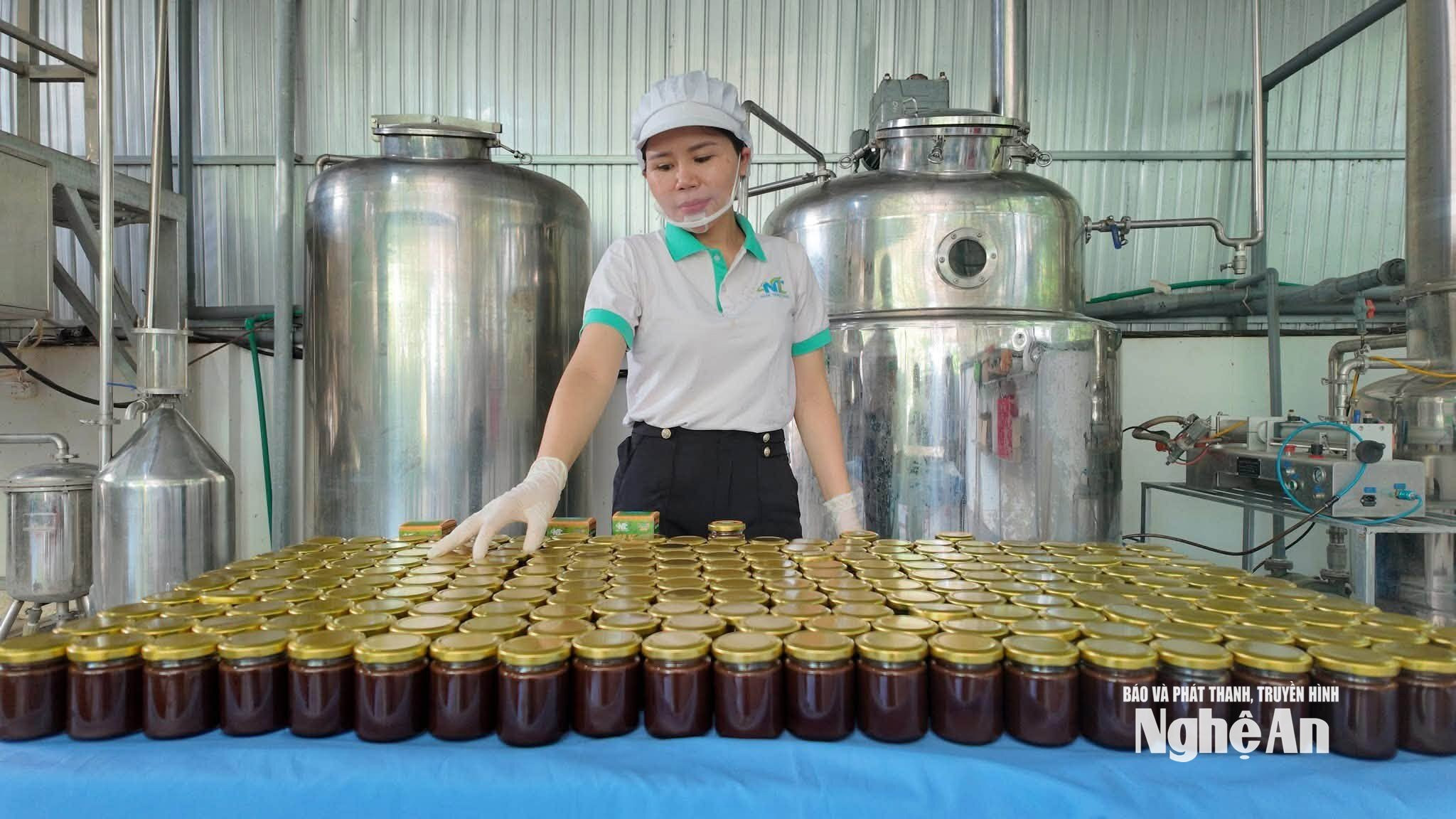
Leaving her civil servant job, Ms. Chau chose to start her business cultivating An Xoa, Xa Den, and Doi Tim plants. Initially, many households lacked capital, seeds, and were hesitant about this new production method. She and her colleagues went to each household to persuade them, build trust, and establish a cultivation area. From just a few initial households, the cooperative now employs over 100 workers, mostly women; developing more than 20 lines of natural medicinal products, 10 of which have achieved OCOP 3-star certification.
The value of this model lies not only in the product but also in the way the production chain is organized. Medicinal herbs are grown, processed, and extracted; the residue after extraction is composted into bio-fertilizer to be used back on plants. This approach connects people to the raw material source, utilizes by-products, and reduces waste. For products linked to natural conditions and indigenous knowledge, value also comes from processing techniques, flavor, and unique stories.
That's the direction Le Thao My is taking with Gay Cao Son tea in Yen Xuan commune. Returning to her hometown after working in the city, she developed Huong Lam Tea, combining traditional processing methods with modern equipment to control temperature and humidity, preserving the tea's flavor. Not only has she improved product quality, but My has also guided local people in processing techniques, contributing to job creation and increased income for local women.
Today's agricultural value lies not only in the products themselves, but also in innovative thinking, the ability to connect resources, and the development of local potential. Through their proactive and creative approach, women in Nghe An are transforming existing advantages into sustainable livelihoods, bringing local agricultural products to a wider market.
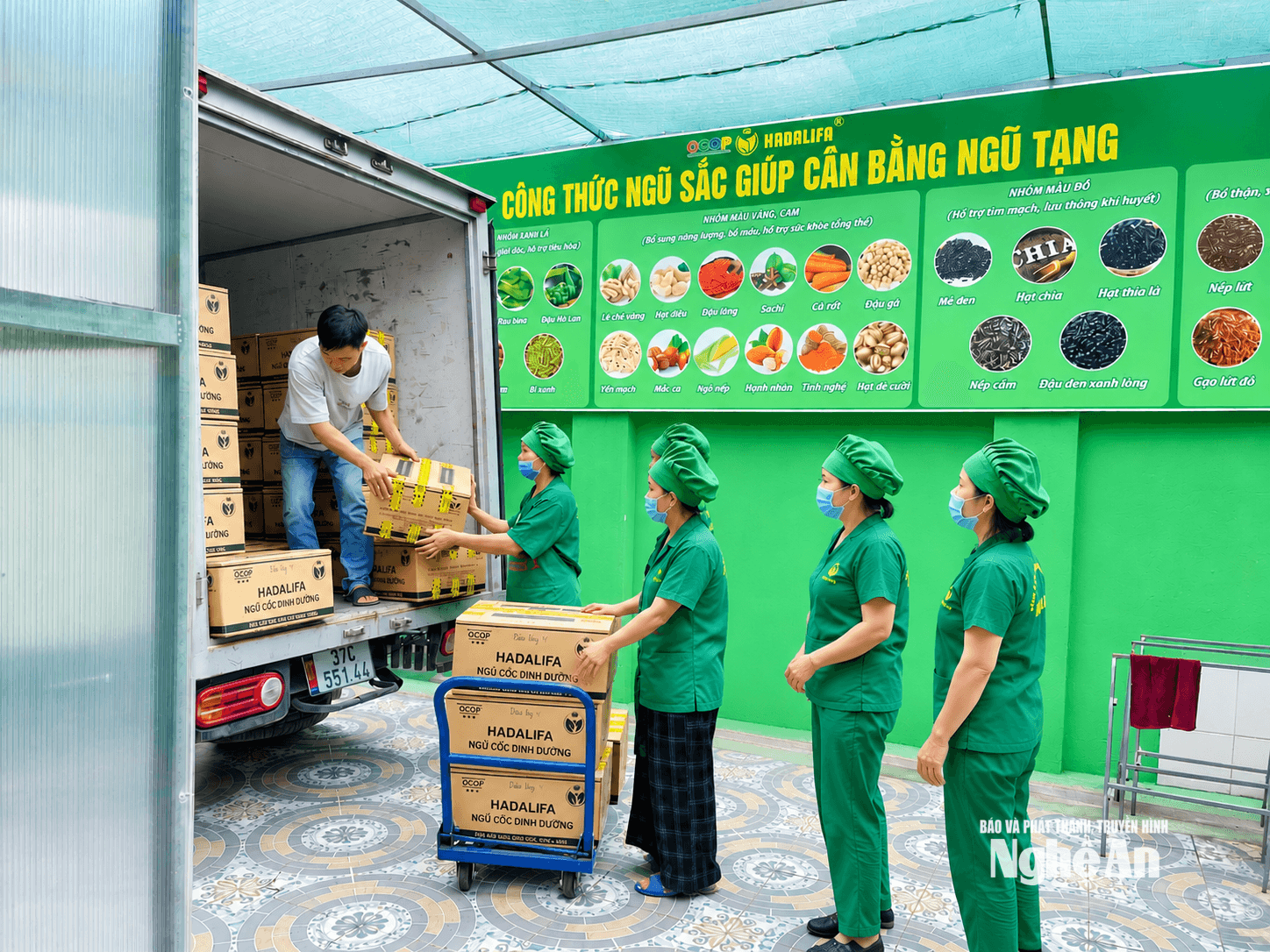
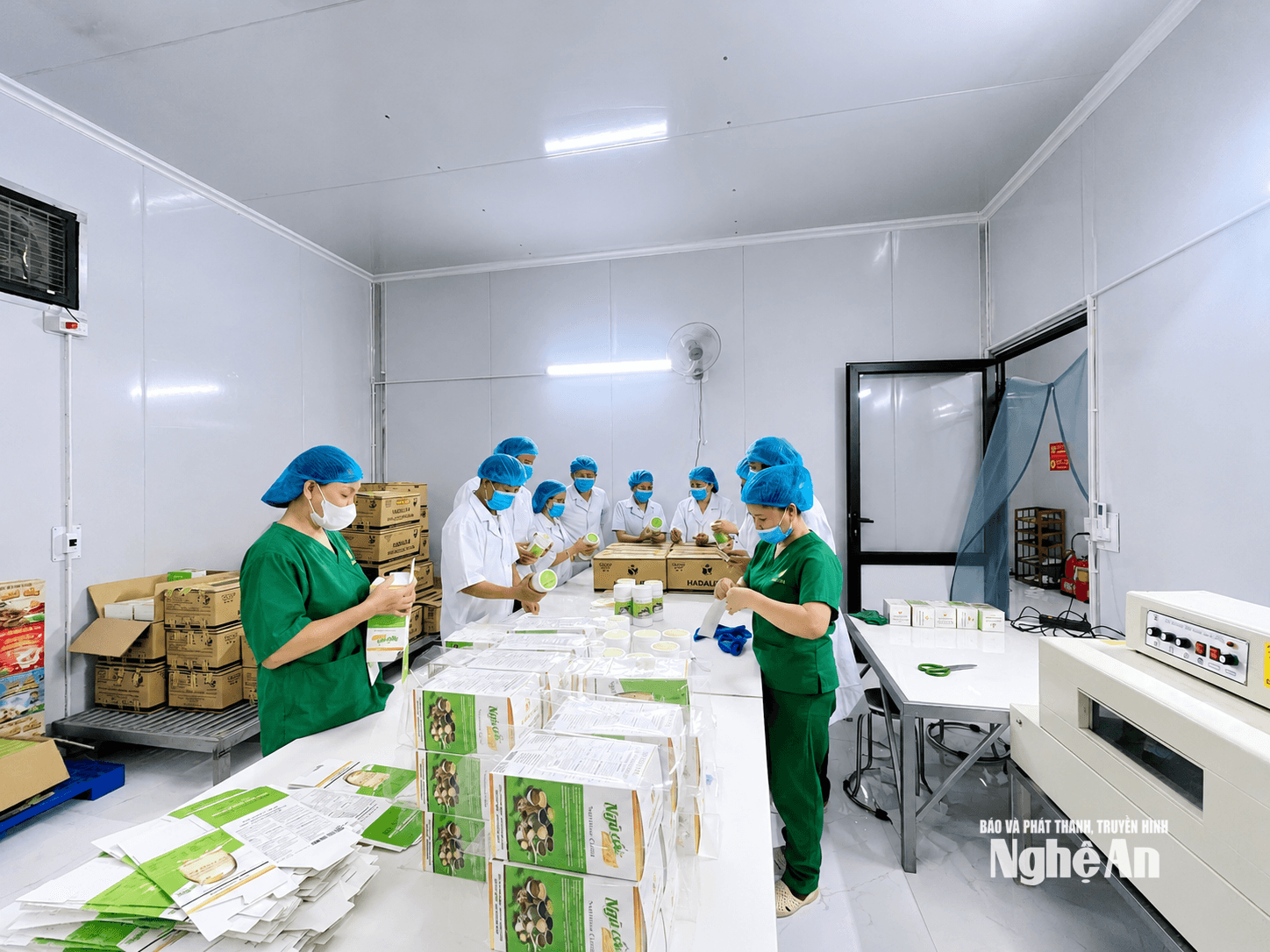
Starting with familiar agricultural products, Phan Thi Lien in Cua Lo ward developed the Hadalifa nutritional cereal brand using natural ingredients. After 5 years, the business has built dozens of product lines from 25 types of grains, while also establishing a 240-hectare linked raw material area with cooperatives inside and outside the province. To expand the market and build trust with consumers, Ms. Lien put her products on e-commerce platforms, invested in a brand identity and traceability system, making it easier for customers to access the products and providing transparent information about ingredients and production processes.
In 2024, the company's cereal products were recognized as typical rural industrial products at the provincial level; in 2025, they achieved Halal certification.
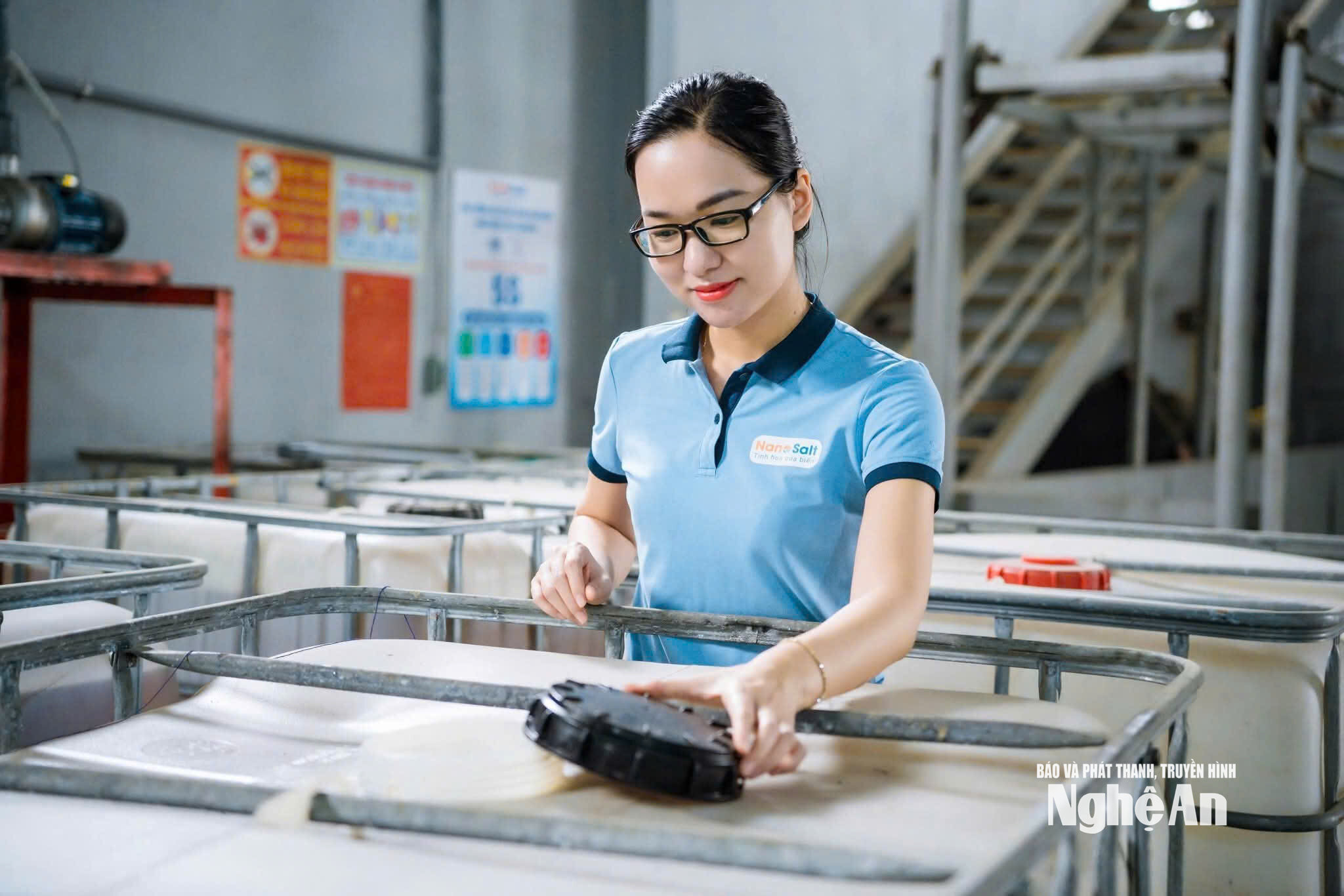
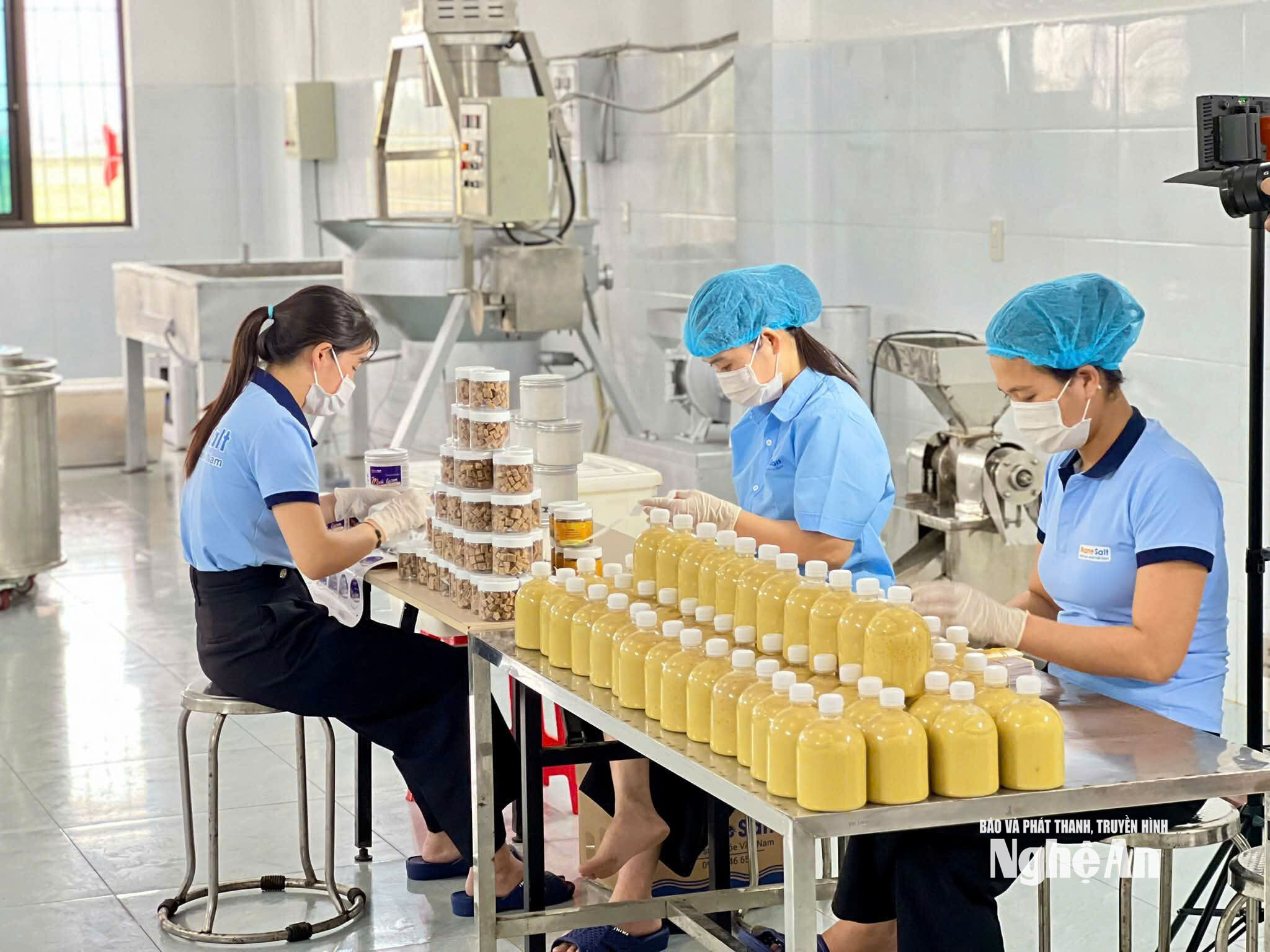
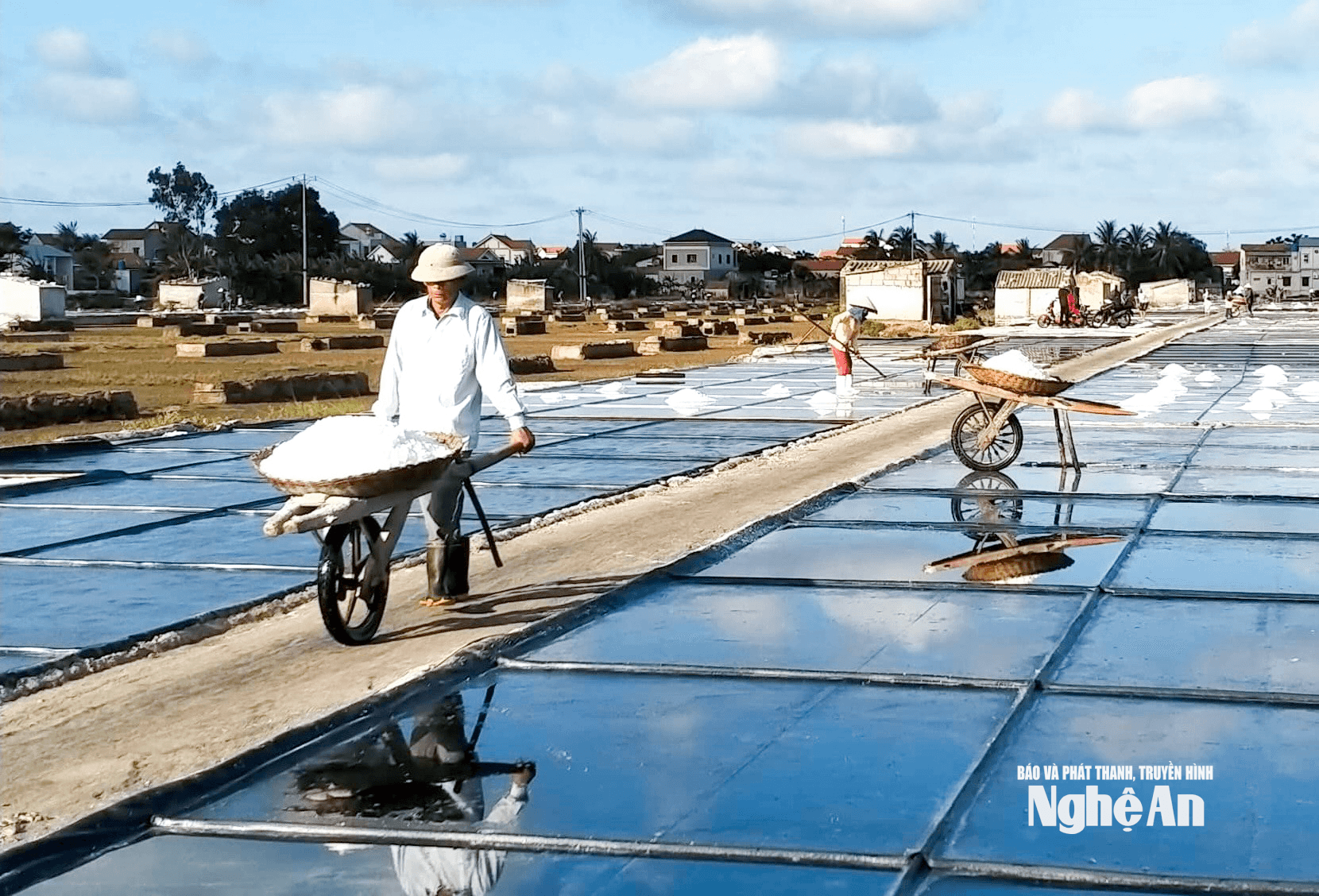
For businesswoman Tran Thi Hong Tham, founder of ABACA Vietnam Co., Ltd. and owner of the NanoSalt brand, innovation began with a desire to enhance the value of traditional salt. Recognizing that "salt molasses"—the liquid residue remaining after salt harvesting, often considered a waste product but rich in minerals—she and her colleagues researched ways to exploit this resource using science and technology.
After five years of experimentation, she successfully applied multi-layered marine mineral separation technology, creating a product that is said to have up to 50% less sodium and added trace minerals. Instead of competing on the price of raw salt, the business developed desalinated salt, medicinal salt, and value-added products, opening up a more efficient way to exploit traditional raw materials. This approach not only contributes to increasing the value of salt but also opens up opportunities to improve the income of salt farmers, creating more motivation for the salt industry to develop.
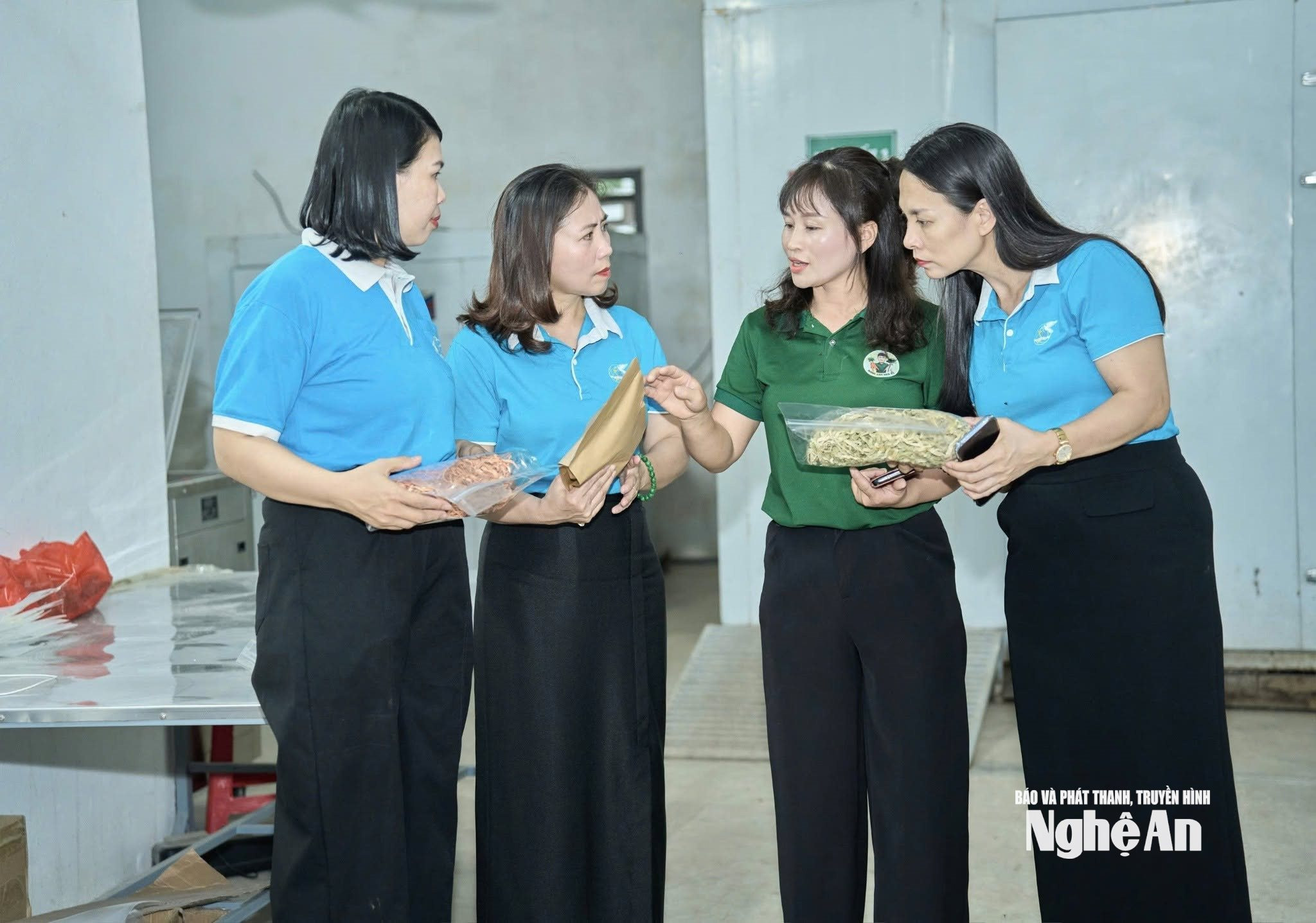
Beyond simply disseminating information and raising awareness, the Nghe An Provincial Women's Union also plays a crucial role in connecting resources, equipping members with knowledge and skills, and supporting them in realizing their entrepreneurial ideas, accessing technology, building brands, and expanding markets. During the period 2021-2026, the Union at all levels implemented hundreds of training courses, along with numerous workshops and communication campaigns on the application of information technology, digital transformation, entrepreneurship, innovation, and the development of sustainable business models and green transformation.
Importantly, this support has closely followed every stage of women's development, from idea generation and product refinement to market connection; stemming from real needs to overcome difficulties, helping members improve their capabilities, confidently innovate, and develop sustainable economic activities.