
Restoring a car submerged in mud: Costs and potential risks.
Cars submerged in mud after storms and floods face complex repair processes, potentially costing half the car's value, and posing long-term risks to the electrical and mechanical systems.
Context and severity
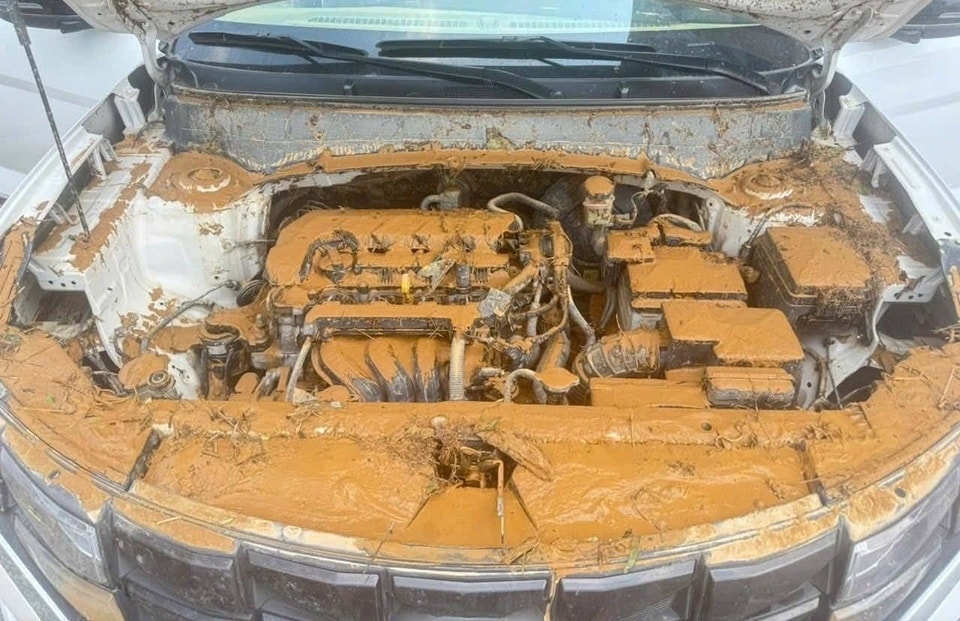
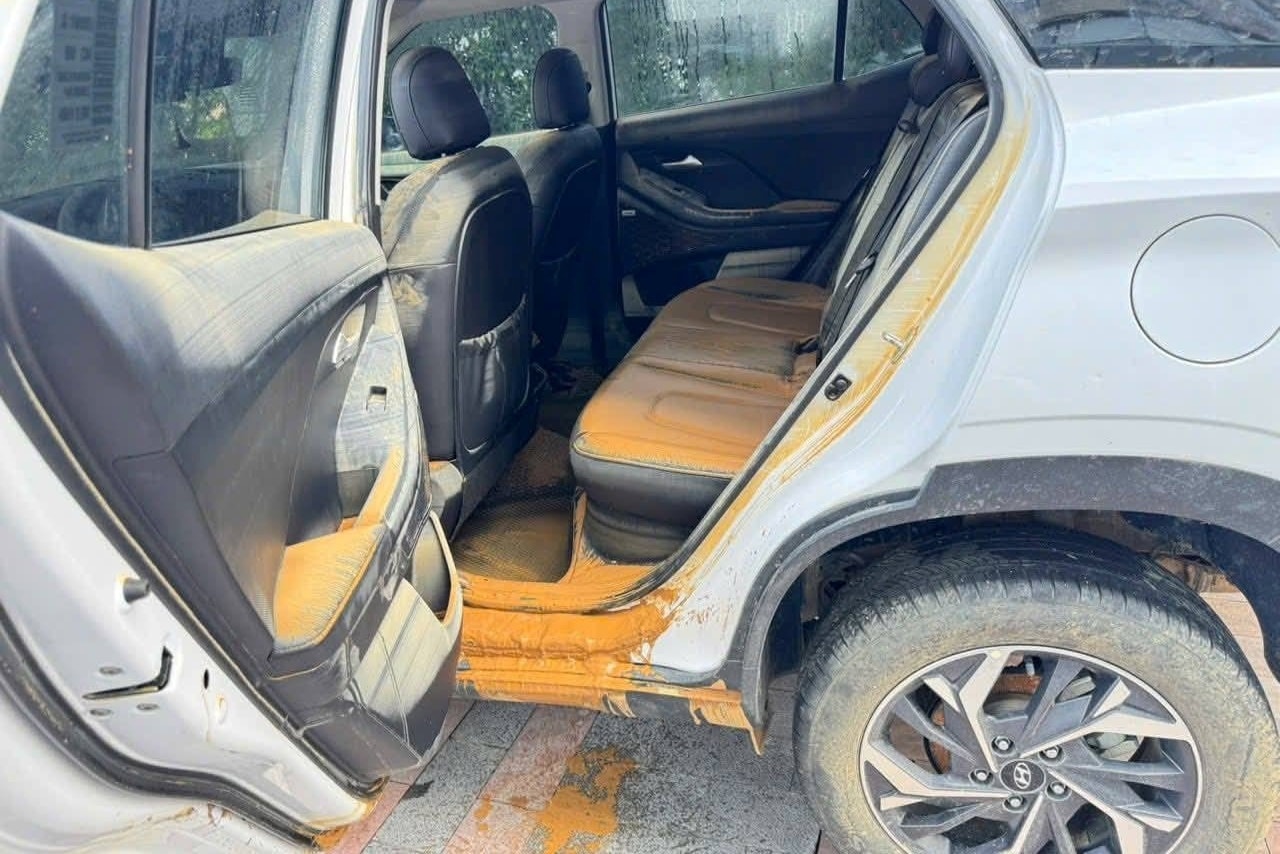
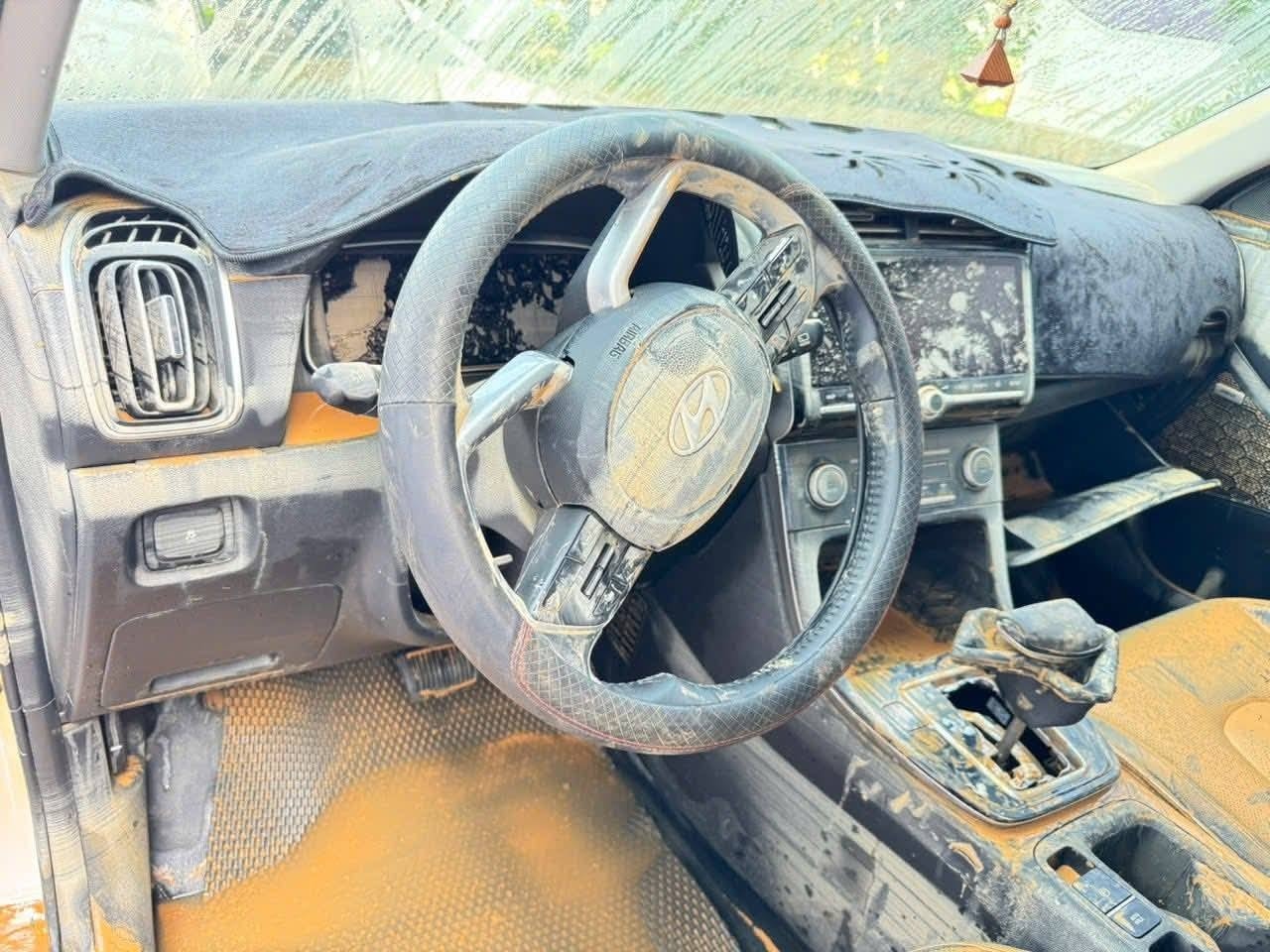
Following storms and floods, many vehicles are submerged in water and mud, posing a significant challenge for car owners and service centers. Unlike ordinary flooding, cars being "soaked" in mud cause far more complex and unpredictable damage. Mud contains not only water but also solid particles, corrosive substances, and microorganisms, which can penetrate even the smallest parts of the vehicle, from the electrical system and engine compartment to the entire interior.
Recovery process: A comprehensive major surgery.
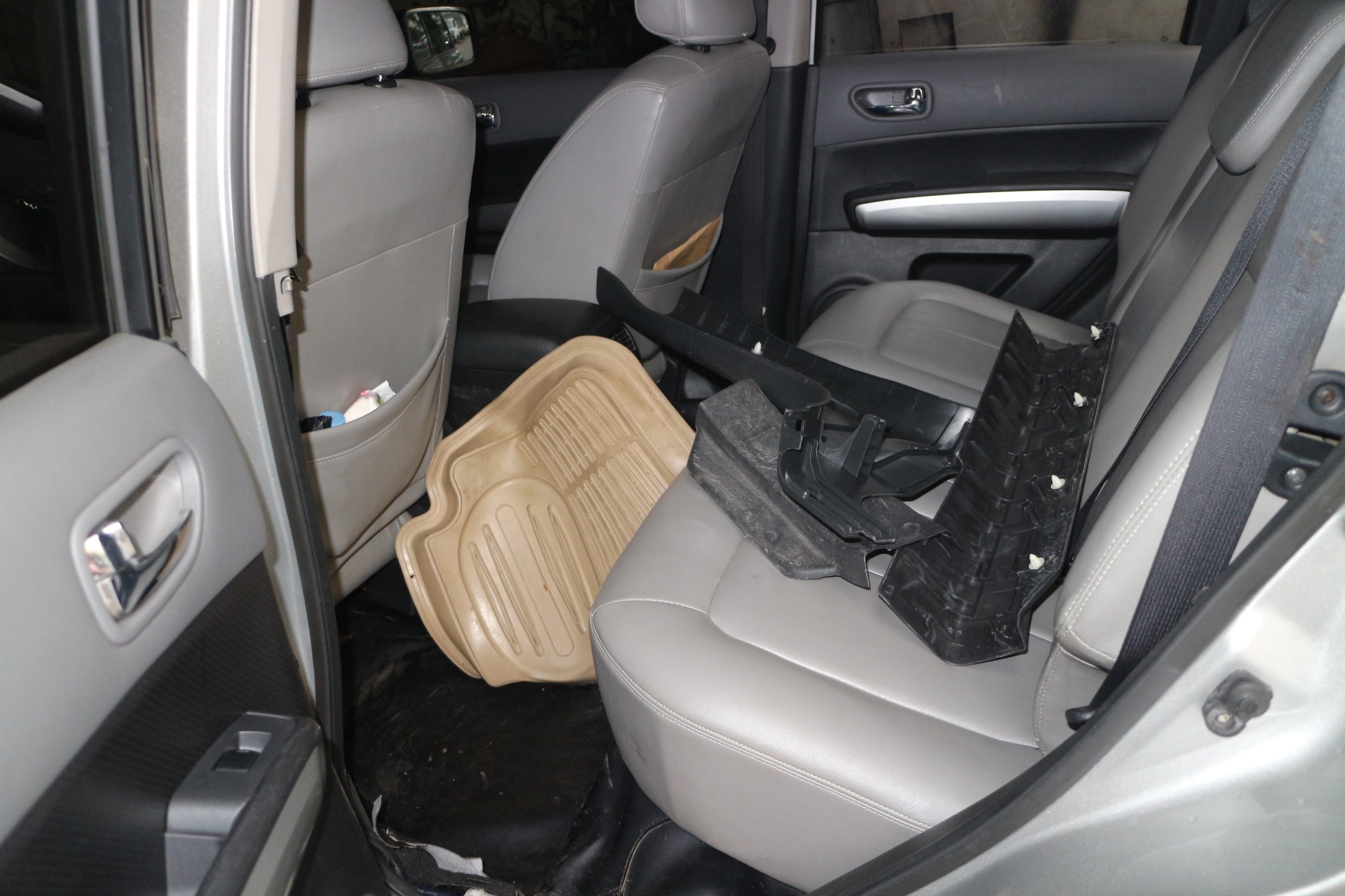
According to experts, dealing with a mud-soaked car is not a simple cleaning process but rather a comprehensive restoration. This procedure requires disassembling almost all of the car's interior components. Technicians will begin by removing the seats, floor, dashboard, door panels, roof, and plastic parts in the cabin.
After the vehicle's interior is "stripped bare," the cleaning process truly begins. Mud and dirt are sucked out, and then the entire surface is treated with a high-pressure spray combined with specialized cleaning, deodorizing, and anti-mold solutions. Interior details such as seat foam and leather upholstery must also be washed and dried separately to ensure complete removal of moisture. The metal frame and other metal parts, after cleaning, are coated with an anti-rust layer to prevent oxidation.
Potential risks to the electrical system and motor.
Even if the interior can be aesthetically restored to about 80-90%, core systems like electrical and mechanical components remain the biggest concern. Experts assert that no garage can guarantee 100% restoration of these parts to their original condition.
When water and mud penetrate critical components such as the electronic control unit (ECU), sensors, transmission, or wiring system, they cause "invisible oxidation." The consequences may not appear immediately, but after about 2-3 months, users may face minor issues such as short circuits, sensor failure, or persistent vehicle error messages. The affected engine and transmission may also operate less efficiently, leading to increased fuel consumption. These are invisible damages, but they directly impact the safety and stability of the vehicle.
Phân tích chi phí và thời gian khắc phục
Chi phí để đưa một chiếc xe ngâm bùn trở lại hoạt động là một con số không hề nhỏ và phụ thuộc nhiều vào mức độ thiệt hại.
- Mức độ nhẹ: Nước bùn chưa ảnh hưởng nhiều đến nội thất và máy móc. Chi phí chủ yếu cho việc rửa xe, dọn nội thất và khử mùi, dao động từ 3-8 triệu đồng.
- Mức độ trung bình: Nước và bùn đã tràn vào sàn xe và nội thất. Cần tháo dỡ toàn bộ nội thất để vệ sinh, sấy khô và thay thế các loại lọc. Chi phí có thể từ 10-20 triệu đồng.
- Mức độ nặng: Nước và bùn đã xâm nhập vào ECU, hộp số và động cơ. Xe cần đại tu hệ thống điện và cơ khí. Chi phí có thể lên đến 50 triệu đến hàng trăm triệu đồng, thậm chí tương đương nửa giá trị của chiếc xe.
Thời gian sửa chữa cũng là một yếu tố cần cân nhắc. Một trường hợp nhẹ có thể mất khoảng 10 ngày, trong khi những xe bị hư hỏng nặng có thể cần vài tháng để hoàn tất quá trình phục hồi.
Conclusion: Residual Value and Considerations
Restoring a car that has been submerged in mud is a costly, time-consuming process with no guarantee of perfect results. Even with repairs at authorized facilities using standard procedures, risks of electronic malfunctions and metal rust remain. Another significant factor is the substantial decrease in the car's resale value. Despite a possible refurbished appearance, its history of flooding, especially mud submersion, will severely devalue the vehicle in the used car market.


