
Sodium-ion batteries fully charge in 11 minutes: A new breakthrough that could change the future of electric vehicles.
The global electric vehicle industry is at a turning point as sodium-ion batteries, a lithium-ion alternative, continue to see breakthroughs, the latest being a technology from China that can fully charge a vehicle in just 11 minutes.
As the electric vehicle (EV) industry strives to reduce its reliance on lithium batteries, sodium-ion batteries are emerging as a strategic direction due to their abundant supply and lower cost. Major technology and automotive corporations in China are increasing investment, opening up prospects for diversifying the battery ecosystem in the future.
In early 2026, CATL – one of the world's largest electric vehicle battery manufacturers from China – and Changan Automobile, a Chinese automaker, introduced the first mass-produced electric vehicle using sodium-ion batteries, marking a significant technological leap forward.
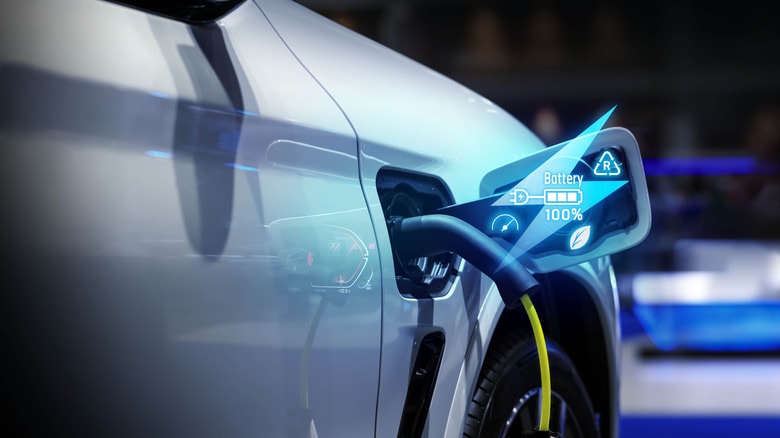
Shortly afterward, Chinese automaker BAIC Group announced another breakthrough, demonstrating its ambition to dominate the next-generation battery market.
Fully charged in just 11 minutes: A leap forward in battery charging speed.
According to BAIC, the company's new sodium-ion battery prototype supports 4C fast charging technology, allowing it to be fully charged in just about 11 minutes, which is considered an impressive figure, potentially even faster than the charging time of many current smartphones.
Beyond just speed, this type of battery is also designed to operate stably over a wide temperature range, limiting performance degradation – an inherent weakness of lithium batteries. This is seen as the solution to the "fast charging while maintaining durability" challenge that the electric vehicle industry is pursuing.
One of the biggest advantages of sodium-ion batteries is their ability to operate stably in low-temperature environments. According to BAIC Group's claims, their batteries can operate in temperatures ranging from -40°C to 60°C and still retain at least 92% of their capacity at -20°C.
This is especially important because electric vehicles currently suffer a significant reduction in range in cold weather. With sodium-ion batteries, this problem can be significantly improved, making electric vehicles more suitable for areas with harsh winters.
Furthermore, in internal tests, the battery was able to maintain a stable structure at temperatures up to 190°C, demonstrating impressive durability and heat resistance.
Weakness: Energy density remains a barrier.
Despite their many advantages, sodium-ion batteries still have a major limitation in terms of energy density – a factor that determines the driving range of electric vehicles.
BAIC's prototype achieved 170 Wh/kg, significantly lower than modern lithium batteries (around 200-300 Wh/kg). This means vehicles using sodium-ion batteries may require larger battery packs or have a shorter driving range.
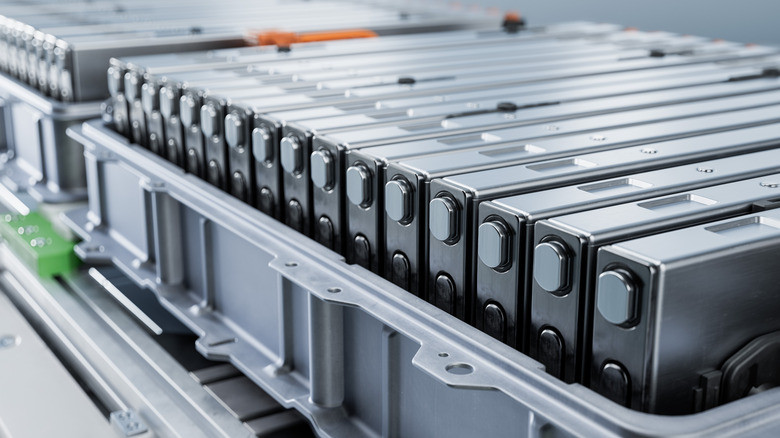
For comparison, CATL's Naxtra battery pack, which is expected to be used in Changan Automobile's electric vehicle, only achieves approximately 175 Wh/kg. This is a common challenge for the entire industry, forcing manufacturers to continue optimizing materials and design.
BAIC stated that it has filed more than 20 patents related to sodium-ion batteries, including structure, materials, and manufacturing processes, with the aim of progressively improving this weakness.
The future of electric vehicles using sodium-ion batteries is drawing near.
BAIC is currently integrating sodium-ion battery technology into its Aurora battery platform, which already supports lithium and solid-state batteries. This demonstrates a strategy of developing multiple battery technologies in parallel to optimize performance for specific application needs.
Although no specific commercialization date has been announced, the company has confirmed that it has completed the necessary validation steps for mass production. Meanwhile, the Chinese market is expected to receive its first sodium-ion battery electric vehicle model by mid-2026.
Recent advancements show that sodium-ion batteries are no longer just a technology on paper, but are very close to practical application. With advantages in cost, safety, and the ability to operate in cold environments, this technology is expected to be suitable for the mass-market vehicle segment.
While further improvements in energy density are still needed, BAIC's breakthrough in charging speed demonstrates the significant potential of sodium-ion batteries to transform how users approach electric vehicles in the near future.


