
What does the silicon-carbon battery in the Galaxy Z Fold 8 pave the way for the Galaxy S27 in 2027?
Samsung is bringing silicon-carbon batteries to the Galaxy Z Flip 8 and Galaxy Z Fold 8 for the first time. This high-energy-density technology could help the Galaxy S27 increase battery capacity or become thinner and lighter, but the specifications have not yet been confirmed by the company.
Silicon-carbon batteries are a notable technological advancement on the Galaxy Z Flip 8, Galaxy Z Fold 8, and Galaxy Z Fold 8 Ultra, introduced by Samsung at Galaxy Unpacked 2026. Thanks to their higher energy density compared to traditional lithium-ion batteries, this technology allows for increased capacity within the same space or a reduction in battery size while maintaining battery life.
This could be the foundation for the Galaxy S27 series, expected to launch in 2027. However, Samsung has not confirmed whether the Galaxy S27 will use silicon-carbon batteries, nor has it announced the battery capacities of these models. The capacities mentioned for the Galaxy S27 are currently only estimates and rumors cited from sources.
Silicon-carbon solves the problem of internal space in phones.
Lithium-ion batteries have been Samsung's preferred choice for many years. Meanwhile, Chinese manufacturers have been using silicon-carbon batteries for some time. The key difference in this new technology lies in the silicon material used in the battery electrode structure, which increases energy density compared to traditional lithium-ion batteries.
The practical benefit of high energy density is that manufacturers have more design options. They can fit a larger battery without significantly increasing the device's size. Conversely, they can also make the device thinner and lighter, while maintaining battery capacity.
However, silicon presents a significant technical challenge: the material expands significantly during charging. According to sources, Samsung has combined the right proportion of silicon with engineering solutions and reinforced structures to address the battery's stability. The appearance of this technology in the Galaxy Z series suggests the company has incorporated this solution into its commercial products.
Three ways Samsung is leveraging the advantages of its new battery.
The Galaxy Z Fold 8 Ultra is the clearest example of the trend towards increased battery capacity. It has a 5,000 mAh battery, higher than the 4,400 mAh of the Galaxy Z Fold 7, while the overall size remains almost unchanged.
The Galaxy Z Fold 8 strikes a balance between design and battery life. It's thinner, shorter, and wider, yet still features a 4,800 mAh battery. Meanwhile, the Galaxy Z Flip 8 retains the same 4,300 mAh capacity as its predecessor, but houses it in a slimmer, more compact body.
| Device | Battery capacity by source | The design meaning is stated. |
|---|---|---|
| Galaxy Z Fold 8 Ultra | 5,000 mAh | Up from 4,400 mAh on the Galaxy Z Fold 7, the size remains almost unchanged. |
| Galaxy Z Fold 8 | 4,800 mAh | The body is thinner, shorter, and wider. |
| Galaxy Z Flip 8 | 4,300 mAh | Maintain storage capacity but with a slimmer, more compact body. |

What advantages can the Galaxy S27 benefit from?
If Samsung expands silicon-carbon batteries to the Galaxy S27, it might prioritize one of two options: maintaining the current battery capacity to reduce thickness and weight, or keeping the design to increase battery life. This is a significant trade-off because a larger battery capacity doesn't automatically translate to a corresponding increase in usage time; efficiency also depends on the screen, processor, and software optimization.
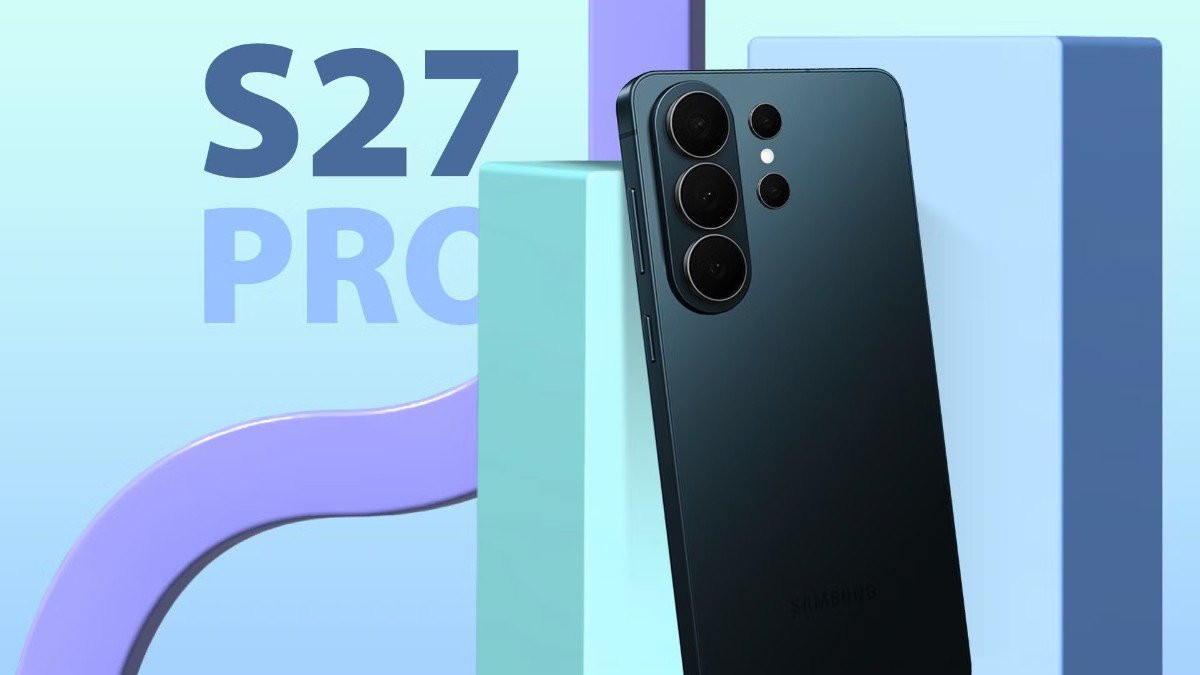
Sources indicate that the standard Galaxy S27 may retain the 4,300 mAh battery from the Galaxy S26 to pursue a thinner and lighter design, or increase the capacity within the same form factor. The Galaxy S27 Pro is rumored to have a 6.47-inch screen and a 5,000 mAh battery. For the Galaxy S27 Ultra, the expected capacity is between 5,300 mAh and 5,500 mAh.
The figures above are not official information. If the Galaxy S27 Ultra does indeed have a larger battery, this could be the first capacity upgrade for the Ultra series since the Galaxy S21 Ultra in 2021, according to sources. Another possibility is that Samsung only slightly increased the capacity to prioritize a slim and lightweight design and to meet the technical requirements for large-capacity batteries in markets such as the European Union.
The biggest benefit is not just the extra milliampere-hour.
The internal space of a phone is a limited resource, especially with thin or foldable devices. When the battery has the same capacity but takes up less space, manufacturers can allocate the remaining space to other components or optimize the body structure.
The Galaxy S25 Edge clearly illustrates this problem. While it boasts an ultra-thin and lightweight design, its 3,900 mAh battery is a limitation. A silicon-carbon battery, if adopted for the future Galaxy S27 Edge, could offer a better balance between slimness and battery life.
Overall, the switch to silicon-carbon batteries on the Galaxy Z 2026 shows that Samsung has more tools to improve smartphone design. While its prospects on the Galaxy S27 still need official confirmation, this technology has clear implications: increased flexibility between battery capacity, slimness, and hardware space.


