
The Pixel 11 features the Tensor G6 chip and the new Titan M3 security system.
Google is expected to launch the Titan M3 security chip, codenamed Google Epic, on the Pixel 11 series, replacing the Titan M2 generation released in 2021, in order to upgrade data protection capabilities.
Google is preparing a significant hardware security leap for its next generation of phones. According to the latest reports, the Pixel 11 series will be equipped with the all-new Titan M3 security chip, integrated with the Tensor G6 operating system-on-a-chip (SoC). This is seen as an effort by the search giant to replace the increasingly outdated technology in current smartphones.
The appearance of the Titan M3 and its codename Google Epic.
The Titan M2 security chip was first introduced with the Pixel 6 series in 2021. Since then, this component has been continuously used up to the recently launched Pixel 10 series. With a four-year lifespan, the technology of the Titan M2 is beginning to be considered less groundbreaking in the face of increasingly sophisticated cybersecurity challenges.
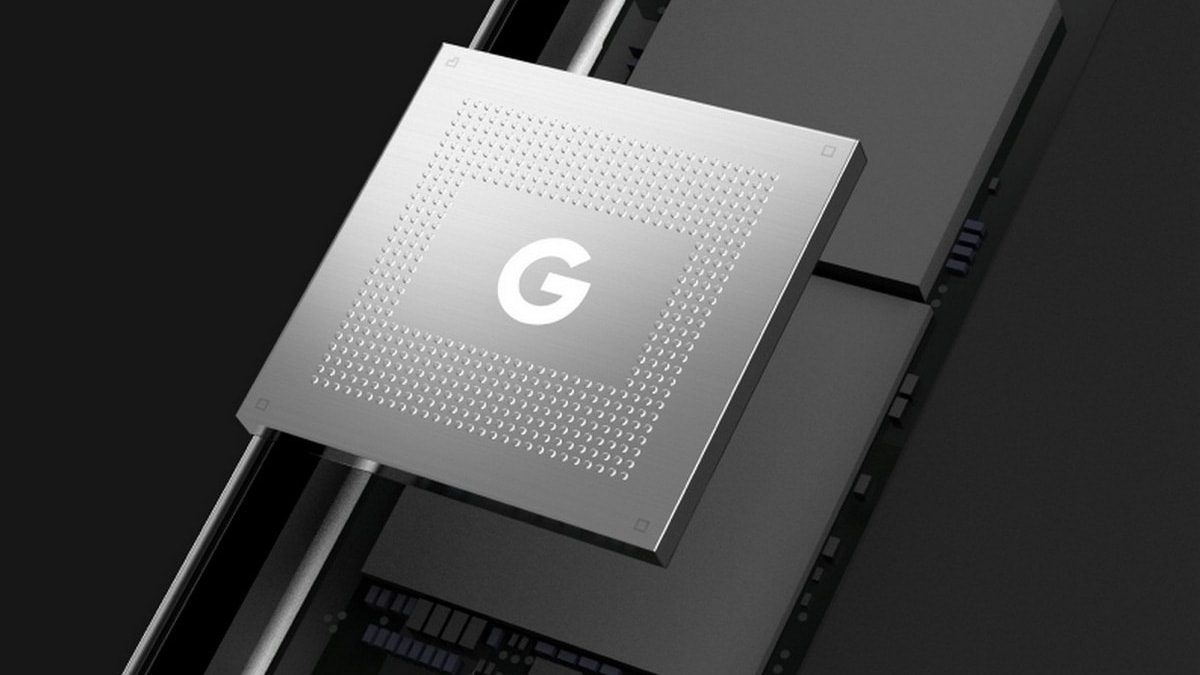
To address this, Google is developing a successor called the Titan M3. Leaked information suggests this chip has the firmware name "longjing" and an ambitious internal codename: "Google Epic". This codename change indicates that the Titan M3 is not just a minor update but may contain significant changes to the hardware architecture.
Technical foundation and legacy from RISC-V architecture.
To maintain consistency and security effectiveness, the Titan M3 is expected to inherit and develop from the platform of the Titan M2. The previous generation was built on the RISC-V CPU architecture, possessing independent memory, RAM, and encryption accelerators. This separate structure acts as the "Root of Trust," protecting the device even if the Android operating system or the main processor is compromised.
| Parameter | Titan M2 chip (Older generation) | Titan M3 chip (Expected) |
|---|---|---|
| Year of release | 2021 (Pixel 6) | 2025 (Pixel 11) |
| Code name | Titan M2 | Google Epic |
| Included processor | Tensor G1 to Tensor G4/G5 | Tensor G6 |
| Architecture | RISC-V | RISC-V upgrade |
Core features such as device encryption protection, lock screen passcode verification, and Secure Boot are expected to offer faster processing speeds and better resistance to unauthorized data recovery on the Titan M3.
Expectations for Android smartphone security standards
The close integration of the Tensor G6 SoC and the Titan M3 security chip demonstrates Google's long-term strategy of complete control over its hardware ecosystem. This upgrade not only provides a solid security foundation for individual users but also strengthens the Pixel line's position in the enterprise customer segment and organizations requiring high data security.
If the predictions are accurate, the Pixel 11, along with its new chip system, will set a new standard for hardware security in smartphones, creating a direct competitive advantage over major rivals in the current high-end phone market.


