
Plug-in Hybrid: Electric vehicles that are both fuel-efficient and electric – Are they worth buying?
Plug-in hybrids combine gasoline and electric vehicle engines, allowing them to charge like electric vehicles while also offering the range of a hybrid. However, their operation is far more complex.
Quick summary:
PHEVs are hybrid vehicles that also charge via charging port, with an electric range of 20-60 km.
There are several drivetrain configurations: power-split, series, and through-the-road.
Pure electric vehicles are generally less powerful than hybrids, except for some special models.
Many people don't charge their PHEVs, turning them into bulky hybrids, but still benefit from the incentives.
Plug-in hybrid gasoline-electric vehicles: The technology of the future of automobiles.
Plug-in hybrid vehicles (PHEVs) are a combination of conventional hybrid vehicles and electric vehicles, with the ability to travel on electric power for approximately 32–96 km.
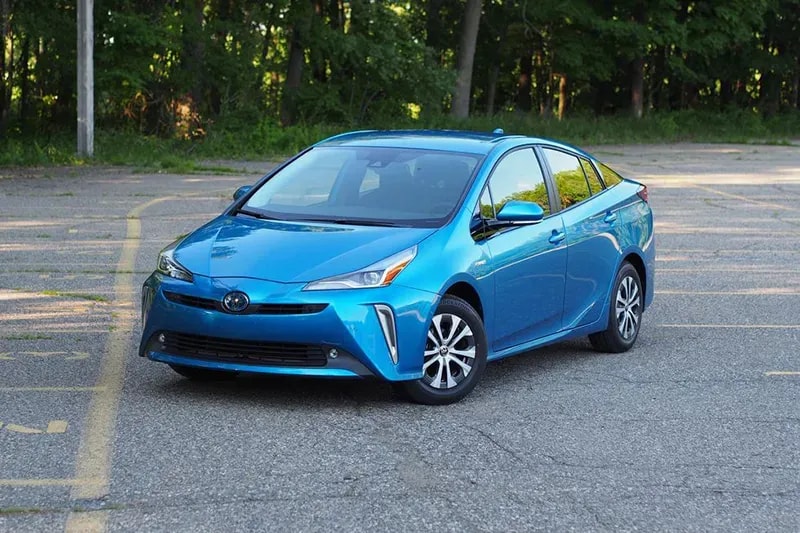
However, this combination confuses many car buyers because it functions both as a conventional hybrid (like the Toyota Prius) and can charge from the grid to travel short distances on electric power.
PHEVs are suitable for those who travel short distances daily, approximately 37 miles (60 km) according to the U.S. Department of Transportation statistics. With regular charging, users may only need to refuel every few months. But when longer journeys are needed or charging is unavailable, the vehicle still functions as a fuel-efficient hybrid.
Plug-in Hybrid Vehicles
PHEVs come in many forms:
Power-Split Hybrids
Most PHEVs use a power-split system, combining torque from a gasoline engine and an electric motor to drive the same axle. Manufacturers like Toyota and Ford use this configuration, often in front-wheel drive (like the Toyota Prius) or all-wheel drive vehicles.
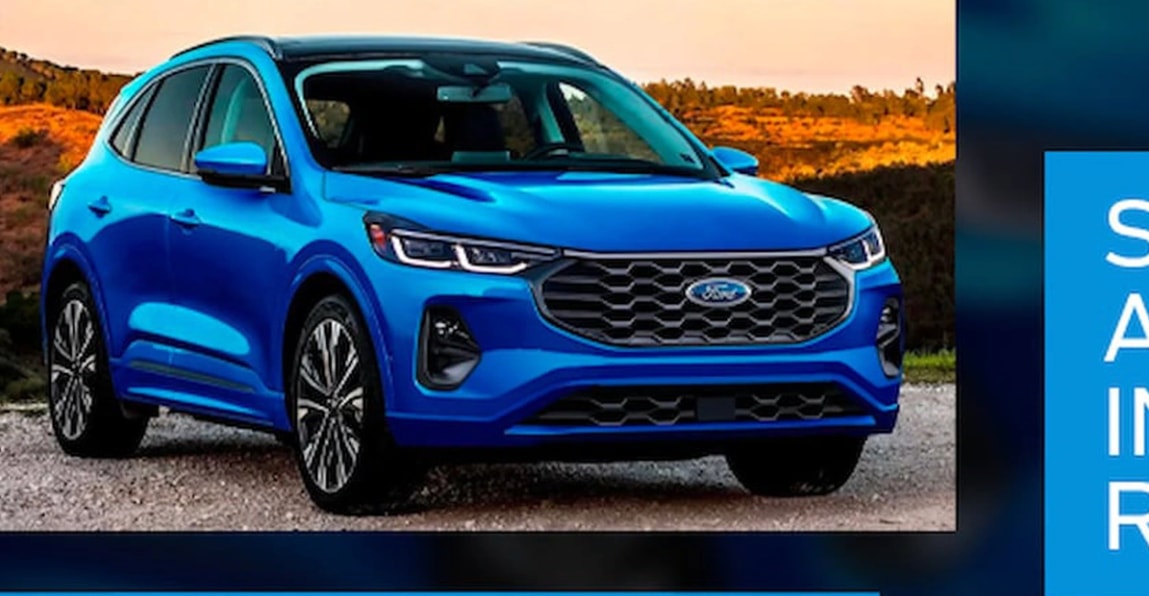
Four-wheel drive can be achieved via a mechanical driveshaft (like the 2005–2012 Ford Escape Hybrid) or an additional electric motor for the rear wheels (like the current Toyota Prius and RAV4 Hybrid). This system allows the vehicle to seamlessly switch between electric and gasoline power sources.
Series Hybrids
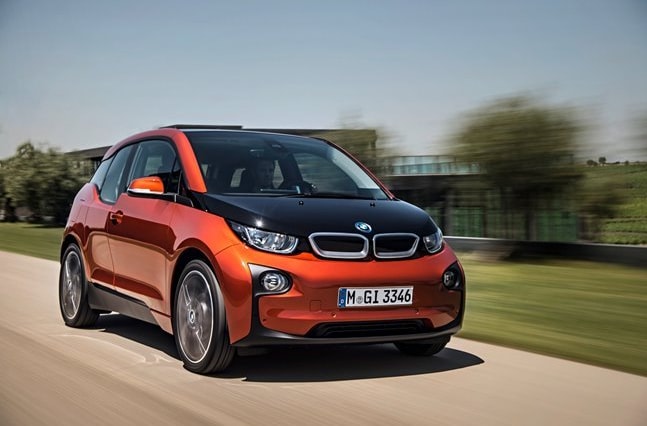
A rarer type is the series hybrid, where the gasoline engine is used solely to power a generator that charges the battery, and does not directly drive the wheels. The BMW i3 is one of the few models that uses this configuration.
Through-the-Road Hybrids
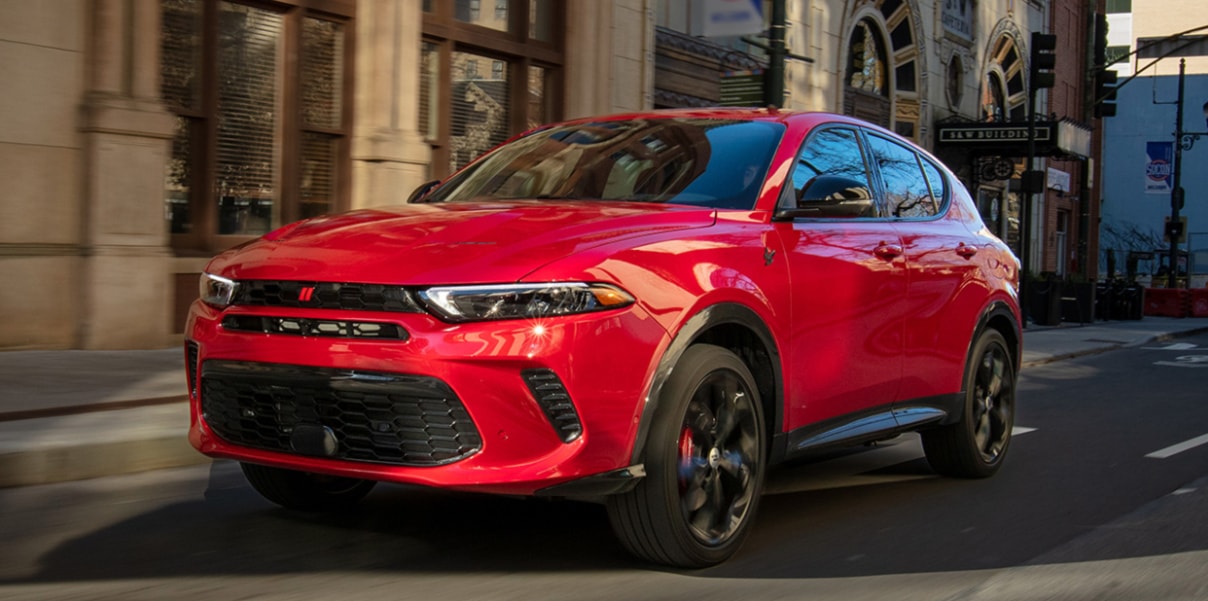
Some PHEVs use a gasoline engine to drive one axle and an electric motor for the other. A control system decides when to use electricity or gasoline to supplement power. The Dodge Hornet R/T and Alfa Romeo Tonale are examples, with a powerful electric motor driving the rear wheels and a smaller electric motor assisting the gasoline engine at the front.
Electric vehicle efficiency compared to pure electric vehicles.
PHEVs are generally less powerful when running solely on electric power compared to when combined with gasoline and electric power. For example, the 2024 Mazda CX-90 PHEV has a 173-horsepower electric motor, but the total hybrid output reaches 323 horsepower. This results in significantly slower acceleration in electric mode (11 seconds from 0-96 km/h) compared to hybrid mode (5.9 seconds).
The Chevrolet Volt (2011–2018) is an exception, with performance remaining virtually unchanged whether running on electric or hybrid power.
Whenever high power is needed, the gasoline engine will start and run for at least two minutes to warm up the catalytic converter, ensuring clean exhaust emissions. If the engine is used infrequently, repeated starting may occur even when power is only needed for a few seconds.
Do users of plug-in hybrid vehicles need to charge their batteries regularly?
A major issue with PHEVs is whether users charge the battery regularly. Without charging, the vehicle functions like a regular hybrid but is heavier and more expensive.
Data from GM and Ford in the 2010s showed that 75% of the Chevrolet Volt's range was electric. However, manufacturers like Toyota and Jeep currently do not release this data.
Even without charging, manufacturers still benefit from emissions regulation incentives, sometimes leading to PHEVs being seen as vehicles produced to meet regulations rather than actual customer needs. Stellantis, for example, prioritizes selling PHEVs in states with strict emissions regulations, but limits them to order-only options in other areas.


