
Porsche adjusts its EV strategy, profits drop 99%.
The costs of EV restructuring, a weakening Chinese market, and US tariffs resulted in Porsche's operating profit for the first nine months falling to €40 million, a margin of 0.2%; the third quarter saw a loss of €966 million.
Porsche reported a 99% drop in operating profit for the first nine months of the year, falling to €40 million, with a profit margin of just 0.2% compared to 14.1% in the same period last year. In the third quarter, the company recorded an operating loss of €966 million. The main reasons, according to the company, were exceptional costs incurred during a review of its electric vehicle strategy, coupled with weakening demand in China and pressure from US tariffs.
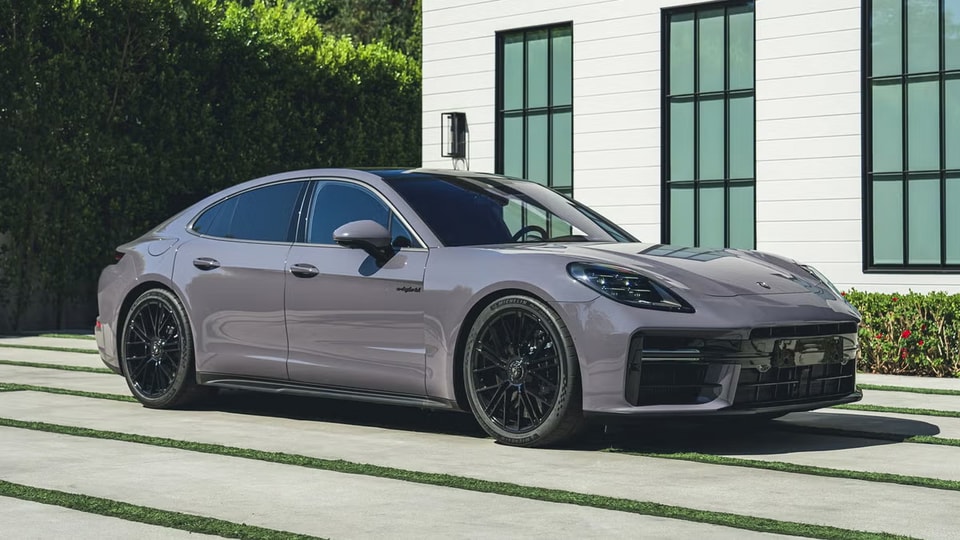
Adjusted EV strategy: retaining the role for internal combustion and hybrid engines.
Porsche initially aimed to increase the proportion of all-electric vehicles to 80% by 2030. However, the company has adjusted its plans, deciding to maintain a significant number of models using internal combustion engines and hybrids. As a direct consequence, Porsche plans to liquidate its battery manufacturing subsidiary, Cellforce (established in 2021).
The strategic restructuring has resulted in an estimated additional cost of €3.1 billion this year. According to the report, these expenses were heavily reflected in the third-quarter results, causing operating profit to turn negative. At the same time, costs related to US tariffs are estimated to increase by an additional €700 million.
Immediate financial impact through key indicators
| Target | September 2024 | Same period last year |
|---|---|---|
| Operating profit | 40 million Euros | 4 billion Euros |
| Operating profit margin | 0.2% | 14.1% |
| Operating loss in Q3 | -966 million Euros | — |
| Costs of strategic restructuring | 3.1 billion Euros (projected this year) | — |
| Costs due to US tariffs | 700 million Euros (projected this year) | — |
| Global vehicle delivery | 212,509 vehicles | 226,026 vehicles |
Market pressures: Weakening China, 15% US tariffs.
Porsche faces a "three-pronged crisis": a need to review its EV strategy, a slowing Chinese market, and US tariff policies. Without a US factory, Porsche is burdened with a 15% tariff on imported vehicles, reducing its competitiveness. The company states that the costs associated with tariffs have been eroding its business results.
In China, weakening demand for cars is a clear drag on luxury brands, including Porsche. This is reflected in a 6% drop in deliveries for the first nine months, down to 212,509 units, compared to 226,026 units in the same period last year.
Pricing and resources: price increase in the US, staffing review.
In response to cost pressures, Porsche will increase car prices in the US market. Additionally, the company is in discussions with unions about the possibility of further job cuts to optimize operating costs. These are short-term steps aimed at protecting profit margins in an unfavorable environment.
Consequences for the product portfolio
Maintaining a significant number of internal combustion and hybrid models indicates Porsche's adjustment of its transition towards purely electric vehicles. Simultaneously, the plan to divest Cellforce suggests the company will reduce direct investment in battery production. These steps are explained as a way to balance costs and market risks in the current period.
Outlook: Will we hit rock bottom this year?
Chief Financial Officer Jochen Bleckner stated, "This year will be the bottom, and business conditions will improve significantly from next year." However, the recovery outlook will largely depend on the pace of restructuring, demand developments in China, and the US trade policy framework.
Quick conclusion
- Positive points: The strategy was reviewed to align with market realities; cost and pricing control measures were implemented early.
- Key risks: Sharply declining profit margins; 15% US tariffs due to lack of domestic production; weak Chinese demand; large restructuring costs (€3.1 billion) and €700 million in pressure from tariffs.
- Follow-up: Speed of restructuring implementation, impact of Cellforce liquidation, market reaction to new pricing in the US.


