
Project Nightfall: Britain's long-range ballistic missile and Ukraine's firepower challenge.
The United Kingdom launched Project Nightfall to develop long-range ballistic missiles with a range of over 500 km for Ukraine, helping to bolster its deep strike capabilities and reduce its dependence on US weapons.
On January 11th, the United Kingdom officially announced the launch of Project Nightfall, a strategic weapons development program aimed at providing Ukraine with new long-range ballistic missiles. This move comes as Kyiv repeatedly calls on its allies to enhance their ability to strike military targets and infrastructure deep within enemy territory to alleviate pressure on their national air defense networks.

Technical characteristics and advantages of ballistic missiles
Ballistic missiles are offensive weapons with complex flight trajectories and extremely high speeds, completely different from conventional cruise missiles. While cruise missiles like the Flamingo use jet engines to fly at low altitudes with flat trajectories, ballistic missiles are propelled by rocket engines, soaring into the upper atmosphere before free-falling in an arc towards their target.
The greatest advantage of this type of weapon lies in its target approach speed, sometimes exceeding 3,200 km/h (equivalent to over Mach 2.6). At this speed, ballistic missiles become extremely difficult to intercept, even for modern air defense systems. Currently, only advanced systems like the US-made Patriot are capable of effectively countering these types of missiles.
Russia has used this type of missile with great effectiveness in Ukraine, often in combination with UAVs and cruise missiles to launch concentrated attacks on energy infrastructure.
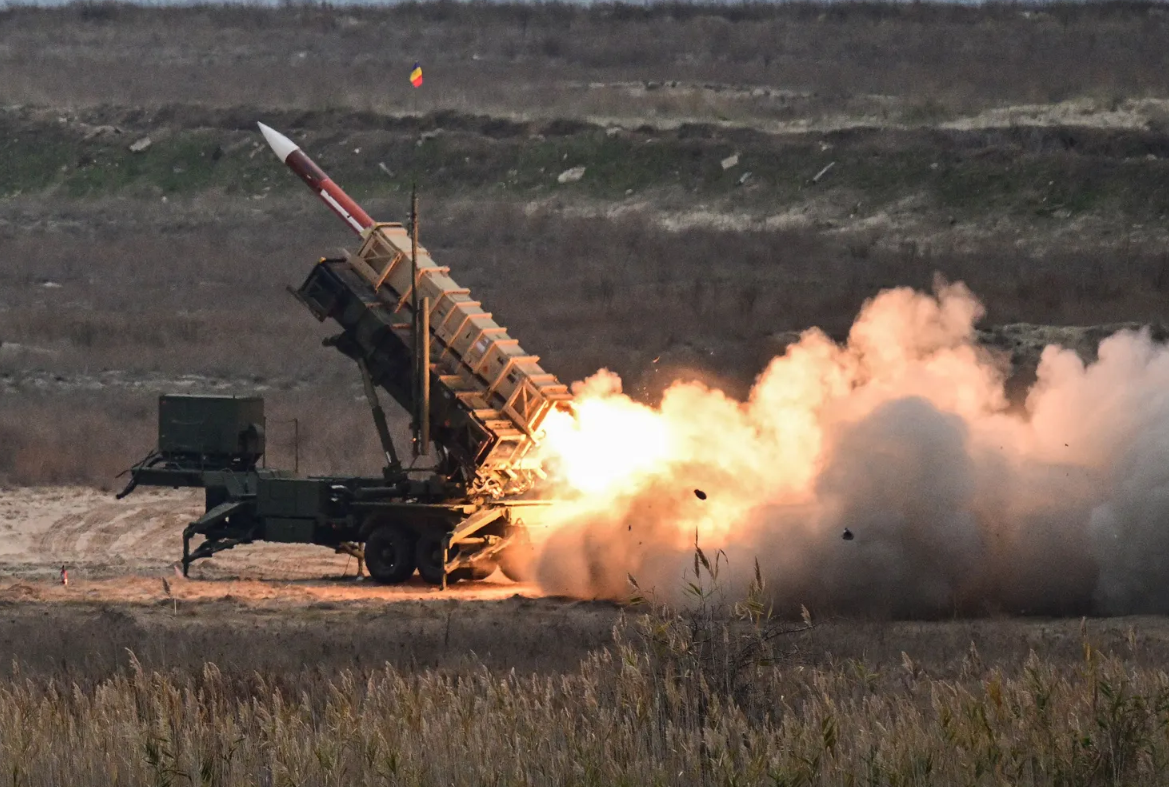
Current status of Ukraine's long-range firepower capabilities.
To date, the US-supplied ATACMS is the only ballistic missile that Ukraine operates. With a maximum range of approximately 300 km and the ability to be deployed from mobile HIMARS launchers, ATACMS has proven effective in targeting high-value objectives. However, aid from Washington is becoming scarcer and more unpredictable.
Professor Michael Clarke from King's College London believes that Project Nightfall is not only a solution to compensate for the dwindling ATACMS supply, but also reflects the strategy of Western allies in reducing their dependence on US arms supplies. At the same time, it also serves as a foundation for the UK to develop its own missile capabilities for its forces in the future.
Comparing Nightfall to the domestically produced Sapsan missile.
In addition to international projects, Ukraine is also promoting its domestic missile program called Sapsan (Hrim-2). Last June, this project reached a significant milestone when it entered mass production after field tests successfully destroying targets at a distance of nearly 300 km.
Although sharing a similar mobile design philosophy, Project Nightfall and Sapsan have different technical specifications:
- Range:Sapsan achieved a range of approximately 300 km, while Nightfall is expected to surpass 500 km.
- Warhead:Sapsan carried a warhead weighing over 480 kg, while Nightfall was designed with a lighter warhead, around 200 kg, to prioritize long-range engagement.
- Method of combat:Both systems utilize mobile launchers, allowing for rapid firing and withdrawal from position to avoid counter-fire.
This structure allows Ukraine to strike high-value targets before Russian forces can react – similar to how ATACMS systems are used with HIMARS missiles.
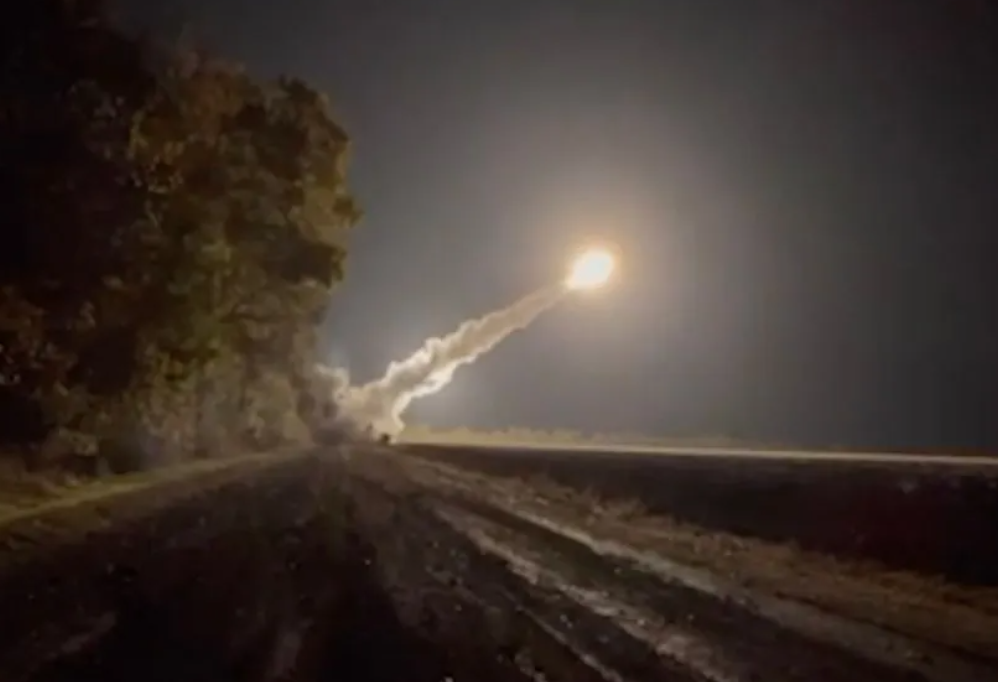
Implementation roadmap and practical challenges
Although Project Nightfall promises to significantly enhance Ukraine's military capabilities, experts warn that this weapon is unlikely to appear on the battlefield in the short term. According to the UK Ministry of Defence's plan, development contracts worth $36 million will be signed in March 2026, with the goal of creating the first prototypes for testing within a year thereafter.
Mykhailo Samus, Director of the Network for New Geopolitical Studies, stated that the development cycle for a new ballistic missile typically lasts from several months to several years. In the context of the current conflict, it is highly likely that Ukraine will deploy its domestically produced Sapsan missile on a larger scale sooner than the Nightfall, as it has already completed its basic development stages.
Overall, Project Nightfall is more of a long-term commitment to security than an immediate solution to the current conflict.


