
Qualcomm develops Snapdragon 8 Elite Gen 6 Pro: 2nm chip for Ultra flagships.
The upcoming Snapdragon 8 Elite Gen 6 will utilize TSMC's 2nm N2P process, with the Pro version supporting LPDDR6 RAM and a maximum clock speed of 6GHz.
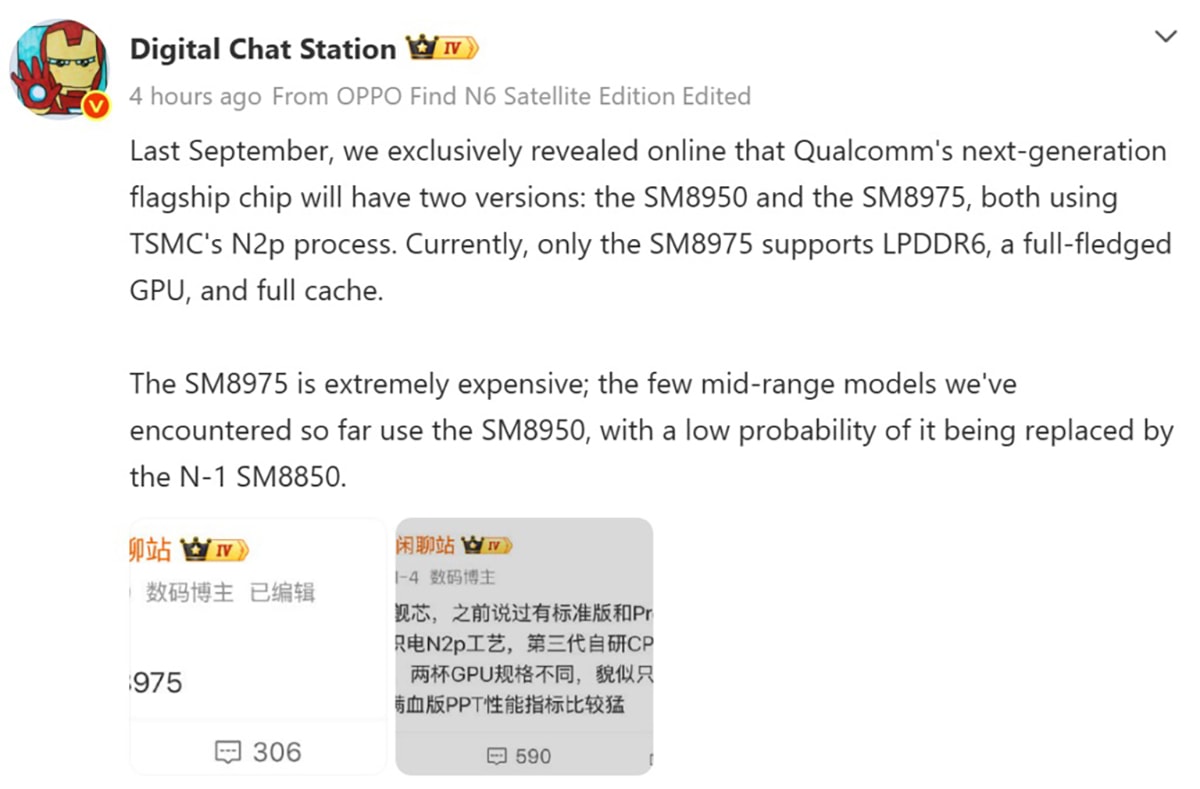
Qualcomm is developing the next generation of Snapdragon 8-series processors with two component model numbers: SM8950 and SM8975. These two chips are expected to be commercially named Snapdragon 8 Elite Gen 6 and Snapdragon 8 Elite Gen 6 Pro, aiming to set a new performance standard for the high-end Android smartphone market.
2nm N2P architecture: A leap forward in performance per watt.
According to leaked information from the supply chain, both the Snapdragon 8 Elite Gen 6 and its Pro variant are manufactured using TSMC's most advanced N2P (2nm) process. The shift from the current 3nm process to 2nm not only delivers a pure performance boost but also significantly optimizes power consumption. This is crucial for next-generation smartphones to maintain high clock speeds without overheating.
Snapdragon 8 Elite Gen 6 Pro: When mobile chips approach PC power.
Qualcomm is adopting a more pronounced product tiering strategy for its new chip line. The Snapdragon 8 Elite Gen 6 Pro (SM8975) is described as a "full option" variant with a fully enabled GPU and a more complete caching system. Notably, the Pro variant will support the latest LPDDR6 RAM standard, allowing for data bandwidth far exceeding current standards.
Below is a comparison table of the expected specifications between the two versions:
| Parameter | Snapdragon 8 Elite Gen 6 | Snapdragon 8 Elite Gen 6 Pro |
|---|---|---|
| Component code | SM8950 | SM8975 |
| Process | 2nm (TSMC N2P) | 2nm (TSMC N2P) |
| RAM support | LPDDR5X | LPDDR6 |
| Maximum clock speed | Undetermined | 5GHz - 6GHz |
| Target segment | Near flagship / Flagship | Flagship Ultra |
Positioning the Ultra flagship segment and the strategies of manufacturers.
The power of the Snapdragon 8 Elite Gen 6 Pro will be prioritized for Ultra-branded smartphones, which require extremely powerful image processing and AI capabilities. Reports indicate that the Xiaomi 17 Ultra, OPPO Find X10 Ultra, and vivo X500 Ultra will be among the first to utilize this SM8975 chipset.
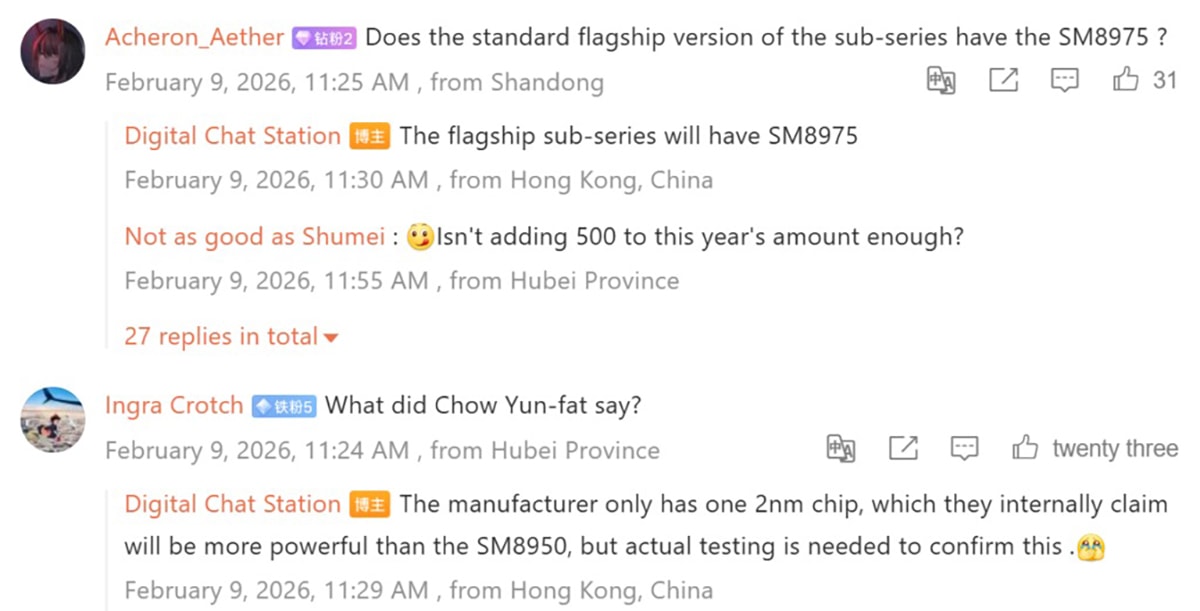
Meanwhile, the standard SM8950 version offers greater versatility. Some manufacturers are testing this chipset for "high-end - near-flagship" models. Some brands might even consider reusing the previous generation SM8850 chip to optimize costs for lower-end segments, creating a clear differentiation in user experience.

The 2nm battleground: Qualcomm goes head-to-head with MediaTek.
The mobile processor market at the end of the year will witness a two-horse race on the 2nm process. MediaTek is reportedly developing the Dimensity 9600 with the ambition of surpassing Qualcomm in terms of pure performance. This competition will push both companies to optimize their CPU core architecture and graphics processing capabilities to maintain their position in the high-end segment.

The Snapdragon 8 Elite Gen 6 series is expected to officially launch later this year, ushering in the era of 2nm smartphones with breakthroughs in clock speeds and memory technology.


