
The US military is developing combat robots that don't need GPS.
The U.S. Combat Capabilities Development Command is investing $1.5 million in developing an autonomous robotic system capable of flexible and independent coordinated combat operations.
The U.S. Army Combat Capabilities Development Command (DEVCOM ARL) has signed a $1.5 million, five-year cooperation agreement with Purdue University to develop a new generation of highly autonomous robots. The project aims to eliminate reliance on GPS navigation systems – a vulnerability easily exploited in environments with strong electronic warfare or jamming.
Multi-agent coordinated tactics
The project is led by Associate Professor Aniket Bera at the Intelligent Design for Exploration and Augmented Systems (IDEAS) Lab. Instead of focusing on individual machines, the research team is building a coordinated ecosystem between drones and ground robots.
In combat scenarios, drones act as aerial reconnaissance units, providing panoramic data on terrain and threats. This information is transmitted directly to ground robots to build real-time 3D maps. This mechanism allows the system to accurately locate and move independently without the need for satellite signals.
This system is likened to a "shared nervous system," where robots think together. When a drone detects an obstacle, ground units immediately receive the information to automatically recalculate the route, increasing reaction speed and accuracy in situational awareness.
Embodied AI technology
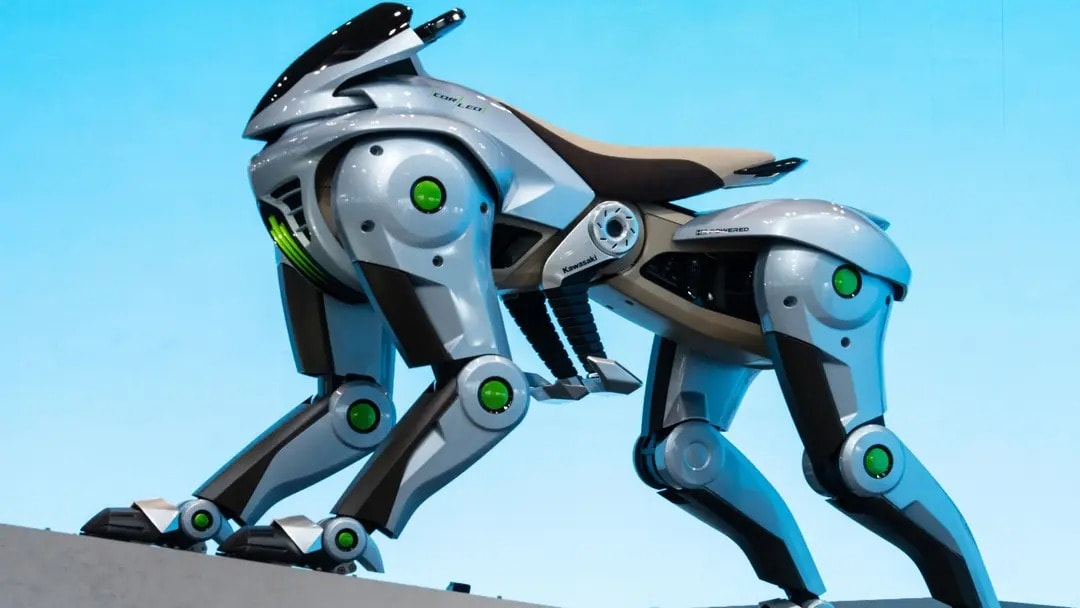
The project's technical focus lies in the concept of "embodied AI." Unlike purely server-based artificial intelligence models, embodied AI requires robots to interact physically and adapt to real-world environments. At Purdue's Hicks Robotics and Autonomy Testbed, experts are training robots to navigate through rubble, avoid simulated gunfire, and navigate independently within buildings isolated from radio waves.
The ability to learn and reason independently allows robots to not only passively follow orders but also make tactical decisions based on the field. This reduces the control burden on soldiers, allowing them to focus on more complex command tasks.
Prospects for multi-field applications
While its primary focus is on defense applications such as automated reconnaissance and logistics planning, this technology also has significant potential in civilian applications. Its ability to operate independently of telecommunications infrastructure is crucial for search and rescue missions in areas devastated by natural disasters.
The transition from individual robots to intelligent multi-agent systems marks a significant leap forward in military technology. When completed, the project promises to transform how militaries operate on the modern battlefield, minimizing risks for frontline forces through the support of reliable robotic allies.


