
Managing small-scale livestock farming helps reduce environmental pollution.
In many localities of Nghe An province, small-scale livestock farming interspersed within residential areas still persists, causing environmental pollution, conflicts, and directly affecting people's health. In reality, strict enforcement of laws and regulations on livestock farming and environmental protection is an urgent requirement.
Many shortcomings
Household livestock farming is a long-standing practice that helps utilize agricultural by-products and generate additional income for many families. However, with increasing population density and shrinking living spaces, this form of farming has revealed many shortcomings. Livestock pens are built close to houses, failing to maintain safe distances; waste collection and treatment systems are inadequate; and wastewater and livestock waste are discharged directly into the environment… all of which are causing air and water pollution, seriously affecting the lives and health of surrounding residents.
Recently, Nghe An Newspaper and Radio and Television received complaints from residents of Hoa Thanh hamlet, Duc Chau commune (formerly Dien Hong commune, Dien Chau district) regarding the prolonged environmental pollution caused by livestock farming in the residential area. According to the complaints, Mr. NVL's household raises pigs right next to his house, failing to maintain the required distance and lacking a proper waste treatment system. The foul odor is constant, particularly severe on hot days, disrupting the lives of neighboring households.
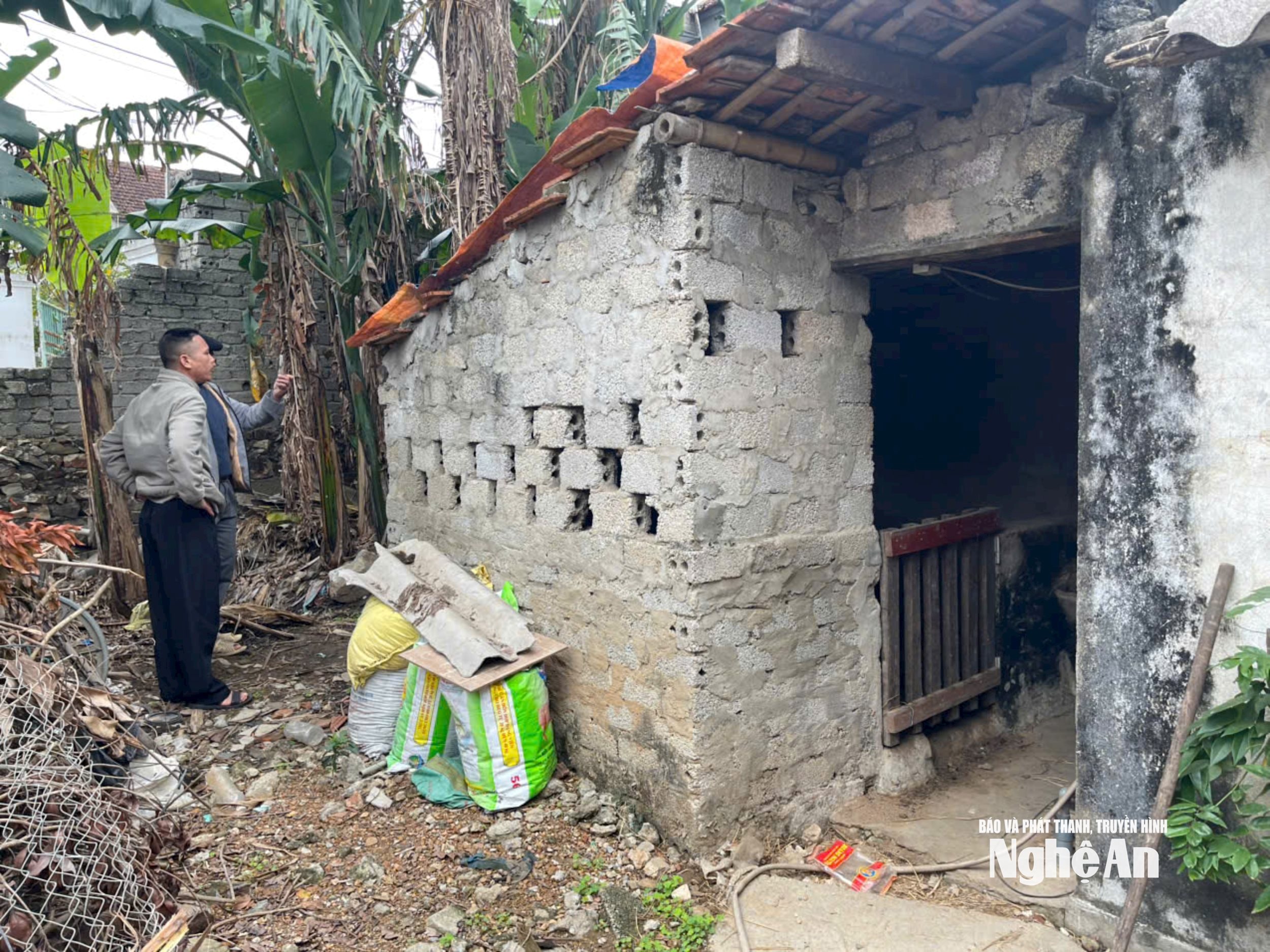
Besides causing unpleasant odors, during heavy rains, wastewater and livestock waste from the farm risk overflowing into the surrounding area, posing a potential threat of soil and water pollution and disease outbreaks. This situation has persisted, causing frustration among many residents, who have repeatedly petitioned the local authorities, hoping for a definitive solution to ensure a clean living environment and maintain order in the residential area.
Upon on-site inspection, representatives from the Economic Department of the Duc Chau Commune People's Committee confirmed that the livestock pens were built close to residential areas and lacked adequate waste collection and treatment measures; wastewater was primarily discharged directly into the environment. This situation not only causes immediate pollution but also poses a long-term risk of pollution if not addressed promptly, affecting public health and creating conflicts in the lives of residents.
Strengthen livestock management and strictly enforce legal regulations.
Speaking with reporters, a representative from the Economic Department of the Duc Chau Commune People's Committee stated that the local authorities have fully grasped the residents' concerns regarding livestock farming activities causing environmental pollution in the area. In the coming time, the commune will coordinate with relevant agencies to conduct inspections, reviews, and comparisons with current regulations on livestock farming and environmental protection. Based on this, livestock farmers will be required to rectify existing problems, implement additional waste treatment measures, or develop plans to relocate and cease livestock farming activities if they do not meet the required conditions.
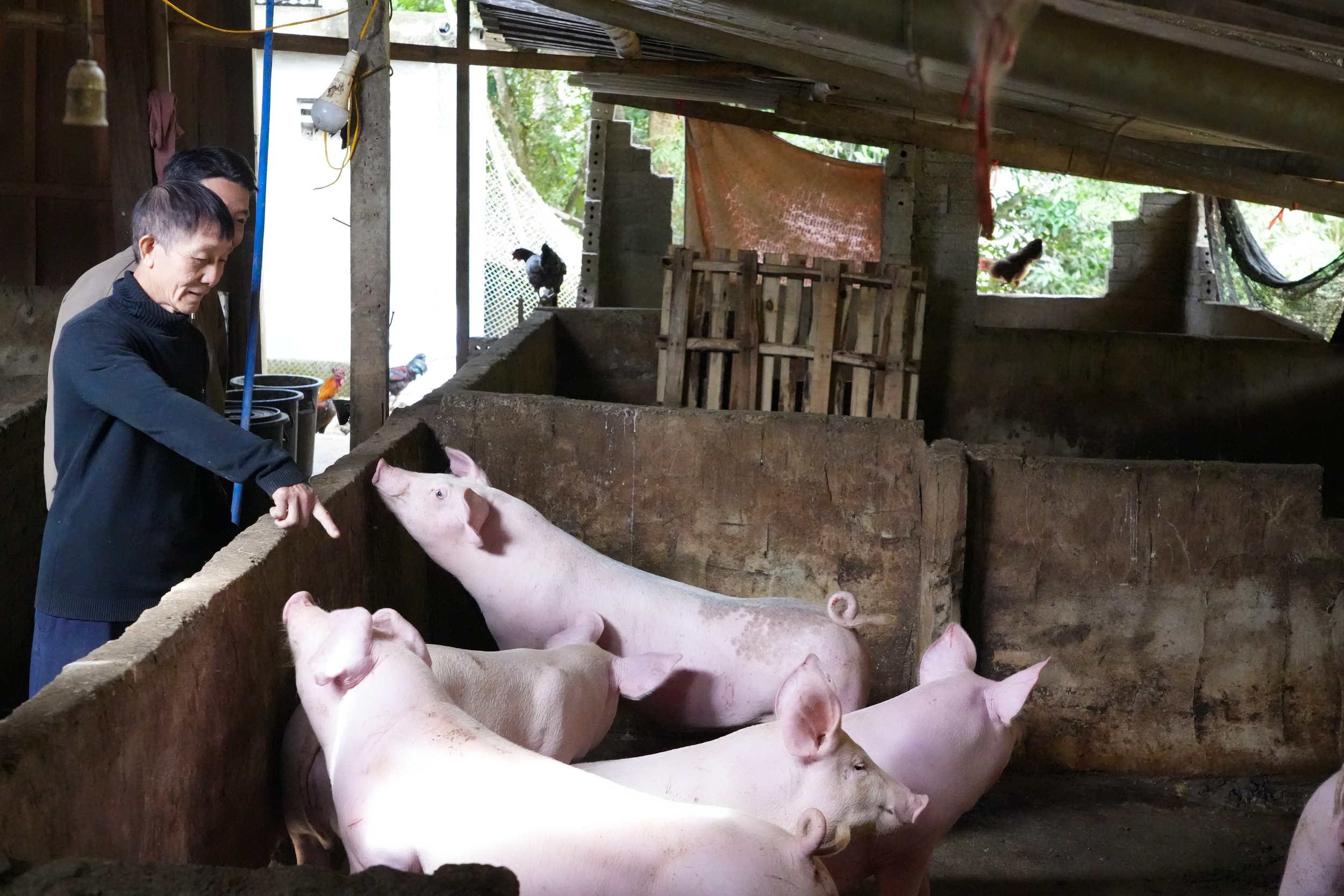
In reality, small-scale, scattered livestock farming in residential areas in Nghe An province remains quite common. Livestock waste is not collected and treated thoroughly; wastewater is discharged directly into ditches, ponds, and lakes, causing prolonged environmental pollution. Foul odors, flies, and mosquitoes proliferate year-round, especially during the hot season, not only affecting daily life but also posing a risk of disease outbreaks and negatively impacting people's health.
In response to this situation, and in order to bring about significant changes in livestock management and environmental protection, on December 12, 2025, the People's Council of Nghe An province issued Resolution No. 37/2025/NQ-HĐND, stipulating areas where livestock farming is prohibited and policies to support the relocation of livestock facilities from these prohibited areas within the province. The resolution, effective from December 22, 2025, clearly defines the scope of prohibited livestock farming areas in many wards and communes throughout the province.
According to this Resolution, throughout Nghe An province, many areas in 30 wards and communes will be designated as areas where livestock farming is prohibited. The specific scope includes hundreds of blocks, hamlets, residential areas, roads, and urban functional zones, as clearly defined in the attached list. This is considered an important legal basis for localities to strengthen management, inspection, supervision, and handling of violations, gradually restoring order in livestock farming activities.
In fact, the requirement to move livestock farming out of residential areas is not an entirely new regulation. According to the 2018 Livestock Law, from January 1, 2025, livestock facilities are not allowed to operate in residential areas, inner cities, or urban centers. However, due to many objective and subjective reasons, implementation in some localities has been slow and inconsistent, leading to the continued existence of small-scale livestock farming in residential areas, causing environmental pollution and generating many social consequences.
The issuance of Resolution No. 37/2025/NQ-HĐND by the Nghe An Provincial People's Council is seen as a concrete step in implementing legal regulations and simultaneously meeting the legitimate aspirations of the people for a clean and safe living environment. The resolution not only reorients livestock farming activities to align with the local agricultural economic development plan but also provides a clear legal basis for authorities at all levels to resolutely handle violations and raise public awareness of environmental protection laws.
From a state management perspective, tightening regulations on livestock farming in residential areas is a necessary requirement in the context of rapid urbanization, increasing population density, and increasingly stringent living environment standards. Relocating livestock farming out of residential areas, establishing concentrated farming zones, and applying appropriate technical procedures will not only contribute to minimizing environmental pollution and controlling diseases more effectively, but also aim for sustainable development and the establishment of a civilized lifestyle in residential areas.


