
Land and mineral resource management: Comprehensive solutions are needed.
The prolonged backlog in issuing land use right certificates; loopholes in land management and use being exploited for land subdivision and sale; and numerous shortcomings in the management and exploitation of mineral resources… are among the issues that the Nghe An Provincial People's Council will address during its working session on the morning of July 14th. Experience from many localities shows that behind the figures and reports, there are still many obstacles that need to be clarified, with responsibilities identified, causes pinpointed, and effective solutions proposed.

People are weary of waiting for their land ownership certificates.
Between 2010 and 2013, the compensation, support, and resettlement plan for the Khe Bo Hydropower Plant section passing through Tuong Duong commune was approved. Although located within the relocation zone, five households in Hoa Dong hamlet, Tuong Duong commune, including Ms. Quang Thi Phong, Ms. Le Thi Quang, and Mr. Nguyen Duy Cong, submitted applications requesting not to be resettled and to remain in their original location.
Following the historic floods of 2018, to ensure safety, the authorities required five households to relocate to the Vuon Xoai resettlement area. In 2019, these households drew lots to receive land plots. However, due to incomplete procedures for issuing land use rights certificates and compensation for assets lost at their previous location, they have been unable to move to their new homes for many years.
In July 2025, when the raging floodwaters swept through, Ms. Quang Thi Phong's family lost everything as their house was completely washed away. In the prefabricated house provided by the Ministry of Public Security, Ms. Phong shared: "I had to temporarily stay at the old town hall. Then, when the Procuratorate reclaimed the building, I had to live in another kiosk. It wasn't until the Ministry of Public Security built this prefabricated house that I finally have a place to live now." Significantly, the house was built on the very plot of land Ms. Quang Thi Phong had drawn in a lottery many years ago, but for which she had not yet been issued a land use certificate.
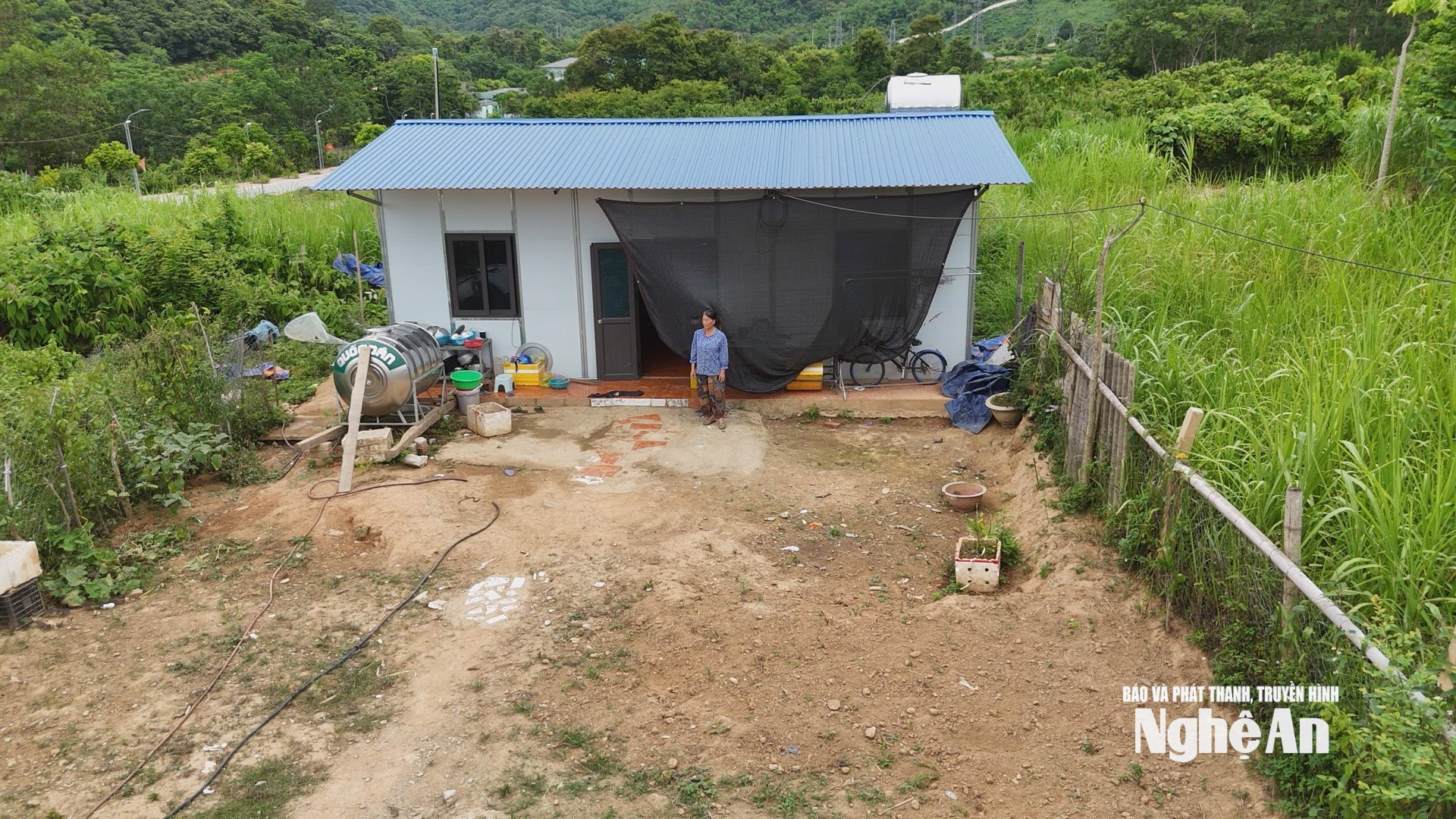
Five households with adjacent land plots, numbered from 1 to 5, are located in the Vuon Xoai Resettlement Area, Hoa Nam hamlet. As of mid-June 2026, except for Ms. Quang Thi Phong's house, the remaining plots were still overgrown with weeds. Among them, Mr. Nguyen Duy Cong's plot, number 2, has an area of 206.6 m².2Standing at the plot of land that was allocated to them by lottery many years ago, Mr. Cong shared: "What we hope for most is to soon receive the Certificate of Land Use Rights and complete the compensation process so that we have a legal basis, funds to build a house, and stabilize our lives."
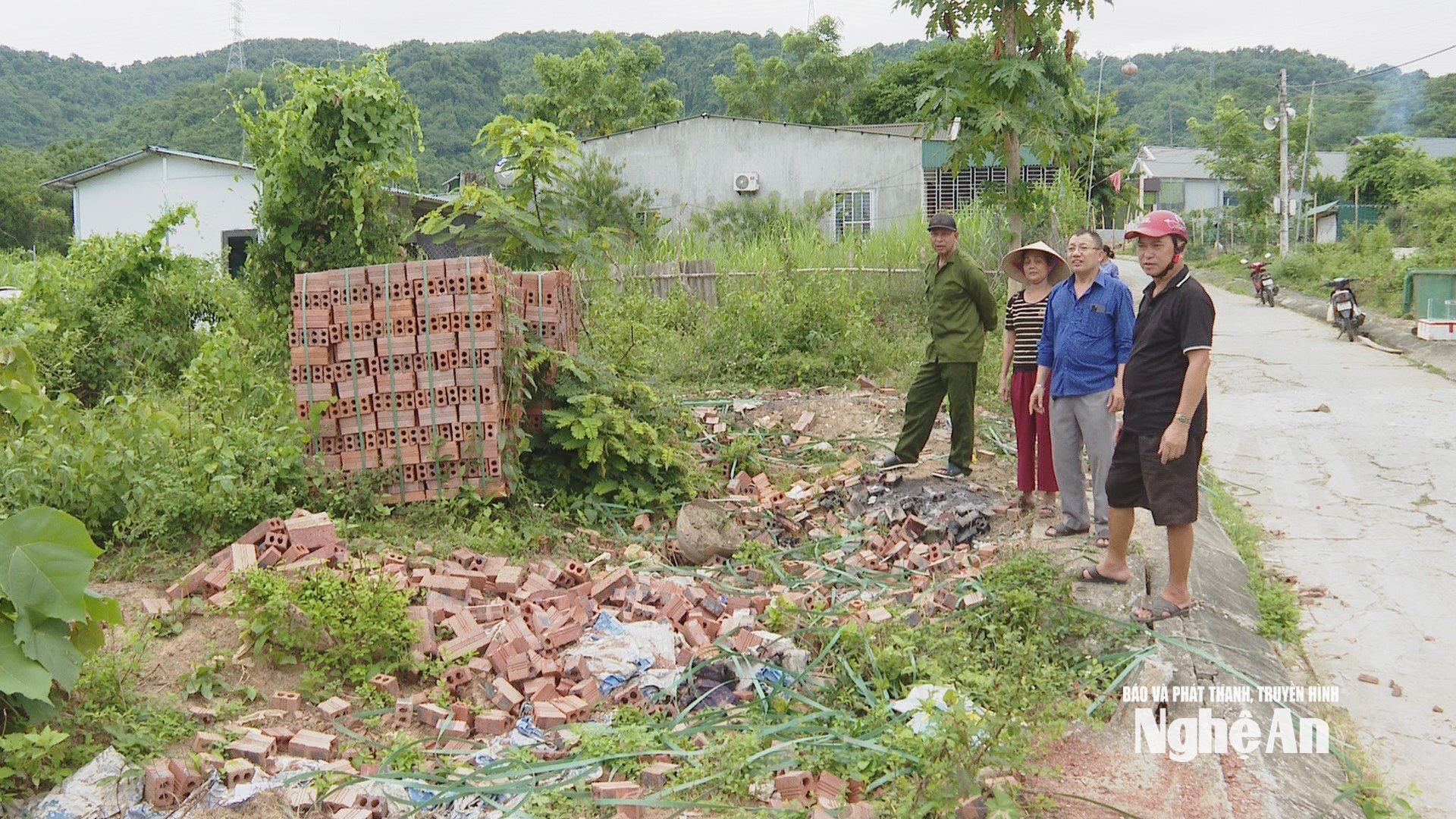
Through discussions with the investor of Khe Bo Hydropower Plant, Mr. Dang Thai Son - Deputy Head of Investment and Construction Department, Vietnam Electricity Development Joint Stock Company, stated that regarding compensation and resettlement support, the investor is always ready to disburse funds to the Land Compensation and Resettlement Council if all procedures are completed. However, in the case of these five households, after the lottery, the Compensation Council at that time had not yet determined the affected land plots and developed a compensation plan for the new location, so the residents had not moved. Recently, Tuong Duong commune has only just implemented this.
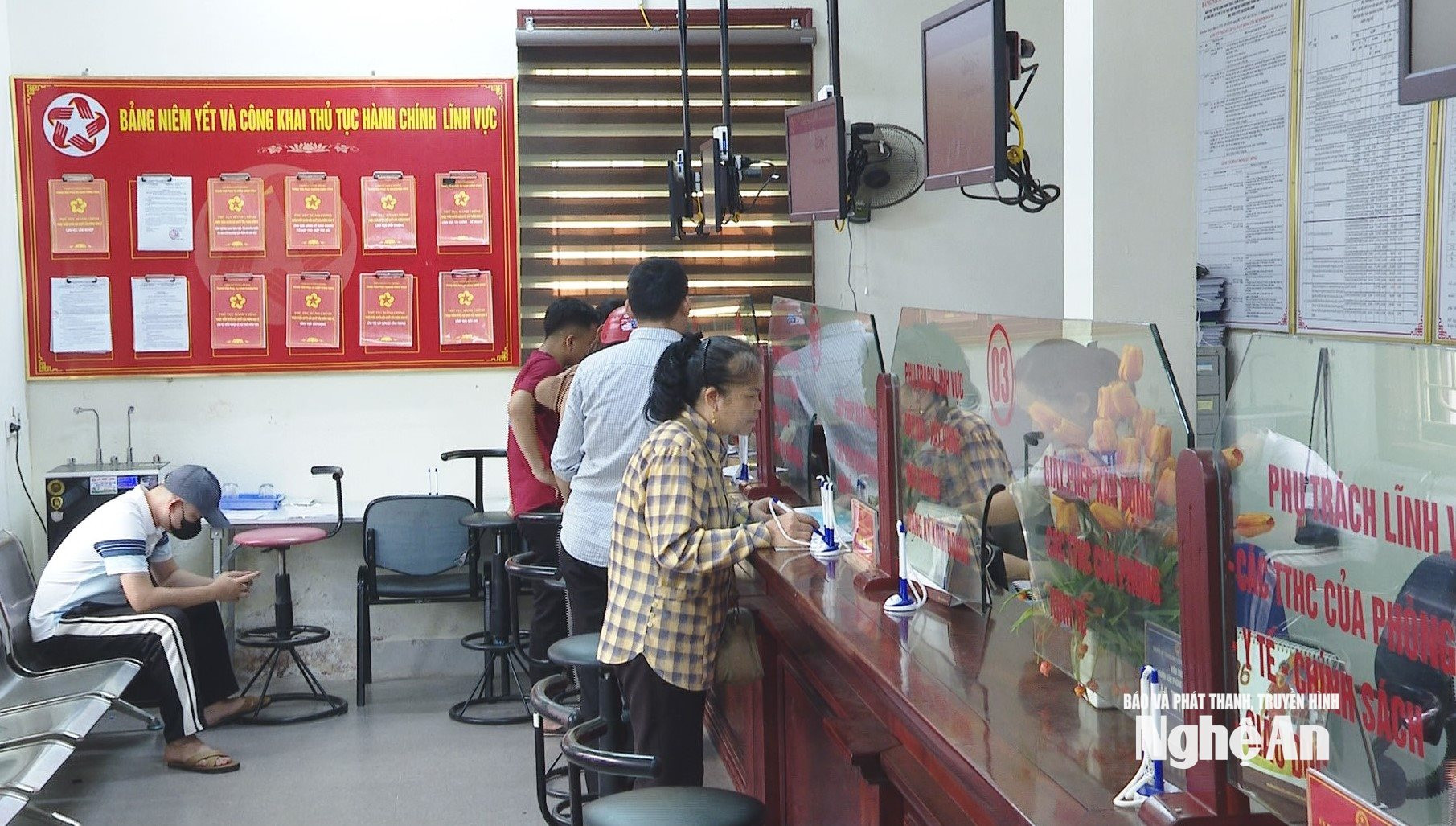
According to Mr. Nguyen Hong Tai, Chairman of the People's Committee of Tuong Duong commune, the biggest obstacle is that the project was approved between 2010 and 2013, while policies on land prices and compensation have changed. Currently, the commune has completed the determination of land prices at the original and new locations to issue land certificates to the people; however, they are seeking opinions from specialized agencies at the provincial level regarding property compensation.
It's not just the five households in the Vuon Xoai resettlement area. A review reveals that Tuong Duong commune currently has approximately 450 pending applications for land use rights certificates, of which over 300 relate to households in the Khe Bo hydroelectric reservoir area. This large backlog indicates that this is no longer just a matter for individual households, but a problem that needs to be addressed at the management level.
According to a report by the Department of Agriculture and Environment, the province currently has approximately 40,005 outstanding land use cases that have not been granted land use right certificates. Of these, 24,023 cases involve land use without documentation, 7,471 cases involve land allocated illegally, and 5,431 cases involve land use violations.
Years of waiting for a land use right certificate mean that people's legitimate rights are not fully guaranteed, and building houses, mortgaging for loans, or conducting civil transactions all face many difficulties. These long-standing issues necessitate the early issuance of unified guidelines, the removal of procedural obstacles, and the clear definition of responsibilities at each level and sector in processing land use right certificate applications.
Loopholes in land reclamation policies
While in many localities the issuance of land use right certificates still faces numerous protracted bottlenecks, in other areas, the implementation of new regulations on the improvement of garden land and agricultural land adjacent to residential land is revealing loopholes.
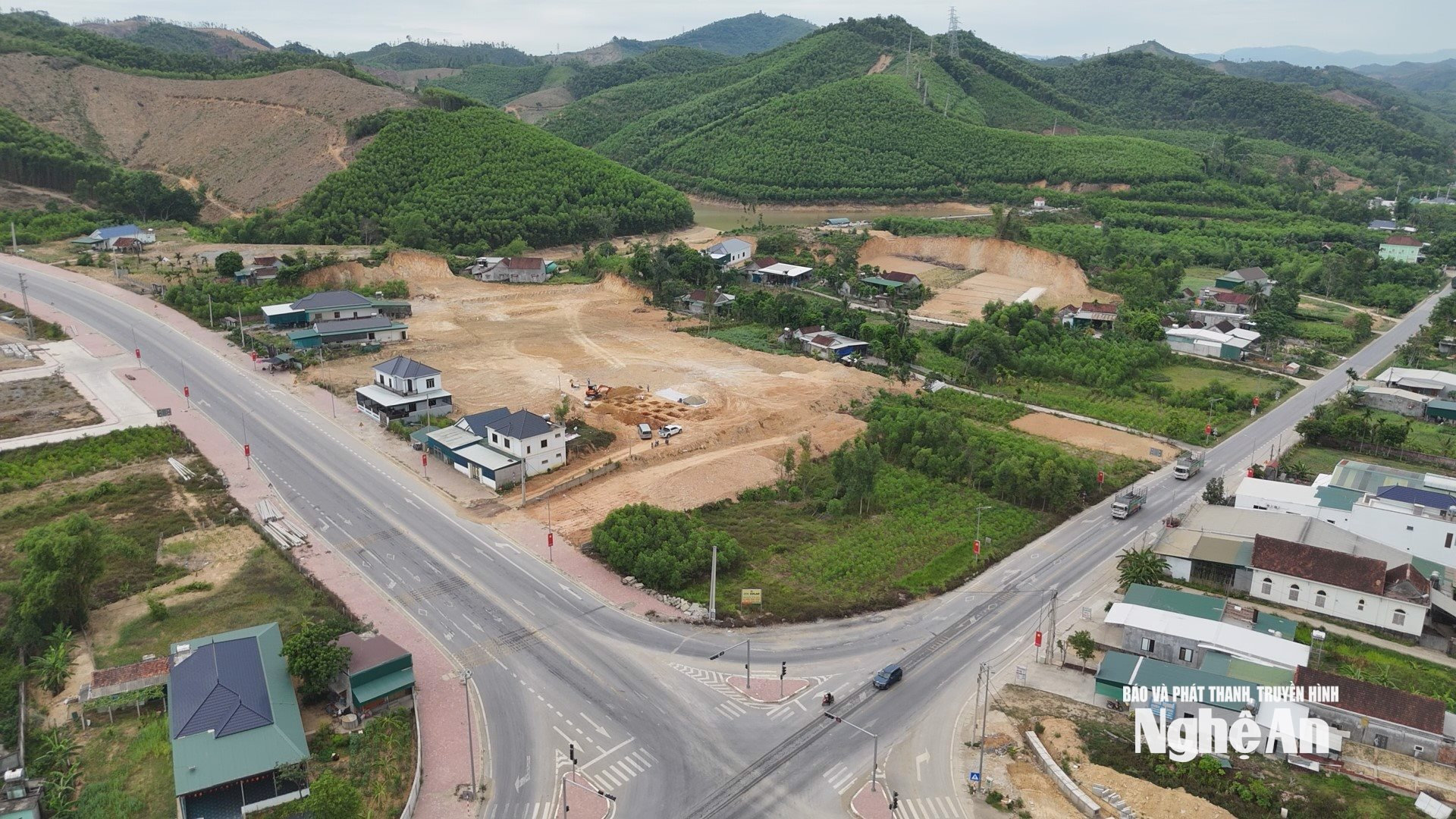
In Tan Son hamlet, Tan Ky commune, right at the corner of the Ho Chi Minh Trail and National Highway 7C, nearly ten thousand square meters have been constructed from March 2026 to the present.2The residential land and adjacent hillside land belonging to four households have been granted permits for renovation. However, in reality, the entire area is becoming a planned zone for subdividing residential land. Ms. Dao Thi Tu, one of the four households that applied for land renovation permits here, frankly admitted: "We'll renovate the land and then sell it to whoever wants to buy it."
When reporters questioned whether these land plots had been transferred or had been acquired through prior agreements, but were still registered under the names of local households to facilitate land reclamation and leveling for future subdivision and transfer, Ms. Truong Thi Hai, Deputy Head of the Economic Department of Tan Ky Commune People's Committee, explained:"Here, garden land and agricultural land are located within the same plot as residential land. Regarding land use planning, the current status here is also a residential area. For land law issues, if the land use purpose is changed, the commune will still follow regulations. As for land subdivision, consolidation, or the creation of shared access roads, the responsibility for land registration changes rests with the branch office of the land registration office."
As expected, although the procedures and legality are still unclear, in early July 2026, several social media accounts began advertising land plots in this area with attractive offers. The sales video showed a 7-meter-wide shared access road already opened to the land.
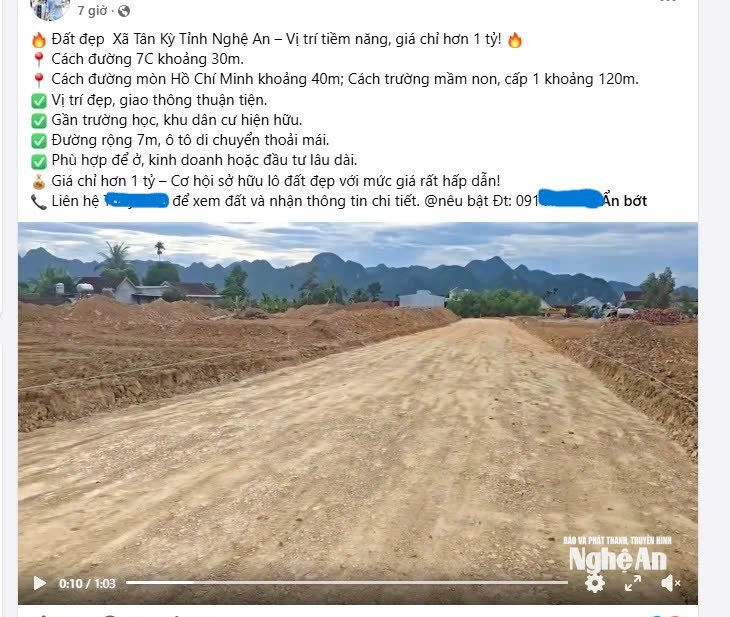
In fact, in March 2026, the Department of Agriculture and Environment issued a document guiding the implementation of regulations of the Law on Geology and Minerals under the authority of the Chairman of the People's Committee at the commune level with two purposes: to address the needs of people in renovating and constructing works on residential and agricultural land, and to contribute to meeting the demand for local materials, helping to reduce construction costs and ensure the progress of key projects in the province.
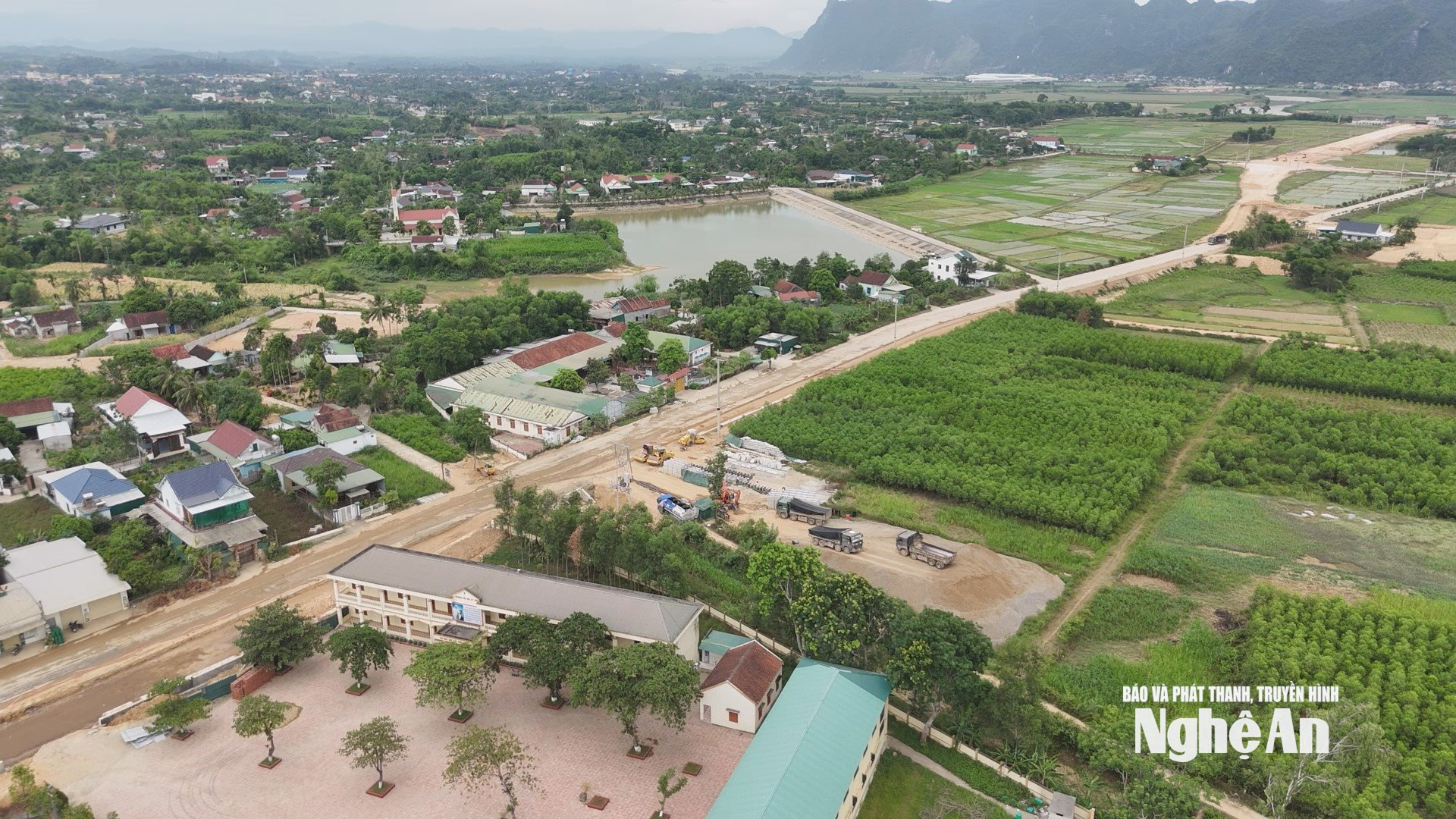
The policy aimed at alleviating difficulties for the people and supplementing local material sources is necessary. However, the actual implementation shows that in some localities, land reclamation has been linked to the purpose of subdividing and transferring land. For example, in Tan Son hamlet, Tan Ky commune, the Cau Roi 2 Bridge Project and its approach roads are underway, but tens of thousands of square meters of land have already been used.3The reclaimed land did not go into this key project, but was mostly provided to a local business. Ms. Truong Thi Hai, Deputy Head of the Economic Department of Tan Ky Commune People's Committee, stated that the document from the Department of Agriculture and Environment said: the land was reclaimed to serve projects. However, at the time of confirming the applications for the households, there was only one project in the area (Roi Bridge 2 Project). Even so, this project had already been approved for investment. Therefore, taking land here would be contrary to the approved decision.
The problem of construction material supply
Nghe An province enters 2026 with many key projects underway, creating a huge demand for soil and sand. However, in reality, when authorities intensify inspections, boats and vessels remain docked, leading to an imbalance in the supply of construction sand and escalating prices. The core reason is that most boats and vessels used for sand extraction on Nghe An's river systems lack proper inspection.
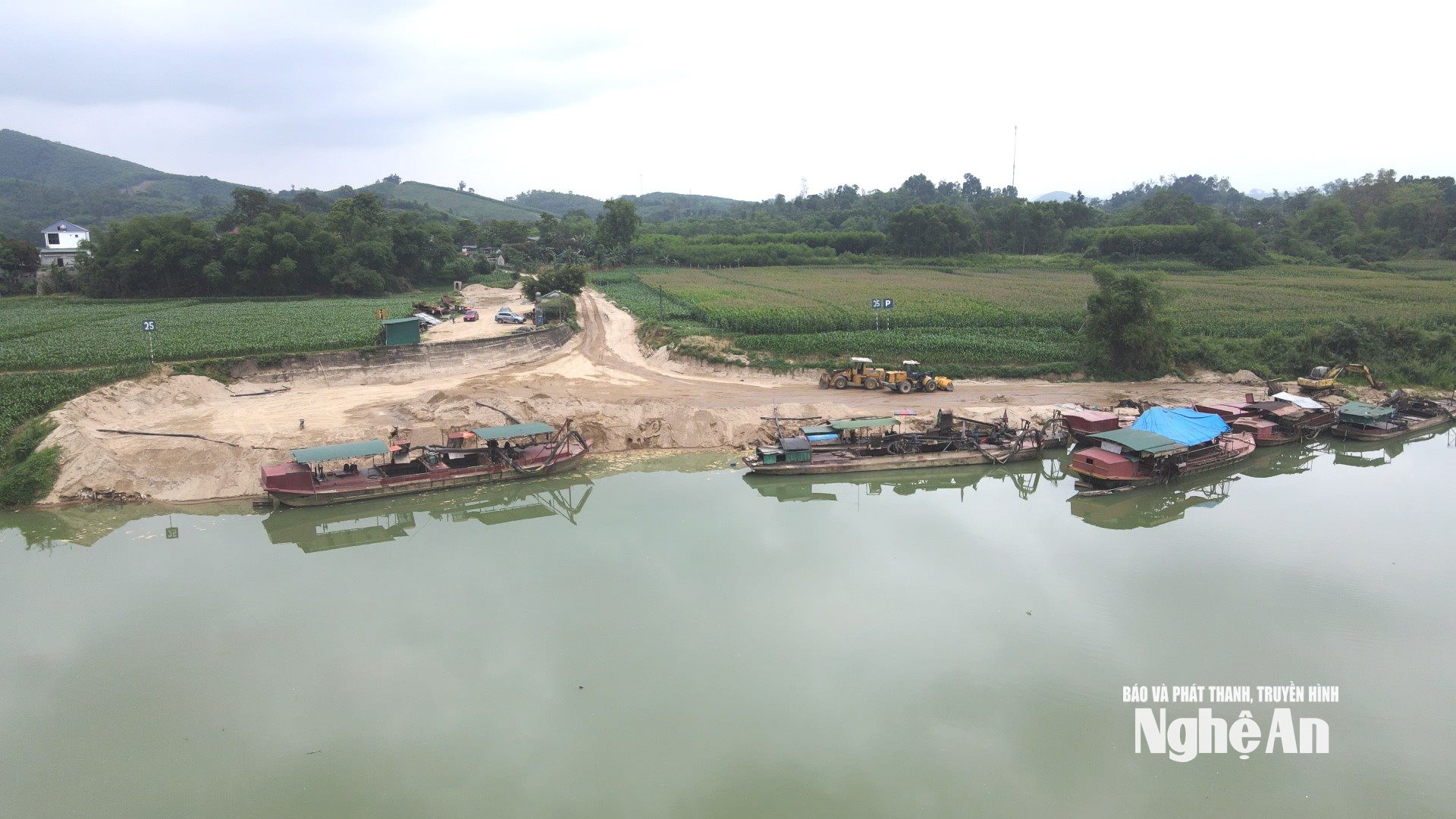
Mr. Do Minh Hai, manager of the inland waterway sand and gravel trading terminal of Anh Phuong Dan Company in Yen Xuan commune, explained: "The general situation for businesses in Anh Son (formerly Anh Son district) is that most of our ships and boats have expired registration. Registration is very difficult because, according to regulations, we have to bring the ships and boats to the Ben Thuy Port area for inspection. Meanwhile, transporting ships and boats by road is very difficult because they are all oversized and overweight cargo. Moving them by river causes them to run aground and they can't pass through the Do Luong Brine. Furthermore, even if the ships at our terminals were to register, it would be very difficult for them to meet the standards."
Strict management to ensure safety is necessary, but when the number of qualified mining vehicles decreases sharply, the supply of materials is also affected, leading to a sharp increase in sand prices. The challenge is how to both ensure state management and alleviate difficulties for businesses so as not to disrupt the supply chain serving development.
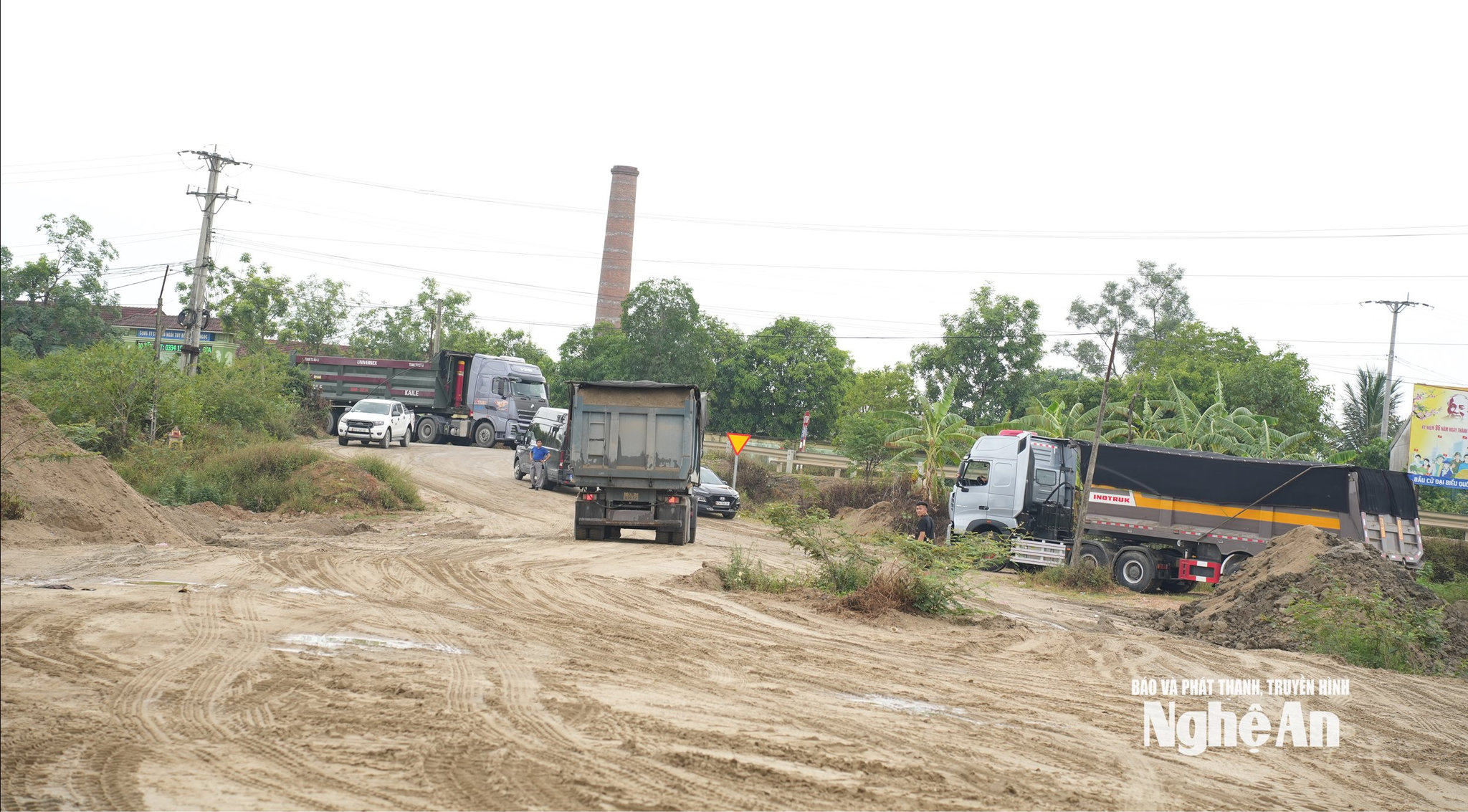
Furthermore, the long-standing regulation requiring the installation of weighing stations and surveillance cameras at loading docks and depots has been considered a solution for resource management and tax evasion prevention. However, these measures remain largely symbolic. Large trucks continue to carry loads exceeding their capacity and their cargo beds roll along many roads. This demonstrates that the effectiveness of these monitoring tools still needs further evaluation and assessment.
According to the latest report from the Department of Agriculture and Environment, the province currently has approximately 40,005 outstanding cases for which land use right certificates have not yet been issued; after nearly a year, only about 11% have been resolved, leaving more than 35,600 cases still without certificates.
It is evident that issues ranging from long-standing backlogs in land use right certificate applications, loopholes at risk of exploitation in land management and use, to inadequacies in mineral resource management and exploitation, and the assurance of construction material supplies, are no longer isolated problems of individual localities. These are "bottlenecks" directly impacting the rights of citizens, the investment environment, and the efficiency of resource exploitation for the province's socio-economic development.
Along with the shortcomings in land management, land use, and mineral exploitation reflected in reality, these will be the issues that the Provincial People's Council will question at this session. What voters expect is not only clarification of the causes and responsibilities of the relevant agencies, but more importantly, strong commitments and solutions to remove the "bottlenecks," so that land and mineral resources can be used more effectively for the province's development.


