Managing border areas between communes and wards: Don't let the situation where common problems are neglected - Part 1: Hotspots
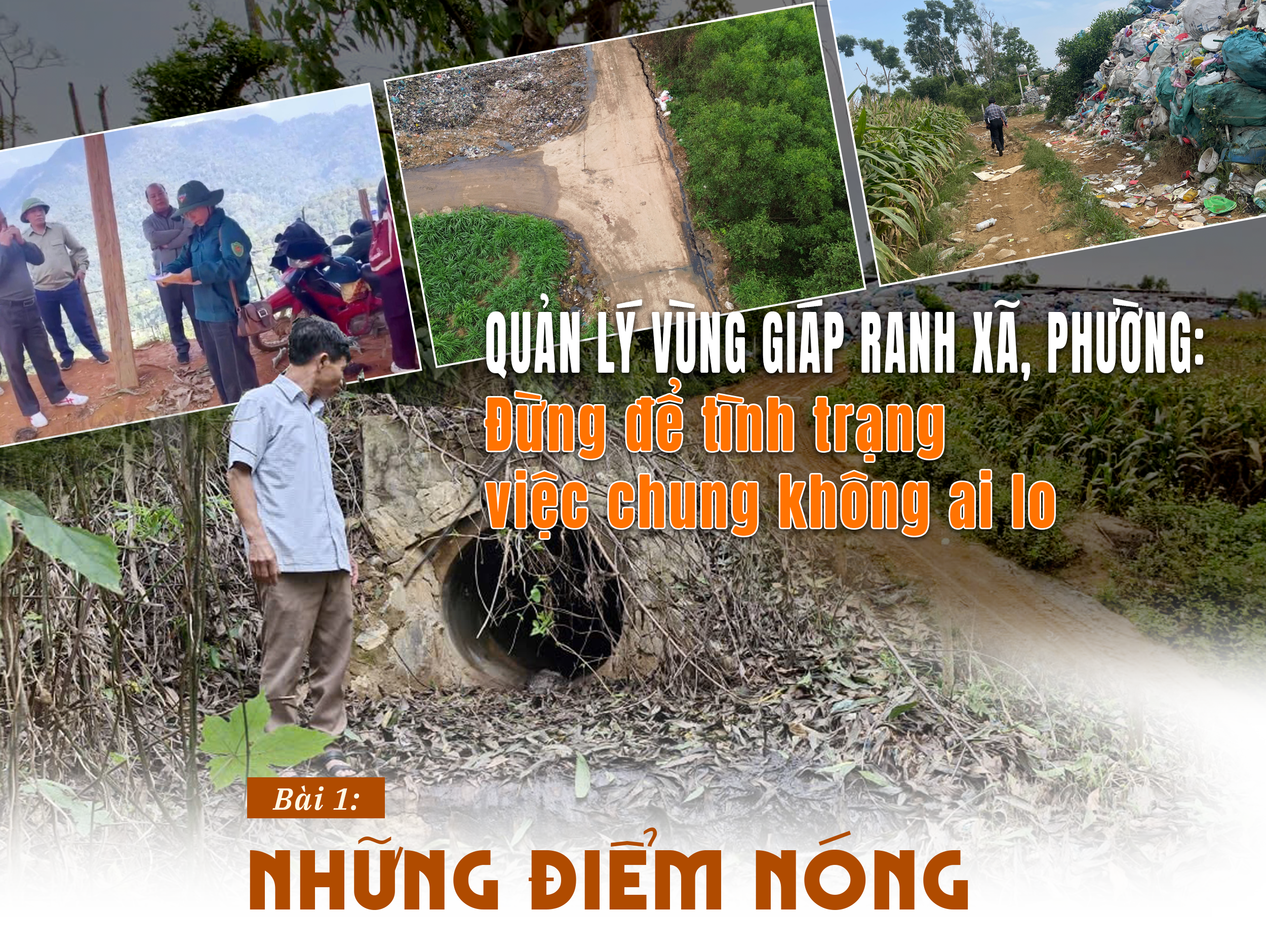
It is not difficult to identify the shortcomings and problems that have been and are occurring in the border areas between communes and wards in the province. The three cases we mention below, which occurred in the border areas of Tuong Duong commune - Na Ngoi, Thai Hoa ward - Dong Hieu commune, and Vinh Phu ward - Vinh Loc, are typical examples of many border areas in the province.
Content:Nhat Lan - Tien Dong| Design:Huu Quan• 07/05/2026
It is not difficult to identify the shortcomings and problems that have been and are occurring in the border areas between communes and wards in the province. The three cases we mention below, which occurred in the border areas of Tuong Duong commune - Na Ngoi, Thai Hoa ward - Dong Hieu commune, and Vinh Phu ward - Vinh Loc, are typical examples of many border areas in the province.

The case of illegal encroachment on protected forest land and construction in plot 6, sub-area 681, under the management of the Tuong Duong Protected Forest Management Board, is considered a "typical" case to begin this article. This is because plot 6, sub-area 681 is located within the administrative boundaries of Tuong Duong commune, while the perpetrator is Mr. LNR, a resident of Nam Khien 2 village, Na Ngoi commune. Furthermore, although the violation was discovered early and subsequently investigated by relevant authorities, the case has been slow to be resolved definitively, potentially leading to complex consequences.
The incident began on December 20, 2025, during a patrol by the Ban Ang Forest Protection Management Station, under the Tuong Duong Protective Forest Management Board. At plot 6, sub-area 681, the Ban Ang Forest Protection Management Station discovered that Mr. LNR's family, residing in Nam Khien 2 village, Na Ngoi commune, was illegally encroaching on approximately 100m² of protective forest land. At the time of inspection, the family had gathered materials and was preparing to erect a temporary shelter on the encroached land. Immediately afterward, officers from the Ban Ang Forest Protection Management Station explained the land and forest protection laws and regulations, requesting Mr. LNR's family to cease the violation and remove all materials from the protective forest area. However, Mr. LNR's family disregarded the authorities' request, not only failing to comply but also continuing to erect the illegal shelter. Given the complex nature of the incident, the Tuong Duong Protective Forest Management Board had to submit a written report detailing the entire event to the Tuong Duong Commune People's Committee and the Tuong Duong Forest Ranger Station, requesting their cooperation in inspection and handling.
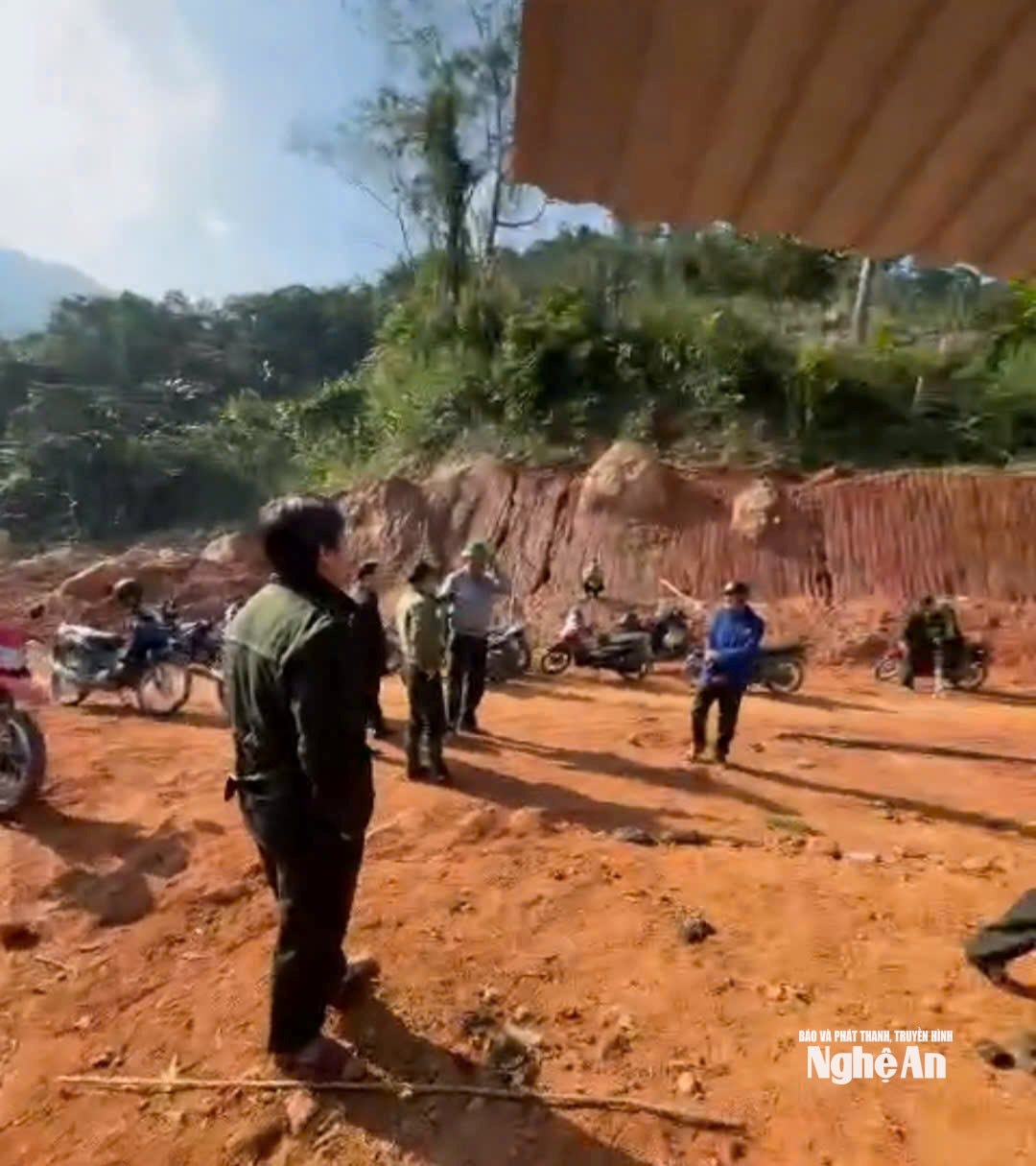
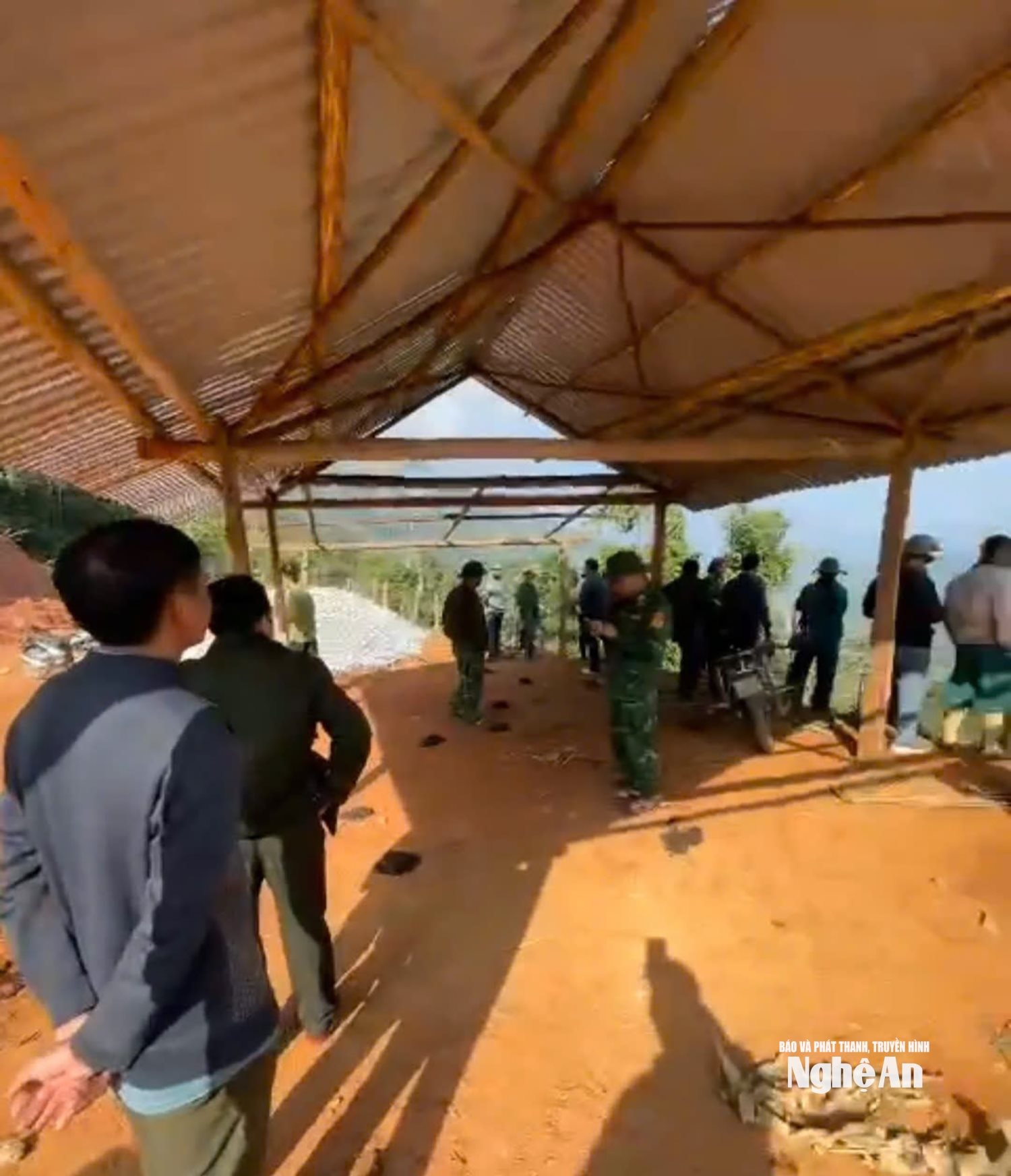
On January 19, 2026, the People's Committee of Tuong Duong commune conducted an on-site inspection of the location where Mr. LNR had committed violations. Participating in the inspection were the Tuong Duong Forest Ranger Station, the Tuong Duong Protective Forest Management Board, the Nam Can Border Guard Post, and the People's Committee of Na Ngoi commune. The inspection results confirmed that Mr. LNR's family had illegally occupied protective forest land, erecting shacks on an area of 85m² without authorization from the competent authorities.
Based on the inspection results, on January 23, 2026, the People's Committee of Tuong Duong Commune issued Decision No. 88/QD-XPVPHC imposing an administrative fine of 6 million VND on Mr. LNR. Simultaneously, Mr. LNR was required to dismantle the structure and restore the land to its original state before the violation occurred within 45 days. In Decision No. 88/QD-XPVPHC, the People's Committee of Tuong Duong Commune also requested the People's Committee of Na Ngoi Commune to cooperate in disseminating information and encouraging citizens to voluntarily comply.
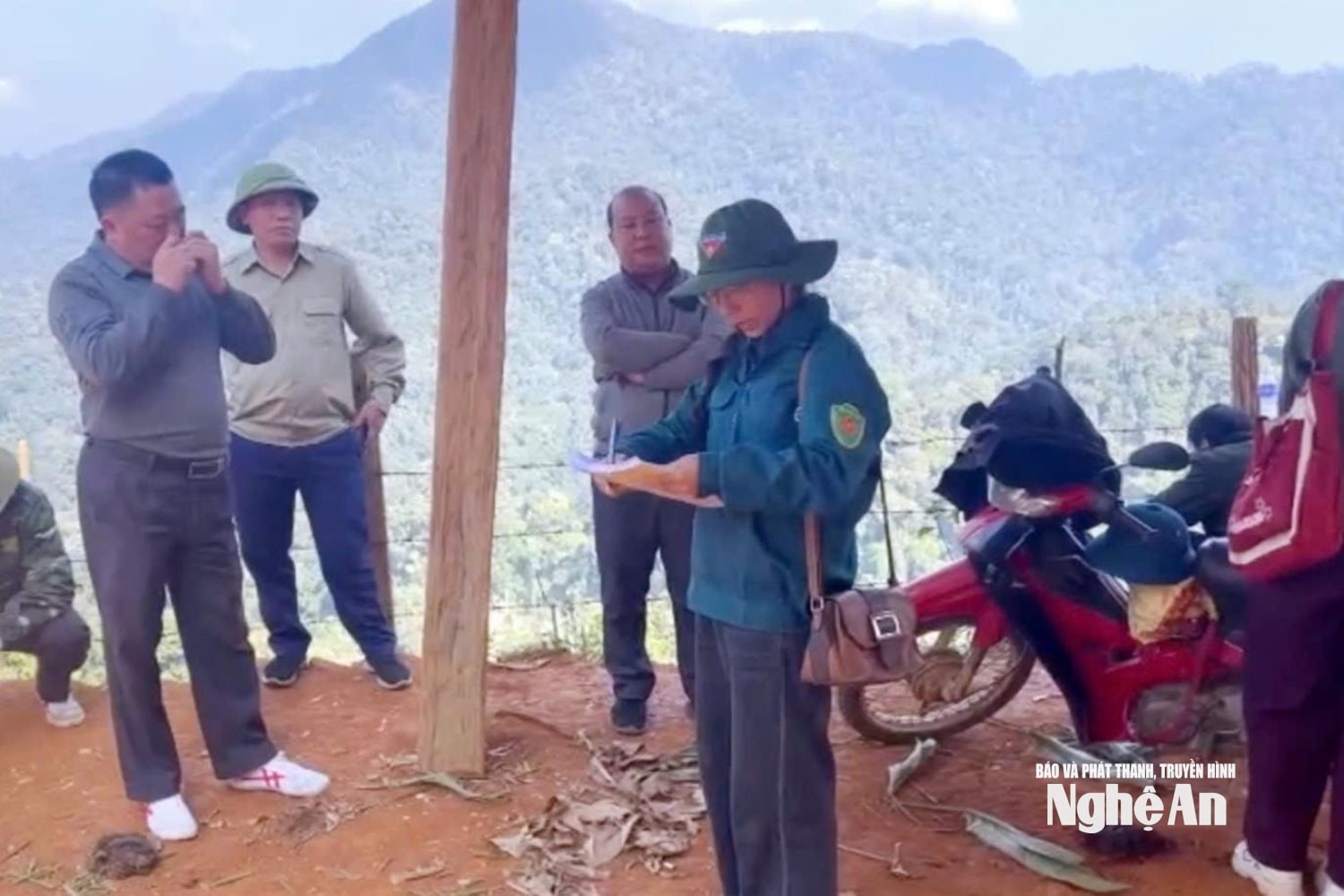
However, according to reports, more than three months have passed since the People's Committee of Tuong Duong commune issued the penalty decision, yet the case has still not been resolved. The illegal construction has not been dismantled, and the violators have not fulfilled their obligation to remedy the consequences. Mr. Kha Van Toan, Head of the Ban Ang Forest Protection Station, said that plot 6, sub-area 681, is located in Luu Phong village, Tuong Duong commune, but borders Nam Khien 2 village, Na Ngoi commune. Previously, this area experienced incidents of local people from Nam Khien 2 village encroaching on forest land and illegally clearing forests for farming. The authorities of the former Tuong Duong district and the former Ky Son district spent a lot of effort to resolve the issue.
“If incidents like these are not handled promptly and decisively, they can easily spread, forming hotspots of deforestation and encroachment on forest land. Especially in border areas, if the relevant localities lack coordination, handling the situation will be very difficult. Therefore, we hope that the competent authorities will pay attention and resolve these issues decisively…,” Mr. Toan urgently requested.

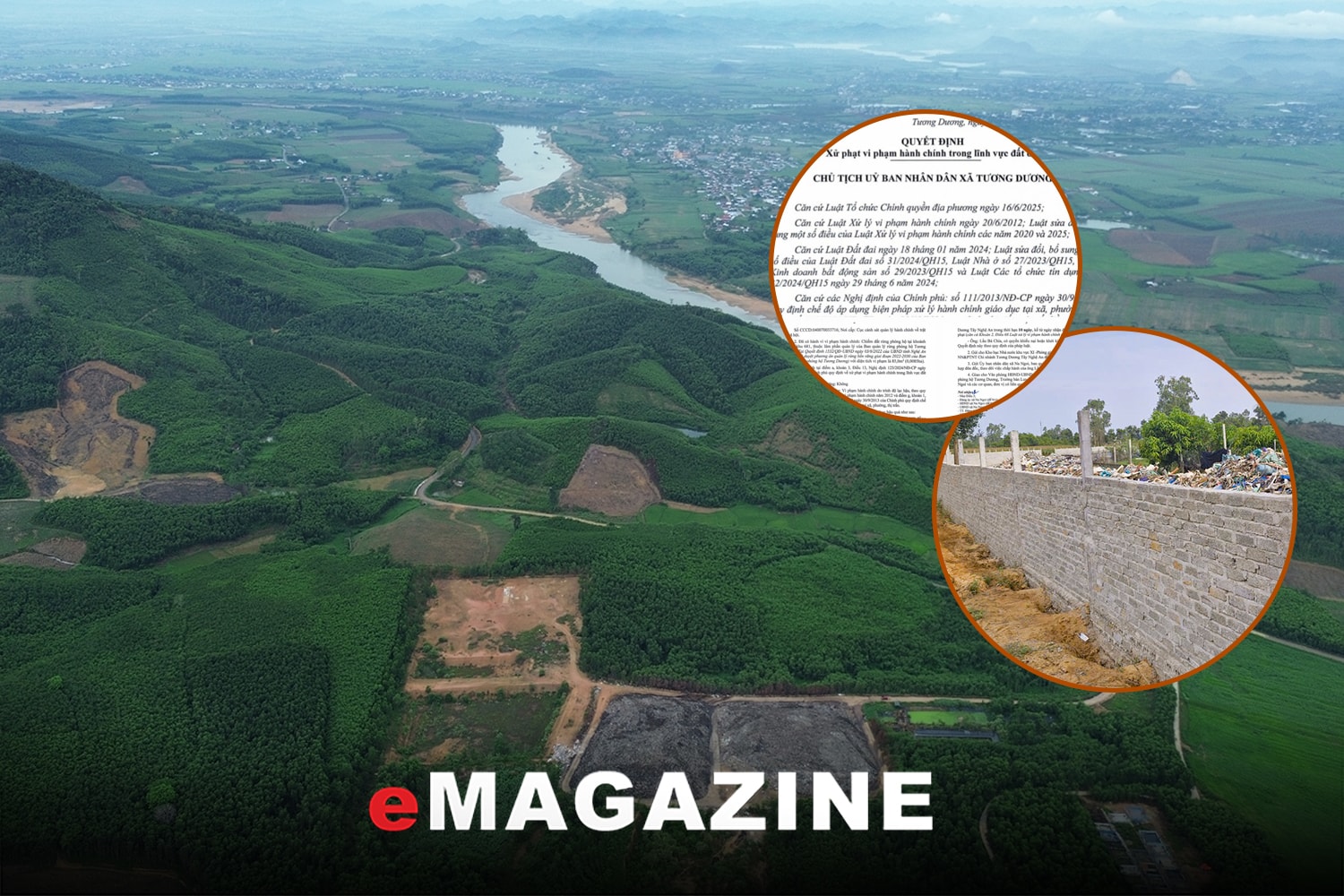
The recent fire at the temporary landfill in Thai Hoa ward has attracted significant media and public attention. The fire at the temporary landfill in Thai Hoa ward (where household waste from Thai Hoa and Tay Hieu wards and Dong Hieu commune is collected) started on April 11, 2026. Located within the administrative boundaries of Thai Hoa ward, the ward authorities mobilized resources and personnel to extinguish the fire upon discovery. However, due to the large size of the landfill, the amount of accumulated waste, and the inadequate firefighting methods, smoldering fires persisted deep within the site after initial treatment, leading to a resurgence of the flames.
.jpg)
Over the following days, along with the local forces of Thai Hoa ward and Dong Hieu commune, an additional 50 firefighters, along with 7 fire trucks, 1 water tanker, and 8 excavators, participated in extinguishing the fire. Despite these efforts, firefighting proved extremely difficult. Measures such as digging through debris, spraying water, and isolating the fire were continuously implemented, but it wasn't until April 27th that the fire was completely extinguished.
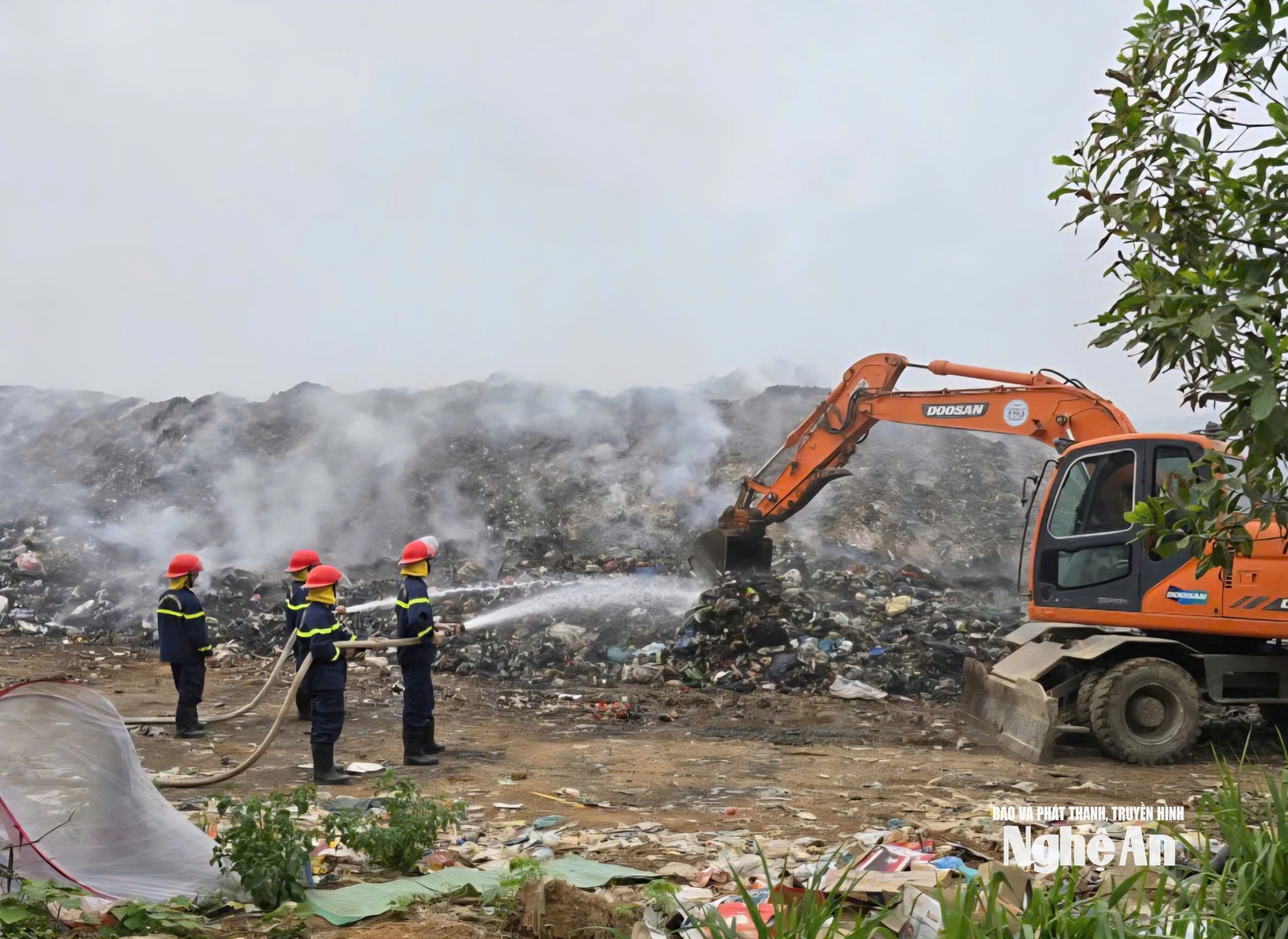
One noteworthy point following the fire is that, even though the flames were completely extinguished, residents of Dong Quang hamlet (Dong Hieu commune) spontaneously organized a force and set up checkpoints to prevent vehicles from transporting and bringing garbage to the temporary landfill. This is because, for many years, this temporary landfill has had environmental problems that have not been properly addressed. Specifically, the landfill in Thai Hoa ward was established about 15 years ago as a waste collection point for residents of the former Thai Hoa town. After the implementation of the two-tiered administrative system, the landfill is located within the administrative boundaries of Thai Hoa ward but is close to the Dong Quang hamlet (Dong Hieu commune) and within the production area of local residents. During its operation, the landfill has experienced several small fires. Furthermore, a very large volume of garbage has accumulated over the years without proper treatment or burial. Because of this, the temporary landfill in Thai Hoa ward has become a source of pollution, emitting foul odors and leaking leachate into the environment.
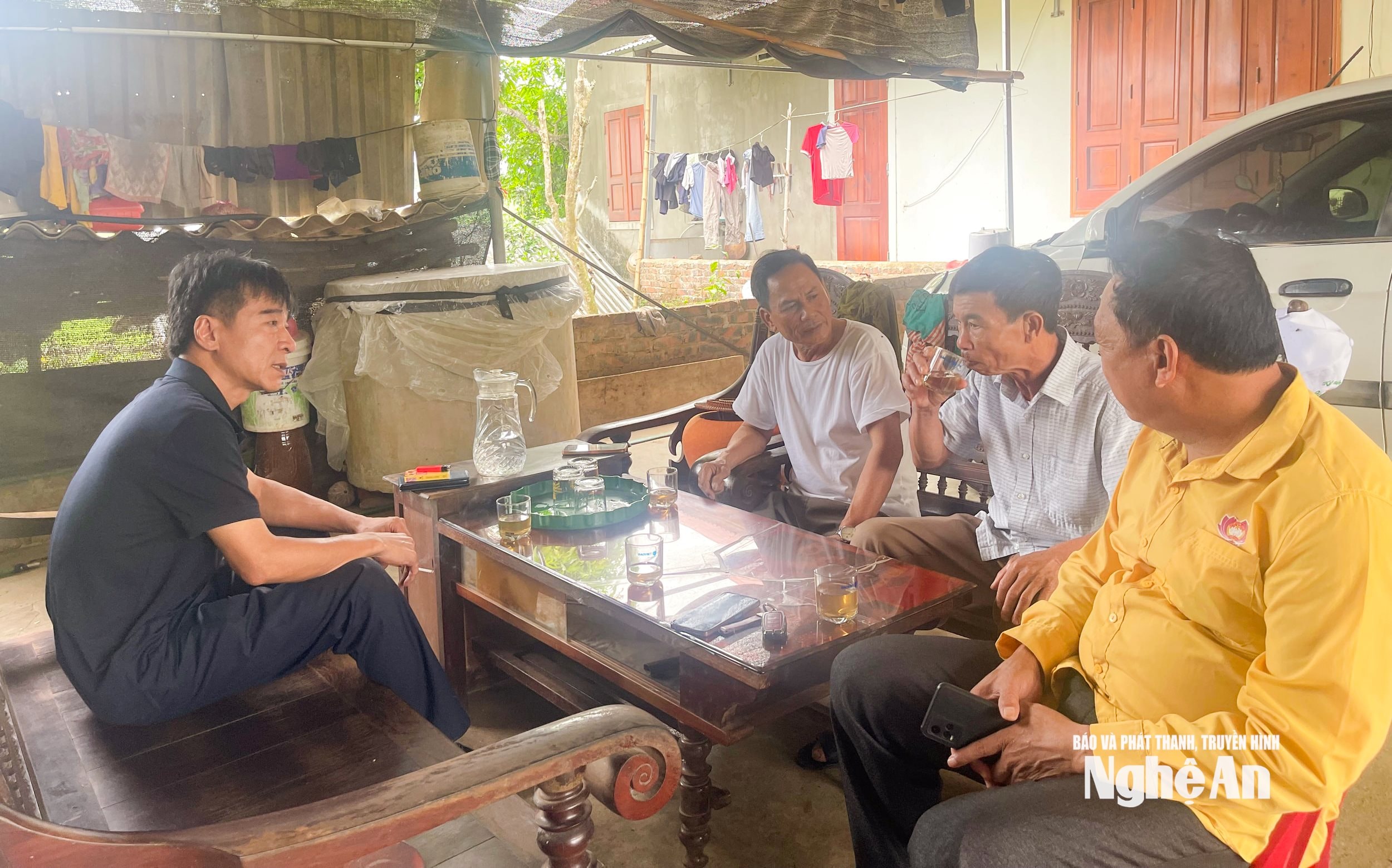
According to Mr. Tran Ngoc Son – Hamlet Head; and Mr. Thai Quoc Hai – Head of the Fatherland Front Committee of Dong Quang Hamlet, the entire hamlet has 205 households, some of which are located only about 500-600 meters from the landfill. During the landfill fire, smoke and dust enveloped the homes of residents, severely impacting their living environment. Furthermore, the accumulated waste over many years has become excessively large and, due to lack of treatment, has caused pollution, breeding flies and mosquitoes, and emitting foul odors. Although the landfill has several leachate collection pits, these pits are ineffective. As a result, leachate has leaked into the environment, affecting some of the residents' production areas.
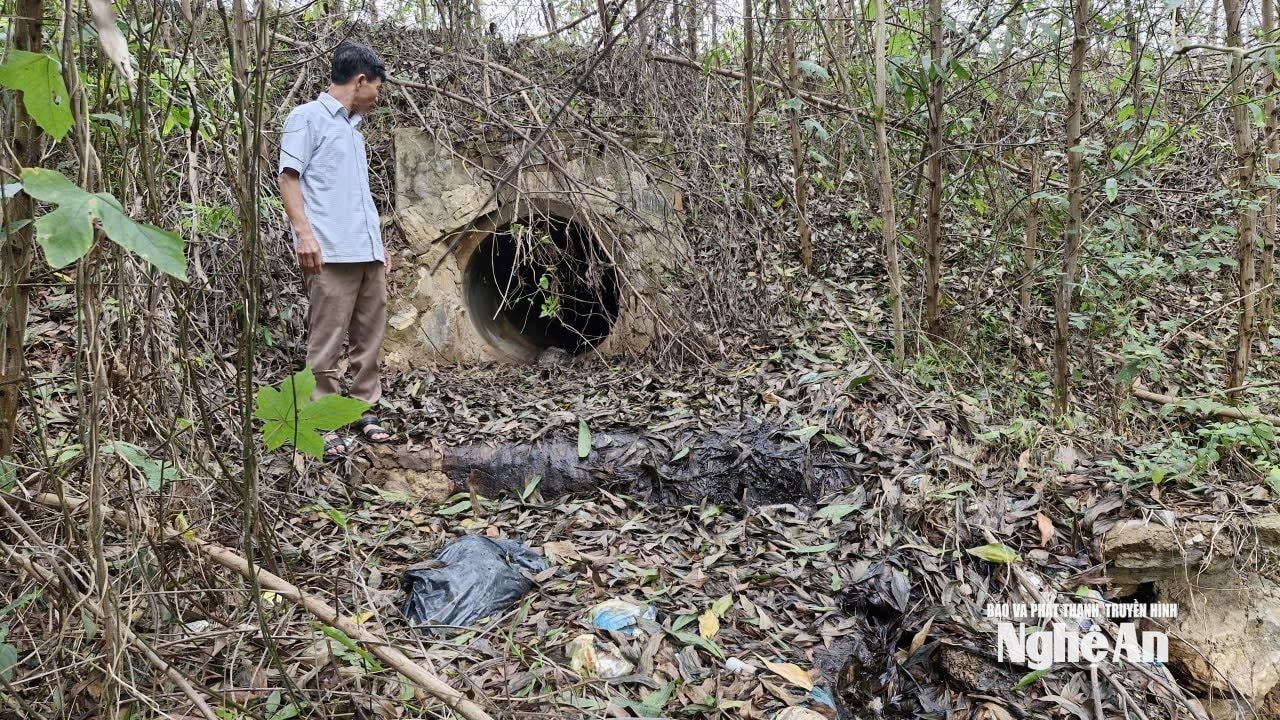
“The reason residents are preventing garbage trucks from entering the collection site is due to environmental pollution. The living environment of the people in Dong Quang hamlet has been affected for many years. The recent fire only prompted a strong reaction from the residents, which led to real action. Therefore, the people hope that the authorities at all levels will soon take decisive measures to resolve the issue and prevent the environmental pollution from continuing…”, Mr. Tran Ngoc Son explained.
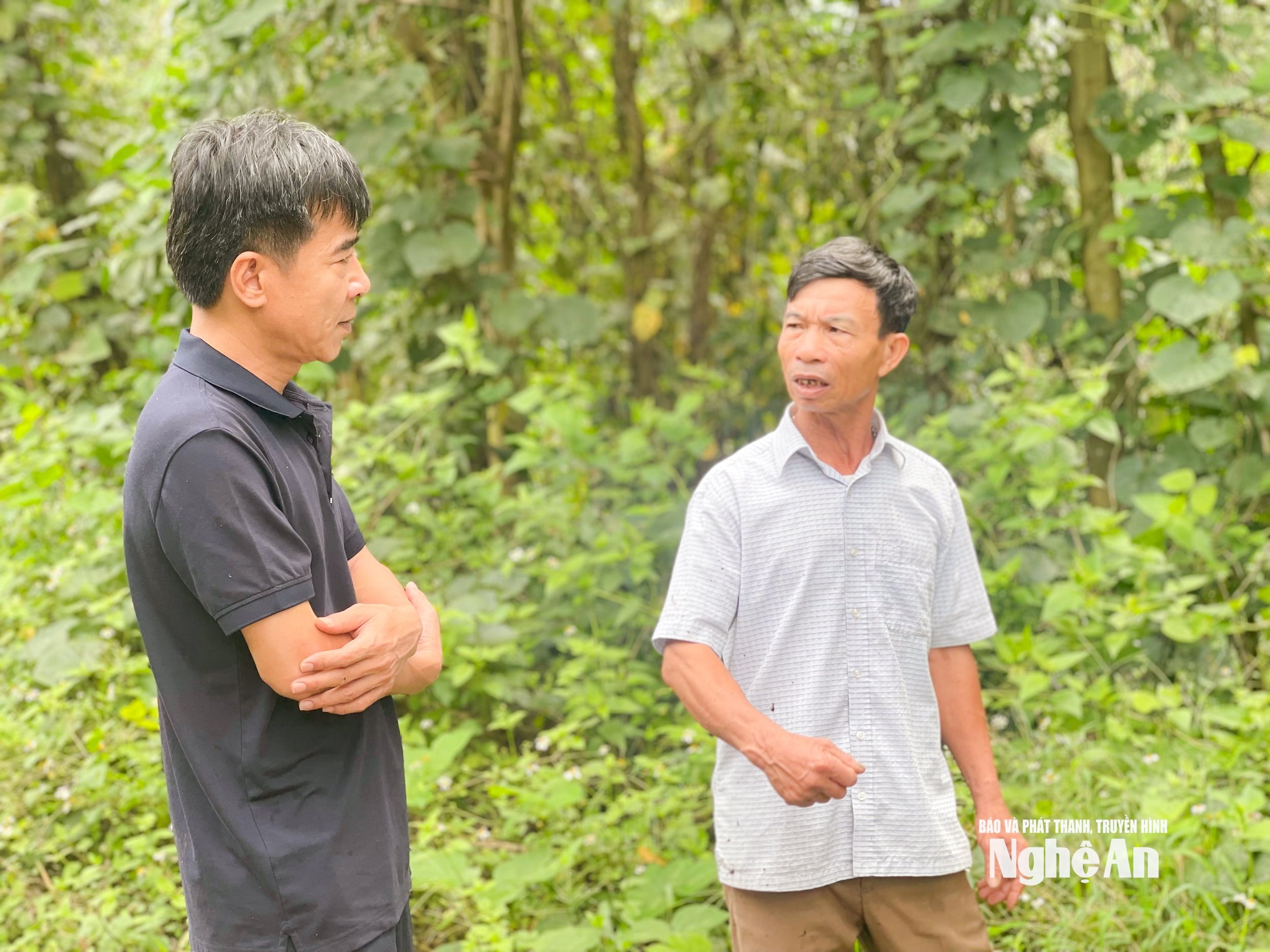
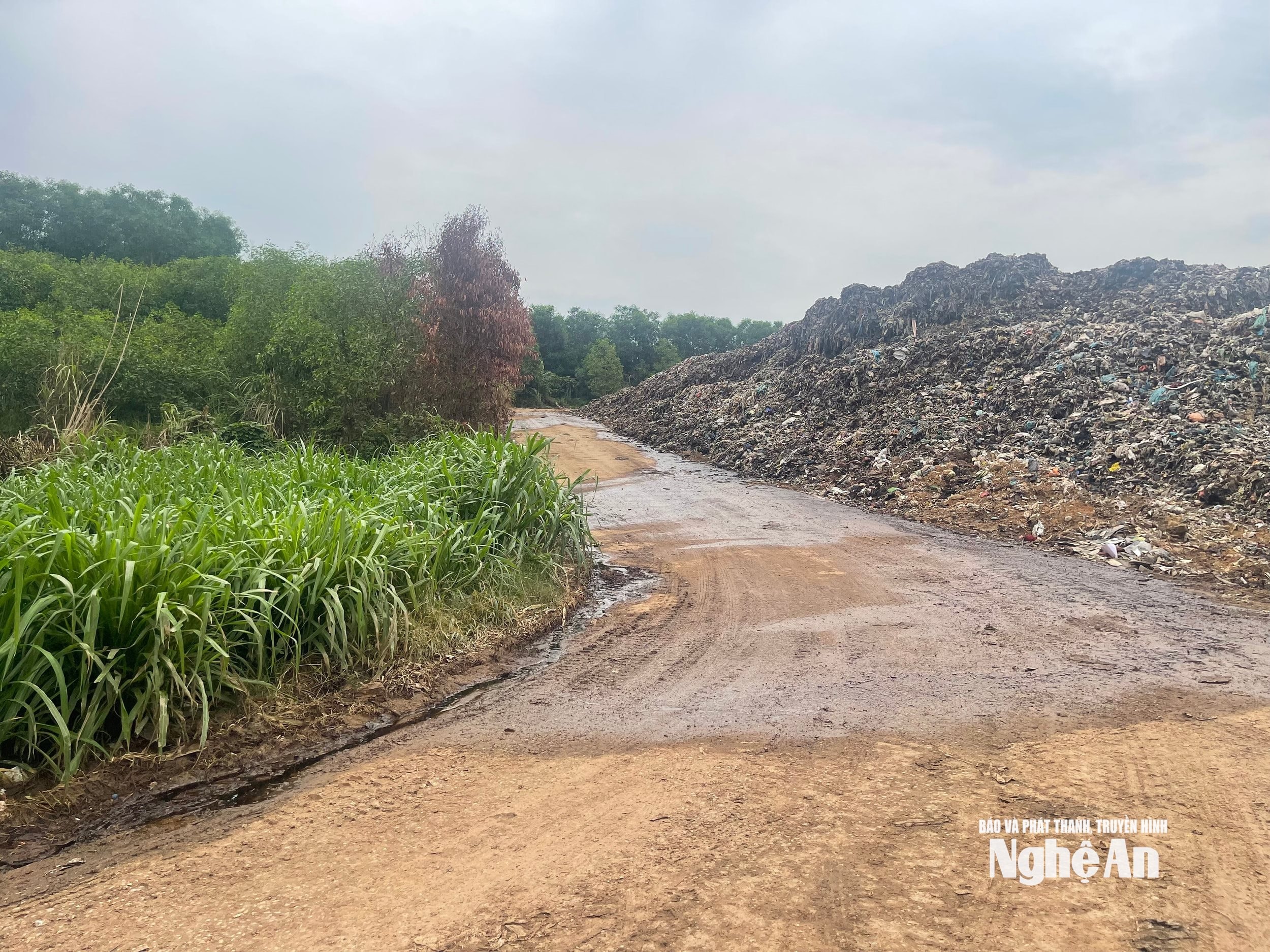
The verification and complaints of Mr. Tran Ngoc Son and Mr. Thai Quoc Hai are well-founded. The actual situation at the site shows that the temporary landfill in Thai Hoa ward has accumulated into high mounds; leachate is not being properly collected into storage pits but is overflowing onto the road. Furthermore, there are signs indicating that a pipe is leading leachate from the landfill to a dry stream bed, discharging it into the surrounding environment. Mr. Bui Ngoc Hoan, a resident of Dong Quang hamlet whose rice field is about 150m from the landfill, confirmed that the storage pits were built but are ineffective, with leachate still leaking and seeping into the surrounding environment daily. Due to the impact of the leachate, a 3,000m² rice field, reclaimed by his family before 1990 (in Thai Hoa ward), is unusable for cultivation.
“There are about 12 households in Dong Quang hamlet who have reclaimed land on the Thai Hoa ward side, but they’ve all left it fallow like my family. The reason is that production is ineffective and we can’t hire laborers. Everyone is afraid of disease…,” Mr. Bui Ngoc Hoan sighed.

Not only in mountainous or hilly areas, but even in urban areas, the management of border zones is revealing quite clear shortcomings. For example, in the border area between Vinh Phu ward and Vinh Loc ward, there is a large-scale scrap metal collection site that affects the landscape and environment, causing resentment among the people, especially residents of Block 9 Nghi Phong, Vinh Loc ward.
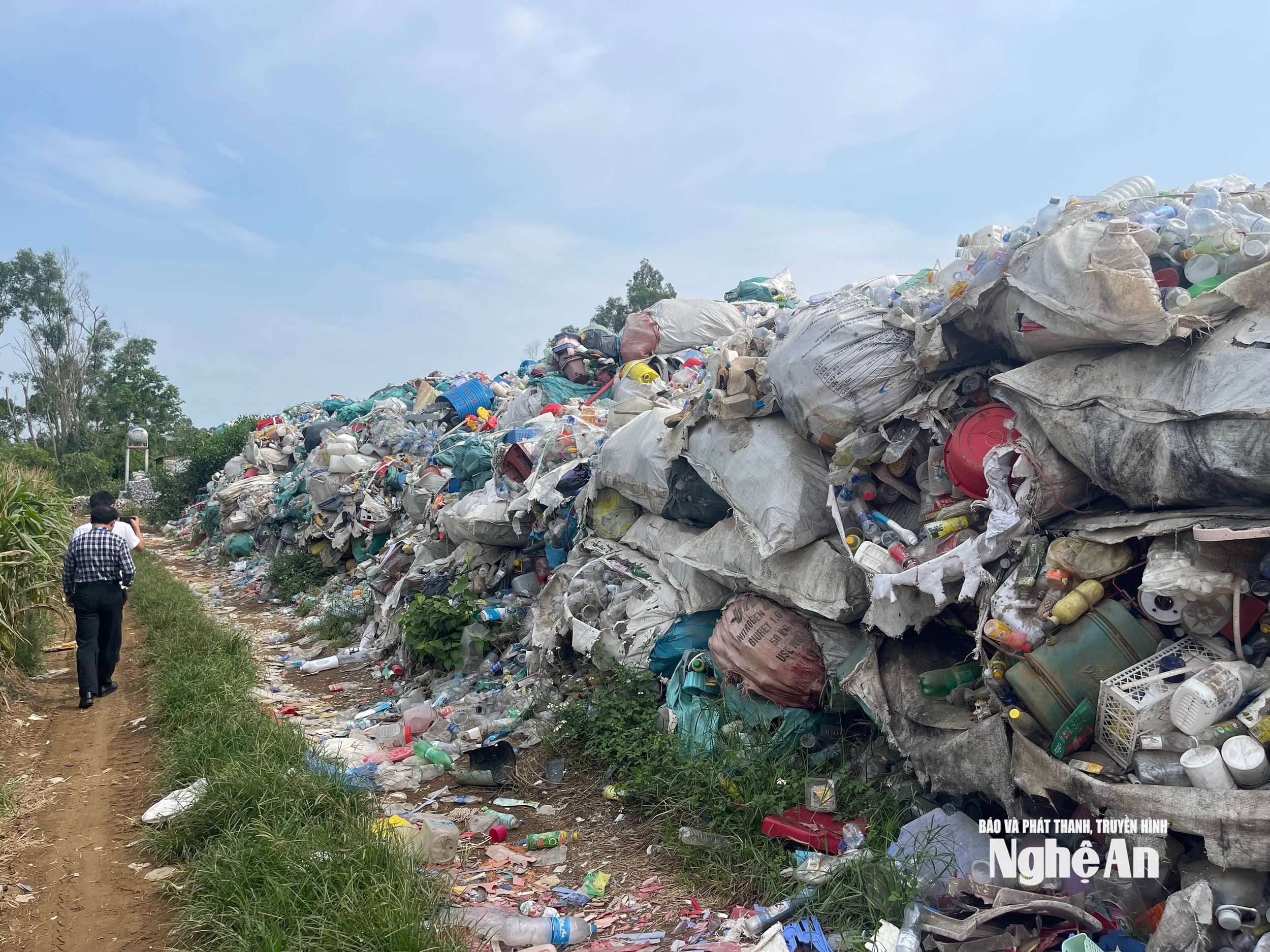
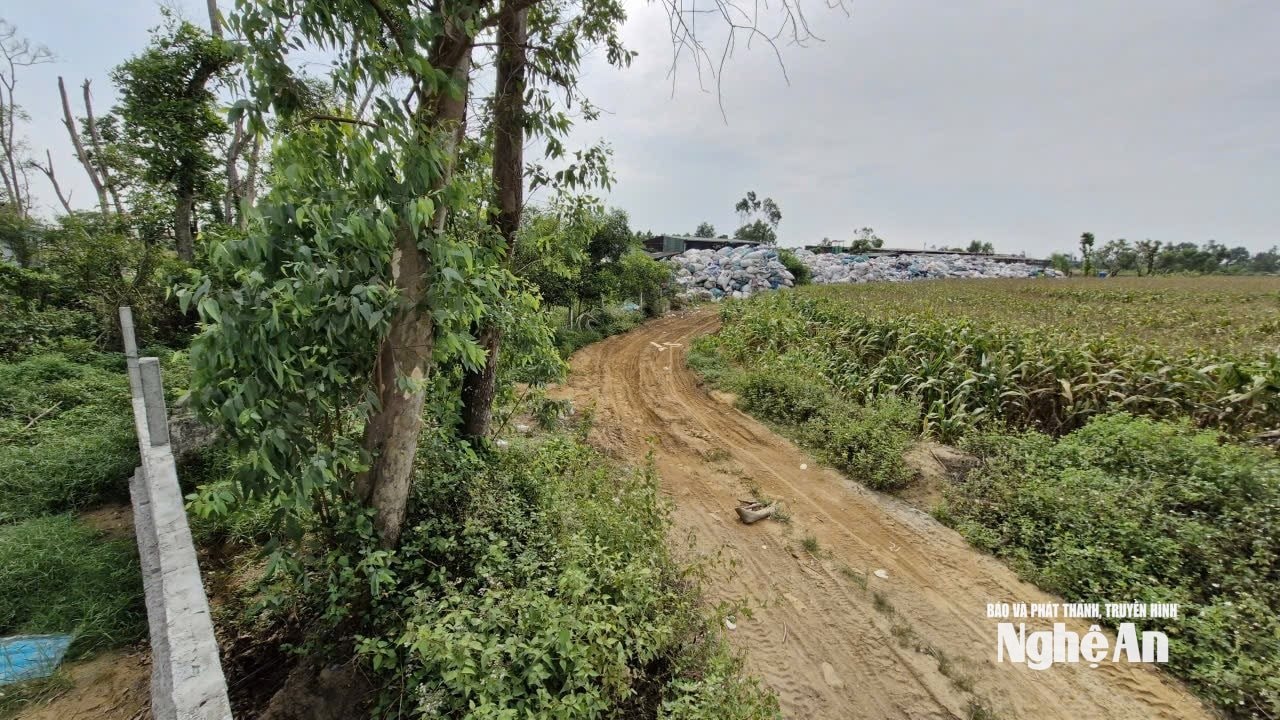
Our on-site observations reveal that the scrap yard stretches for hundreds of meters across several hectares, with piles of scrap reaching heights taller than a person in some areas. Within the yard, there are several temporary workshops, surrounded in some sections by brick walls or concrete posts with B40 mesh fencing. The scrap materials stockpiled here consist of various types of plastic waste and packaging. The haphazard and indiscriminate storage of these materials negatively impacts the landscape and causes environmental pollution.
According to Mr. Le Van Thu, head of Block 9 in Nghi Phong Ward, Vinh Loc Commune: "The scrap metal collection activity has been going on for many years, and its scale has tended to increase over time. The scrap metal collection site is chaotic and disorganized, with makeshift pathways for transporting the scrap, making the entire area unsightly and posing a risk of environmental pollution and traffic safety hazards. Therefore, since the time when Nghi Phong Commune was still a commune, residents have repeatedly petitioned for inspection and handling. Recently, residents and the Block 9 Nghi Phong Committee continued to raise concerns, so the Vinh Loc Ward People's Committee sent officials to inspect the site; however, no definitive action has been taken yet."
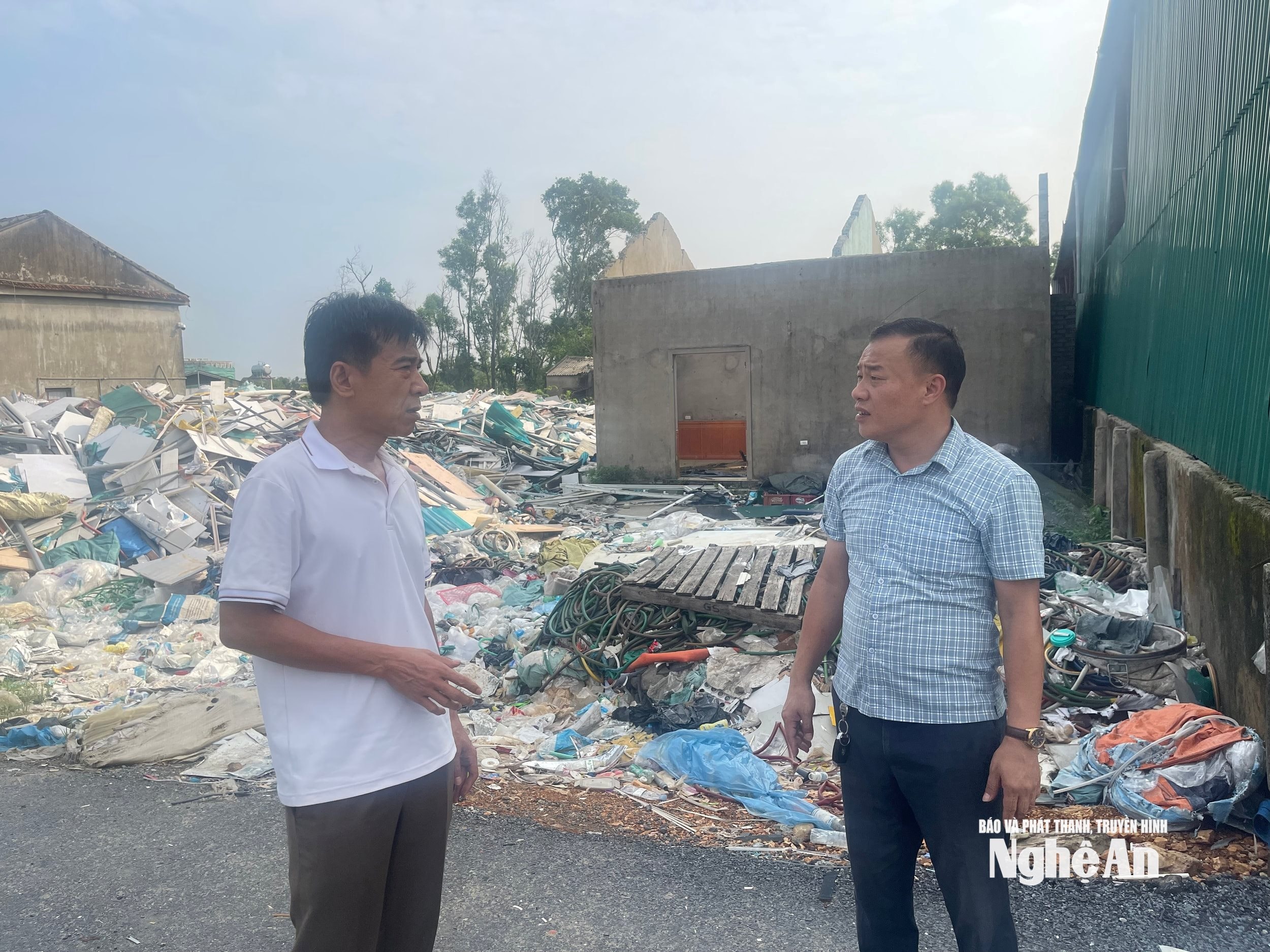
According to the Vinh Loc Ward People's Committee, the scrap metal collection site is located in the border area between Vinh Loc and Vinh Phu wards. The land belonging to Vinh Loc ward is residential land leased by several households in Hamlet 9, Nghi Phong; while the land belonging to Vinh Phu ward is agricultural land. After inspection, it was determined that the residents' complaints are valid, and the relevant department is currently advising on a course of action.
In Vinh Phu ward, inspections of scrap metal collection sites began on April 15, 2026. During this inspection, several activities were discovered involving digging ponds, collecting scrap metal, and erecting concrete and iron fences on agricultural land managed by the Vinh Phu Ward People's Committee. Therefore, the owner of the scrap metal site was required to dismantle the concrete fences and B40 fences and restore the land to its original state before April 25, 2026. However, during a subsequent inspection on April 29, 2026, the Vinh Phu Ward People's Committee noted further violations: encroachment on vacant land under local management and illegal construction of fences. Mr. Tran Anh Tuan, a specialist from the Economic, Infrastructure and Urban Planning Department of Vinh Phu ward, who directly conducted the inspection, stated that the individuals involved in the illegal land encroachment and construction were not present. Therefore, the Ward People's Committee has issued a notice requiring the individual to report immediately after the April 30th - May 1st holiday. Initially, it has been determined that the fence built on land managed by the Ward People's Committee will have to be dismantled…”.
The three incidents mentioned above occurred in different border areas. In fact, many border areas between wards and communes in the province are also experiencing complex issues, focusing on land, minerals, and the environment. What are the causes and measures to resolve these complex problems arising in border areas? This is a question that needs to be asked.
(To be continued)