
The National Assembly discusses the draft Law on International Agreements.
(Baonghean.vn) - During the session, delegates generally agreed on the necessity of enacting a Law on International Agreements.
Continuing the agenda of the 10th Session of the 14th National Assembly, on the afternoon of October 22nd, under the chairmanship of Vice Chairman of the National Assembly Uong Chu Luu, the National Assembly held an online discussion on the draft Law on International Agreements.
 |
| At the Nghe An location, Deputy Heads of the Provincial National Assembly Delegation Nguyen Thanh Hien and Tran Van Mao co-chaired the meeting. Photo: Thanh Le |
The Law on International Agreements consists of 7 chapters and 53 articles, regulating the authority, procedures for signing, amending, supplementing, extending, terminating, withdrawing from, temporarily suspending, and organizing the implementation of international agreements.
During the session, delegates generally agreed on the necessity of enacting a Law on International Agreements. Delegates argued that, in the context of Vietnam's deep and broad integration with the international community, the law would provide an important legal basis for facilitating the signing of agreements with international partners. Simultaneously, it would help signatories avoid errors, thereby bringing many benefits to the country.
However, some delegates suggested that expanding the scope of entities authorized to sign international agreements to include district-level and commune-level People's Committees should be carefully considered, as international cooperation always involves sensitive issues related to politics, foreign affairs, national defense, and security, requiring advisory agencies and signatories to possess certain capabilities.
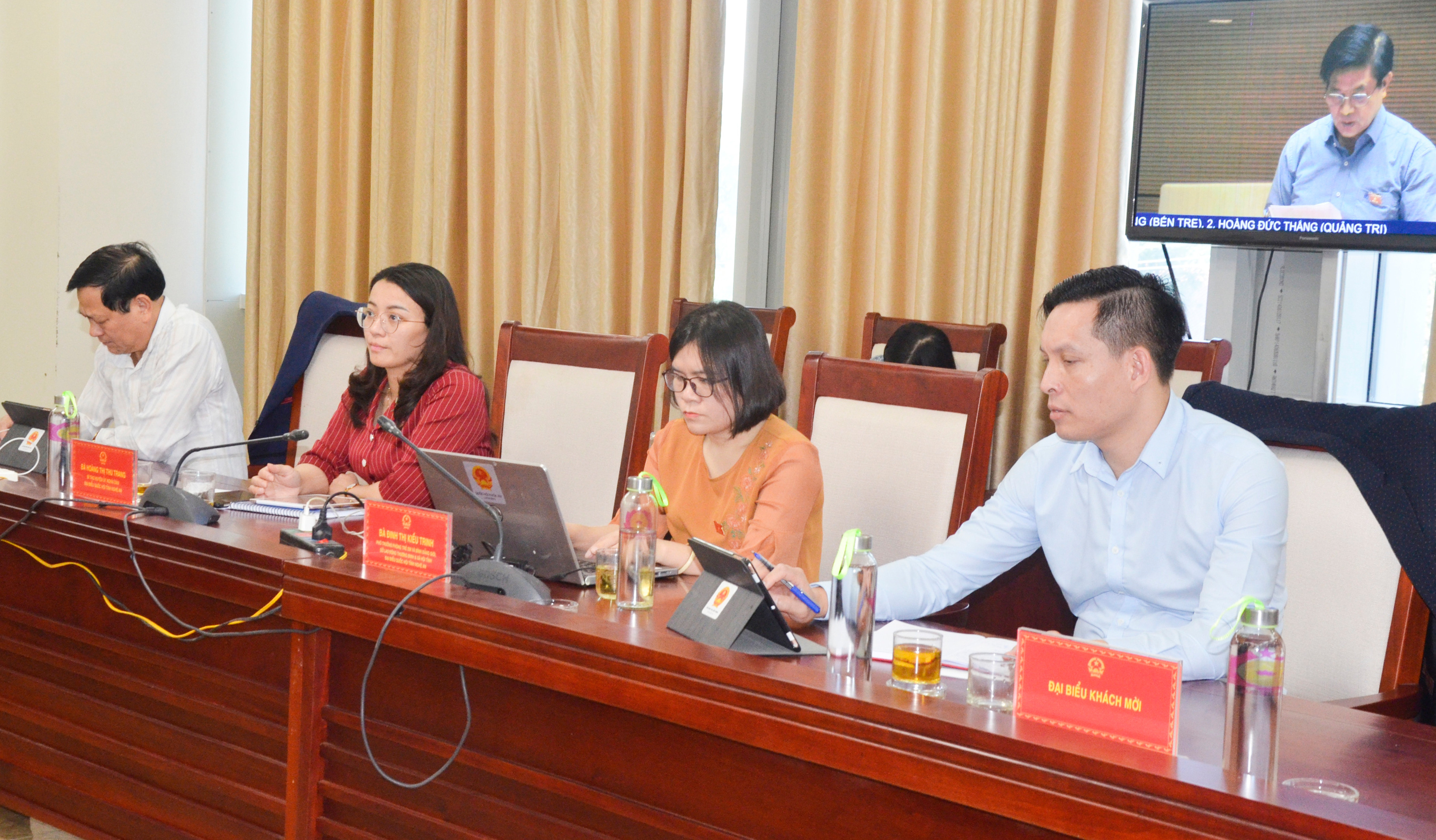 |
| Delegates attending the discussion session. Photo: Thanh Le |
Therefore, not every agency or organization is empowered to sign international agreements. Delegates argued that decentralizing the authority to sign international agreements to multiple entities should be avoided, preventing inconsistencies among localities, especially those sharing a border with the same country, as is the case in Vietnam.
To further enhance the management and prevention of risks related to international investment agreements, delegates proposed that the law should specifically stipulate certain mandatory requirements in international investment agreements, especially for agreements that are government guarantees, including: prerequisites for signing international agreements; circumstances allowing the Vietnamese signatory party to terminate the international agreement; and assets securing the right of recourse.
Many delegates also suggested reconsidering the expansion of the authority to sign international agreements to include district-level and commune-level People's Committees. If expanded to the district and commune levels, it should be limited to districts and communes in border areas, and the scope of agreements should be restricted to specific fields. Some opinions suggested expanding it only to the district level, due to concerns about the capacity and implementation ability of the commune level...
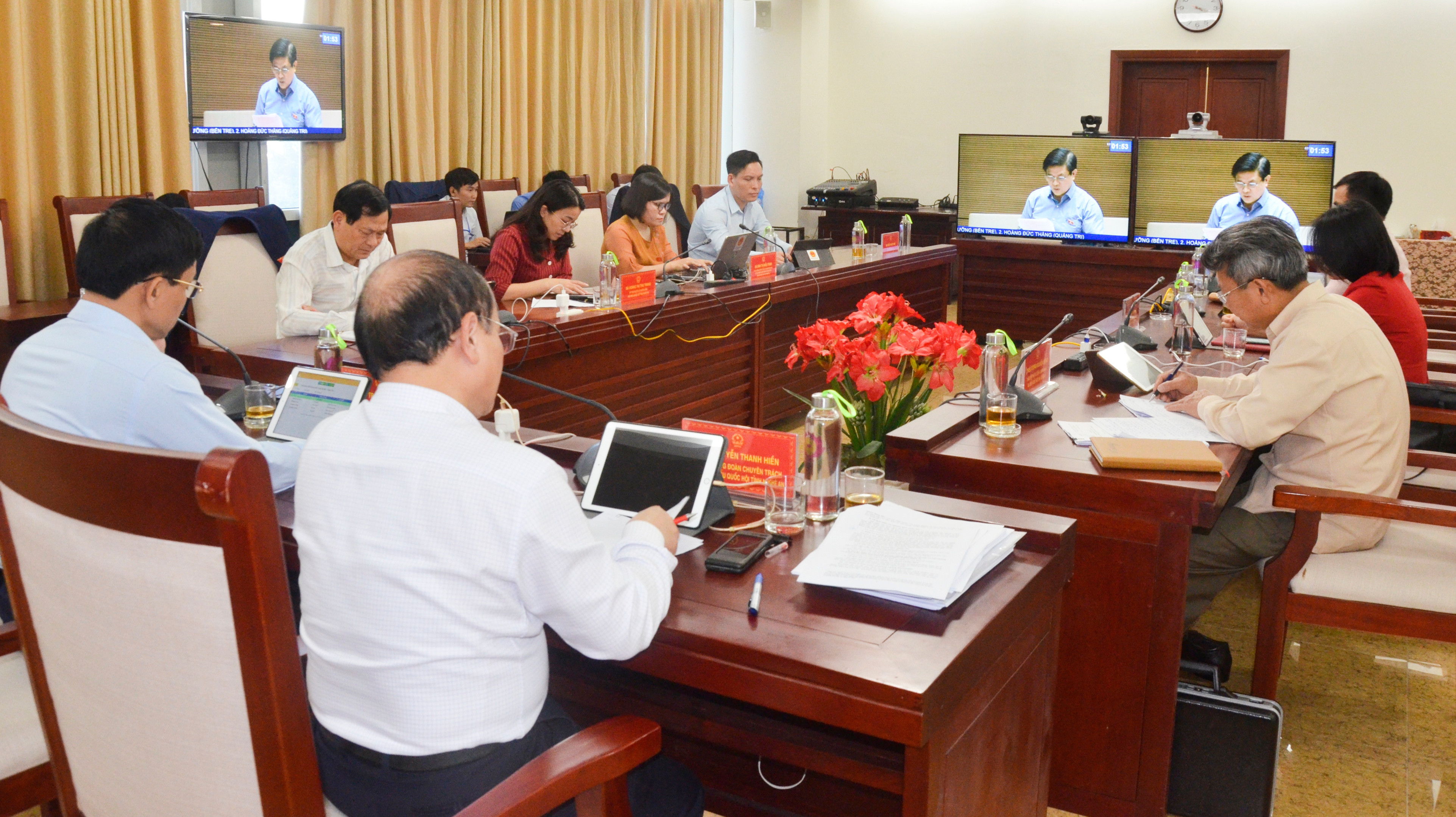 |
| The scene at the Nghệ An bridgehead. Photo: Thanh Lê |
Responding to the comments and suggestions from the delegates, Deputy Prime Minister and Minister of Foreign Affairs Pham Binh Minh stated that the drafting committee will fully incorporate the feedback from National Assembly delegates to finalize the content for submission to the National Assembly for approval of the Law on International Agreements.


