
The new regulations make it easier to convert garden land to residential land.
On December 11th, the National Assembly issued Resolution No. 254/2025/QH, stipulating a number of mechanisms and policies to address difficulties and obstacles in the implementation of the Land Law. The Resolution takes effect from January 1st, 2026, and one of the new points of interest to many people is the reduction in the fee for converting land use from garden, pond, and agricultural land to residential land.
Reduce nmeaning service talent main When transfer item destination history use land
Resolution No. 254/2025/QH introduces several new points compared to the current Land Law (Land Law of 2024), including a provision to reduce financial obligations when changing land use purposes. Accordingly, from 2026, people who convert agricultural land, garden land, or pond land within the same plot as residential land to residential land will only have to pay 30-50% of the difference in land use fees, instead of 100% as currently.
According to Resolution No. 254/2025/QH, for garden land, pond land, and agricultural land within the same plot as residential land when converting land use purpose to residential land (along with some similar cases), the land use fee is calculated as follows: 30% of the difference between the price of residential land and the price of agricultural land for the area within the local residential land allocation limit; 50% of the difference for the area exceeding the limit but not more than one time the residential land allocation limit; 100% of the difference for the area exceeding twice the residential land allocation limit.
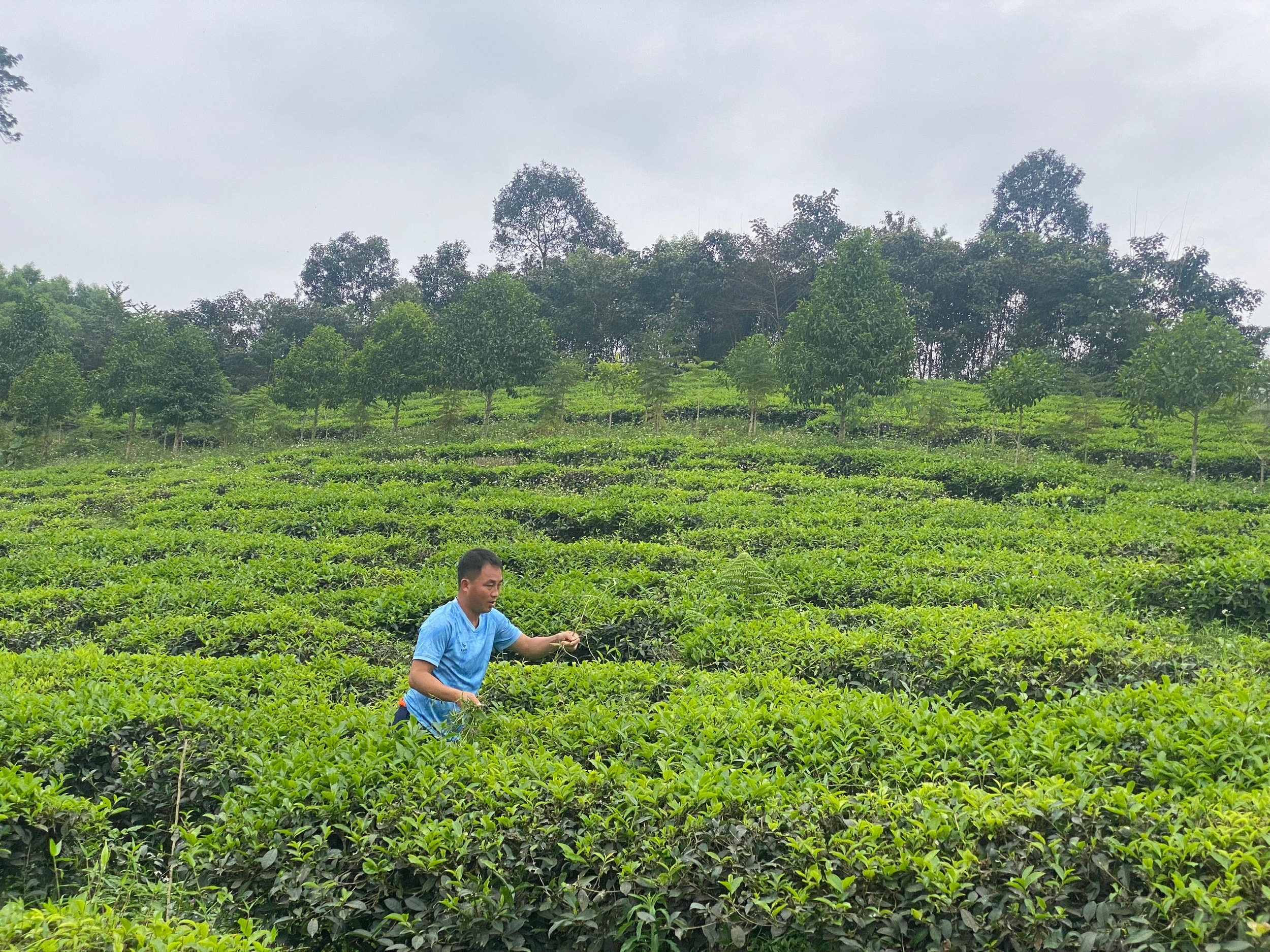
Upon receiving this information, Mr. Dang Van Tho from Thuan Loi village, Quynh Phu commune, said: Along with the information that the issuance of land use right certificates will be decentralized to the commune level, the procedures for changing the land use purpose from garden land to residential land for his children will soon be simplified.
According to Mr. Tho, his family owns more than 950 square meters.2The land has had a land title certificate since 1995, but only 200 square meters of it are registered.2The land is classified as residential, with the remainder as garden land. Although the family wants to subdivide the land for their children, they have had to postpone the process since 2024 due to regulations in the 2024 Land Law requiring 100% payment of land use fees when changing land use purposes – a fee far too high for their financial capabilities. However, following information about a new National Assembly resolution that may reduce this tax to 30%, the family plans to resume the procedure.
Mr. Nguyen Van Hoang, a resident in Quynh Phu commune who needs to change the land use purpose and obtain a new land title, said: "My family has been using 1,300 square meters of land stably."2The land has been owned since 1989, but the land title issued by the District People's Committee in 1995 only states 760 m².2, in which the residential land limit is 200 m².2The remaining land is garden land. For many years, the family has wanted to change their land title from red to pink; at the same time, they want to change the land use purpose from garden land to residential land and register the land area on the title to reflect the current usage.
Now that the two levels of government are operating stably and we are aware of the new regulations regarding financial obligations when changing land use purposes, which have been reduced from 100% to 30-50%, our family wishes for the competent authorities to consider issuing a new certificate and accurately recording the current land use status so that we can proceed with the next steps of changing the land use purpose and subdividing the land.
Mr. Nguyen Van Hoang, Quynh Phu commune
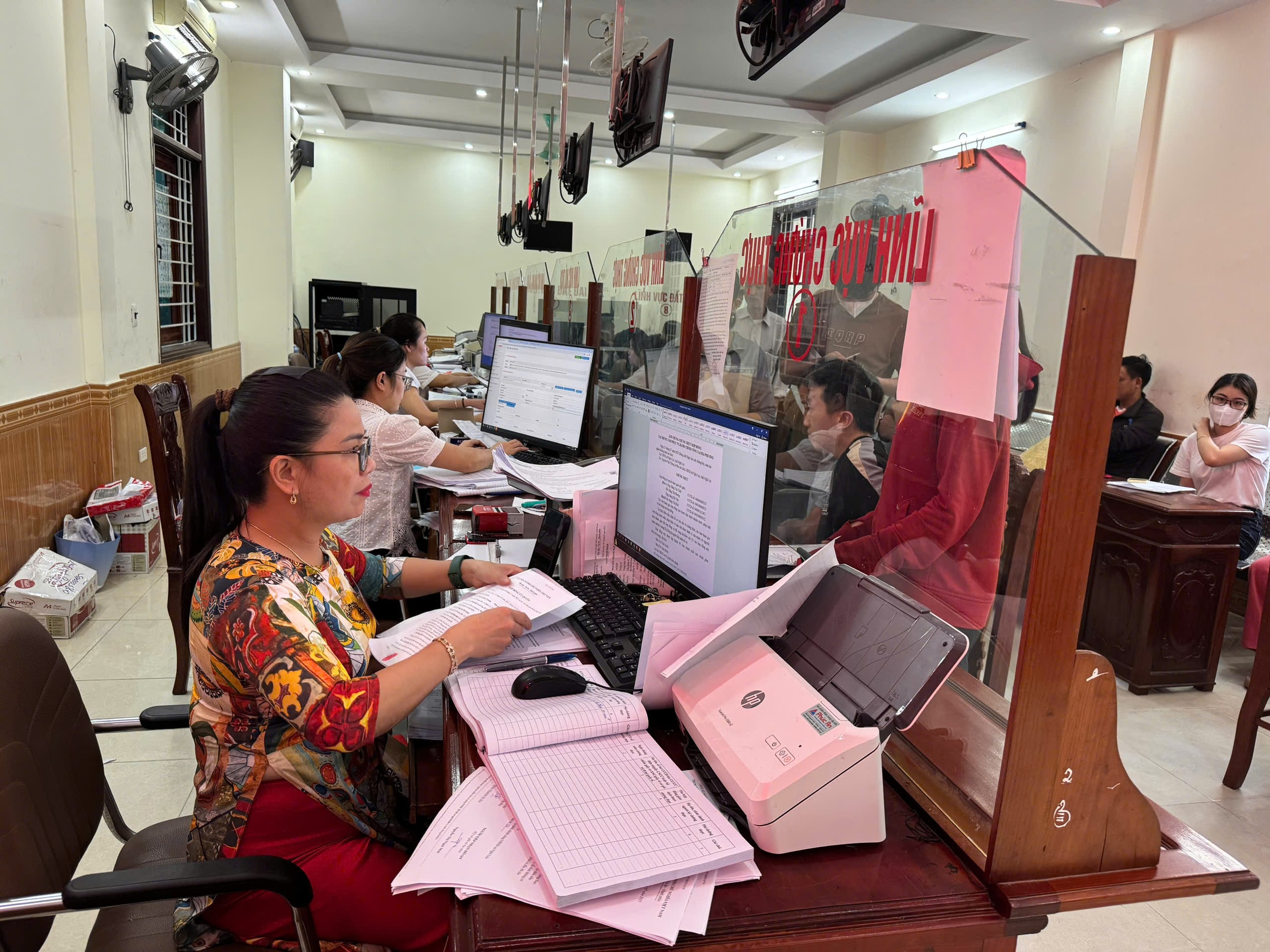
Speaking to reporters, a representative from the Nghe An Bar Association analyzed: The reduction in financial obligations when changing land use purposes is timely and reasonable. If the financial obligations are reasonable, people will proceed with the land use conversion procedures to subdivide land for their children or transfer ownership to build houses. Conversely, if the land use conversion tax is too high, people will circumvent the law and do it illegally when changing land use purposes (for building houses) or transferring ownership. According to the Civil Code, civil transactions, including land purchase and sale contracts, only require notarization, and if people do not complete the transfer of ownership procedures, it results in both revenue loss for the government and the risk of disputes later on.
Peoplelooking forward to regulations and guidelines
In addition to the above cases, through discussions with the Provincial Land Registration Office, we learned that many people in various communes also need to change the land use purpose to residential land in order to subdivide the land for their children. However, these people are concerned about the new tax calculation method.
Ms. Bui Thi Thuong (Dai Dong commune) said that local people are very excited about the news that the National Assembly has passed a new Resolution allowing a reduction in land use fees to 30-50% of the difference when converting agricultural land and adjacent garden/pond land to residential land from 2026. However, due to inconsistent interpretations and the high demand for land use conversion in rural areas, Ms. Thuong hopes that relevant agencies will soon provide detailed guidance so that people can understand and comply with the regulations.
Speaking with us, a representative from the Nghe An Provincial Tax Department also stated that the resolution had just been passed by the National Assembly, and the Provincial Tax Department was awaiting detailed regulations before implementing it.
The new resolution only provides a framework and sets out the principles; its practical application will depend on a detailed guiding decree from the Government. Currently, only the regulations on land use planning for localities are in effect (from December 11, 2025), while other regulations will not be applied until January 1, 2026.
However, whether the financial obligation is high or low when changing the land use purpose depends on whether the land plot is within the permitted limit and the time of establishing the land use right. Mr. Nguyen Cong Thanh - Director of the Provincial Land Use Right Registration Office said: Depending on the time and location, the Land Law stipulates different limits for residential land.In Nghe An, according to Decision No. 82/2025/QD-UB dated November 5, 2025, on types of documents and land limits for residential land, the minimum residential land limit in urban areas is 50 m².2up to a larger area and a maximum of 400 m2/plot. The land area limit for recognizing residential land plots used before December 18, 1980, and from December 18, 1980, to before October 15, 1993, is applied according to Clause 5, Article 141 of the 2024 Land Law.
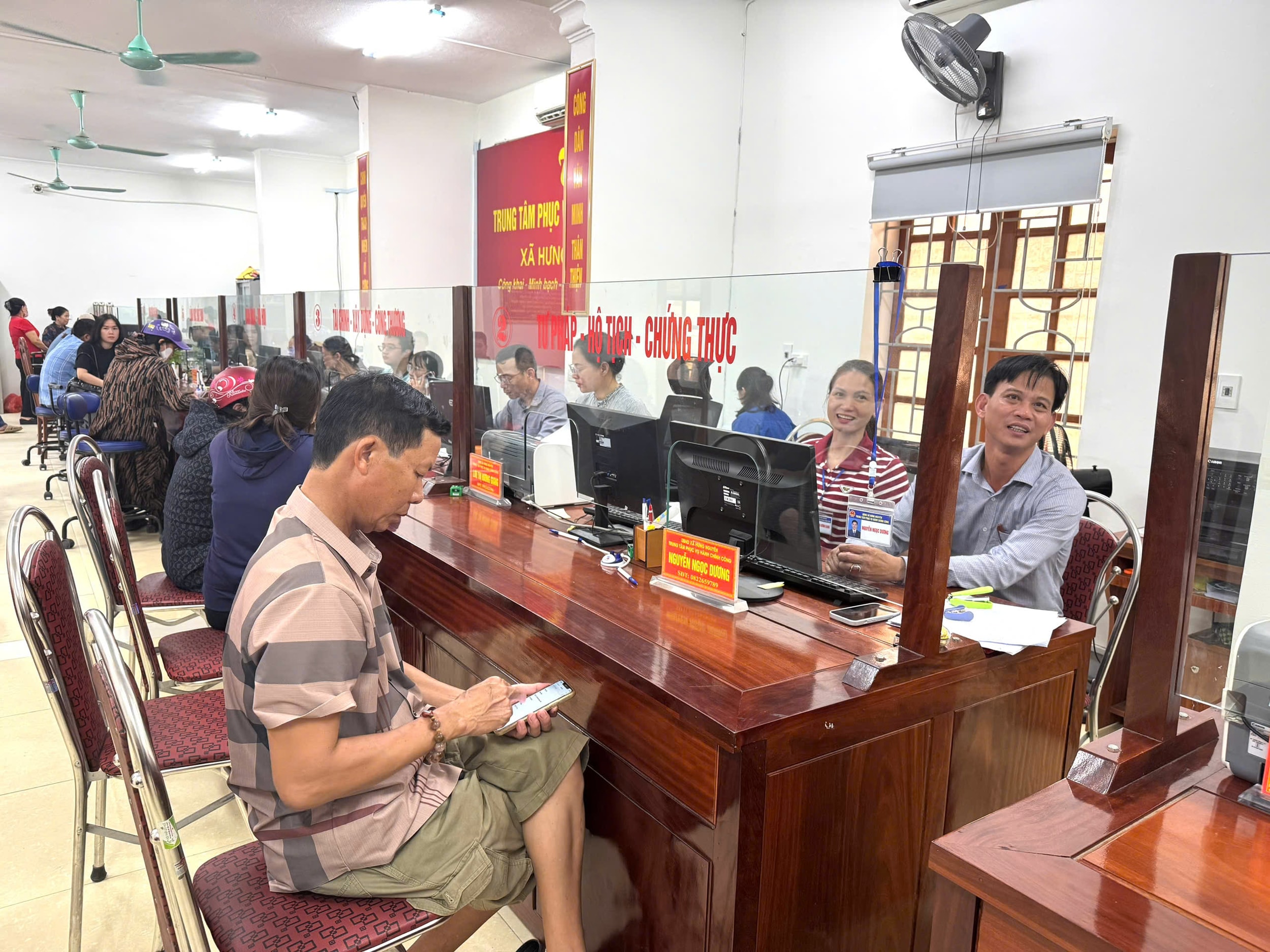
At the review session of the new land price list by the Economic and Budget Committee before submitting it to the Provincial People's Council meeting in December 2025, Mr. Nguyen Duy Nhat - Deputy Director of the Department of Agriculture and Environment shared: The above regulation of the Resolution has officially removed the bottleneck of the 2024 Land Law and Decree No. 101/2024/ND-CP on land use fee collection.
A leader from the Provincial Land Development Center shared: Resolution 254/2025/QH, which reduces financial obligations when changing land use purposes, contributes to overcoming obstacles in land acquisition and clearance. According to the 2024 Land Law, the land price list for residential land is built and updated with market prices, resulting in higher prices, while the prices of garden land and agricultural land remain unchanged. Furthermore, according to regulations, when garden land is acquired, compensation is only equivalent to the price of agricultural land, ranging from 50,000 to 250,000 VND/m².2Therefore, in practice, it is difficult to persuade people to vacate and hand over their land for projects. With this resolution in effect, people can proceed with the procedures to change the land use purpose from garden, pond, and agricultural land to residential land; then, if the State reclaims the land, compensation at residential land prices will be more advantageous.
The 70% reduction in conversion fees from garden land to residential land is seen as a significant financial support solution, making it easier for households to subdivide land and build houses. Currently, relevant parties are awaiting detailed guidelines to finalize implementation.


