
Regulations for raising pigs with rice water.
Two-thirds of leftover food, also known as rice water in Taiwan, is used to feed 5.5 million pigs, a staple food in the territory.
For centuries, farmers around the world have used food waste to feed pigs. However, Taiwan is one of the few territories to institutionalize this practice. Approximately two-thirds of its food waste, estimated at 610,000 tons last year, is used to feed 5.5 million pigs – providing meat for 23.5 million people.
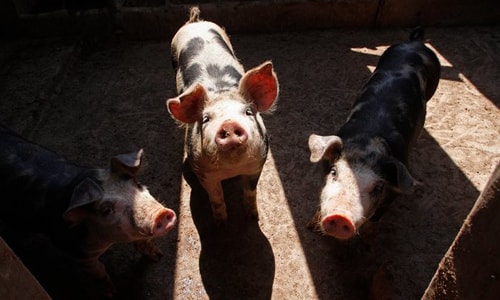 |
Taiwan is one of the few territories that have institutionalized the use of food waste as animal feed. |
According to The Guardian, every night, upon hearing the soothing classical music emanating from the garbage trucks, Taipei residents bring their bins or bags of leftover food to empty into the tanks on the trucks. From there, the leftovers are transported to farms, ensuring a nutritious supply for millions of pigs.
This helps reduce the amount of waste that needs to be processed, while also helping farmers reduce livestock farming costs.
"We realized there was a lot of food waste that couldn't be incinerated because it was wet," said Chiang Tsu-nong, deputy inspector general of Taiwan's environmental inspection bureau.
"Land is limited in Taiwan, so people will certainly oppose the construction of more landfills or incinerators."
Many countries are observing Taiwan's approach to using food waste to feed livestock, a challenging issue in environmental management and protection. According to the United Nations, more than one-third of global food is wasted each year, while 795 million people worldwide suffer from hunger.
Rice bran is currently the most common animal feed, with over 80% of the world's soybean production used for animal feed. Rice water is cheaper, less expensive, and has a lower carbon footprint, according to scientists.
A study published in January by the University of Cambridge, England, found that using rice water as pig feed saves 1.8 million hectares of farmland worldwide and utilizes approximately 102.5 tonnes of feed waste in the European Union each year.
Benefit
Feeding pigs with rice bran is very common in Asian countries, such as Vietnam and Japan. For example, 35% of leftover feed in Japan is sent to pig farms, preserved by reheating at high temperatures and adding lactobacillus, a type of bacteria used in yogurt production.
They then feed their pigs with this feed, market the product, advertise it as clean, environmentally friendly pork, and sell it at a higher price.
Western countries are struggling to deal with food waste. In the US, the government set a national goal to reduce food waste starting last September, hoping to cut food waste by 50% by 2030.
However, recycling leftover feed is not common in the Western livestock industry. In the UK, authorities banned the use of animal offal as animal feed in 1996, following an outbreak of mad cow disease caused by farmers using meat from sick animals to feed healthy livestock.
Similarly, after an outbreak of foot-and-mouth disease in pigs, the European Union banned the use of all food waste, except for by-products of food production such as brewery waste and dairy waste. The United States does not have federal laws on the use of food scraps for pigs, but 22 states have enacted regulations prohibiting it.
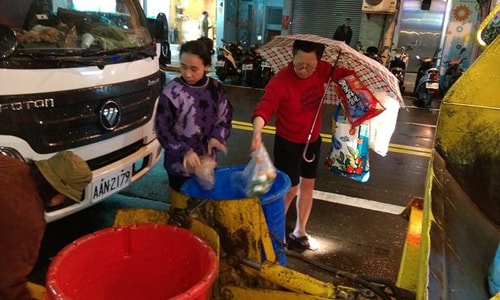 |
People in Taipei bring their leftover food to collection trucks. |
During its first four years, Taiwan's food recycling program faced difficulties due to public non-compliance and delayed enforcement. Occasionally, trucks collecting rice water were delayed, and people left spoiled leftover food on the streets. Some households refused to sort their food waste.
After 2005, enforcement was strictly monitored. Garbage truck drivers would not transport unsorted waste, and inspectors would fine homeowners for not sorting their waste correctly. Since then, people have become accustomed to sorting their waste and have made it a habit to pour rice water into the collection trucks every night, finding joy in sharing their daily lives with neighbors.
Eva Tsai, 51, gathers leftover food from her refrigerator two days in advance to prevent spoilage, then disposes of it in the garbage truck at 8:30 p.m. every day. She has maintained this habit for 15 years.
"This is not only good for the environment, but it also helps pig farmers in Taiwan," Tsai said. "I don't think it's a hassle at all. You get to get to know and chat with your neighbors, and you get some exercise too."
To be allowed to use rice water, farmers must place an order with the government, pay for it, and boil the rice water at high temperatures for an hour, killing any viruses.
Among the 7,983 pig farmers on the island, many add protein or other nutrients to rice water before feeding it to their pigs, according to Zhang Sheng-jin, president of the Taiwan Pig Farmers Association. Zhang says this method saves farmers 30% on the cost of commercial feed.
Deputy Inspector GeneralChiang assessed thisIt is a nutritious and environmentally friendly food source, beneficial for urban waste management. By giving away rice water, Taiwanese people receive clean pork in return; it's a win-win situation.
Kdifficulties
Taiwan's pig farming industry is worth $17 billion, accounting for 16% of the territory's total agricultural output, Chiang said. However, bDespite pork accounting for 50% of the country's total meat consumption, Taiwan's pork production declined slightly last year due to pressure from imported pork.
The food recycling program in Taiwan also has many problems. Sorting and processing waste is time-consuming for residents, and the amount of recycled rice water has remained unchanged since 2008, Chiang said.
The companies hired by the government to handle waste from apartment buildings have not been properly sorting food waste, and inspectors have not been diligent in their checks.
"The sorting instructions on the street bins aren't always clear and easy to understand," said Chang Yu-an, 40, a resident of Taipei. He and his family have maintained the habit of disposing of rice water for 10 years.
"If people don't know where to dump it, they just throw it all in one place to get it over with."
According to VNE
| RELATED NEWS |
|---|


