
Commune-level planning: The bottlenecks need to be removed soon.
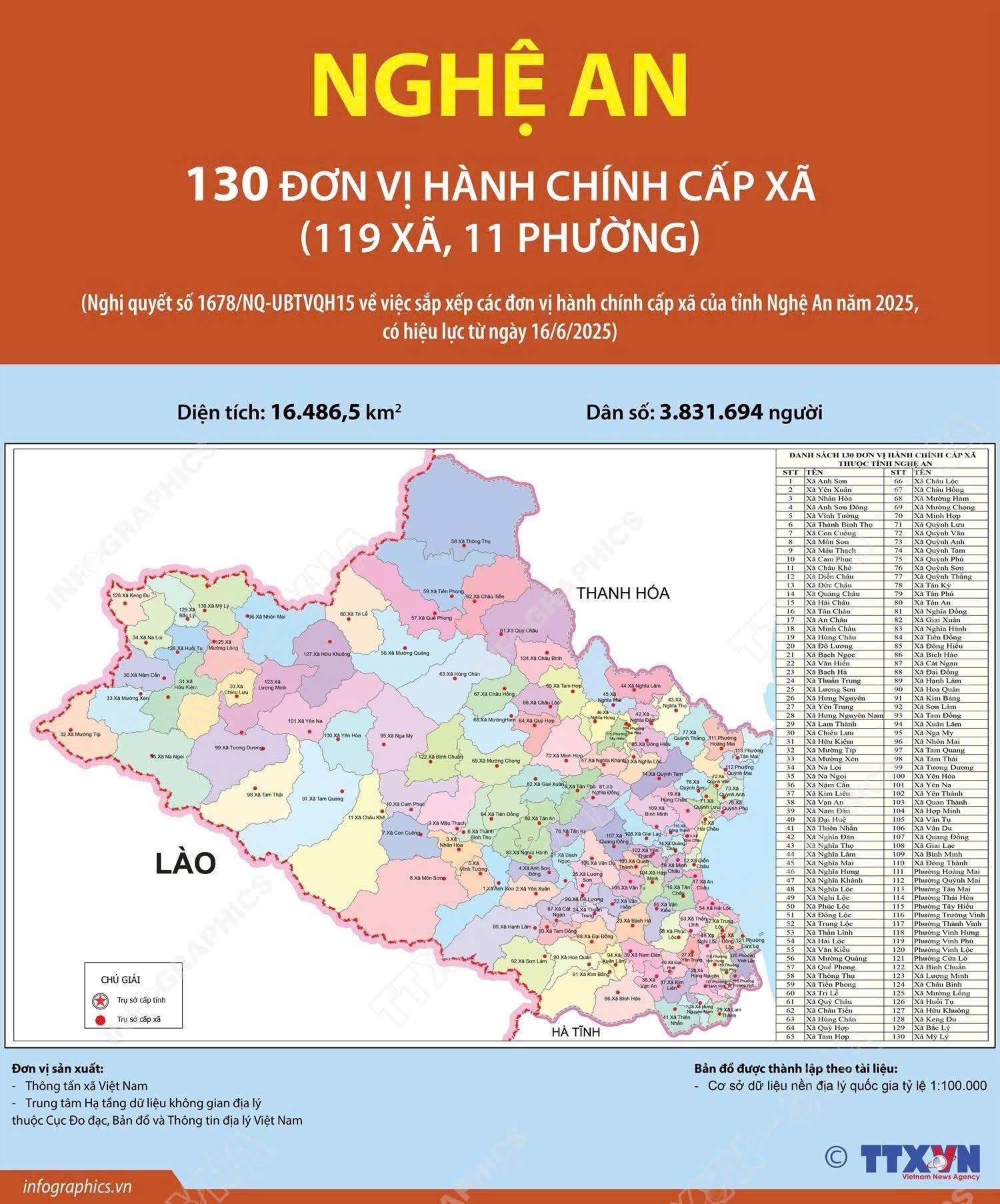
Following the issuance of Official Dispatch No. 14 by the Chairman of the People's Committee of Nghe An province on May 21, 2026, aimed at resolving obstacles in the implementation of general planning at the commune level, many localities have shown positive progress. However, surveys reveal that the implementation process still faces numerous difficulties, ranging from limited resources and a lack of synchronization between different planning levels to a wait-and-see attitude in some localities regarding further information on administrative unit restructuring.
.png)
Ngoc Dung| Design:Huu QuanJuly 13, 2026

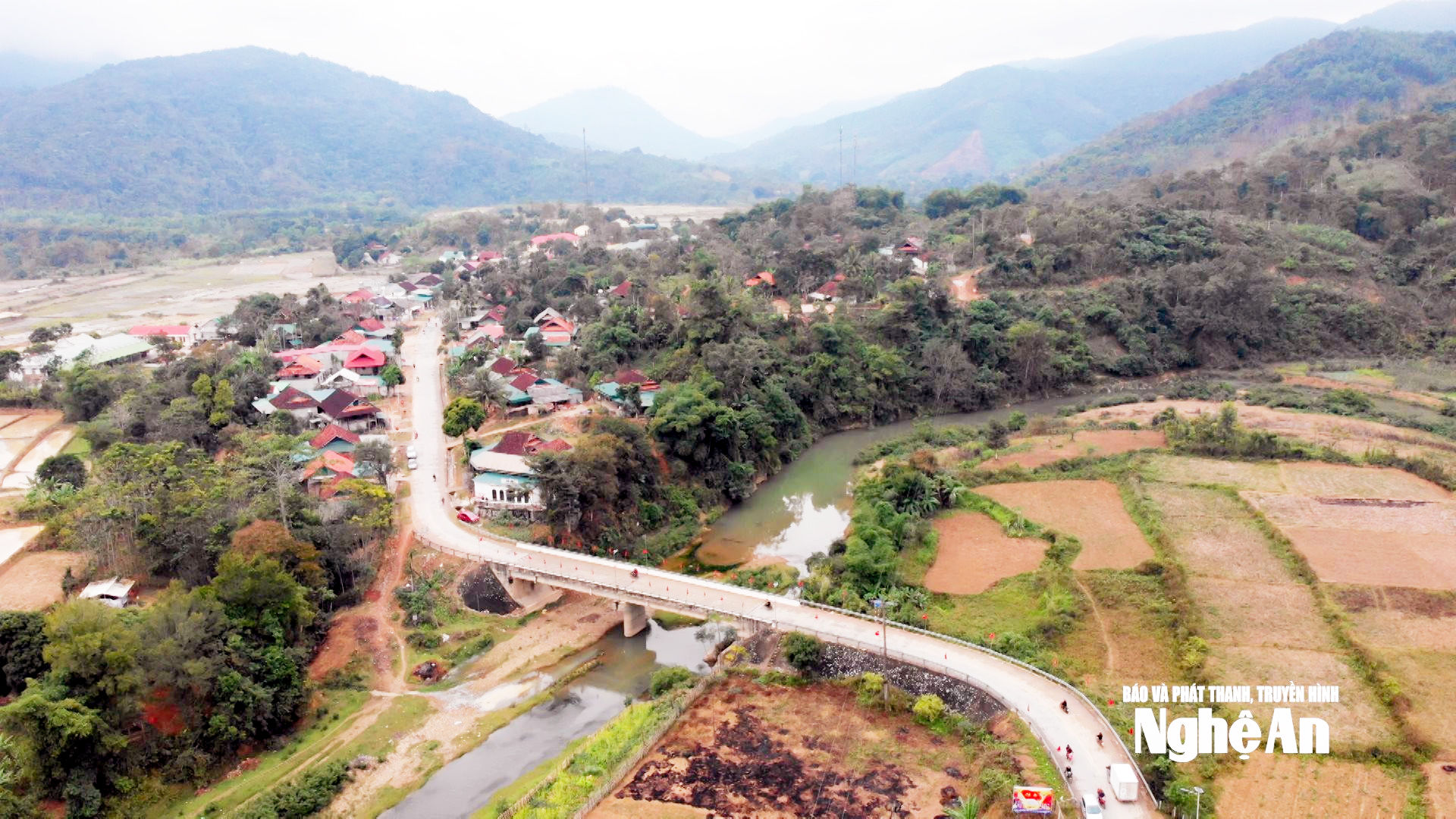
Following the administrative merger, Nga My commune became one of the largest communes in Nghe An province, covering over 300 km². Revising the master plan to define a new development space was an urgent task, but the commune government faced difficulties right from the start.
Mr. Lo Thanh Nhat, Secretary of the Party Committee of Nga My commune, expressed his concerns: “Our locality faces two difficulties: Firstly, the funding for organization and the commune's capacity are insufficient, making us entirely dependent on the provincial budget. Secondly, the old district-level planning has shortcomings due to changes in requirements and characteristics at the time. Now, the land use needs and the planning of institutions have completely changed, requiring in-depth technical expertise, which the commune officials lack the capacity to handle.”
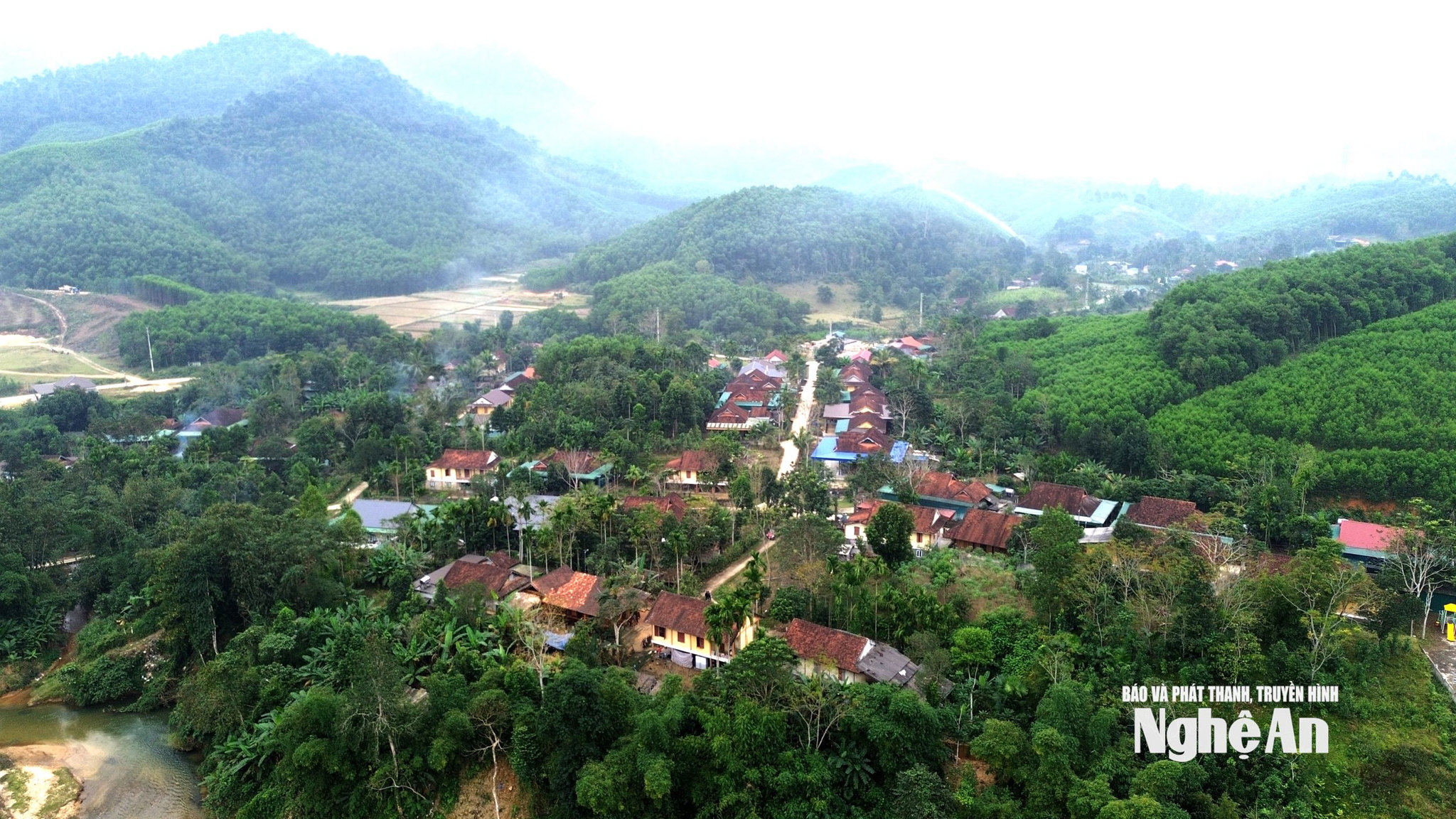
The financial and capacity constraints faced by Nga My commune are almost a common story among mountainous localities in Nghe An province, creating a vicious cycle: To develop a comprehensive plan, they need to hire a specialized consulting firm, but hiring one requires substantial financial resources. Meanwhile, the budget allocated for this is currently extremely limited.
In a particularly disadvantaged commune like Tien Phong, Ms. Lo Thi Nguyet, Chairwoman of the Commune People's Committee, stated that the commune's local revenue is very low, and the funds allocated for planning are both insufficient and not provided in a timely manner.
The locality has only received 100 million VND in support from the province, while the estimated budget for the planning task is nearly 1 billion VND. This huge financial gap makes implementation extremely difficult.”
Ms. Lo Thi Nguyet - Chairperson of the People's Committee of Tien Phong Commune
As of June 2nd, 2026, the Nghe An Department of Finance had received 108 out of 108 reports from communes regarding the status of general planning. The compiled data reveals significant resource constraints:
- Total estimated cost of implementation:The estimated cost is over 136 billion VND.
In there:
Budget approved:53 out of 108 communes with a total budget of 63,799,394,000 VND.
Budget not yet approved:55 out of 108 communes with a total estimated budget of 72,288,743,000 VND.
- Funding support from the provincial budget:According to Decision No. 4436/QD-UBND dated December 31, 2025, the amount is 14,400,000,000 VND.
+ Amount disbursed:3,313,855,000 VND (reaching 23.01%).
- Funding from local sources:The communes have proactively allocated or planned to allocate 11,331,692,000 VND.
- Request for additional support:Local authorities are proposing that the provincial budget provide an additional 109,679,203,000 VND in support for 2026.

From a professional perspective, Architect Nguyen Viet Duc - Director of the Institute of Planning and Construction Architecture of Nghe An province - recommends that this planning process must inherit the development orientation of previous provincial and district-level plans. In particular, the urban planning process needs to clearly define transportation connections and identify key functional areas (urban, service, commercial, industrial) to balance resources and attract investment.
However, for "inheritance" to be successful, higher-level planning must precede and clearly define the area. In reality, Dong Loc commune remains deeply concerned because, to date, the Nghe An provincial planning has not clearly defined the role of this area, even though the commune's development orientation is heavily influenced by the Vinh urban area and the coastal economic corridor.
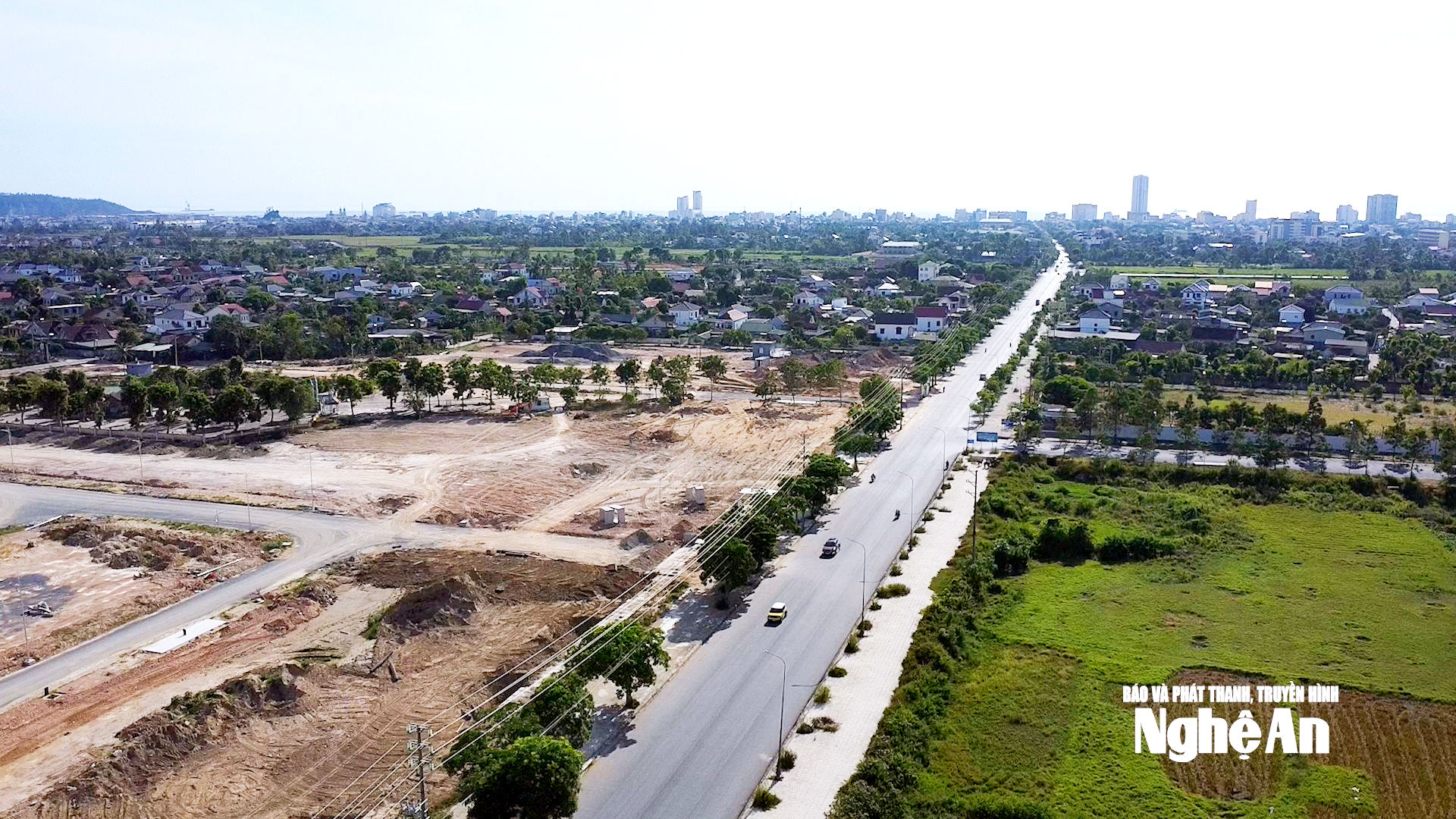
"If the port logistics area plans, the plans for both sides of the boulevard, and the Vinh urban plan are developed, prepared, and approved beforehand, it will be very advantageous for Dong Loc commune in developing its overall plan."
Mr. Phung Ngoc Tu - Vice Chairman of the People's Committee of Dong Loc Commune
The essence of planning is connectivity and creating space for development; therefore, a general planning project at the commune level cannot exist independently or be isolated by the boundaries on the administrative map. If each locality only focuses on its internal boundaries to "draw" its future, that project will immediately become an isolated "island." Core elements such as transportation arteries, economic flows, technical infrastructure systems (electricity, water supply and drainage), and functional zoning plans (industrial zones, raw material areas, urban areas) are all interconnected. If one commune builds a road but another doesn't connect, or if one commune plans a waste treatment area right next to the urban area of the neighboring commune, the entire system will self-destruct.
Waiting for guidance or resource inadequacies are not the only obstacles. The heaviest pressure is falling on smaller localities, which may have to be reorganized or merged again, as the government affirms it will definitively address the issue of administrative units that do not meet the standards.
This situation puts localities in a dilemma: If they don't act, they'll be slow to implement directives, but if they spend billions of dong on planning projects, will they have to cancel and readjust them from scratch after the merger? Without proactive guidance from the provincial level, the risk of wasteful spending in these communes "awaiting merger" is imminent.
A prime example of this concern is the story of Van Kieu commune – a semi-mountainous area with a natural area of less than 100 km². Since the transition to a two-tiered local government model and the organization of the first Party Congress, the commune has proactively focused its efforts and taken early steps in establishing planning tasks and selecting consulting firms. However, while the plan was still in the consultation and revision phase awaiting approval, the policy of reorganizing the administrative apparatus has put the locality in a dilemma.
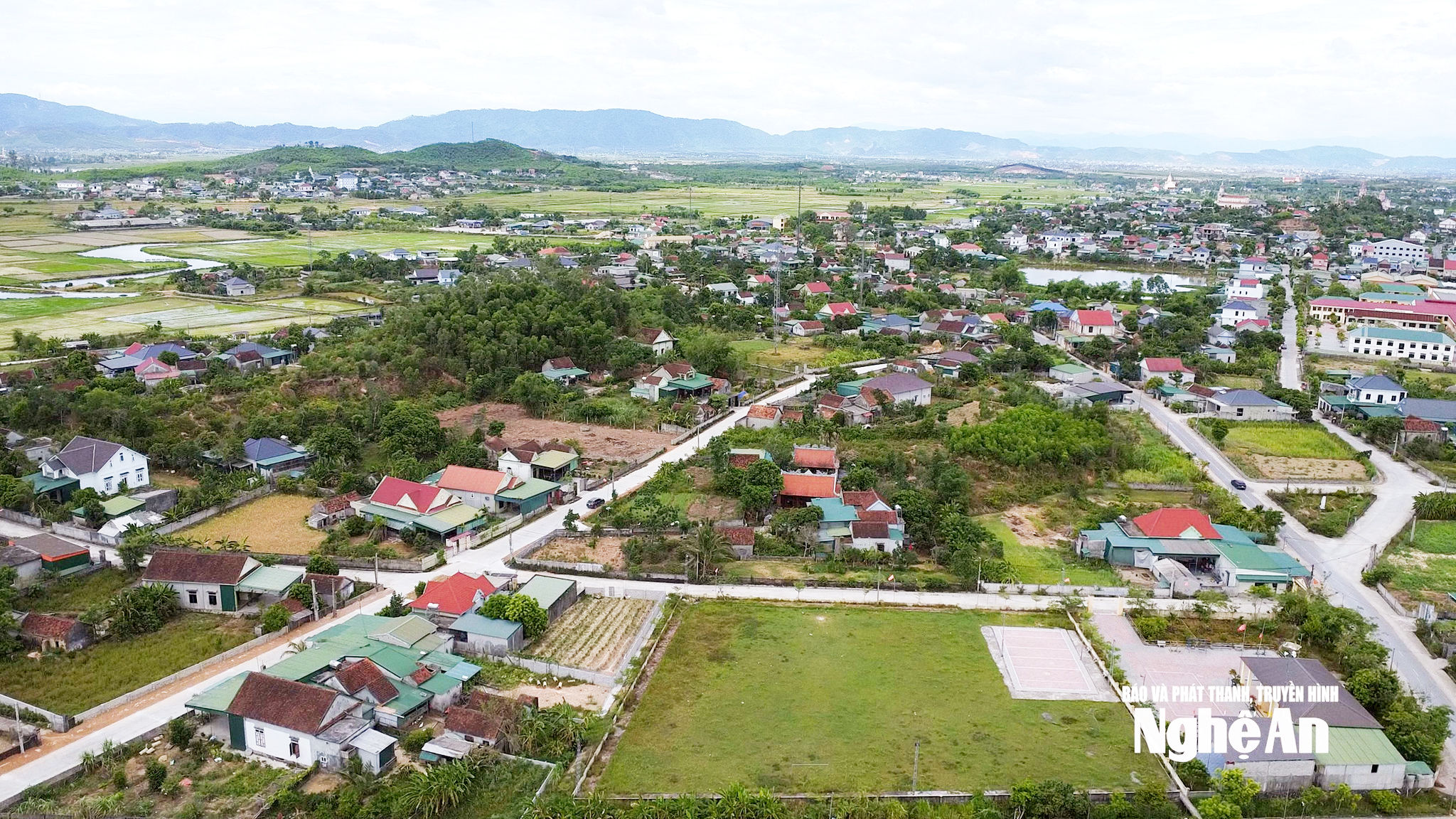
Mr. Nguyen Phan Khoi, Vice Chairman of the People's Committee of Van Kieu commune, frankly shared his views on this situation: "We don't know yet whether our commune is included in the list of communes that need to be reorganized. But when communes that do not meet the standards have to merge with other communes, it will have a chain reaction affecting surrounding administrative units."
According to Mr. Khoi, this uncertainty not only hinders the research and acceleration of the project but also directly affects the morale of local officials. In the long term, planning requires a vision of 50 years or more to ensure feasibility and stability. Therefore, the leaders of Van Kieu commune propose that competent authorities from the central to provincial levels conduct a comprehensive, thorough, and macro-level study and "do it once and for all" to create long-term stability and avoid the situation where the plan becomes outdated immediately after being finalized due to changes in administrative boundaries.

The ultimate goal of any urban planning project is to open up new development spaces. However, even when the outlines on the map have taken shape, the challenge of securing the resources to realize these plans remains another difficult hurdle.
In Kim Lien commune – a locality aiming to become a national tourism center, worthy of being the birthplace of President Ho Chi Minh and soon to become a model commune – this pressure is also very real. Mr. Le Trung Hoa, Chairman of the People's Committee of Kim Lien commune, expressed his hope that the leaders of the Provincial Party Committee, the Provincial People's Council, and the Provincial People's Committee would pay attention and provide timely support with specific mechanisms and resources; otherwise, all expectations for innovation could easily fall into the scenario of "powerlessness".
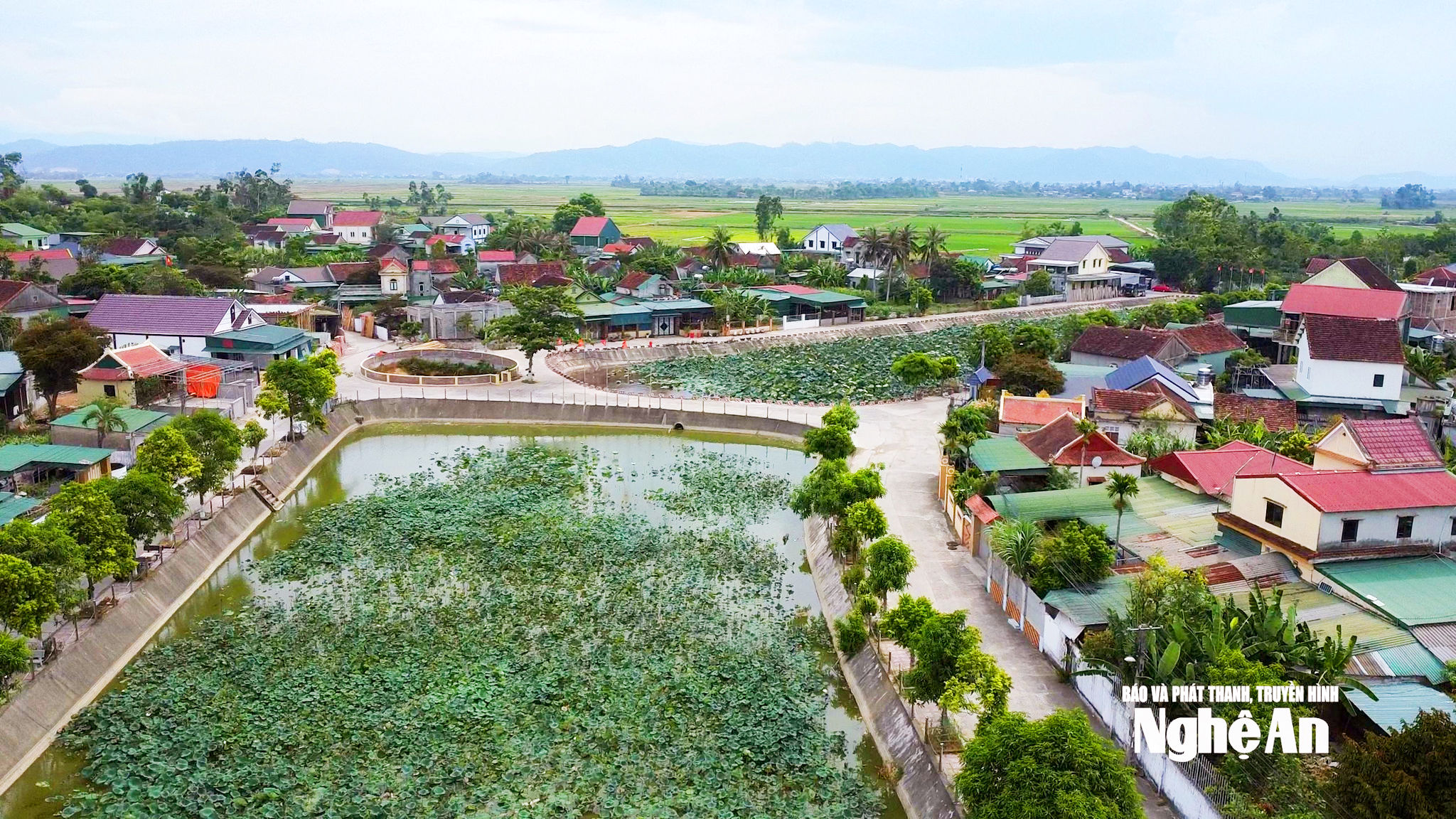
Sharing the same view, Mr. Lo Van The, Chairman of the Chau Binh Commune People's Committee, concluded: "Developing a quality and feasible plan for the future is difficult. But mobilizing resources to implement that plan, to develop the commune's socio-economic, national defense, and security aspects according to the plan, still requires a great deal of resources."
Based on the realities in the localities, revising the general planning at the commune level is a necessary and systematic task. What is needed now are decisive and coordinated solutions from the Provincial People's Committee and relevant departments to support and overcome difficulties at the grassroots level. Specific, forward-looking guidance and direction are needed so that localities can confidently draw the blueprint for the future. Because ultimately, planning is only truly valuable when it opens up a space for practical development, brings legitimate benefits to the people, and unlocks all resources for the future of Nghe An province.


