
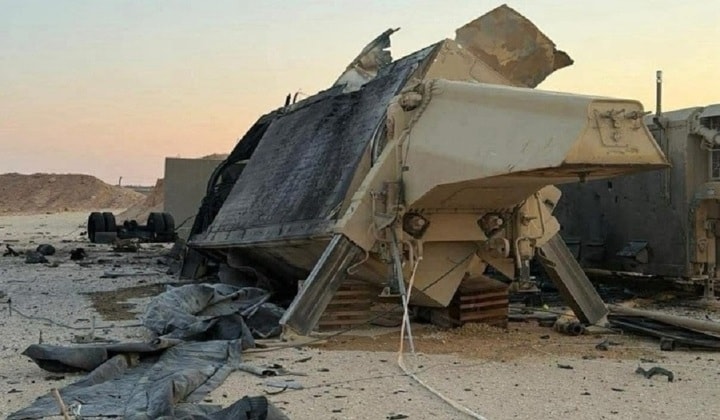
The AN/TPY-2 radar of the US THAAD system was destroyed in Jordan.
The destruction of the AN/TPY-2 radar by an Iranian UAV at the Muwaffaq Salti base crippled the THAAD battery and exposed a cost-benefit gap between the billion-dollar defense system and cheaper weapons.
On March 7, the latest reports and imagery confirmed that the AN/TPY-2 radar, a key component of the U.S. military's Terminal High Altitude Area Defense (THAAD) missile defense system, had been destroyed. The attack was carried out by Iranian drones targeting the Muwaffaq Salti air base in Jordan, a strategic link in the U.S. missile defense network in the Middle East.
Strategic damage at Muwaffaq Salti base
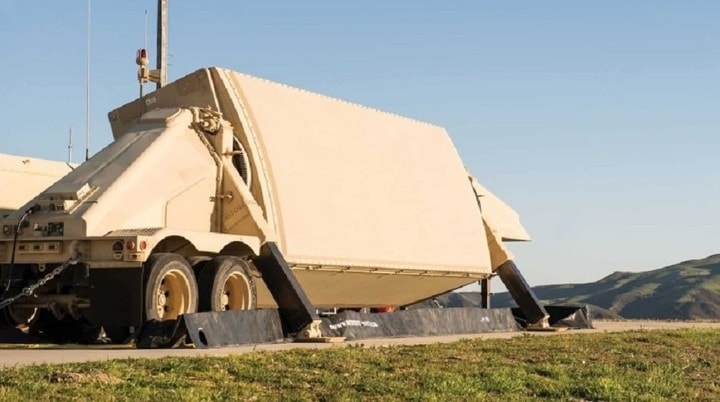
Satellite images and videos circulating on social media show signs of serious damage at the radar deployment site. The AN/TPY-2 radar acts as the "eye," responsible for detecting, tracking, and providing guidance data to interceptor missiles. Analysts believe the loss of this equipment will significantly impair the effectiveness of the entire THAAD system in the region.
Notably, the attack occurred amidst a series of targets targeting early warning radar stations of the US and its allies. Previously, the AN/FPS-132 Block 5 radar in Qatar – a unit providing data for the THAAD network in Israel and Jordan – was also reported to have been attacked.
Weaknesses in THAAD's operational structure.
The THAAD system differs significantly in design philosophy from Russian air defense systems like the S-400. While the S-400 typically deploys multiple layers with various radars for support, THAAD relies solely on the AN/TPY-2 radar. This creates a "single point of failure": if the radar is disabled, the THAAD battery loses its ability to independently detect targets.
Although the system can still receive data from external sensors to launch missiles, its combat effectiveness and actual defensive range will be severely limited. The AN/TPY-2 is a high-power X-band radar, estimated to cost between $550 million and $1 billion, making it one of the most expensive assets in the U.S. military.
The challenge from the cheap weapons tactic.
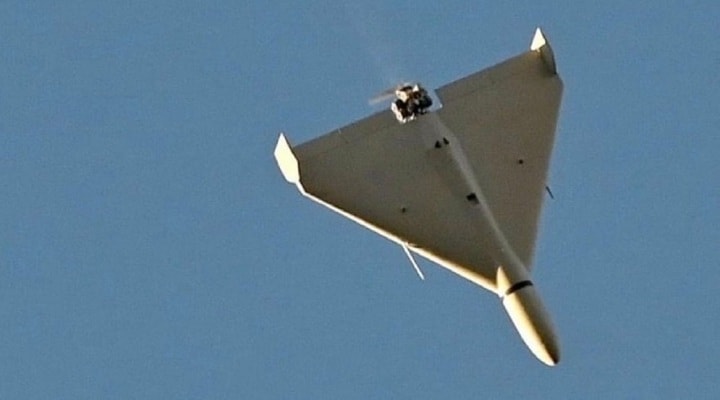
The cost disparity between the AN/TPY-2 radar and Iran's attack UAVs has posed a difficult dilemma for military planners. While a radar costs hundreds of millions of dollars, suicide UAVs like the Shahed-136 cost only about $20,000 to $60,000 each. This difference allows adversaries to carry out saturation attacks aimed at neutralizing highly advanced defense systems with inexpensive weapons.
Pressure on interceptor missile stockpiles
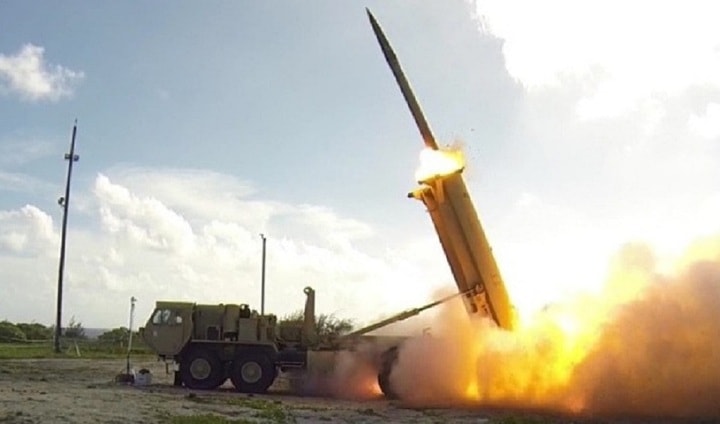
Besides radar damage, the U.S. military is also facing a depletion of its interceptor missile stockpile. During intense fighting in June 2025, the U.S. consumed over 150 THAAD missiles, equivalent to 25% of the global stockpile, in just 12 days. At a price of $15.5 million per missile, the cost of maintaining the defense network is rapidly increasing.
Currently, the U.S. military operates only about eight THAAD systems worldwide. The loss of a critical radar in the Middle East, combined with the rapid rate of missile depletion, poses serious challenges to maintaining security in key areas against large-scale ballistic missile and UAV attacks.


