
CXMT's DDR5 RAM surpasses Samsung's price: Why cheap Chinese chips are so expensive.
Despite using an older manufacturing process and consuming more power, CXMT's DDR5 server RAM is now priced higher than comparable products from Samsung due to the soaring demand for AI infrastructure.
Amidst the prolonged DRAM price crisis fueled by the AI infrastructure boom, CXMT (ChangXin Memory Technologies) was once expected to be a savior for the market thanks to its affordable DDR5 RAM modules. However, the market reality is going against expectations, with the Chinese manufacturer's RAM modules even selling for higher prices than leading brands like Samsung.
The reality of unusually high pricing for CXMT DDR5 RAM.
A 64GB RDIMM DDR5-5600 server RAM module using CXMT's chip currently retails for up to 18,999 Yuan (approximately $2,800). This price is significantly higher than comparable RDIMM modules from Samsung. Even for large enterprise customers like Huawei, CXMT maintains its price above Samsung's benchmark of $1,240 without offering any discounts.
At COMPUTEX 2026, Chris Xia, Lexar's Regional Director for Australia and New Zealand, stated that upward price pressure on memory is unlikely to ease anytime soon. He advised users to upgrade now rather than wait, as lower prices are unlikely to appear for many years to come.
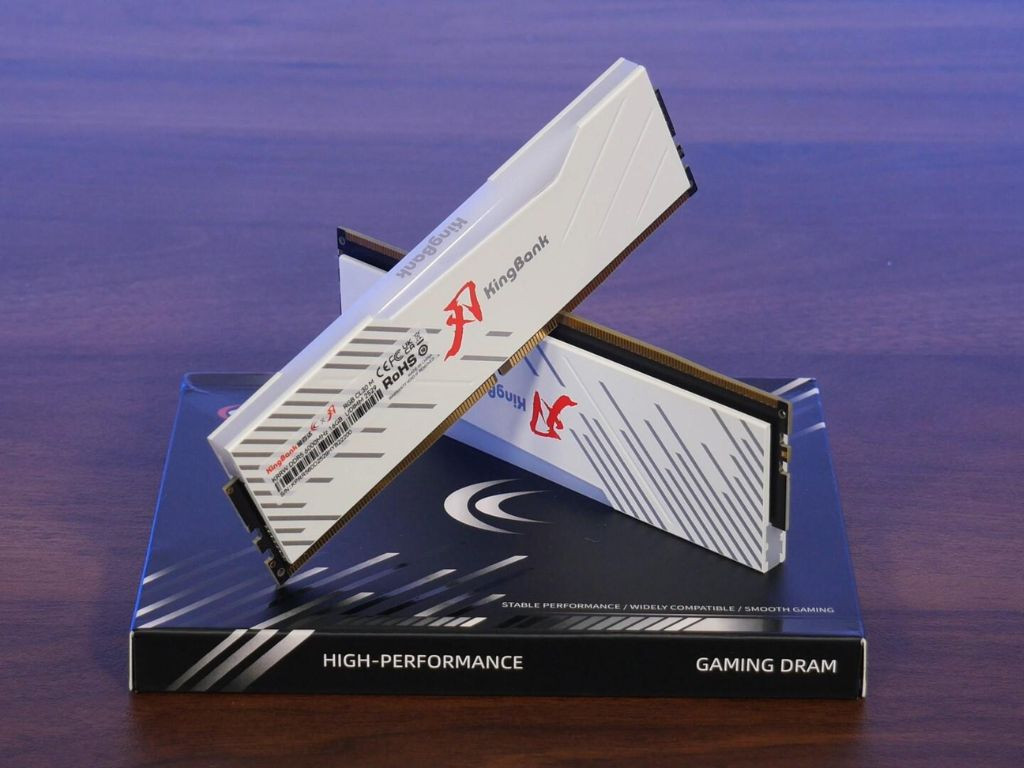
Technical analysis: Outdated processes and performance limitations.
Technically, CXMT's DRAM chips are still based on older manufacturing processes compared to the three market leaders: Samsung, SK Hynix, and Micron. This difference in manufacturing technology leads to several core limitations:
- Power consumption:The CXMT chip requires more power to operate at the same specifications.
- Peak performance:The maximum speed and bandwidth achieved are lower compared to direct competitors.
- Overclocking capabilities:Real-world tests have shown that RAM using CXMT chips is less stable and experiences difficulties when overclocking.
Why are CXMT RAM modules still selling well despite having weaker specifications?
Despite its lower energy efficiency and overclocking capabilities, CXMT memory still attracts a server and data center customer base. For enterprise system operators, the top priority is stability and ensuring a continuous supply chain during periods of global component shortages, rather than optimizing every bit of performance or overclocking potential.
Large-scale AI data centers and cloud service providers are consuming the majority of the industry's semiconductor chip capacity. This helps CXMT maintain a strong bargaining position in the market despite its component quality not being as optimal as that of its long-established competitors.
Capacity expansion plan and market prospects
To meet the growing demand, CXMT plans to increase its production capacity from 200,000 semiconductor wafers per month to 600,000 wafers when its new factories in Hefei and Shanghai become operational. In addition, the company has signed long-term supply agreements with several PC manufacturers in China extending until 2027.
According to financial analysts, CXMT's pricing of its products at or above the level of established competitors indicates that the memory market is under significant speculative pressure and a severe supply shortage. Mainstream consumers can hardly expect a price drop for DDR5 RAM in the short term.


