
Real Madrid faces a defensive crisis ahead of their match against Olympiacos.
Real Madrid will be without Courtois due to gastritis, leaving them with only one center-back; Tchouameni could drop back to play center-back when they visit Olympiacos at Karaiskakis.
The trip to Athens became a life-or-death test for Real Madrid: Thibaut Courtois had to stay in Madrid due to acute gastritis, the defense was missing several key players, and coach Xabi Alonso faced the difficult choice of moving Aurelien Tchouameni back to play center-back. With only one fit center-back available, the trip to Karaiskakis carried significant risks, even though Real were leading La Liga and among the top eight teams in the Champions League.
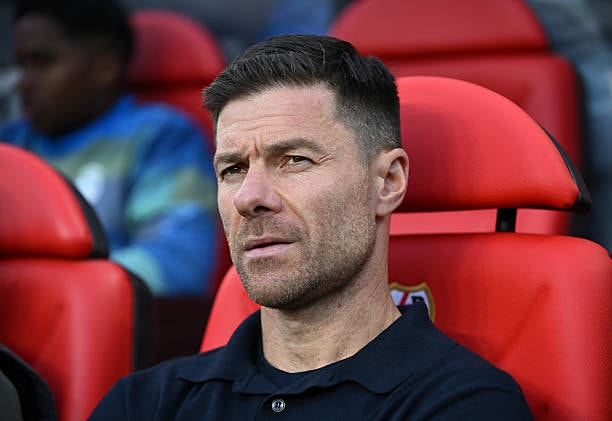
A storm of injuries and gaps in front of the goal.
Bad news arrived just before departure: Courtois was unable to train for the final session due to acute gastritis and missed the trip. For the first time in three months, Real Madrid's goal will be without their number one goalkeeper, forcing Andriy Lunin to start his first game of the season.
That's just the tip of the iceberg. The biggest problem lies in the defensive line: Dani Carvajal, Eder Militao, and David Alaba were all already absent; the hopeful Antonio Rudiger hasn't recovered in time; and young talent Dean Huijsen has also joined the injury list due to a muscle problem.
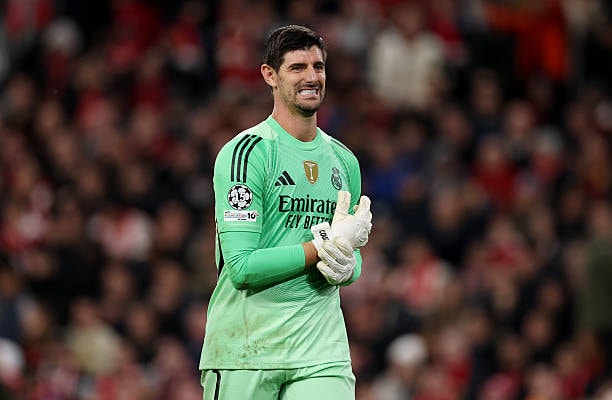
The result: the registration list was left with only one truly fit center-back, Raul Asencio. In this context, Aurelien Tchouameni's return after 20 days of injury was like a lifeline – but it's likely that this lifeline should be placed in the center-back position.
Tactical shift: Tchouameni drops back to play center-back.
Tchouameni's arrival at the heart of the defense not only solves the immediate personnel problem but also brings about a change in the playing structure. The ability to shield the area in front of the 16-yard box and the ability to redirect pressing from the midfield will lack a familiar anchor, replaced instead by a center-back with consistent passing to develop play from the first line.
Lunin – in their first match of the season – needed tight organizational support: the distance between the lines had to be compressed effectively, especially in the half-space where Olympiacos could exploit speed and one-on-one challenges. Even a slight delay in escaping the press would put the goal in jeopardy, as the first line of defense would be weakened.
Two draws, pressure, and 90 minutes are more important than just three points.
Two consecutive draws against Rayo Vallecano and Elche have slowed Real Madrid's progress and exposed the limitations of a depleted squad. Speculation about a dressing room rift – particularly concerning the relationship between Alonso and Vinicius after the substitution incident in El Clasico – continues to hang like a dark cloud over Valdebebas, despite the club's vocal support for the 44-year-old manager.
Therefore, the 90 minutes in Athens were crucial for moving up the Champions League group stage standings. A victory would dispel the gloomy atmosphere and reaffirm the character of a team suffering from seven key absences. But in the cauldron of Karaiskakis, with a makeshift defense, errors had to be minimized.
Alonso's dilemma: fewer players, but they must all play the right roles.
Alonso must balance safety and identity. When the defensive shield in front of the goal is worn down, the logical scenario is to prioritize structure – keeping the team compact, managing transitions, and minimizing risks in second-ball situations. The rest depends on discipline: closing gaps at the right time, choosing the right timing for advancing and retreating, and minimizing one-on-one duels on the flanks when Carvajal is absent.
The king still possessed class and experience, but to weather the storm in Athens, they needed a performance that was not only structurally sound but also cool-headed in every decision. When the familiar shield was gone, each link had to become part of a new safety net.


