
Real Madrid opens its doors to minority investors, while socios retain ownership.
Real Madrid will establish a subsidiary controlled by 98,272 socios; the 5% minority investor will receive dividends but will not have voting rights; the plan requires a referendum.
Real Madrid is preparing to change its ownership structure: Florentino Perez has proposed creating a subsidiary controlled by 98,272 socios, while allowing a minority shareholder to hold approximately 5% of the capital. This investor could receive dividends or a share of revenue but would not have voting rights; the power to elect the president and decide on significant changes would remain with the member community. The plan will require approval from an extraordinary general meeting before a referendum is held among all members.
Perez wants to protect Real Madrid, not patch the financial hole.
At this year's congress, Perez affirmed that the goal was "to protect the club from both external and internal influences," rather than financial difficulties. He emphasized that Real Madrid has a strong financial foundation, being the only club to have revenue exceeding 1 billion euros according to a Deloitte report. He argued that this strength provides the basis for legal battles, including the lawsuit against UEFA related to the Super League.
Sources from The Athletic indicate that Perez also wants to secure Real Madrid's financial future when he leaves office. At 78 years old, he wants a new structure that will help the club avoid the risks of weak leadership or misconduct in the future.
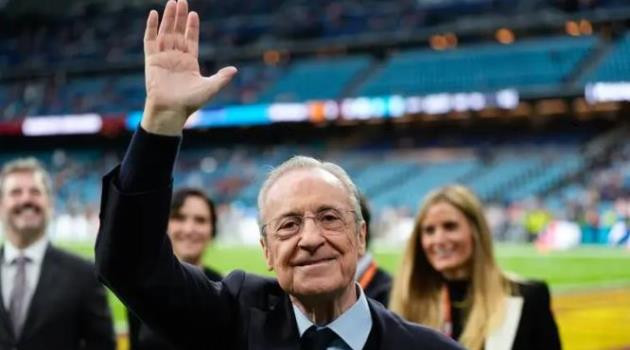
Proposed structure: dividends, no voting rights.
- Establish a subsidiary company in which socios retain control; one investor or group of investors holds approximately 5% of the capital.
- Each socio receives one share in the subsidiary; no one is allowed to own more than one share, preventing the accumulation of power.
- The subsidiary will be the legal entity owning the club's assets; the value of socios' shares will be determined by the price paid by the external investor to acquire the ownership stake.
- The number of socios is permanently fixed at 98,272; the policy allowing only the children and grandchildren of members to join is maintained.
- Investors may receive dividends or a share of the revenue but do not have voting rights; socios continue to elect a chairman and approve amendments to the charter.
Perez said: “We will continue to be a members' club, but we will establish a subsidiary controlled by socios, with a minority shareholder holding approximately 5% of the capital.”
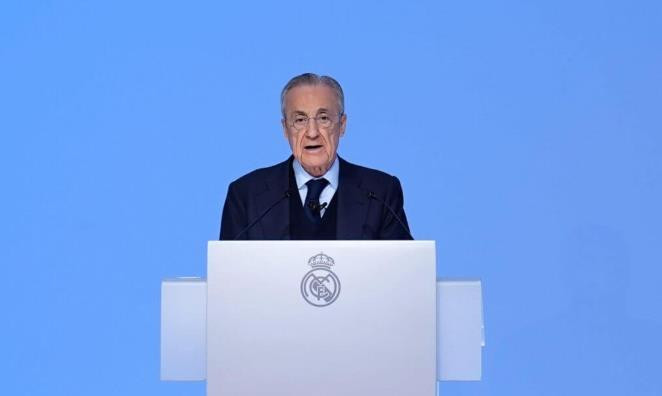
Current models and questions about SAD
Real Madrid was among the four clubs exempted when Spain required professional football teams to transform into sports companies (SADs) in the early 1990s; the other three were Barcelona, Athletic Club, and Osasuna. Internal democratic mechanisms were maintained: members elected the president, approved finances, and any changes to the charter.
Perez said in 2016: "Real Madrid has no owner, it belongs only to the socios – those who guide the club." However, individual socios do not have legal ownership of the assets; the club cannot be sold in its current form, members do not directly benefit from it, and are not responsible for its debts.
Why not convert to a SAD (Socialist Investment Authority) like most La Liga teams? If it were a SAD, the socios wouldn't automatically receive shares; they would have to pay a price set by the state and Spanish football authorities. The results have been vastly different: Villarreal and Betis are stable thanks to their wealthy owners; Sevilla is plagued by prolonged internal conflicts; Valencia and Malaga face opposition due to their foreign ownership. Perez emphasized: “We will limit the investment percentage so that the club always belongs to the socios. Investors must share our value and protect the club from threats.”
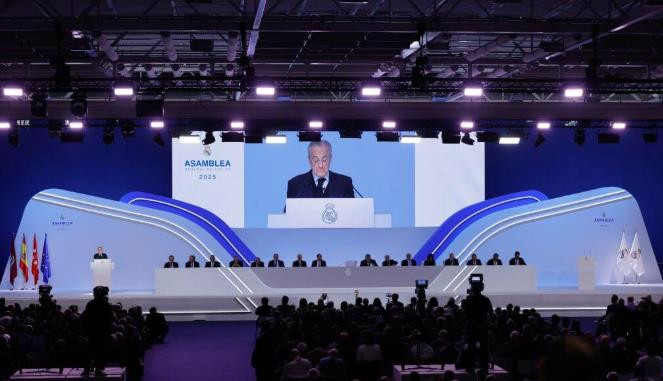
Options that were considered
Real Madrid discussed several models for acquiring capital while maintaining its existing governance structure. Key Capital Partners and Clifford Chance's legal team provided key consultations. The idea of emulating the Bundesliga's 50+1 rule was considered but rejected due to its incompatibility with the Spanish legal framework.
Developments at the annual general meeting
In his 90-minute speech, Perez criticized Tebas, UEFA, the refereeing, and Barcelona. After the financial report was overwhelmingly approved, he returned to the key announcement, stating that all details would be explained further at the upcoming extraordinary general meeting.
The next step and potential investors.
The club will convene an extraordinary general meeting to vote on holding a referendum among all members. The bylaws require any structural changes to be approved by an absolute majority in the referendum. If approved, 98,272 members over the age of 18 will participate in the vote.
According to industry sources, there will be a long line of investors and financial funds vying for a minority stake due to Real Madrid's brand and financial strength. However, existing financial partners such as Sixth Street – which supported the €1.8 billion Bernabeu renovation – are reportedly not interested in acquiring the ownership stake. The new model will not affect the company that operates non-football-related activities at the Bernabeu, such as Taylor Swift concerts, NFL games, or corporate events.


