
Rivian R2 2026: A breakthrough in the engineering and cost optimization of American electric vehicles.
The Rivian R2 2026 marks a turning point for the American electric vehicle manufacturer, with an expected price of $45,000, focusing on chassis restructuring, 4695 battery technology, and optimized software systems.
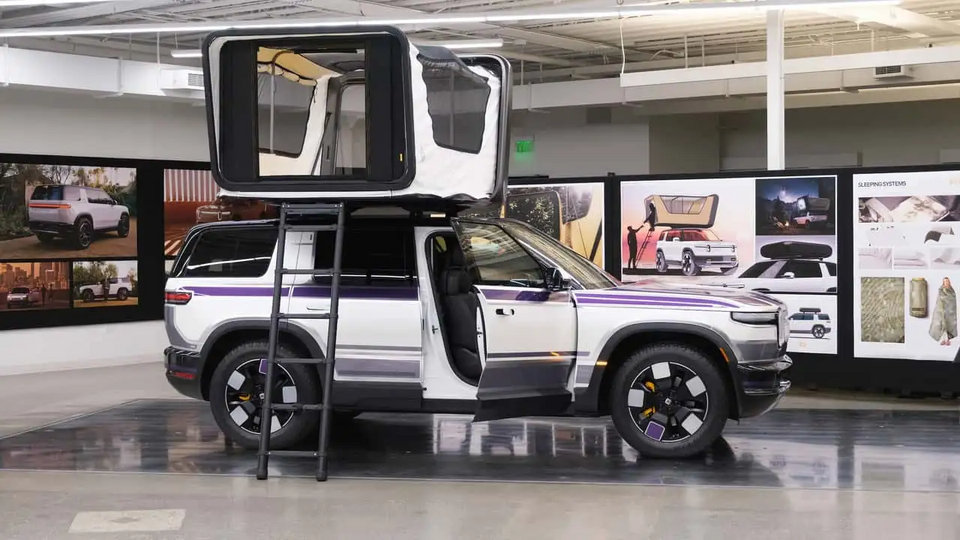
The Rivian R2 2026 is not simply a smaller or cheaper version of the R1. According to Design Director Jeff Hammoud, the core goal of the R2 is to maintain brand identity while achieving a more accessible price point for a wider audience. With an expected starting price of around $45,000, the R2 is built on an entirely new platform, incorporating significant improvements in battery, powertrain, and electronic architecture.
A revolution in weight and manufacturing processes.
Chief engineer Max Koff stated that the Rivian R2 is approximately 900 kg (equivalent to 2,000 pounds) lighter than the R1. Notably, despite the significant weight reduction, the new model boasts a 23% increase in rigidity, while the bodywork alone has been reduced by about 90 kg.
This optimization stems from a radical change in the manufacturing process. Rivian employs high-pressure die casting technology to integrate multiple stamped and welded parts into large assemblies. This method reduces the number of components, increases accuracy, and significantly lowers production costs. According to reports, the R2's Bill of Materials (BOM) is only about 50% of that of the previous R1 models. The wiring system has also been shortened by approximately 3.7 km (2.3 miles) compared to the second-generation R1, demonstrating the deep level of technical optimization.
4695 battery technology and integrated electronics architecture
At the heart of the Rivian R2 is the 4695 cylindrical battery cell supplied by LG Energy Solution. The larger cell size allows each unit to hold more energy, while also reducing the number of solder joints when assembling the cells, thereby improving reliability and production line efficiency.
In addition, Rivian has integrated many electronic control units, including the battery management system and DC-AC converter, into a single centralized area. This design not only saves on components but also simplifies maintenance. Technicians can access the system by lifting the rear seat without having to disassemble the entire complex battery pack.
Upgrade your interior space based on user feedback.
The R2 clearly reflects Rivian's efforts to listen to its customers. The weaknesses of the R1 have been thoroughly addressed. Specifically, the bike now features two glove boxes in the front, replacing the previous lack of them. The interior space has been restructured to accommodate a large tissue box, a handbag in the center console, and larger door compartments for water bottles.
To free up this storage space, the company had to completely redesign the door structure and change the speaker placement. These small but practical adjustments demonstrate R2's focus on the everyday user experience.
New operating system and unlimited updates.
In terms of software, Rivian continues to leverage its vertical integration advantages. The R2's operating system has been completely redesigned with an intuitive interface, supporting flexible swipe gestures and adding a quick access bar for essential driving functions. Self-control over both hardware and software allows Rivian to easily deploy over-the-air (OTA) updates, ensuring the vehicle is always up-to-date with new features over time.
Overall, the Rivian R2 2026 is the product of accumulated practical experience, combining optimized production strategies and cutting-edge technology. It is considered a strategic asset for Rivian to expand its customer base and solidify its position in the next phase of the global electric vehicle market.


