
Leaked HyperOS 4 Launcher reveals Liquid Glass design and new Rust source code architecture.
Leaked HyperOS 4 Launcher reveals a completely new Liquid Glass design language, optimized transition effects, and a switch to the Rust programming language to enhance system stability.
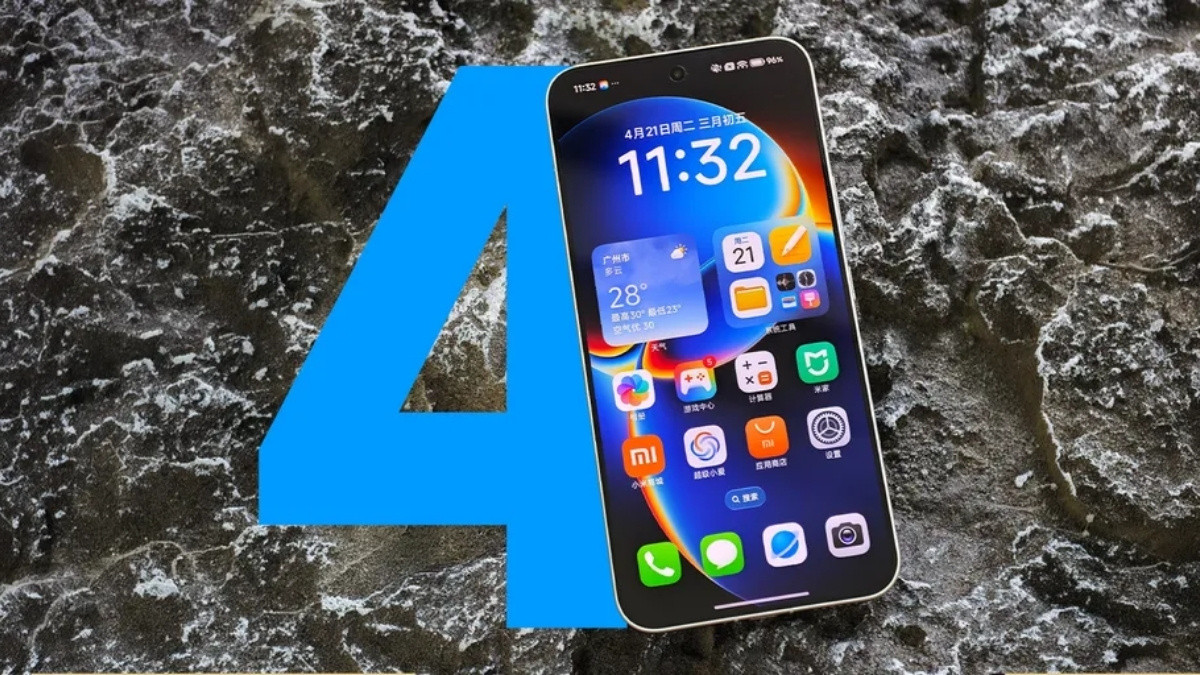
The tech community has just noticed the appearance of a leaked Xiaomi HyperOS 4 Launcher, bearing the build number RELEASE-7.00.11.5075-05181729-R. This version marks a major step forward in Liquid Glass interface design and a change in the programming platform to Rust to optimize the overall performance of the operating system.
Liquid Glass interface and design language changes in HyperOS 4
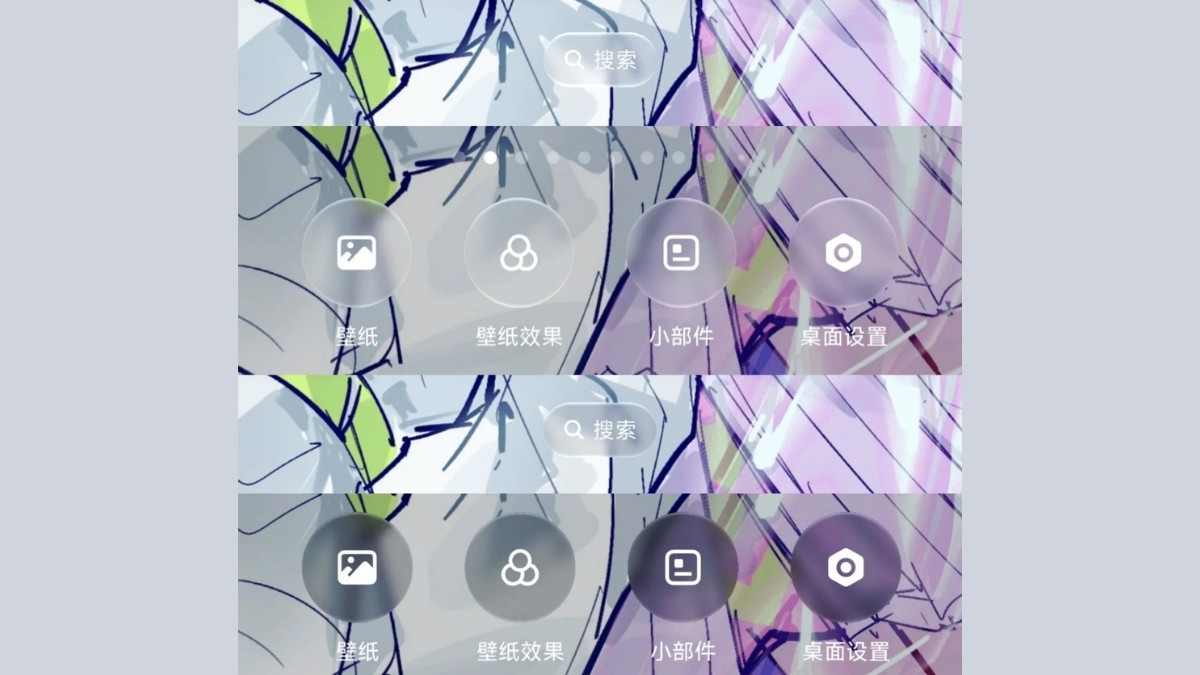
Leaked images from internal installation files reveal that HyperOS 4 brings a more modern look to the home screen of Xiaomi devices. The options menu has been completely redesigned with dark, circular icons, combined with a characteristic glassmorphism effect. The spacing between interface elements has also been refined, resulting in a cleaner and more spacious overall appearance.
Smooth transition effects with new bouncing animations.
Beyond aesthetics, Xiaomi focused on upgrading the animation system to deliver a premium touch and swipe experience. Opening and closing apps now includes a bounce effect, creating a lively and responsive feel. This smoothness is most evident when swiping back to the home screen or switching between multitasking applications, offering superior flexibility compared to previous versions.
Rust Platform: The Solution to System Stability
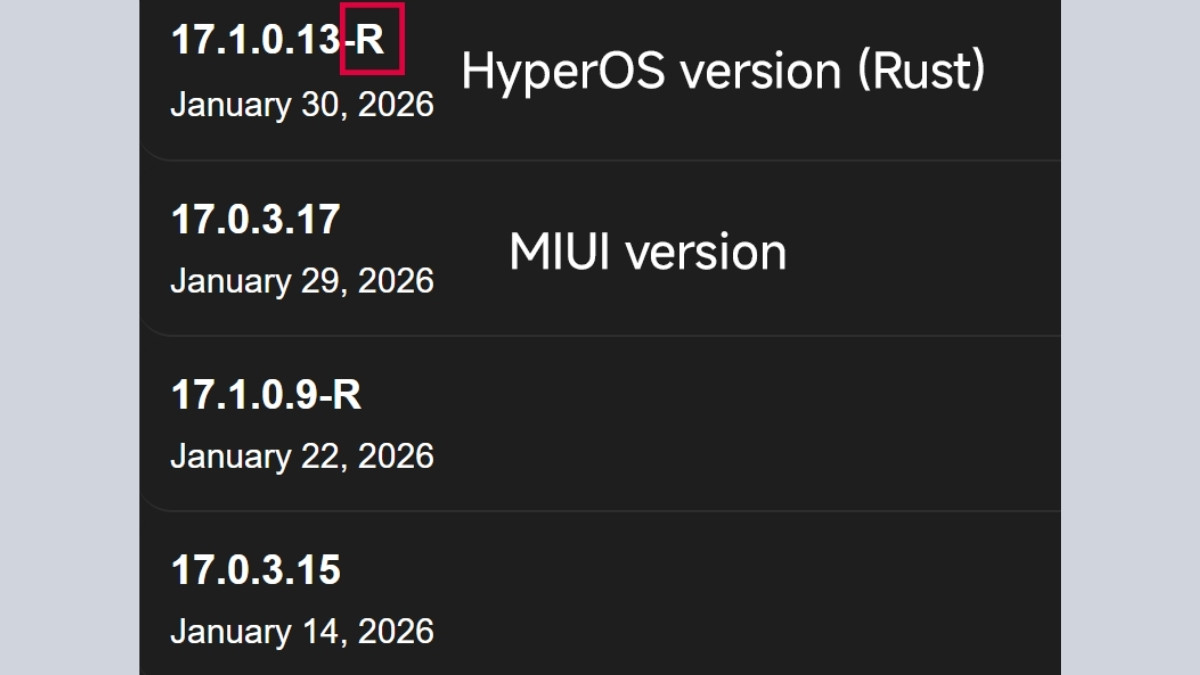
The most noteworthy technical detail lies in the "-R" suffix in the leaked version name, implicitly suggesting the application is developed using the Rust programming language. This is seen as a strategic move by Xiaomi to improve the stability and memory security of its software architecture. The switch to Rust promises to minimize common system errors and enhance the speed of background tasks.
Currently, this launcher is only in the internal testing phase and requires devices running HyperOS 3.3 to install. However, because it is not yet fully synchronized with the official HyperOS 4 system resources, some transparency effects and blurring animations may not work perfectly on older devices.
Recommended configuration for an optimal HyperOS 4 experience.
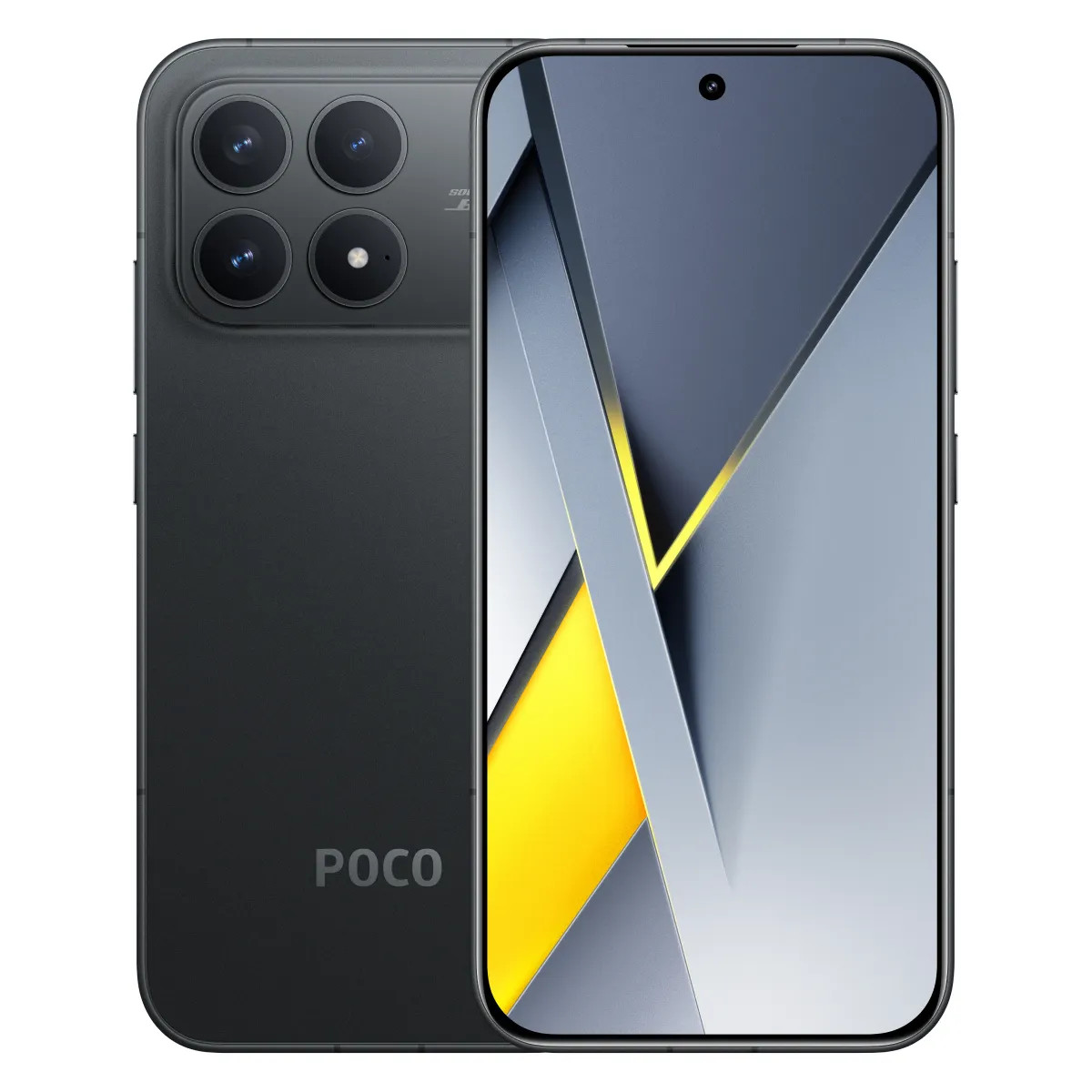
Next-generation devices with powerful hardware performance, such as the POCO F8 Pro series, are expected to take full advantage of the animation enhancements and Rust architecture in HyperOS 4.
| Specifications | POCO F8 Pro Specifications Details |
|---|---|
| Microprocessors | Snapdragon 8 Elite, 12GB RAM |
| Screen | AMOLED 6.59 inches, 3500 nits, 120Hz |
| Main camera | 50MP (OIS), 60mm Telephoto, Ultra-wide Angle |
| Batteries and Chargers | 6210mAh, 100W Fast Charging |
| Connectivity & Durability | Wi-Fi 7, IP68 water resistance, Dolby Atmos |
Tech-savvy users can search for the installation file through communities like MemeOSUpdates to get an early access to the update. However, for average users, waiting for the official release from Xiaomi is the safest option to ensure absolute device stability.


