
Despite the peak harvest season, Khe Ngau sweet eggplant, which achieved OCOP 3-star certification, is still facing difficulties in finding buyers.
During the peak harvest season, Khe Ngau sweet eggplant from Tuong Duong commune, a product recognized as a 3-star OCOP product, still lacks a stable market. The product is mainly sold in small quantities, and its value has not been elevated, making growers hesitant to commit to this specialty crop...
Khe Ngau's specialty produce is in full harvest season.
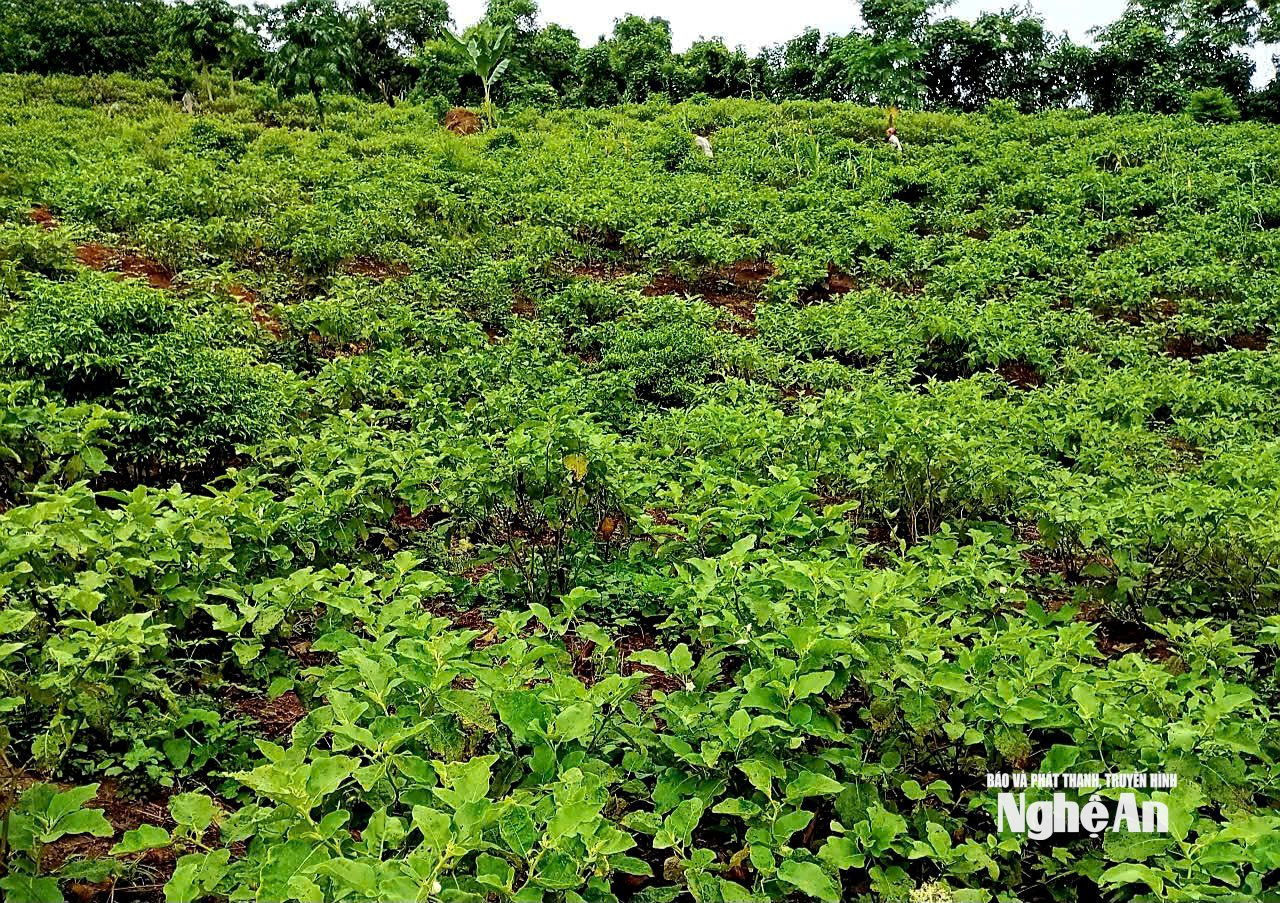
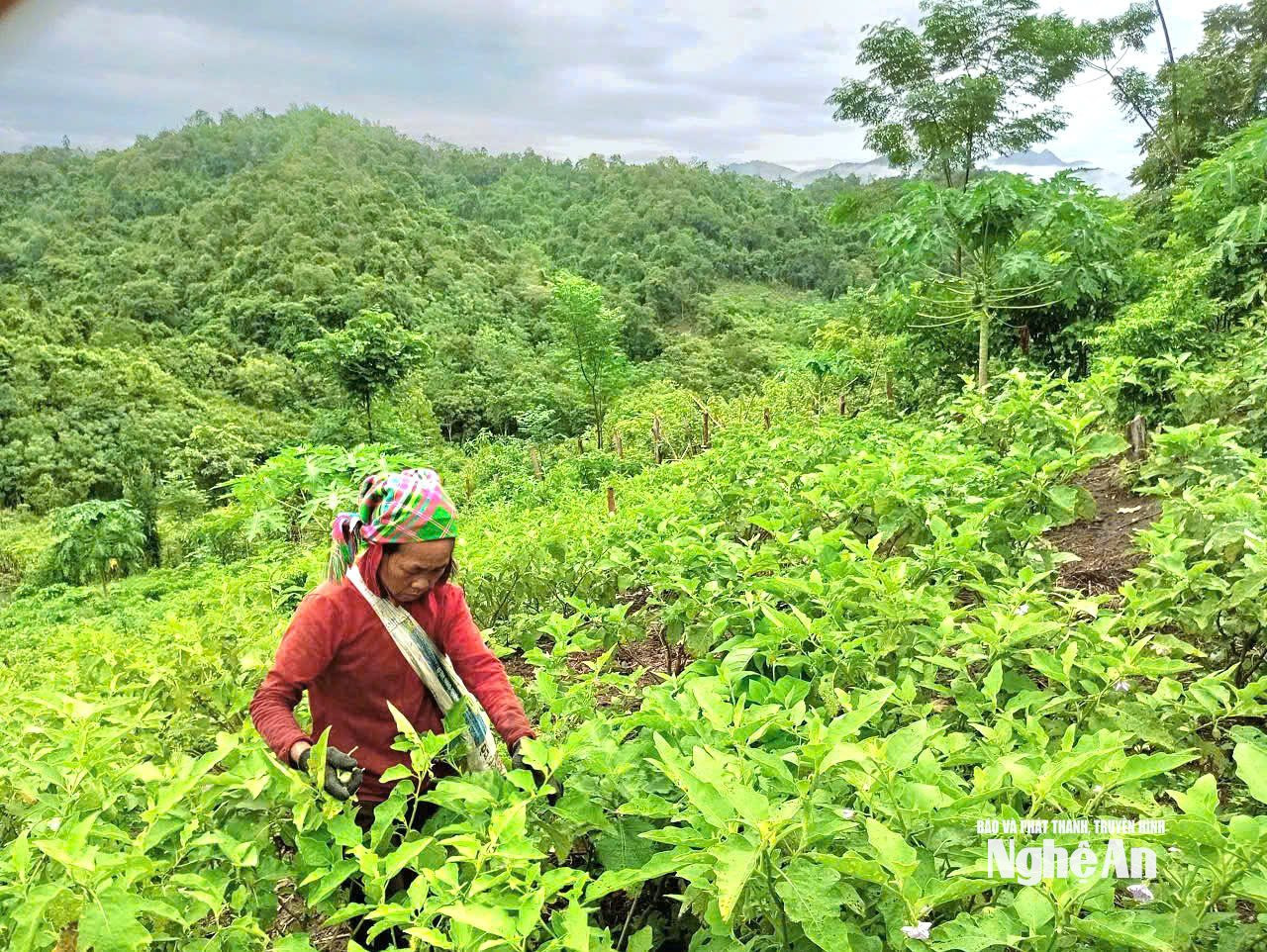
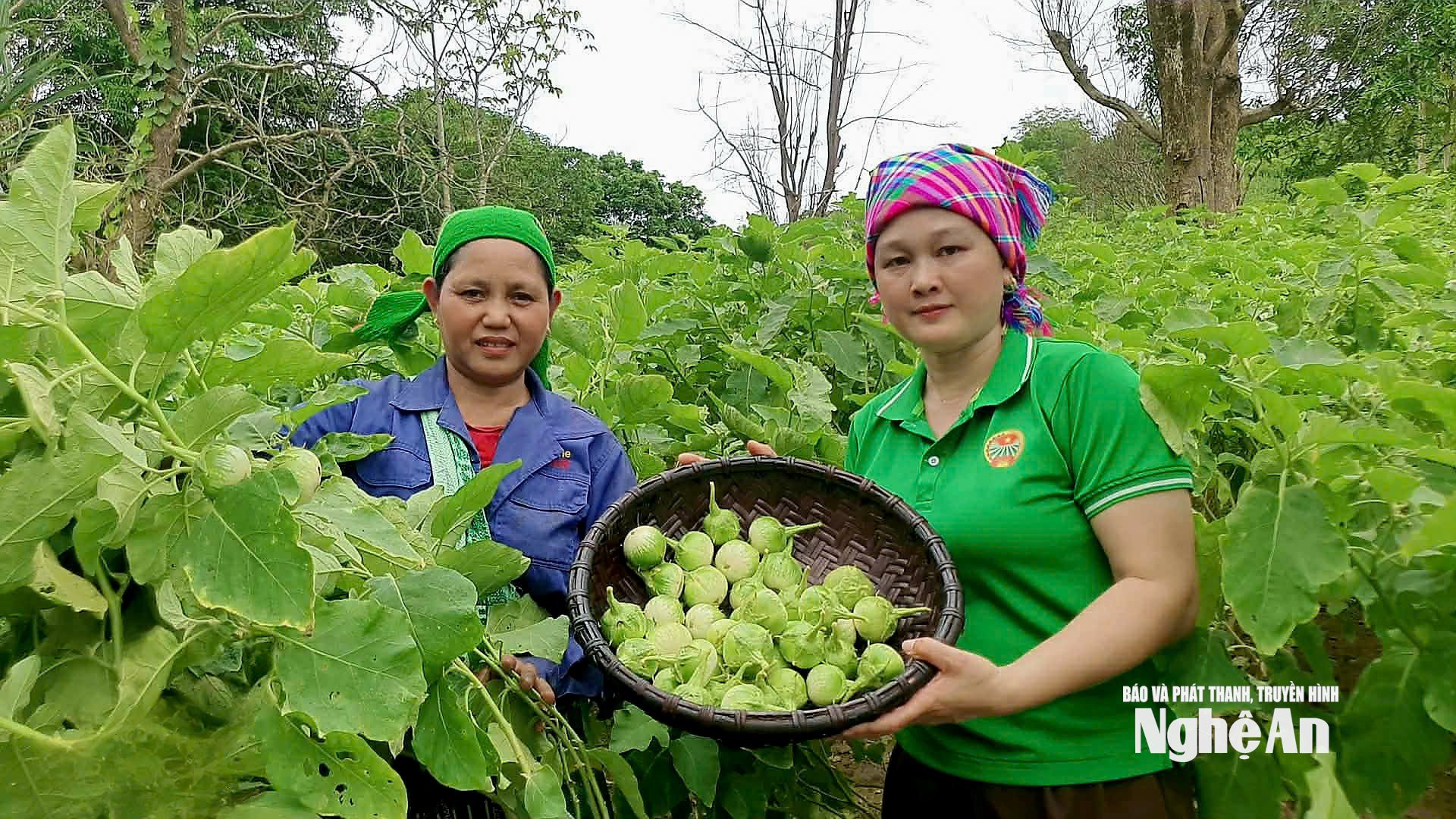
In early August, along the hillsides of Khe Ngau, green eggplant fields stretch out in the humid, rainy weather. Groups of people, carrying baskets, follow the paths up to the fields to harvest the first crops of the season. After months of care, the sweet eggplant plants, as tall as a person, are laden with fruit. This year, the weather has been quite favorable, the plants have grown well, and the yield has increased compared to previous years. Currently, the entire Tuong Duong commune has 35 households growing sweet eggplant with a total area of about 31 hectares; on average, every 3 days, the farmers harvest about 3.5 tons of fruit.
What makes Khe Ngau sweet eggplant so special is not just its yield, but first and foremost, the unique value of a native variety. For generations, the Thai people in Khe Ngau have preserved this eggplant variety as an integral part of their local life and culinary culture. According to local experience, the same eggplant variety, when grown in other regions, loses its crispness, sweetness, and distinctive flavor compared to when grown in Khe Ngau. The unique soil, climate, and water conditions of this area are what give it its distinctive character.
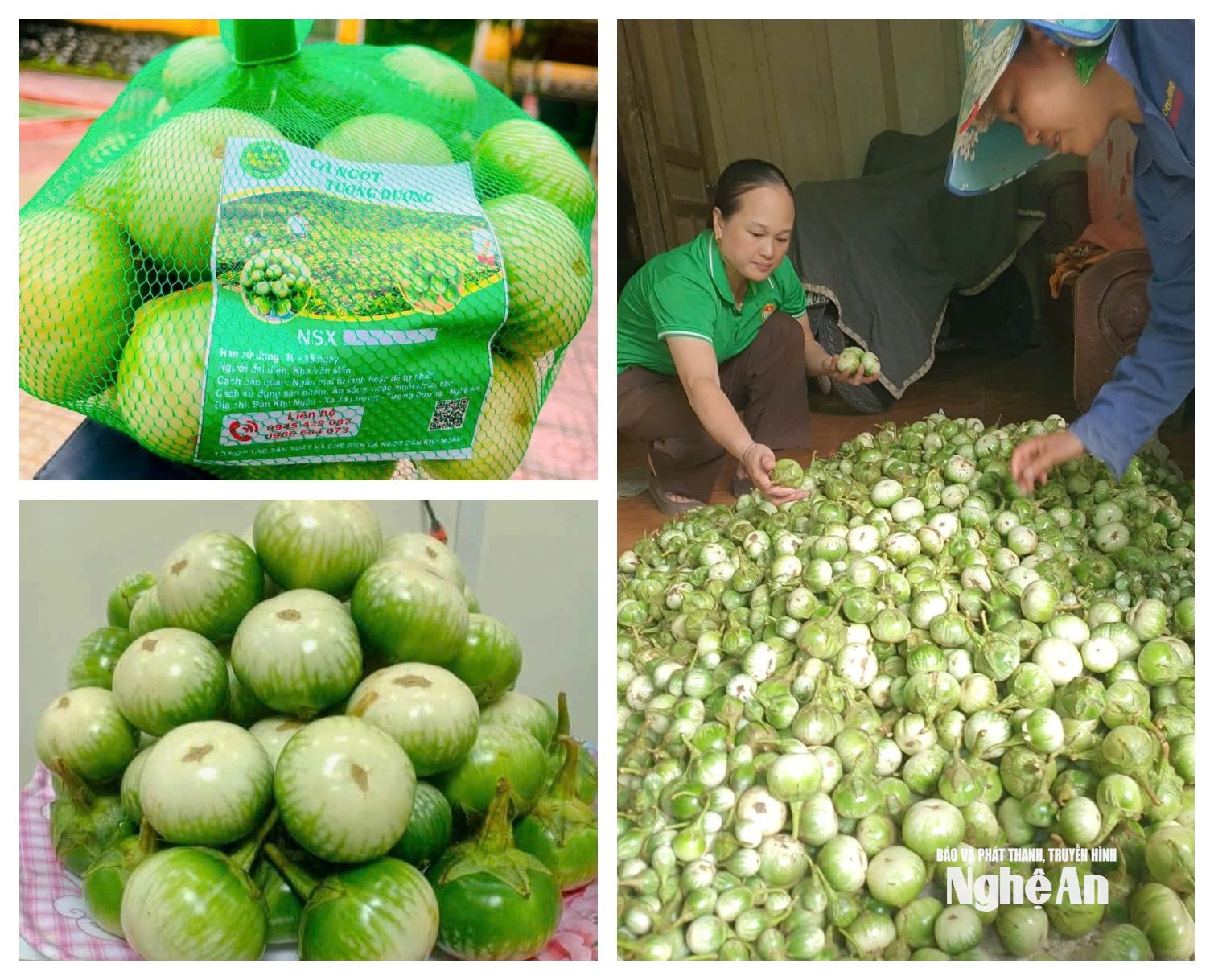
Throughout the cultivation process, the locals mainly produce using natural methods, without using chemical fertilizers or pesticides, only fertilizing with clean water, so the product retains its original quality. Standing in his eggplant garden, which is in its most fruitful season, Mr. Truong Van Son, one of the households with a large eggplant growing area in Khe Ngau, shared: "The sweet eggplant of Khe Ngau is delicious thanks to the soil and water here. The same variety, when planted elsewhere, will still grow, but the fruit will no longer be as crisp or sweet as in Khe Ngau. The villagers have preserved this variety from their ancestors to the present day because they want to preserve a specialty of the village."
Sweet eggplant can be eaten raw with dipping sauce, shrimp paste, or pickled vegetables, or processed into a dish called "mọc," a traditional dish of the Thai ethnic group. With its quality, unique characteristics, and production methods, the product has received VietGAP certification, has been recognized as a 3-star OCOP product since 2021, and has become one of the signature agricultural products of Tuong Duong highland commune.
However, the paradox lies in the fact that this value has yet to find a foothold in the market. During the peak season, Khe Ngau sweet tomatoes are mainly sold through traders at around 10,000 VND/kg for wholesale and 15,000 VND/kg for retail. While the harvest is concentrated in a short period, limited storage capacity means growers have to sell almost immediately after picking. Therefore, the arrival of traders' trucks becomes a crucial expectation for many households. Even a few days' delay in purchasing will increase the amount of unsold fruit, reduce quality, and further drive down the selling price. A good harvest but low prices – tomato growers still face the familiar worry every time the peak harvest season arrives.
This year, the price of tomatoes has decreased by 5,000-7,000 VND/kg compared to previous years, while consumption is quite slow. Currently, it's the peak harvest season, but purchasing power remains sluggish. We only dare to harvest when we receive orders, because if we harvest them and don't sell them, the tomatoes will wilt, and if left on the vine for too long, they will become overripe and lose quality."
Mr. Truong Van Hien, a farmer who grows 1.5 hectares of sweet potatoes in Khe Ngau, shared:
When the product has 3 starsOCOP lacks competitive advantages.
Being recognized as a 3-star OCOP product has helped elevate the brand, making Khe Ngau sweet coffee more widely known through trade fairs, trade promotion programs, and OCOP product showrooms. However, every harvest season, the problem of consumption recurs with familiar worries about price, market, and purchasing power. The gap between an OCOP-certified product and a competitive commodity remains quite long, requiring many links to be perfected instead of just focusing on brand building.
The biggest bottleneck for Khe Ngau sweet eggplant currently lies in the post-harvest value chain. The product is primarily consumed as fresh fruit, resulting in a short shelf life, difficulty transporting it to distant markets, and immense pressure to sell during peak harvest season. Production is fragmented, lacking a single company to guarantee purchase, and a stable supply chain from production to consumption has yet to be established.
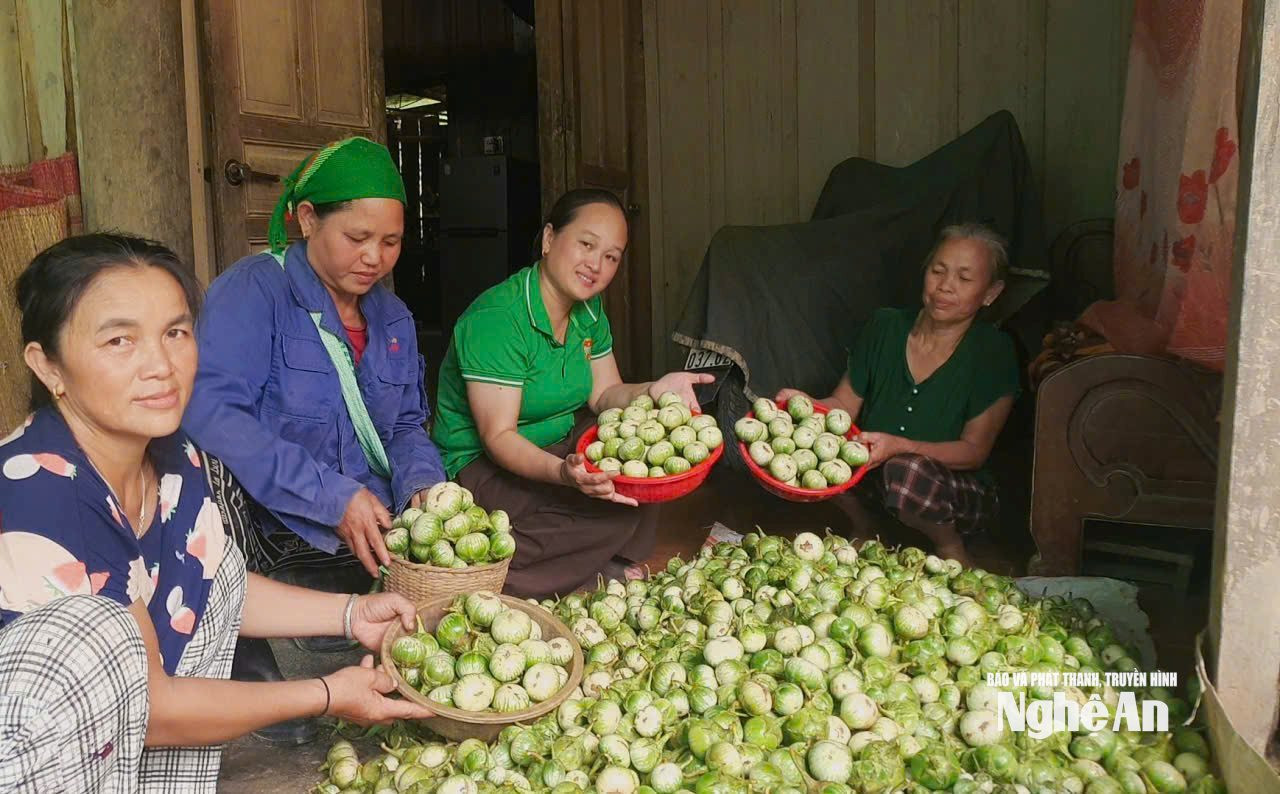
Meanwhile, requirements for production volume, stability, and shelf life also prevent the product from penetrating modern retail systems, supermarkets, and large-scale distribution channels. In addition, high transportation costs from mountainous areas to consumption centers further reduce the product's competitiveness in the market. These "bottlenecks" prevent the value of OCOP certification from being translated into commensurate economic value for producers.
In this context, the local government and mass organizations in Tuong Duong commune have proactively implemented various solutions to support farmers in selling their produce during the harvest season. Besides connecting with traditional traders, these organizations have actively promoted Khe Ngau sweet coffee on Facebook, Zalo, and TikTok, organizing live sales and introducing the product to potential buyers. They have also guided farmers in creating promotional content, telling stories about the product, and gradually familiarizing themselves with digital sales methods. These approaches have contributed to expanding sales channels, helping more customers outside the locality learn about Khe Ngau's specialty. However, these are still mainly temporary solutions to alleviate pressure on sales during peak harvest season and cannot yet replace a sustainable market linkage.
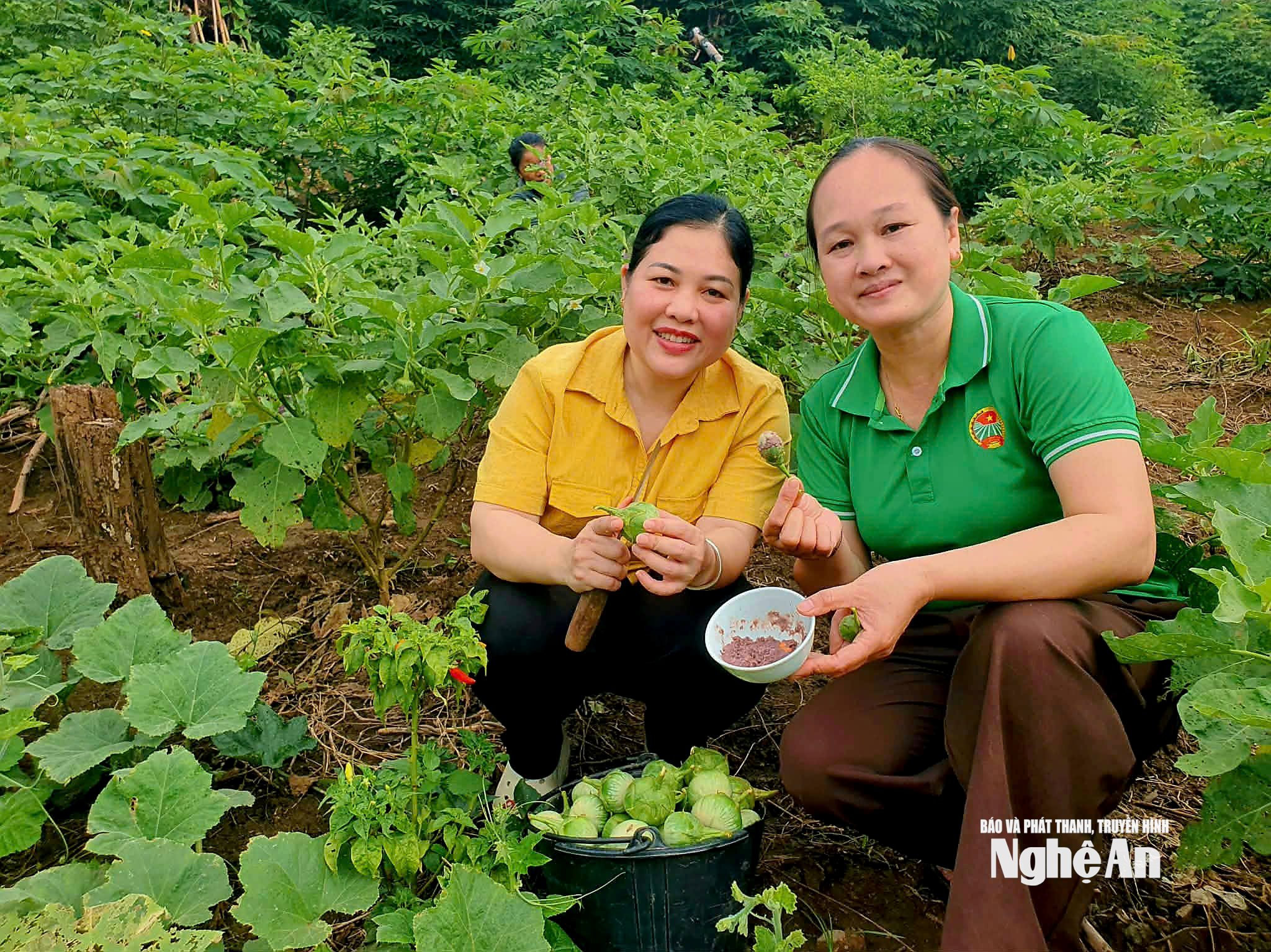
According to Ms. Luong Thi Van Anh, Chairwoman of the Farmers' Association of Tuong Duong commune, what eggplant growers desire most is not seasonal "rescue" efforts, but a stable market to ensure peace of mind when investing in production. Therefore, along with continuing to support members in selling their products on digital platforms, the Association will strengthen training in online business skills, connect businesses and cooperatives, expand markets outside the province, and gradually form a linked chain from production to consumption.
At the same time, the locality also hopes for more solutions regarding post-harvest preservation and consumption linkages to enhance the value of the product. This is also the long-term direction for Khe Ngau sweet eggplant to not only be a highland specialty, but also to become a competitive commodity that provides sustainable livelihoods for local people.


