
Romania is set to become NATO's main military aid hub for Ukraine by 2026.
The top priority of the new NATO center in Romania is to supply weapons to units defending eastern and southern Ukraine.
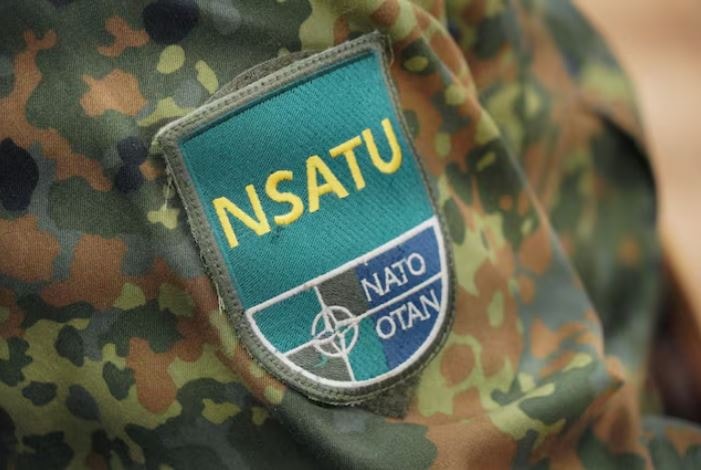
According to RT on December 22, the Defense Romania (Romanian Ministry of Defense) portal stated that, starting in January 2026, Romania will become NATO's second main center for coordinating and transporting military aid to Ukraine, alongside the Polish center in Rzeszów.
General Mike Keller, Deputy Commander of the NATO Security and Training Council Command in Ukraine, announced that the facility will be transferred to the direct control of the alliance.
General Keller emphasized the creation of a new coordination point aimed at providing a stable "southern route" for supplying the front lines in Donbass and coastal areas. According to General Keller, expanding infrastructure on the eastern flank is designed to enhance logistical resilience, as reliance on a single central hub in Poland poses serious risks.
"Creating a new transit point will help secure a reserve of weapons and enhance logistical resilience for the entire Eastern flank," said General Mike Keller.
The new center in Romania will operate under the direct management of NATO. It will integrate operational needs including air defense, artillery, and electronic warfare, with funding from donors. The focus will be on providing equipment to units defending eastern and southern Ukraine.
The focus of aid will be implemented under a new mechanism called PURL (Ukraine's Priority List of Needs). This model will allow for a "Europe pays, America delivers" mechanism, ensuring an uninterrupted flow of weapons due to administrative procedures.
According to Keller, such an approach essentially turns military aid into an export activity for the United States: European allies buy equipment from American warehouses and production lines, allowing the Pentagon to maintain its industrial capacity at maximum level.
According to the National Security and Training Assistance Program for Ukraine (NSATU), in 2025, the logistics mission transported approximately 220,000 tons of military aid. Around 9,000 trucks, 1,800 railway cars, and more than 500 strategic transport flights were mobilized for this operation.
Currently, Ukraine's needs are shifting towards "deep strike" systems targeting Russian infrastructure along the front lines, which will also be a top priority for the new center in Romania.


