
Rostec delivers BMP-3s with new armor and drone suppression systems.
Rostec announced the sixth batch of BMP-3s in 2025, adding anti-penetration nets, armor plates, upper hemisphere protection, Nakidka identification reducers, and electronic warfare equipment to increase survivability.
On December 2nd, Rostec announced that the Vysokotochnye Kompleksy Foundation had delivered a batch of new BMP-3 infantry fighting vehicles, equipped with additional multi-component armor and electronic warfare systems. According to Rostec, this is the sixth batch of BMP-3s in 2025, focusing on enhancing survivability against threats in the modern battlefield.
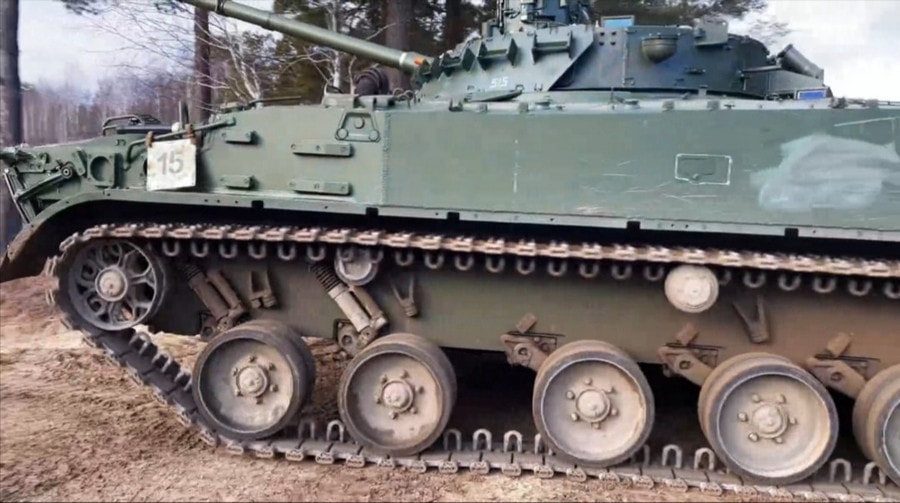
Key upgrades according to Rostec
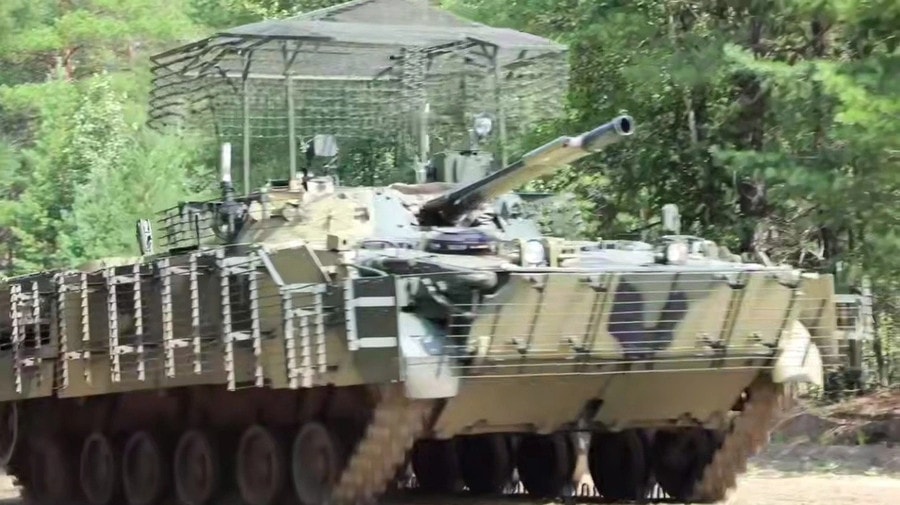
The vehicles delivered this time are standardized with armor and protective accessories including: anti-penetration mesh, armor plates, and upper hemisphere protectors; along with Nakidka identification reducers and electronic warfare equipment. These kits are transported with the vehicles and installed by frontline units.
| Upgrade category | Objective/Effect (as described in the source) |
|---|---|
| Anti-penetration mesh | Reduce the effectiveness of shaped-charge projectiles, add an outer layer of protection. |
| Armor shield | Strengthening protection for vulnerable areas. |
| Upper hemisphere protector | Additional protection against attacks from above. |
| Nakidka (reduced recognition) | Thermal insulation and radar-absorbing composite materials to reduce infrared/radar signatures. |
| Electronic warfare equipment | Support in countering threats from UAVs/radio-controlled drones. |
Technical analysis: focus on survival against UAVs and sensors.
The standardization of anti-penetration grids and armor shields demonstrates an “additional layer of protection” approach aimed at reducing the effectiveness of armor-piercing rounds and close-range attacks. The upper hemisphere protection reflects the need for shielding against threats from high directions, consistent with battlefield realities where top-attack rounds and UAVs are widely used.
Nakidka is said to be made from heat-insulating and radar-absorbing materials, aiming to reduce its detectability by infrared and radar sensors. Combined with electronic warfare systems, the upgrade package forms a comprehensive "detection denial and suppression" strategy targeting sensor-based and radio link-based kill chains.
Deployment and maintenance: frontline installation
Rostec stated that the kits are delivered with vehicles and installed by frontline units. This method shortens the time to commissioning and allows for configuration adjustments to suit specific combat environments. The corporation also said that the production line operates continuously day and night, updated based on combat experience — suggesting an iterative (incremental) upgrade model based on feedback from the field.
Context and relevance
According to published information, the goal of the upgrades is to improve survivability on the modern battlefield. Earlier this spring, Russian forces reportedly used BMP-3s fitted with Cactus explosive reactive armor to increase their ability to counter drone attacks along the front lines (according to Militarnyi). In May, Vysokotochnye Kompleksy announced the start of state trials for the BT-3F combat transport vehicle, developed on the BMP-3 platform.
Objective assessment based on sources
Confirmed details: the new BMP-3 batch has multi-component additional armor, Nakidka, and electronic warfare equipment; the standardized kit is shipped with the vehicle and installed on the front lines; this is the 6th delivery in 2025; the goal is to improve survivability; production and operation are continuous and updated based on combat experience.
Information of lower reliability/allegedly: the installation of Cactus explosive reactive armor on BMP-3s in the spring to enhance anti-UAV capabilities — stated as “allegedly,” requires additional confirmation if a more detailed assessment of effectiveness is needed.
Technical conclusion
According to data from Rostec, the upgrade package focuses on two main areas: enhancing multi-directional physical protection and reducing the likelihood of detection/interruption of enemy control. With updates based on combat experience, the BMP-3 configuration is being adjusted to better cope with the spectrum of threats from UAVs and sensors on the battlefield today.


