
Does fast charging really cause phone batteries to wear out faster?
Fast charging technology is becoming increasingly popular, with power outputs exceeding 100W, but it also raises concerns about faster battery degradation. Is this actually true?
Charging speed has always been one of the factors that smartphone manufacturers are constantly improving. While a few years ago, 30W was considered very fast, nowadays it's just a common level on many phone models.
Many devices now support charging power exceeding 100W. For example, Realme once introduced a smartphone that supports 150W charging, capable of charging 50% of the battery in about 5 minutes. Meanwhile, the 40W charger for the iPhone 17 Pro Max is said to be able to bring the battery capacity to 50% in about 20 minutes.
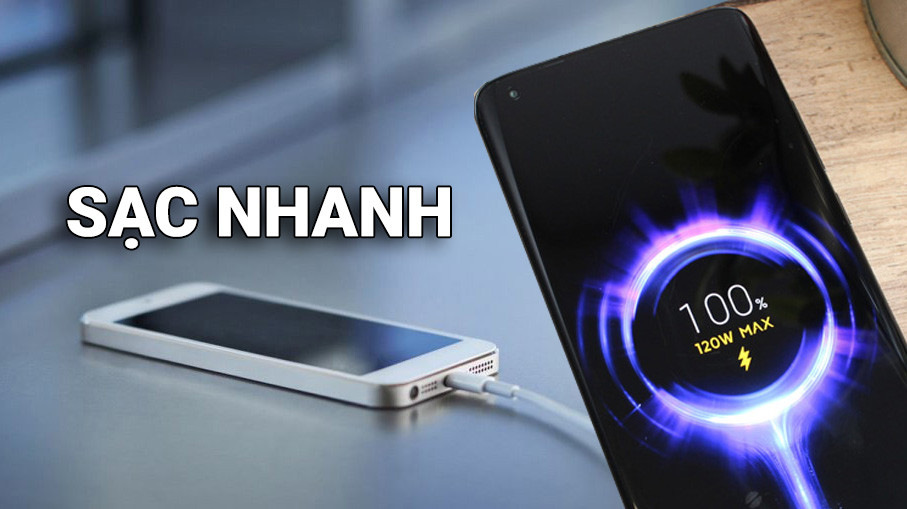
However, as charging speeds increase, many people are also questioning whether frequent use of fast charging will cause batteries to degrade faster, overheat, or even pose safety risks.
Why do phone batteries degrade over time?
Most smartphones today use lithium-ion (Li-ion) batteries. This type of battery works by the movement of lithium ions between two electrodes through an electrolyte.
When charging, lithium ions return to the negative electrode to store energy; when in use, they move in the opposite direction, releasing electrons to power the device.
This energy exchange process always generates heat. That's why users may feel the back of their phone getting warm after prolonged charging or heavy usage.
According to experts, high temperatures are the main factor affecting battery lifespan, not the fast charging technology itself.
Over time, lithium-ion batteries naturally age after hundreds or thousands of charging cycles. Some of the electrolyte inside the battery may crystallize into small crystals, hindering the movement of lithium ions. As the number of mobile ions decreases, the battery can no longer store as much energy as it did when new.
Furthermore, if the battery is frequently subjected to power levels exceeding its design capacity, its internal chemical structure may be affected, causing a portion of the lithium ions to be permanently lost and irretrievable.
These processes occur faster if the battery is operating in a high-temperature environment, such as when fast charging while playing demanding games or leaving the phone in a car in the hot sun.
Modern smartphones have many battery protection mechanisms.
In the first generations of smartphones that supported fast charging, a significant amount of heat was generated during the charging process, and the heat dissipation capabilities were limited, making the battery prone to overheating.
Today, that has improved significantly.
Many modern smartphones are equipped with heat sinks, thermal conductive materials, vapor chambers, or even cooling fans on gaming-focused models to quickly dissipate heat away from the battery and processor area.
In addition, the power management system is also much smarter.
Once the battery is full, the phone will automatically stop receiving power from the charger, even if the user keeps it plugged in. This is also why charging your phone overnight on modern devices is generally no longer as much of a concern as it used to be.
Adaptive charging helps reduce stress on the battery.
One increasingly popular feature is adaptive charging.
The system will learn the user's usage habits to delay charging to 100% until closer to the time the phone is unplugged from the charger, helping to limit the time the battery stays at full charge, a factor that can affect battery life if prolonged.
Furthermore, modern smartphones employ a multi-stage charging mechanism. Initially, the phone receives high power to shorten charging time. As the battery capacity increases, the system automatically reduces power to limit heat generation and protect the battery.
This means that even when using an 80W or 100W charger, the phone will not maintain its maximum power level throughout the entire charging process.
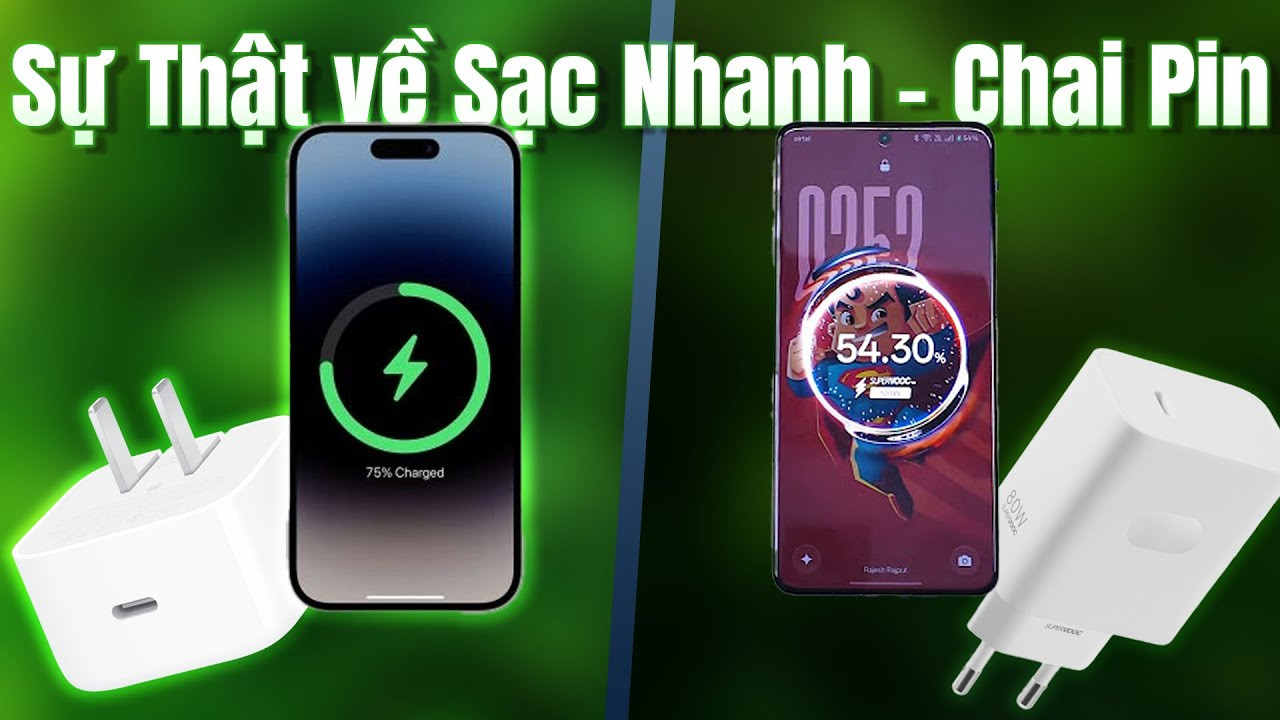
Photo: Internet
Simultaneously, manufacturers are continuously improving charging protocols, battery designs, charging cables, and power supplies to increase energy transfer efficiency while reducing heat generation.
Apple has added more battery management options to iPhones, while Google has integrated a Battery Health Assistant feature into its Pixel line to automatically adjust voltage and charging speed to extend battery life.
How to check your phone's battery status
iPhone users can monitor their battery health by going to Settings > Battery > Battery Health to see maximum capacity, number of charge cycles, and recommendations for battery replacement if needed.
For iPhone 15 and later models running iOS 17.4 or later, Apple also displays the Cycle Count, helping users assess battery wear. On iOS 26, the battery management section was also redesigned with more detailed statistics and added features to help extend battery life.
On Android, the ability to monitor battery health varies by manufacturer. Google Pixel 8a and later models allow you to view the number of charge cycles in Settings > About phone > Battery info. Meanwhile, Samsung users can use the Samsung Members app to check battery health and related parameters.
Should you be worried about using fast charging?
According to experts, the answer is yes, but not as often as many people think.
In essence, fast charging can put extra strain on the battery, especially if the device has to maintain high charging power for extended periods. However, modern smartphones are equipped with numerous mechanisms for thermal management, power regulation, and battery protection, significantly reducing the risk of damage.
However, experts also believe that more time is needed to fully assess the long-term impact of super-fast charging technologies, as most of these solutions have only emerged in recent years.
Currently, users don't need to worry too much about using genuine or standard fast chargers. More importantly, avoid exposing your phone to high temperatures, limit running heavy tasks while charging, and use quality chargers and cables to reduce battery aging.
Finally, it's important to note that all lithium-ion batteries will degrade in capacity over time, regardless of whether fast charging or regular charging is used. The only difference is that the rate of degradation can be slowed down if users adopt proper usage and charging habits.


