
Samsung Exynos 2700 switches to a side-by-side design to optimize production costs.
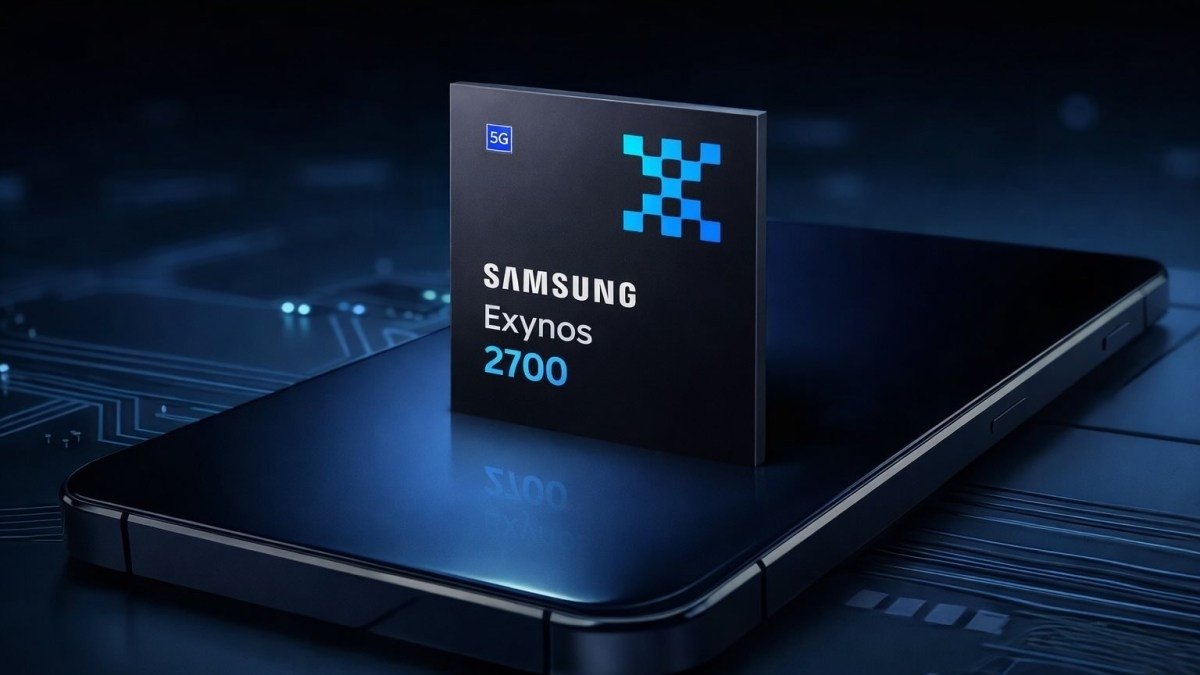
The Exynos 2700 chip, expected to be featured in the Galaxy S27, will change its architecture from FOWLP to Side-by-Side, incorporating Heat Pass Block technology to maintain heat dissipation performance.
Samsung is preparing for major structural changes to its next-generation processors for its 2027 flagship models. According to the latest technical reports, the Exynos 2700 chip in the Galaxy S27 will abandon the current FOWLP (Fan-Out Wafer-Level Packaging) technology in favor of a Side-by-Side (SbS) architecture.
The reason Samsung changed its packaging technology from FOWLP.
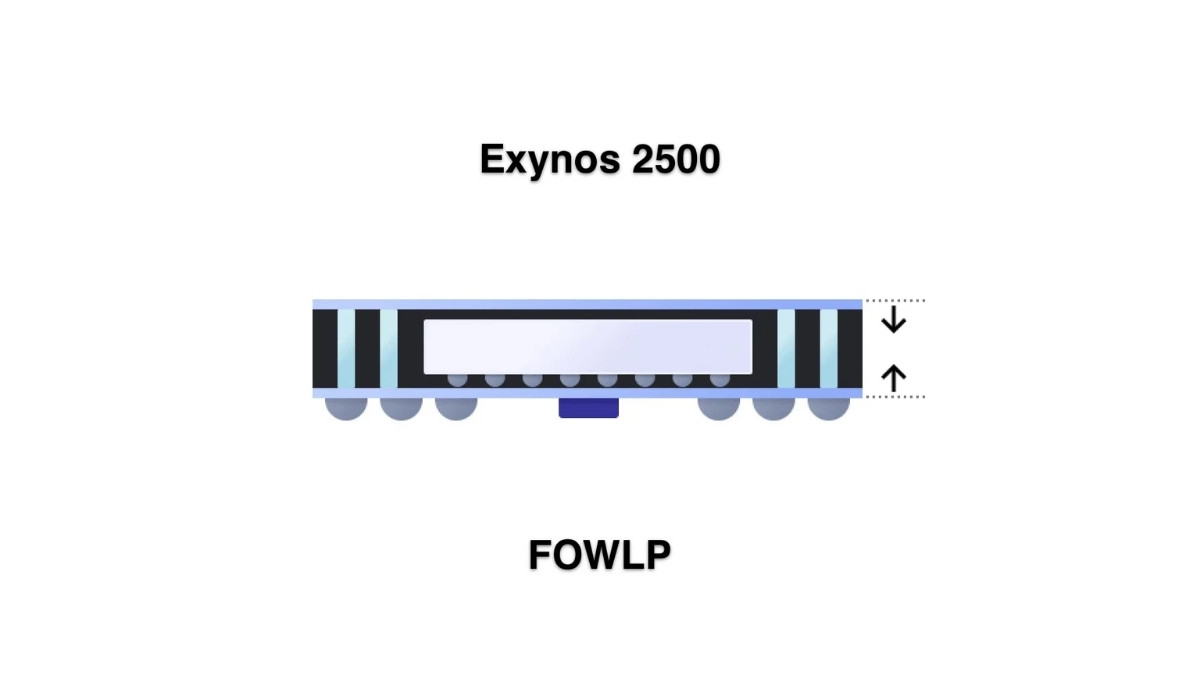
FOWLP technology was first used by Samsung with the Exynos 2400 generation and has proven effective in improving thermal performance and optimizing chip size. However, the FOWLP manufacturing process is very complex and requires high operating costs.
Despite delivering impressive performance, the profit margin from using FOWLP did not meet the company's expectations. This prompted Samsung to seek an alternative solution to balance business costs and actual hardware performance across its commercial product lines.
Side-by-Side architecture and HPB cooling solution.
To replace FOWLP, the Exynos 2700 will utilize a Side-by-Side (SbS) architecture. In this design, the application processor (AP) and DRAM memory will be arranged side-by-side on the chip die instead of being stacked as in the traditional method. This approach simplifies the packaging process and significantly reduces manufacturing costs.
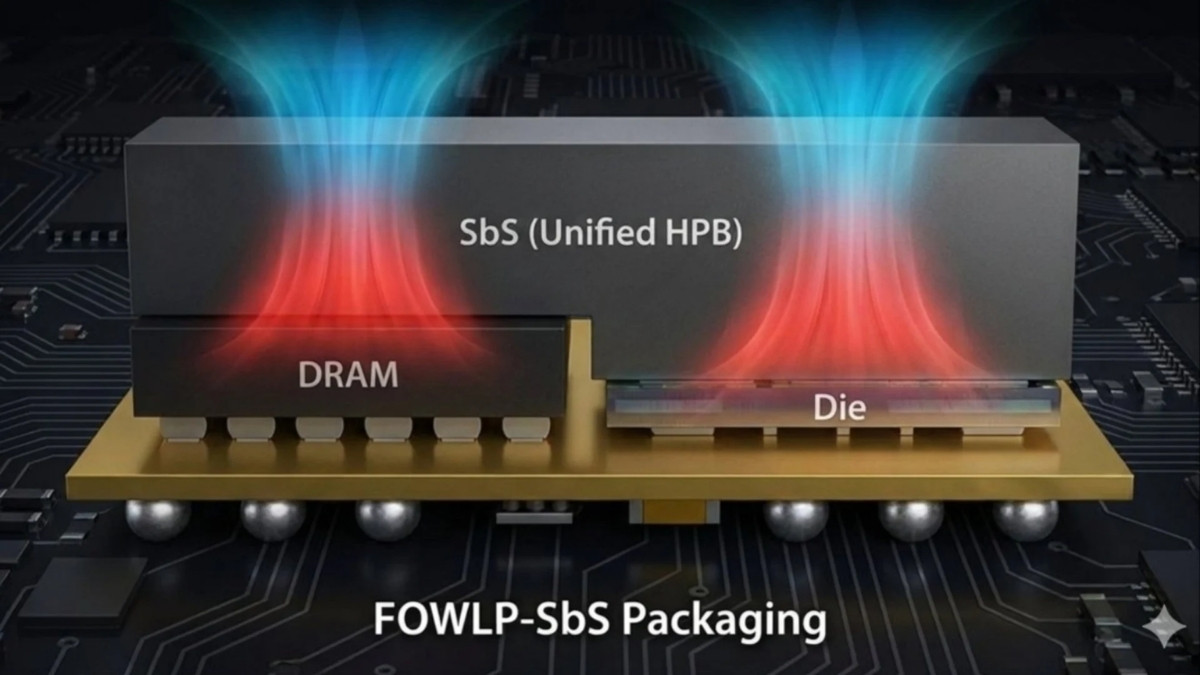
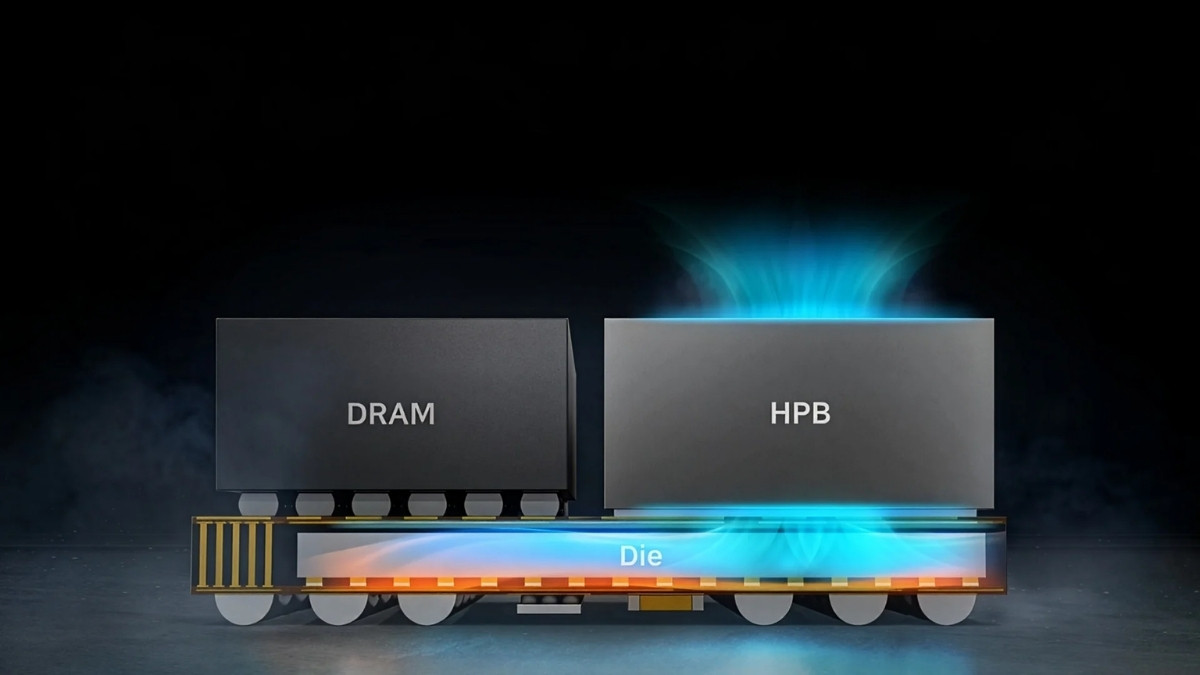
To compensate for the shortcomings of the stacked design and maintain stability under high-intensity operation, Samsung plans to integrate Heat Pass Block (HPB) technology. This is a specialized thermal block solution designed to enhance heat dissipation and optimize the overall thermal performance of the chip.
Performance expectations for the Galaxy S27 generation.
Although eliminating the stacking design might raise some concerns about heat dissipation, the emergence of HPB technology shows that Samsung has an alternative engineering solution. If the side-by-side architecture proves effective in practice, the company will solve the cost problem while still ensuring the device runs cool.
With these structural improvements, the Exynos 2700 processor is expected to deliver stable performance on the Galaxy S27 and Galaxy S27+ in early 2027, helping Samsung maintain its competitiveness in the fiercely competitive mobile SoC market.


