
Samsung unveils ultra-thin OLED panel for laptops, reducing thickness by 20% at Computex 2026.
At Computex 2026, Samsung Display impressed with its ultra-thin OLED laptop panel, optimizing hardware space and supporting refresh rates up to 240Hz.
Samsung Display recently introduced new OLED panel technology at Computex 2026, marking a significant step forward in reducing laptop sizes. This panel is designed to reduce bezel thickness by approximately 20% compared to currently mass-produced OLED laptop displays.
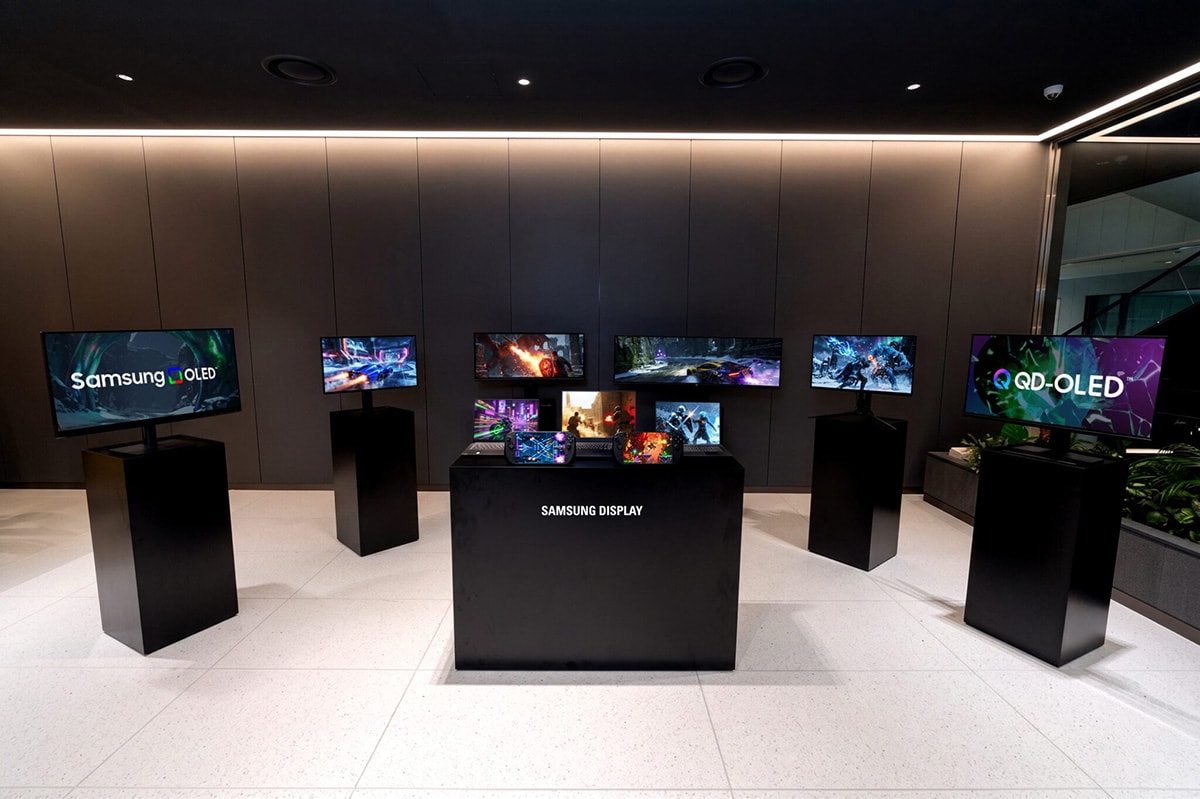
A technological breakthrough in substrate structure.
Reducing thickness by 20% is considered a complex engineering challenge for mobile devices. According to Samsung, this change comes from shrinking the thickness of both the TFT (Thin-Film Transistor) display layer and the outer glass layer by more than 30%.
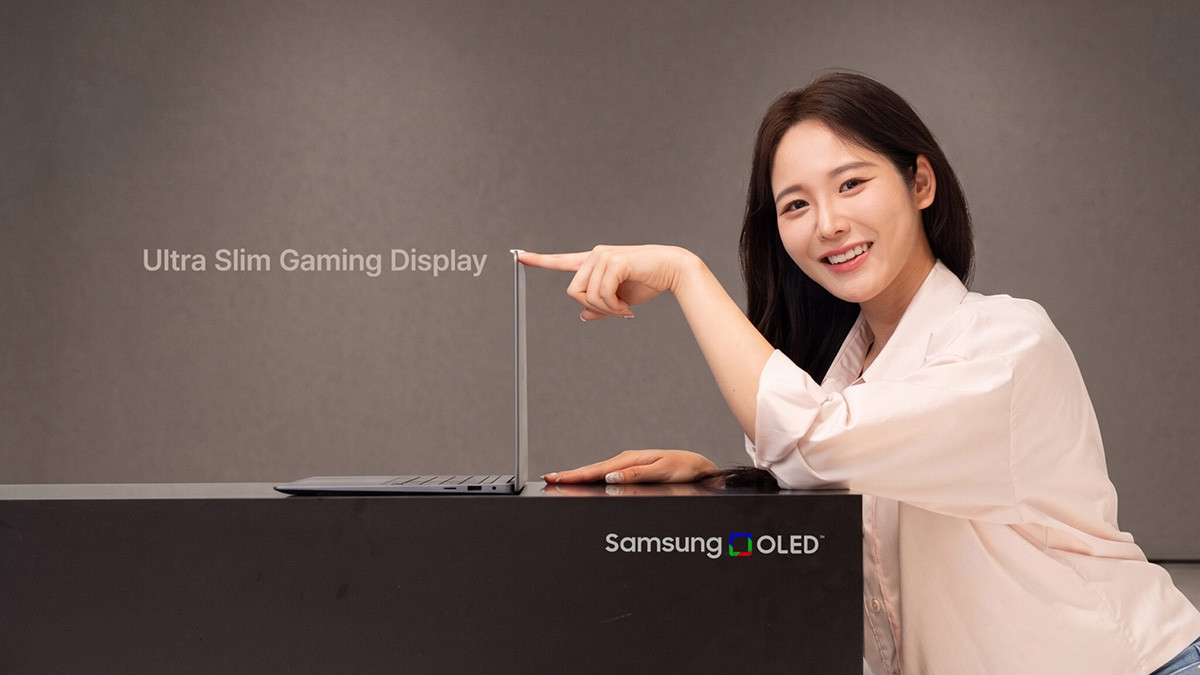
The biggest challenge for engineers is maintaining structural durability, because the thinner the glass, the more susceptible it is to bending or deformation. To address this issue, Samsung has developed new manufacturing techniques to ensure the stability of the panel without increasing the weight or size of the chassis.
Optimize display performance and hardware space.
Despite its slim design, the new OLED panel maintains the most stringent display standards currently available. Samsung confirms that the product supports flexible refresh rates from 165Hz to 240Hz, meeting the needs of gaming laptops and laptops for professional content creators.
| Parameter | Detail |
|---|---|
| Technology | Ultra-thin OLED |
| Cutting thickness | 20% compared to the current price. |
| Scanning frequency | 165Hz - 240Hz |
| Certification | VESA DisplayHDR True Black 1000 |
This display is also VESA DisplayHDR True Black 1000 certified, ensuring deep contrast and accurate color reproduction. Reducing the panel size not only improves aesthetics but also creates more space for other important components such as the cooling system or increases battery capacity within the chassis.
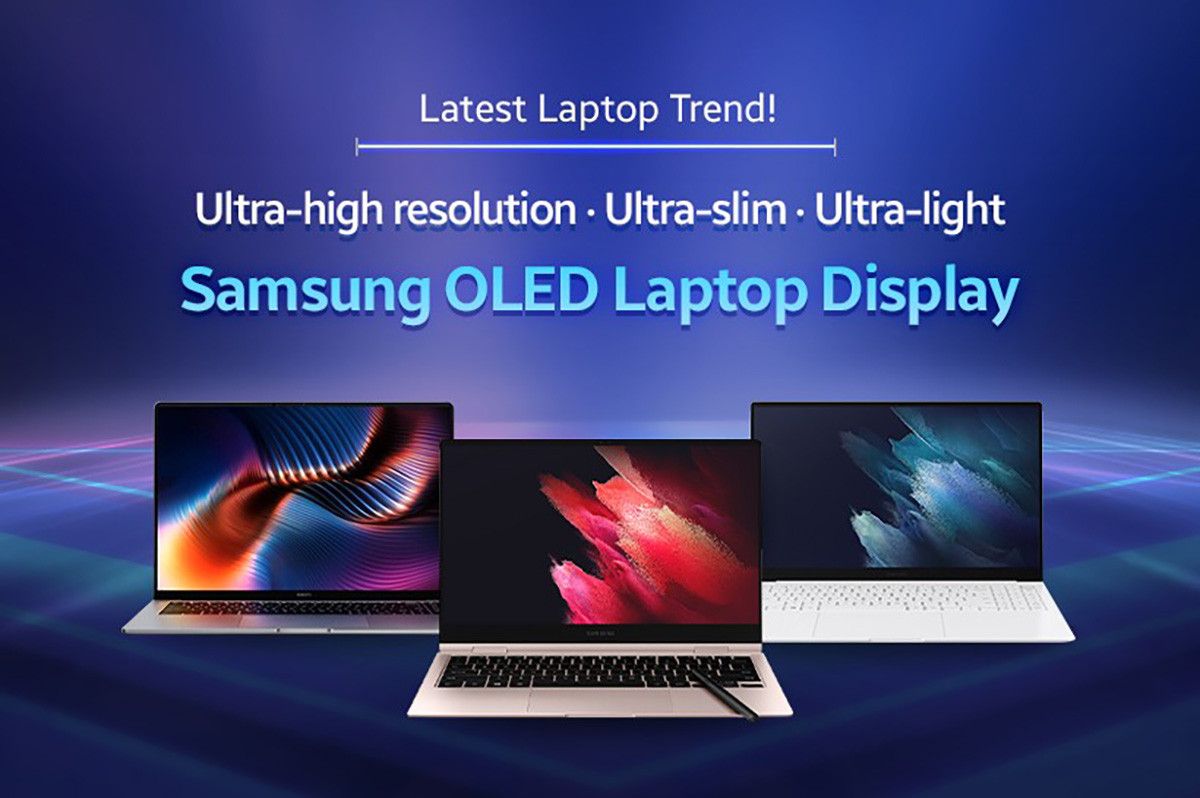
Currently, Samsung Display has not announced a timeframe for mass production or the first hardware partners that will adopt this technology. However, it is seen as a viable solution to help manufacturers of high-end laptops reduce device weight without sacrificing screen size or overall performance.


