
Nghe An's tourism products: Imbalanced and lacking creativity.
(Baonghean.vn) - Mr. Phung Quang Thang - Standing Vice Chairman of the Vietnam Travel Association, Chairman of Vietnam Sustainable Tourism Investment Joint Stock Company, discussed with Baonghean.vn about the potential and current state of the tourism industry in Nghe An province.

PV:Mr. Phung Quang Thang, why is it that in recent years, when people talk about tourism in Nghe An, they still only mention beach tourism, while this land of "spiritual and talented people" also has many other scenic spots and historical sites?
Mr. Phung Quang Thang:To develop tourism, people usually start with what's easiest to do. However, over time, those tourism products need to go deeper. Nearly 20 years ago, Vietnamese tourism was just taking its first steps, and the strategy at that time was to develop beach tourism. That was absolutely right at that stage, because exploiting natural values is easy to attract and tourists can easily appreciate.
But at some point, people will not only look at the natural beauty but also want to see and feel the investment value in that tourist destination, for example: architectural works, social infrastructure... But the most difficult thing is whether that infrastructure harmonizes with nature and whether it demonstrates sustainability in tourism development in that locality. Meanwhile, tourists will become increasingly sophisticated in their travel choices, especially international tourists.
PV:Currently, regarding tourism products that exploit the natural values of Nghe An in general, what should be considered, in your opinion?
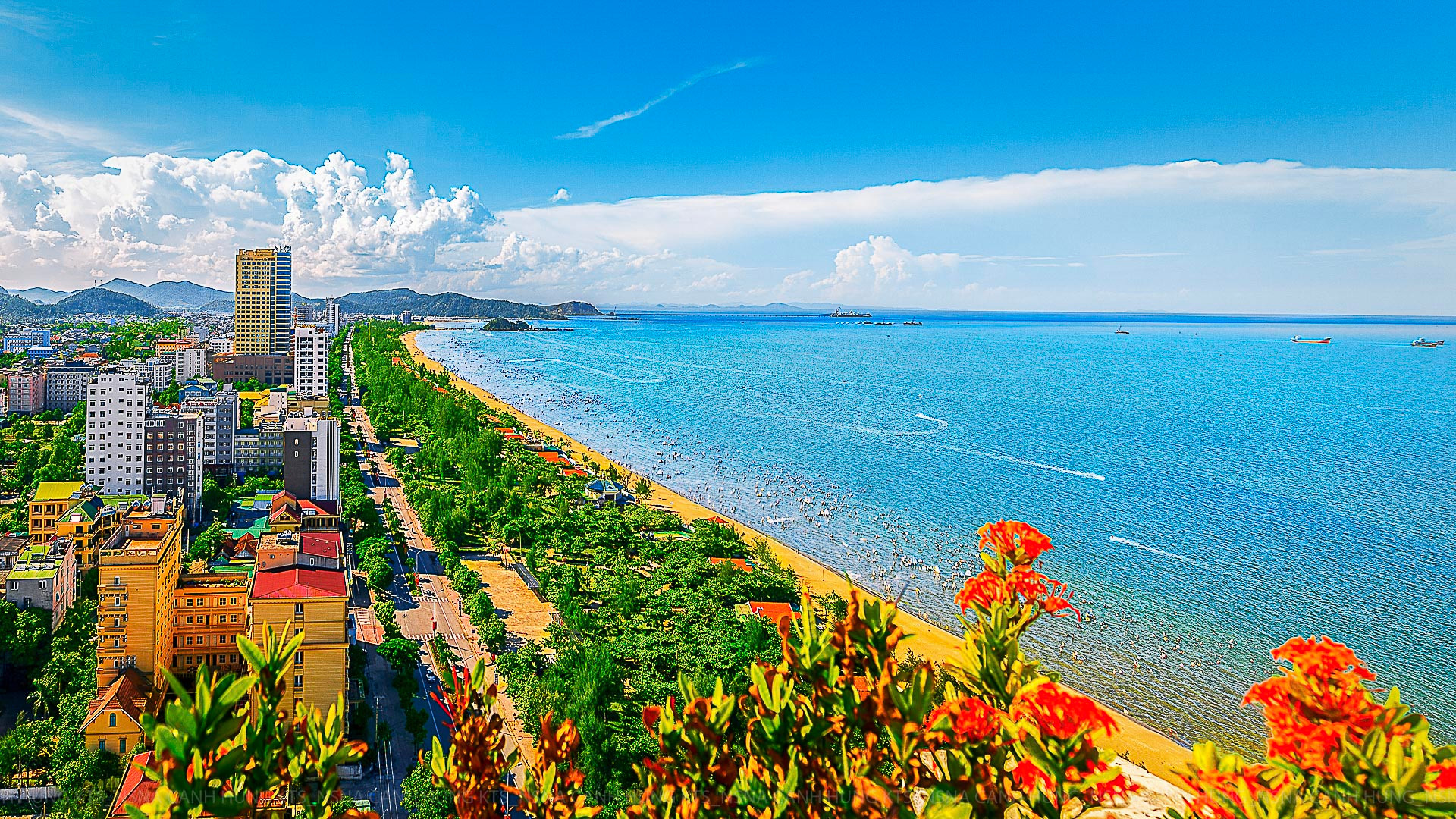
Mr. Phung Quang Thang:Previously, we focused on utilizing the value of nature, but now we need to pay attention to preserving nature to ensure more sustainable investment. For example, the beautiful beaches in our country in general, and Nghe An in particular, are "gold mines with inexhaustible reserves." Coastal tourist areas, in addition to providing destinations for tourists, rejuvenating the labor force of local people, and offering relaxation and recreation, also allow visitors to explore local culture. Tourists always seek out pristine, unspoiled areas.
Therefore, exploiting the value of natural resources requires a specific policy. International tourism should not only focus on natural landscapes and convenient services but also attract visitors with cultural tourism itineraries. Cultural tourism is the core product to attract tourists. Every locality has its own unique characteristics. Therefore, all destinations that prioritize cultural tourism will better promote international tourism, and the revenue generated from that value will be significantly higher.
PV:According to him, it seems that the tourism product map in Nghe An is unbalanced and lacking in intellectual investment in cultural tourism?
Mr. Phung Quang Thang:Of course, developing cultural tourism is more difficult and requires more time than developing natural landscape tourism. Culture must be accompanied by services because tourists can easily perceive things visually, but perceiving them through their ears and information is much more challenging.
For example, the Kim Lien National Special Historical Site attracts tourists because of its professional and dedicated tour guides; the value of this site is greatly enhanced by people like them. People can read stories about Uncle Ho elsewhere, but this site still attracts visitors because of its tour guide services and other related services, along with appropriate investment. Other areas, however, haven't received as much attention, despite being recognized for their value by the Ministry of Culture, Sports and Tourism.
PV:So, in your opinion, what directions can cultural tourism in Nghe An be developed?
Mr. Phung Quang Thang:Here, we can mention historical tourism in Nghe An. It's also a potential area, but it seems we've only focused on traditional education, trying to preserve and maintain historical sites… while we haven't yet developed attractive historical tours for tourists. Therefore, if we want to develop tourism in Nghe An comprehensively, we need to think about creating tourism products at other historical sites, landmarks, and relics. Then, the tourism landscape of Nghe An province will broaden.
For example, along the Ho Chi Minh Trail running through Nghe An province, there are many noteworthy historical sites. Truong Bon, despite significant investment, has long been primarily focused on spiritual tourism, serving visitors who come to offer incense and pay tribute to the heroic sacrifices of our soldiers and people during the resistance against the US. Similarly, the Thanh Chuong tea hills are no longer as attractive as they once were. Besides historical and cultural values, there is a need for services and specific products to attract tourists.
Tourist attractions have traditionally been associated with, or even highlighted by, their cultural and historical value, but have not yet become tourism products. To become a tourism product within the tourism market and be purchased and experienced by tourists, that value must be enhanced by accompanying tourism services. Services encompass many elements, including guided tours. In current tourism products, the experiential aspect for tourists at the location, corresponding to the destination's values, helps them better appreciate the place.
The most challenging aspect is creating experiences for tourists that are tailored to each target group, with accompanying services that are harmonious and attractive. Achieving this requires a great deal of time and effort, especially in research. More importantly, it requires collaboration between those involved in heritage site management and tourism businesses. I believe that, from the perspective of businesses, unique and distinctive products tailored to each target group can be created, shifting the customer base from passive to active.
Nghe An, in particular, has the potential to connect with Laos and Thailand to develop international tourism. However, to attract international tourists across the border between Nghe An and Laos, cultural tourism must be developed. If we only rely on beach tourism, international tourists will not come. For example, in the western part of Thanh Hoa province, community-based tourism is being developed. This area is gaining popularity with destinations like Muong Lat, Quan Son, and Quan Hoa, attracting both domestic and international tourists. Western Nghe An currently lacks prominent tourist destinations, and we can learn from Thanh Hoa's model.

PV:If we consider culture as the core foundation, then we need to "pave the way" for the cultural industry and for creativity in developing tourism products. What are your thoughts on this issue?
Mr. Phung Quang Thang:Broadly speaking, I'm referring to creativity in the cultural industry. Specifically in tourism, creativity in exploiting the value of historical and cultural heritage sites will always demand a high level of expertise. Creativity in tourism is more limited compared to other artistic activities, requiring it to be appropriate to the value of the site, especially historical and revolutionary sites. This is because the value of cultural heritage sites can be "identified" from many perspectives, but revolutionary sites are often only one-dimensional. What I mean is accuracy and appropriateness.
The second difficulty lies in other products, where creativity is easily recognized through trademarks, patents, and certifications. Creativity in the tourism sector is already challenging, but copyright in tourism is also not yet recognized. Meanwhile, tourism products are easily copied and replicated. Creativity must be recognized to promote the development of the cultural industry, including tourism. Because copyright protection is not yet guaranteed, in practice, we see that most tourism companies simply exploit whichever tourist destination attracts interest and include it in their programs to connect with potential customers.
Regarding participation in destination management and product development to attract tourists, tourism companies, even large ones, are less involved. They tend to focus on easier aspects like infrastructure development. Large corporations like Sun Group invest heavily in modern tourism infrastructure, but they often import resources from elsewhere.

From a purely Vietnamese perspective, tourism products linked to local culture and history are almost non-existent. I think we could consider researching and replicating the model in Ninh Binh: the State manages historical sites and heritage, while private companies are responsible for service development. Investing in services generates revenue, and that revenue then reinvests in preserving the sites. Another crucial element, besides research and innovation, is the practical provision of services.
For tourist attractions, the security guards and parking attendants are quite different from those at historical sites. Everything, from management to service staff, needs to change. Whether the goal is to attract domestic or international tourists, services must naturally adapt and be tailored to suit those tourist groups. This also requires a skilled and professional workforce.
PV:Thank you very much, sir!


