
Highland OCOP products face e-commerce competition.
The One Commune One Product (OCOP) program has helped increase the value of agricultural products and opened up new economic development opportunities for many households. In mountainous areas, online marketing is becoming an inevitable trend that businesses and production facilities are focusing on.
The OCOP (One Commune One Product) program is flourishing in the highlands.
Before the government implemented the One Commune One Product (OCOP) program, in the western provinces of Vietnam, despite abundant potential in agricultural products and medicinal herbs, the products were mainly for family consumption and limited to local markets and neighboring areas. However, with the government's incentive policies for developing OCOP products, the number of products from the western districts has steadily increased year by year.
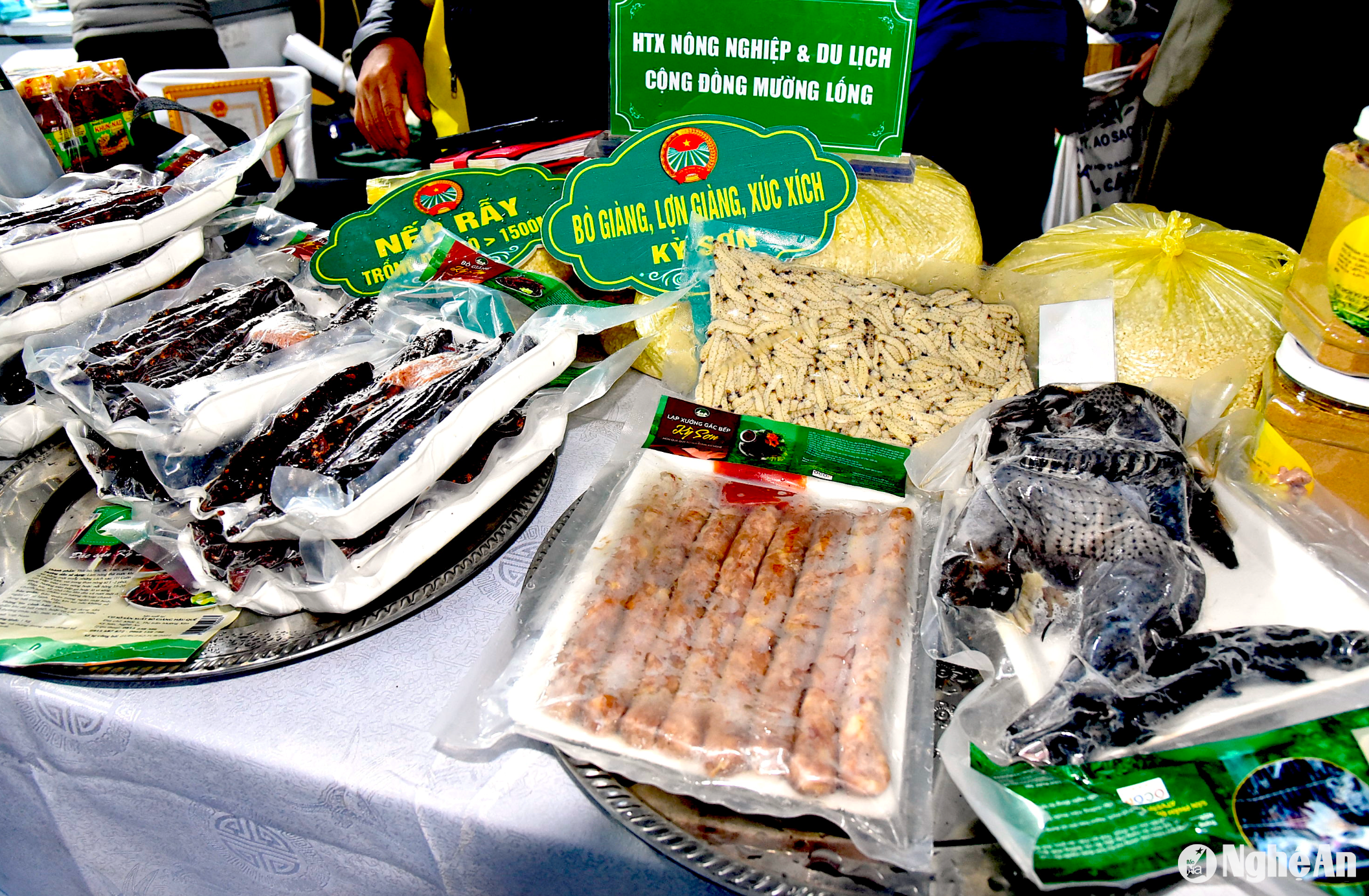
For example, in Ky Son district, the most remote border district in the province, in the first year of implementing the OCOP program, only one ginger product was recognized with 3 stars. In 2022, Ky Son district had 6 OCOP products, and by June 2024, the number had increased to 14 products.
Mr. Vu Ba Xu, Vice Chairman of the People's Committee of Muong Long commune, a locality quite far from the center of Ky Son district, said: "For generations, the people of Muong Long have been closely connected to the mountains and forests; the crops and livestock they produce are mainly for their daily needs. Only during festivals and holidays do they sell a small amount of agricultural products, or when traders come directly to buy buffaloes, cows, black pigs, or black chickens."
But things are different now. With the development of tourism services, agricultural products are processed into OCOP (One Commune One Product) products and sold to homestays, tourists, and even households specializing in trading agricultural products. As a result, not only is the value of crops and livestock increased, but people also learn, apply, and create more ways to process agricultural products, producing a wider variety of finished products.
For example, many households in Muong Long now know how to process black pork into sausages, ham, and vacuum-packed dried meat; and process black chicken and upland sticky rice into packaged and frozen bamboo-cooked rice for restaurants in the lowlands and for sale to tourists from afar.
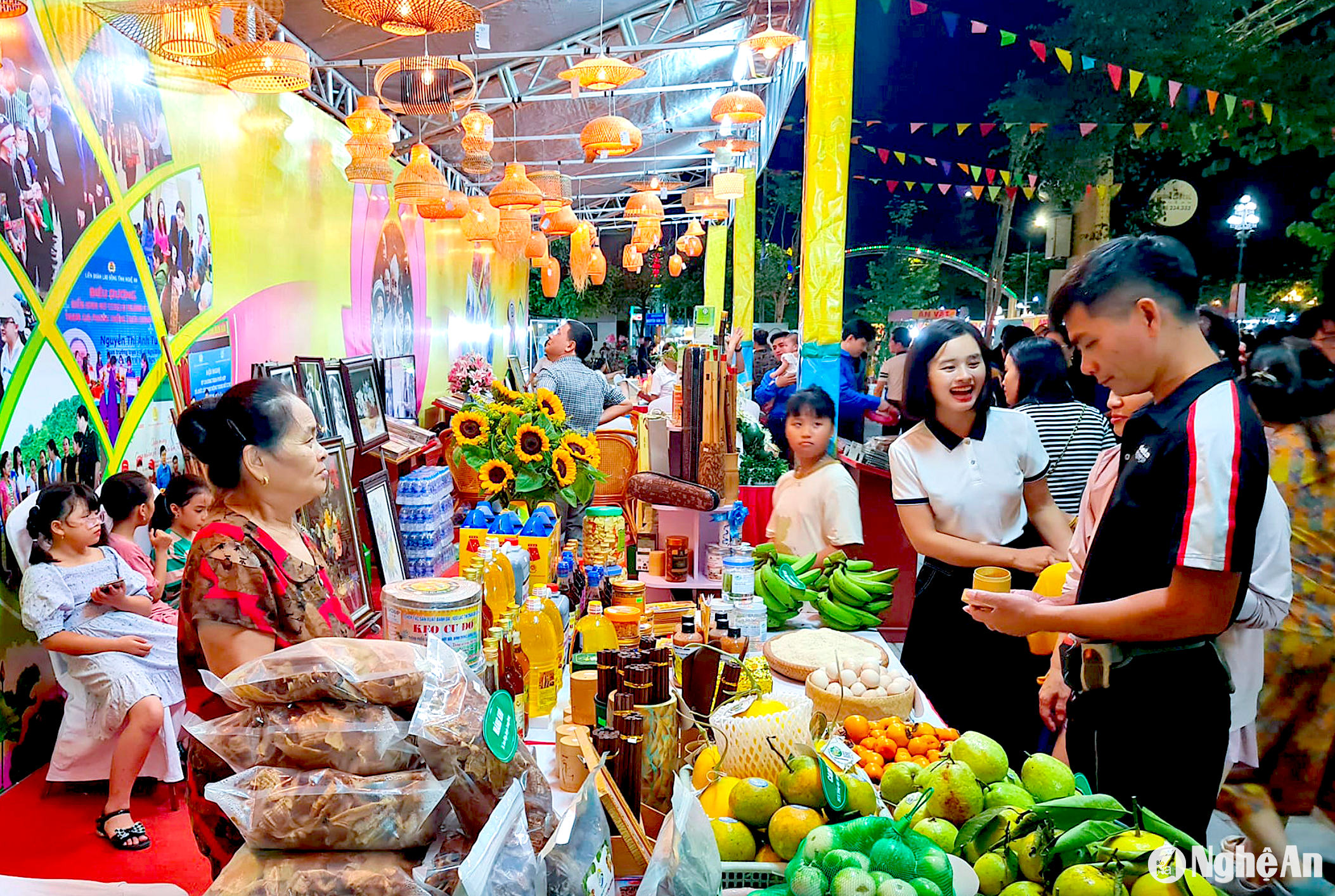
Similarly, in Quy Chau district, from only 2 products achieving 3-star OCOP standards in the first year of implementation, the district now has 13 OCOP products that have achieved 3-star status. Along with developing OCOP products, Quy Chau district also aims to maintain and develop the production and business activities of 9 agricultural cooperatives, 7 craft villages, 3 villages with traditional crafts, and 15 farms.
In addition, we will prepare trademark and barcode registration documents for 5 local specialty products. These are also factors that support maintaining the quality of OCOP products, developing new products, and upgrading and increasing the star rating of existing products.
The development of OCOP products is linked to the exploitation of local raw materials and geographical indications, such as: Vinh oranges, Ky Son ginger, Thanh Chuong hill chicken, Que Phong golden flower tea, Quy Chau incense, Giang River catfish, Con Cuong herbal wine…
To date, 94 out of 562 OCOP products from Nghe An have entered supply chains, food stores, department stores, and OCOP product showrooms and sales points. Many items have even been accepted for import by markets in other countries, such as France, Germany, the Netherlands, Sweden, Denmark, the United States, Japan, and South Korea.
However, although many OCOP products from Nghe An have been exported, most of them are produced in lowland and coastal areas.
E-commerce competitive pressure
We visited one of the OCOP product production facilities in Anh Son district, located in Khai Son commune. Ms. Nguyen Thanh Nga, owner of the Kim Nhan cereal flour production facility, said that she has been involved in processing and trading agricultural products since the government implemented the One Commune One Product Program.
In 2022, Ms. Nga's production facility processed and manufactured 7 products that met the OCOP 3-star standard, including 3 key products: turmeric starch, cereal powder, and herbal shampoo.
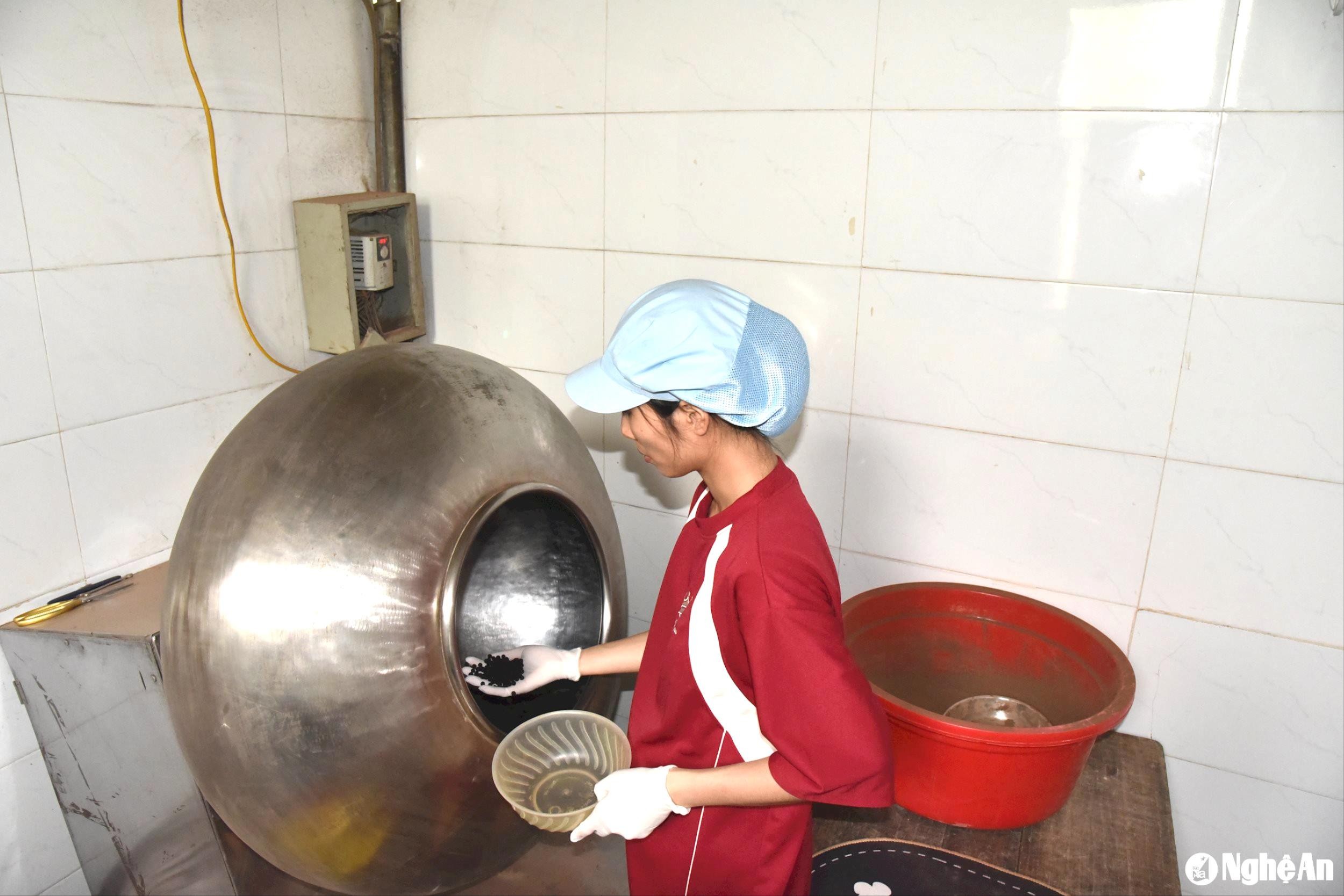
After more than three years of business, collecting agricultural products, and meticulously researching and processing to find the formula for her own branded products, Ms. Nga said that the market is becoming increasingly competitive, both in terms of OCOP product types and marketing channels. Producers today cannot ignore the promotion and introduction phase, especially with social media offering more online sales features. To focus more on marketing, in 2024, Ms. Nga's business only invested in three OCOP-certified products.
Elaborating on this, Ms. Nga explained that there is no shortage of agricultural products supplying raw materials to production facilities like hers. However, if production is done in large quantities and unsold goods accumulate, it will lead to losses. With the modern trend of selling, setting up a physical store and selling directly to consumers is becoming less effective. Instead, the main sales "channel" for Ms. Nga and many other businesses today is through Facebook, Zalo, and e-commerce platforms.
“Currently, there’s also a sales channel on TikTok with very strong subsidy and demand-boosting policies. Along with Facebook’s stricter community standards, we are facing intense competition from online sales channels. The same shampoo product sells for 245,000 VND/bottle when sold directly or through Facebook, Zalo, Shopee, etc., while the price on TikTok is 20-30,000 VND lower, making our product uncompetitive,” Ms. Nga expressed.
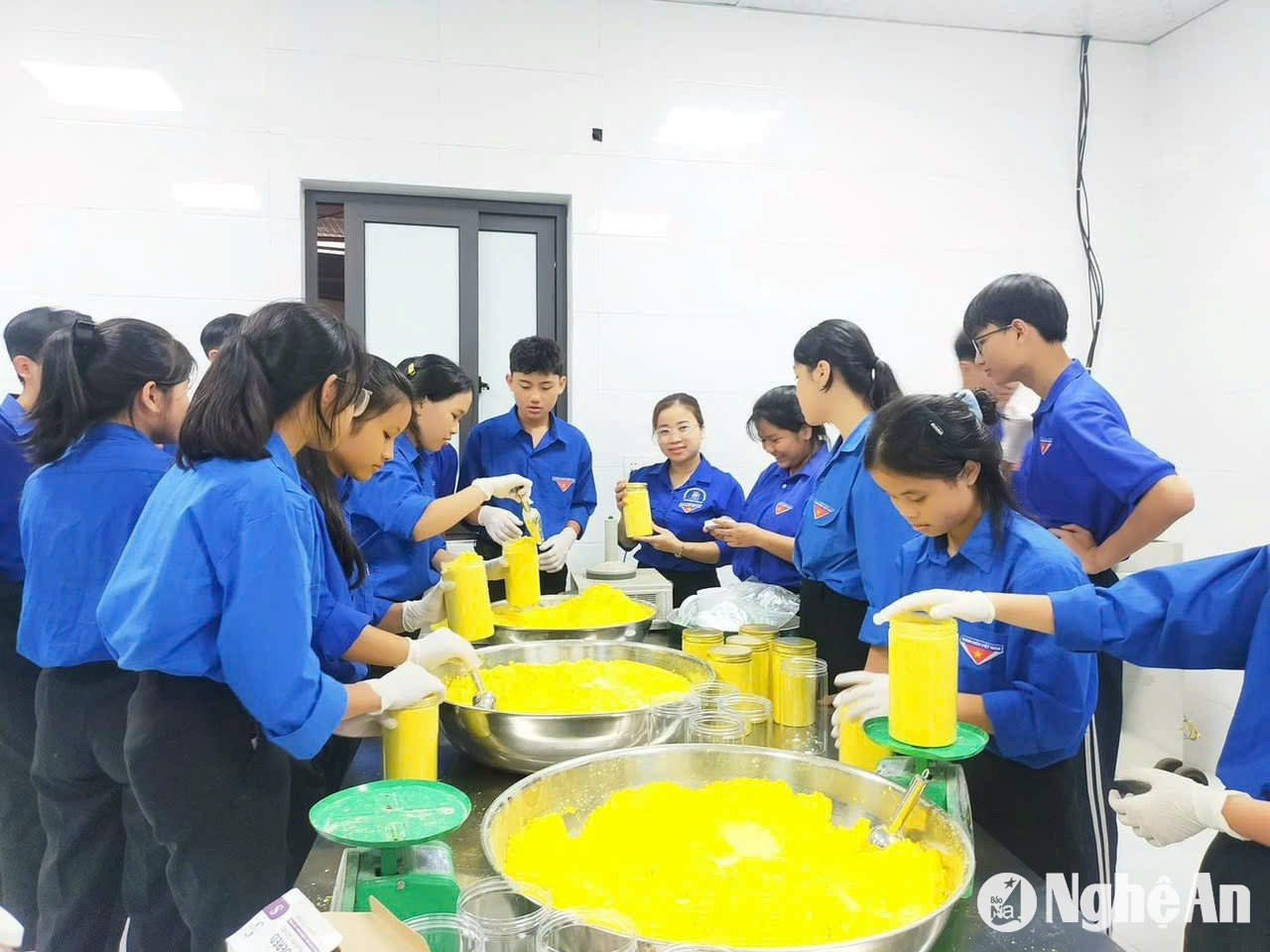
Because competition is inevitable, Ms. Nguyen Thanh Nga advocates reducing the number of products, focusing on investing in quality upgrades and strengthening marketing.
“Each product that meets OCOP standards receives approximately 30 million VND in government support, and I am currently finalizing the disbursement documents. With this additional support, I will invest in building an e-commerce website and promoting my products online. However, investing in quality remains my top priority,” Ms. Nga emphasized.
Mr. Le Van Tri, Head of the Agriculture and Rural Development Department of Anh Son District, said that Anh Son District currently has 17 products recognized by the Provincial People's Committee as achieving 3-star OCOP (One Commune One Product) certification. These products are effectively exploiting the potential of local agricultural products, but marketing and sales remain limited. This is partly due to the remote mountainous area with poor road access and harsher climate. Furthermore, there are no effective promotional and marketing locations, so most production facilities have to reach customers independently, and the most effective method currently is online sales.
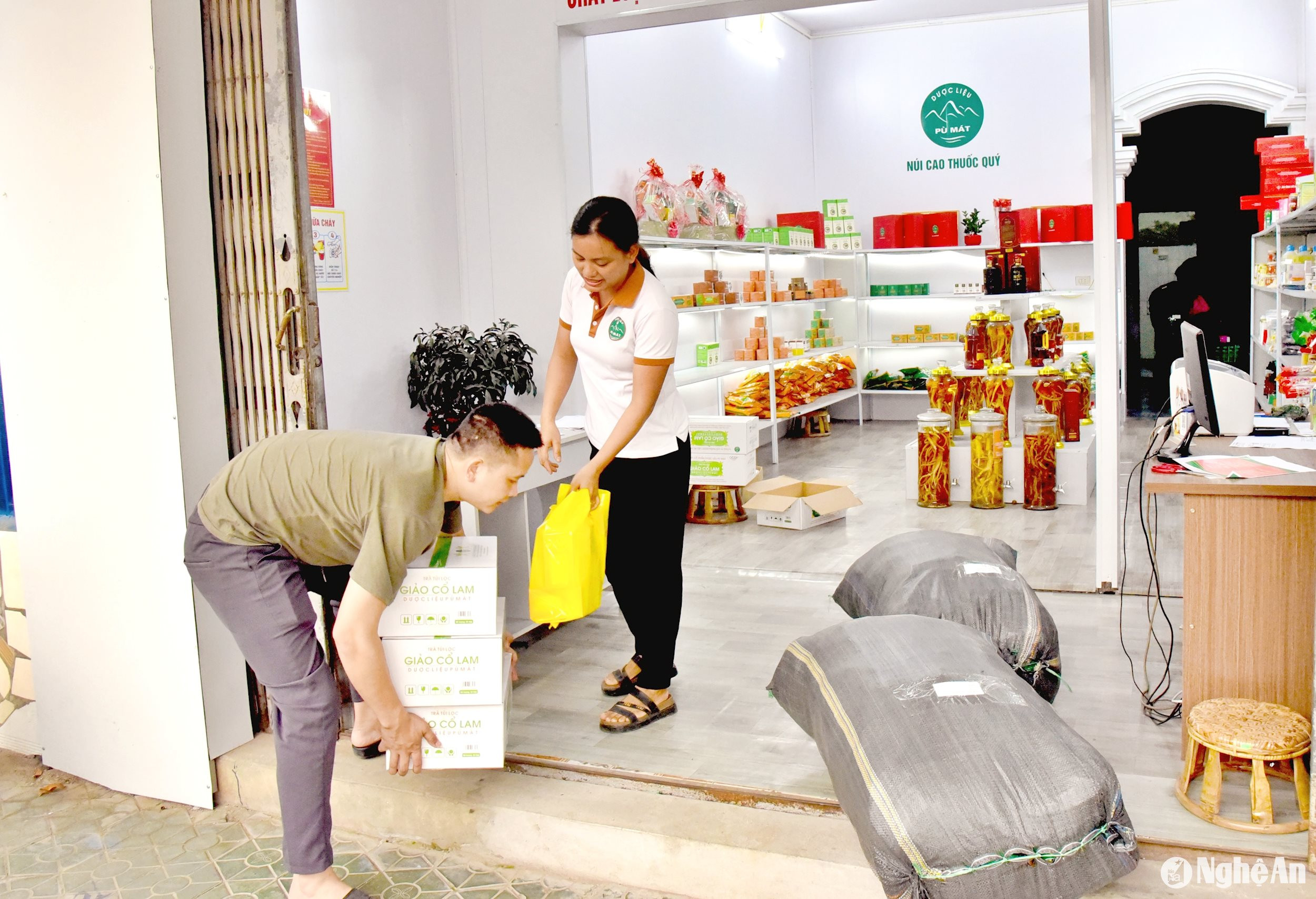
Not only individual households but also businesses and companies need to strengthen e-commerce channels. For example, in Con Cuong district - one of the mountainous districts with a large number of OCOP products and rapid development, ranking among the top in the province with 23 OCOP products, including 7 products recognized with 4 stars - many businesses in this locality have identified online transactions as their main distribution channel.
By the end of May 2024, Nghe An had 266,373 agricultural households listed on e-commerce platforms; 300,047 agricultural households received skills training; and 8,836 products were listed on these platforms, ranking 5th nationwide in the number of agricultural products listed. Over 95% of OCOP products have participated in e-commerce platforms.
Nghe An Department of Industry and Trade


