
Products once offered to the emperor are revived in Bich Hao.
This season, on the slopes of Bich Hao commune, Tho Hao ginseng enters its flowering period. From a nearly extinct plant species, after more than 15 years of restoration, Tho Hao ginseng is gradually forming a concentrated production area, opening up a direction for crop diversification and increasing value per unit area, suggesting new livelihoods and economic development prospects for local people.
Pforeheadriceroyal ginsengwith 27 seeds
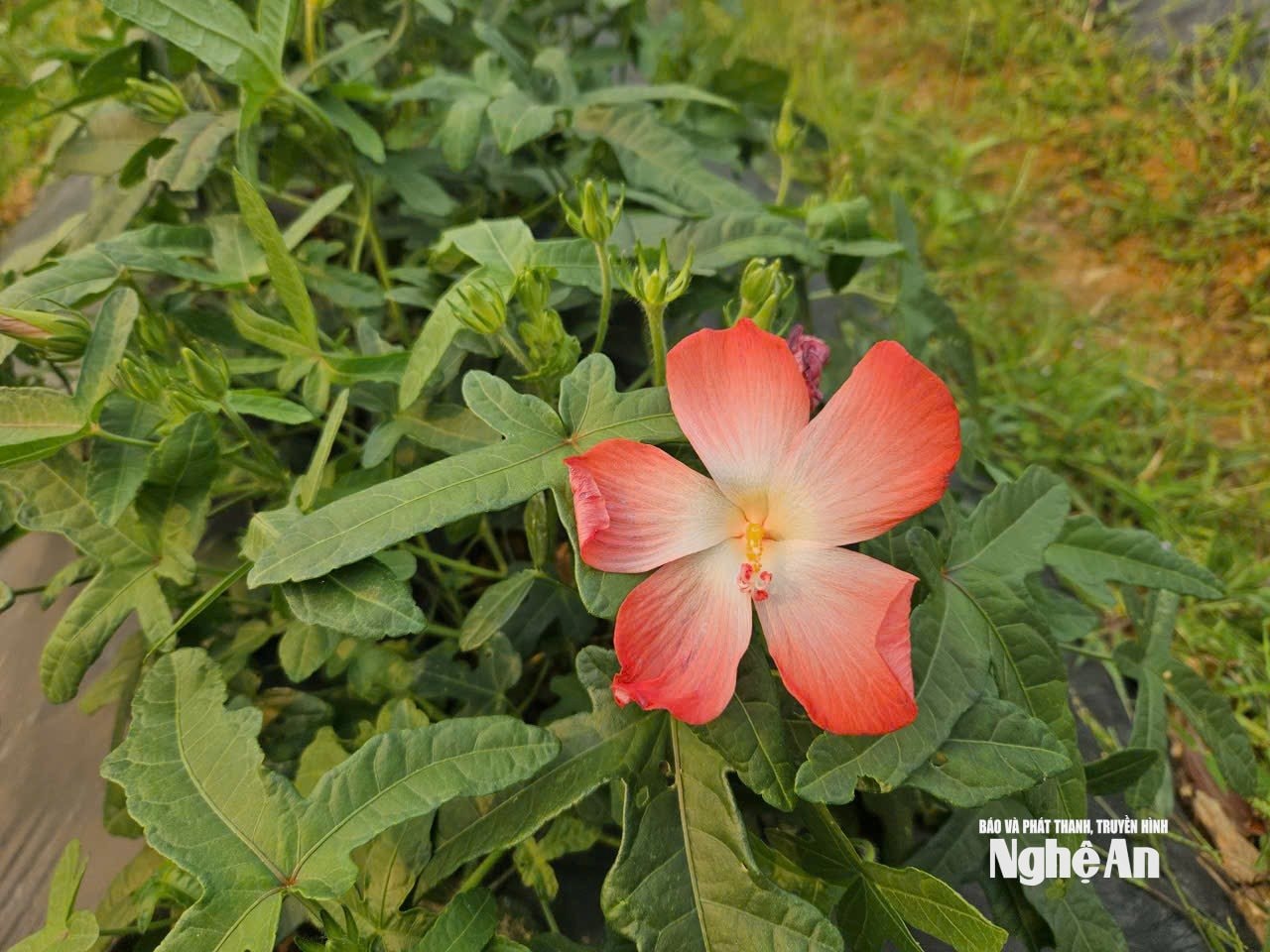
The ginseng fields in Bich Hao commune aren't as vibrant as many other crops, but during the flowering season, the pink hues of the ginseng become clearly visible on each row, spreading across the entire field. Plots that were once abandoned or poorly cultivated are now covered with thriving ginseng plants.
Few people know that behind those ginseng plants in full bloom lies a multi-year journey of restoration, bringing this plant, once closely associated with this land, back into production.
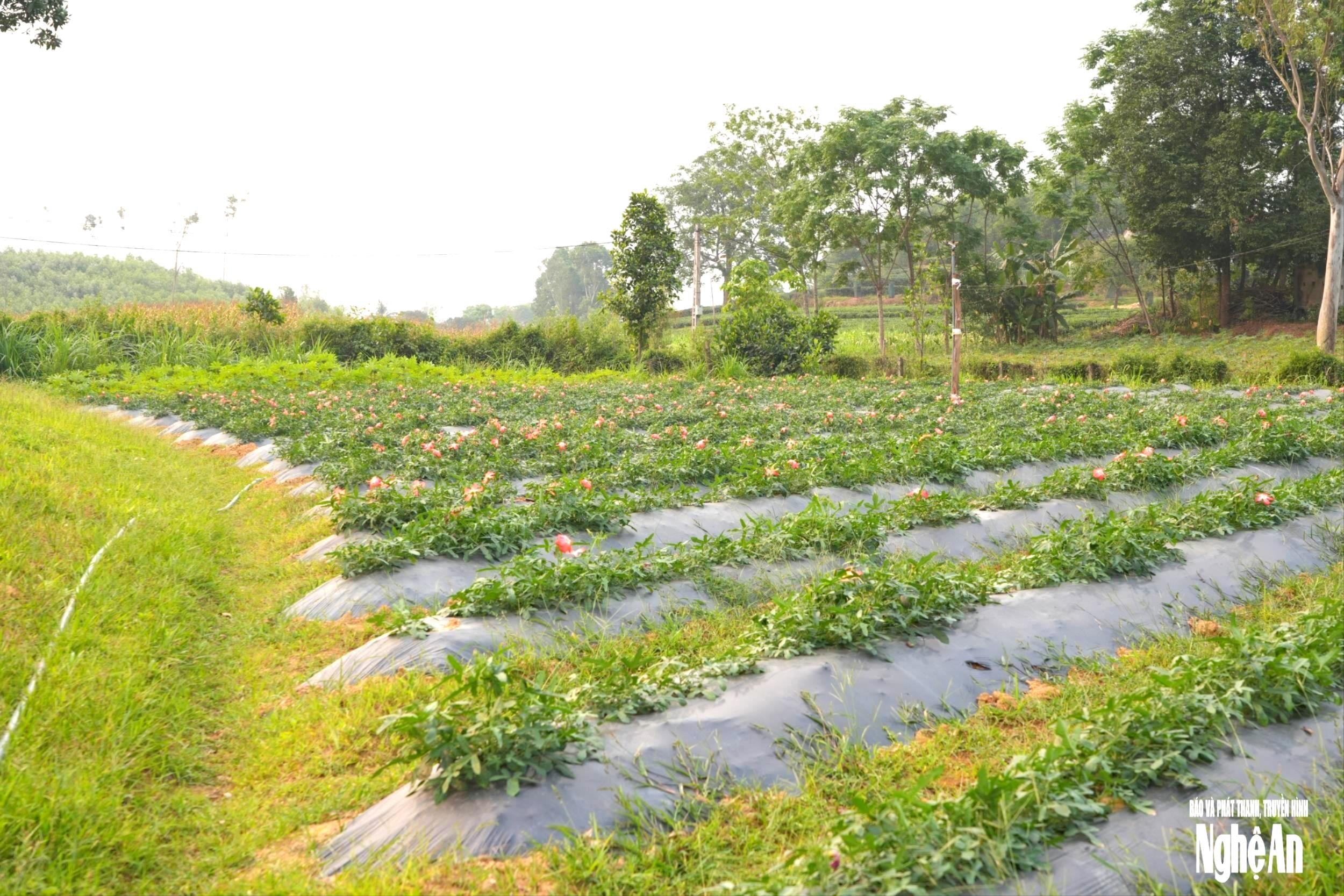
More than fifteen years ago, while reviewing documents to compile local history, Hoang Van Kiem, a native of Bich Hao, came across records about Tho Hao ginseng - a type of "southern ginseng" that was once used as a tribute to the emperor.
These records are brief, but enough to raise a big question: Why did a product once renowned disappear from life? That question doesn't remain on the page.
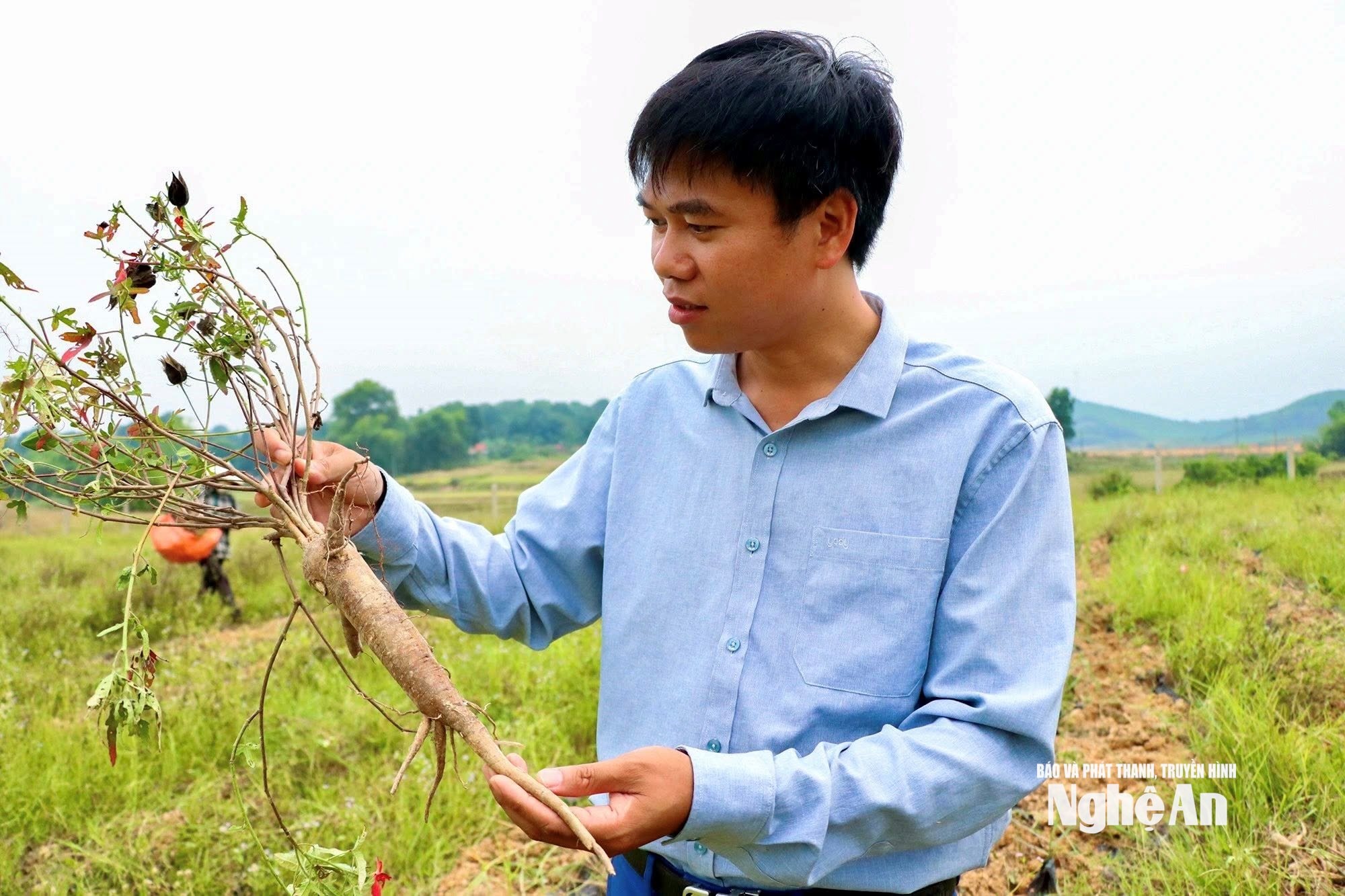
It drew him along, from dry records to inquiries among the people, from bookish memories to human memories. It took almost two years for those fragmented pieces to lead him to a concrete clue: a few ginseng plants remaining in the grounds of the Pham family's ancestral church, a place associated with Dr. Pham Kinh Vy – who is believed to have brought this ginseng variety to cultivate in Tho Hao more than three centuries ago.
Two ginseng pods and 27 seeds – that's all that remained of a product once offered to the emperor. He brought the seeds home and planted them, without any formula or instructions. All he had was the patience of a historian, accustomed to tracing small clues to piece together a larger picture. Of the 27 seeds, only 3 plants survived. That number was enough to discourage him, but also enough to nurture a faint glimmer of hope. He kept those 3 ginseng plants as if they were his last "lifeline," and then began a longer journey, learning about it from its biological characteristics, cultivation process, and harvesting methods...
.jpg)
For the next three years, Kiem's garden resembled a small laboratory. Plants were uprooted, their roots examined, and then replanted. Planting distances were varied, soil conditions adjusted, and care methods tested repeatedly. Gradually, the rules of ginseng cultivation emerged: a 40cm spacing, loose soil, a period of vigorous growth followed by dormancy…
But for a plant variety to "revive," understanding it isn't enough; it must be propagated on a large scale, put into production, and become a crop to develop the economy and create livelihoods for the people.
He decided to borrow nearly 1 billion VND to cultivate ginseng on a large scale, a decision he later called "risky." Because in reality, it wasn't easy at all. The first few harvests hadn't even yielded fruit when natural disasters struck. The flood at the end of 2022, just two days before harvest, submerged the entire ginseng crop. Years of hard work were instantly wiped out.
People often talk about perseverance, but only when faced with such a concrete loss can one truly understand how heavy it is. Mr. Kiem didn't elaborate on that time, only briefly stating: "I started again." And this time, the ginseng did not let him down. 1.8 hectares yielded 4 tons of tubers, bringing in a considerable income and creating a livelihood for the people of Bich Hao area.
To allow the ginseng to "take root in the soil"
Bich Hao, a land once ruled by local gentry, has long been accustomed to an unstable farming system. Fields planted with corn, peanuts, pumpkins, and other crops have been abandoned after many seasons of low yields. It's not that the land is barren and unsuitable for cultivation, but rather that the people no longer place much hope in these traditional crops.
It was in that gap that ginseng emerged, initially as an experiment, and then gradually becoming a well-founded direction with the support of organizations and relevant authorities.
.jpg)
Mr. Lam Van Hanh is one of the early participants, having been encouraged and supported by the Farmers' Association at all levels to access the model. Starting with a few plots of land for trial planting, he realized that ginseng thrived in the soil and grew steadily, but the farming methods had to change. "It couldn't be done like growing corn or peanuts before," he said.
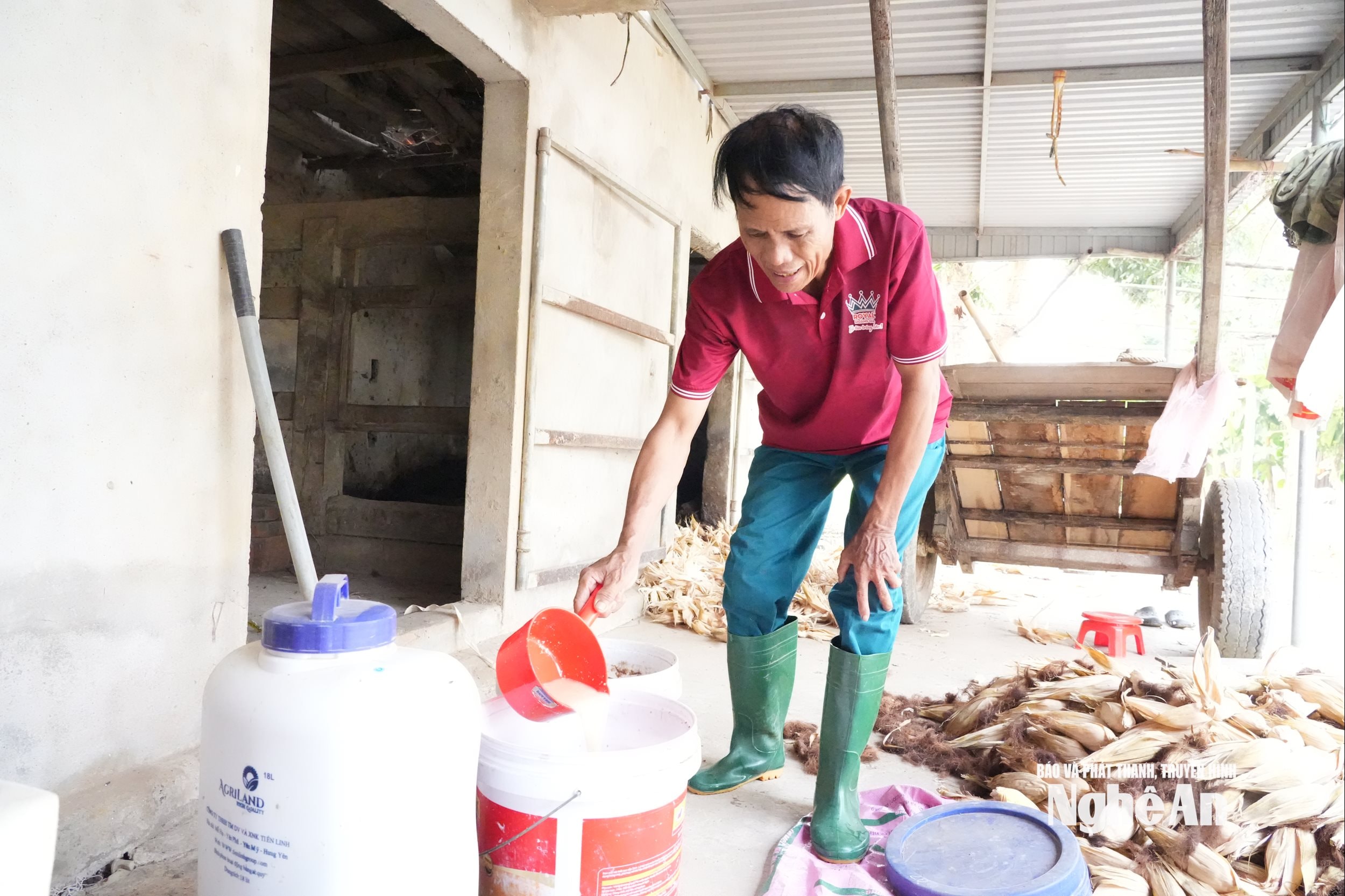
Fertilizers have been switched to organic, composted from ripe bananas and fish protein; pest and disease control is done using biological preparations; and the irrigation system has been systematically invested in. Therefore, growing ginseng is not just about replacing a crop, but about changing the entire farming mindset.
This change did not happen in isolation. From the beginning, the Farmers' Association of Thanh Chuong district (formerly) got involved, from disseminating information and mobilizing members to coordinating training, transferring technology, and forming production cooperatives. In particular, since 2021, the Nghe An Department of Science and Technology has implemented a project on applying science and technology in the restoration and development of Tho Hao ginseng. From propagation, planting, care, harvesting, and processing, the process has been standardized step by step, creating a foundation for the ginseng plant not only to survive but also to develop into a commercial crop.
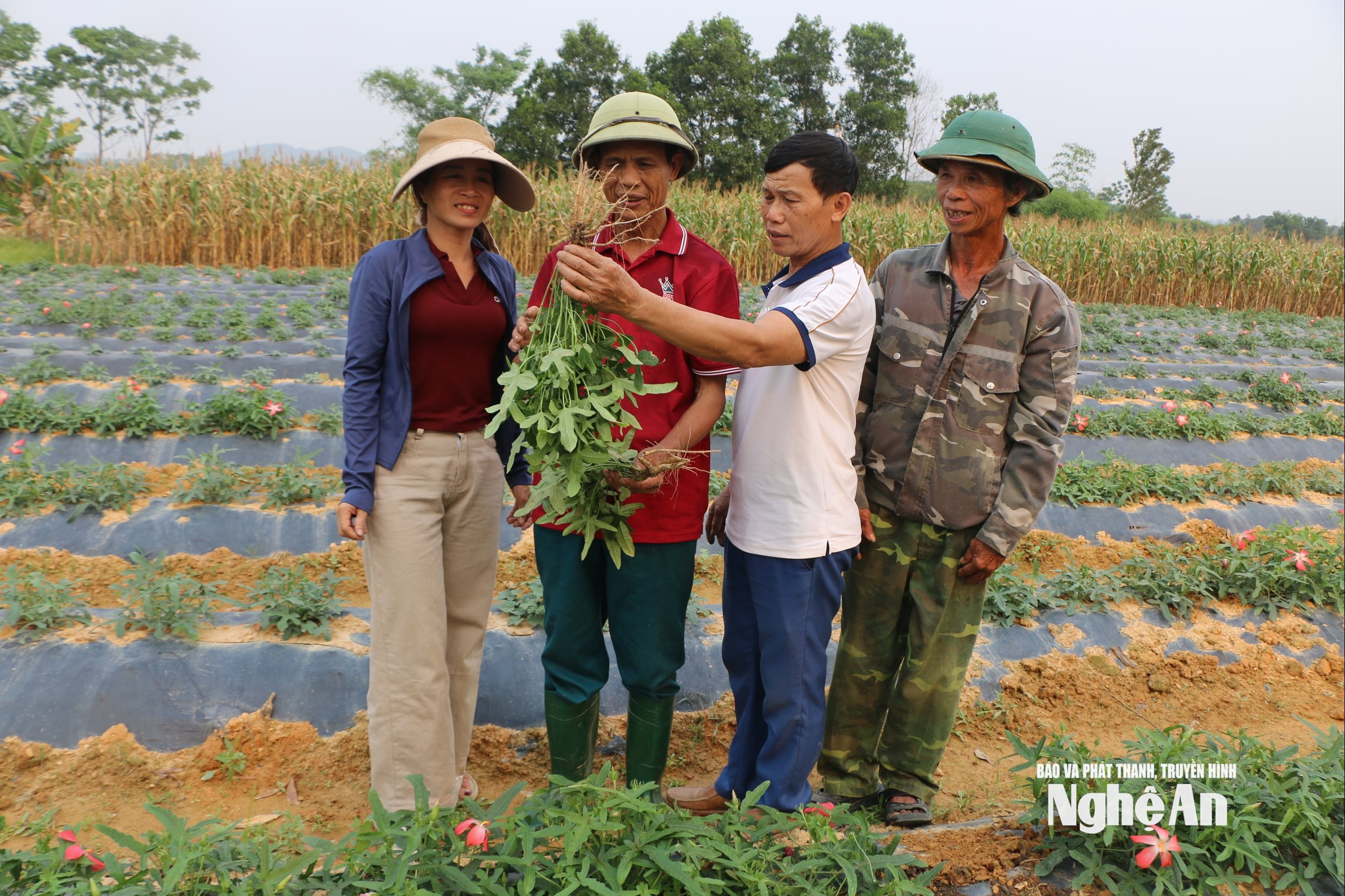
Based on that foundation, the collaborative model began to take shape. In the 2026 crop year, Mr. Nguyen Van Phuong and many households in Xuan Hien hamlet collaborated with the Tho Hao Ginseng Cooperative to cultivate ginseng on previously unproductive fields. From a situation where everyone worked independently, the people entered an organized production chain: they received seeds, technical guidance, and guaranteed product sales. The roots, leaves, flowers, and seeds all had a market outlet.
.jpg)
“Previously, growing corn and peanuts provided unstable income. Now, with the Tho Hao Ginseng Cooperative acting as a link and guaranteeing the purchase of the produce, the farmers feel more secure. The ginseng plants are developing well, have flowered and borne fruit, and the prospects are clearly visible,” Mr. Phuong shared.
Hiệu quả bước đầu được lượng hóa khá rõ. Ông Nguyễn Đình Lý - Chủ tịch Hội đồng quản trị Hợp tác xã sâm Thổ Hào cho biết: Hiện hợp tác xã liên kết với 10 hộ dân, tổng diện tích khoảng 3ha.
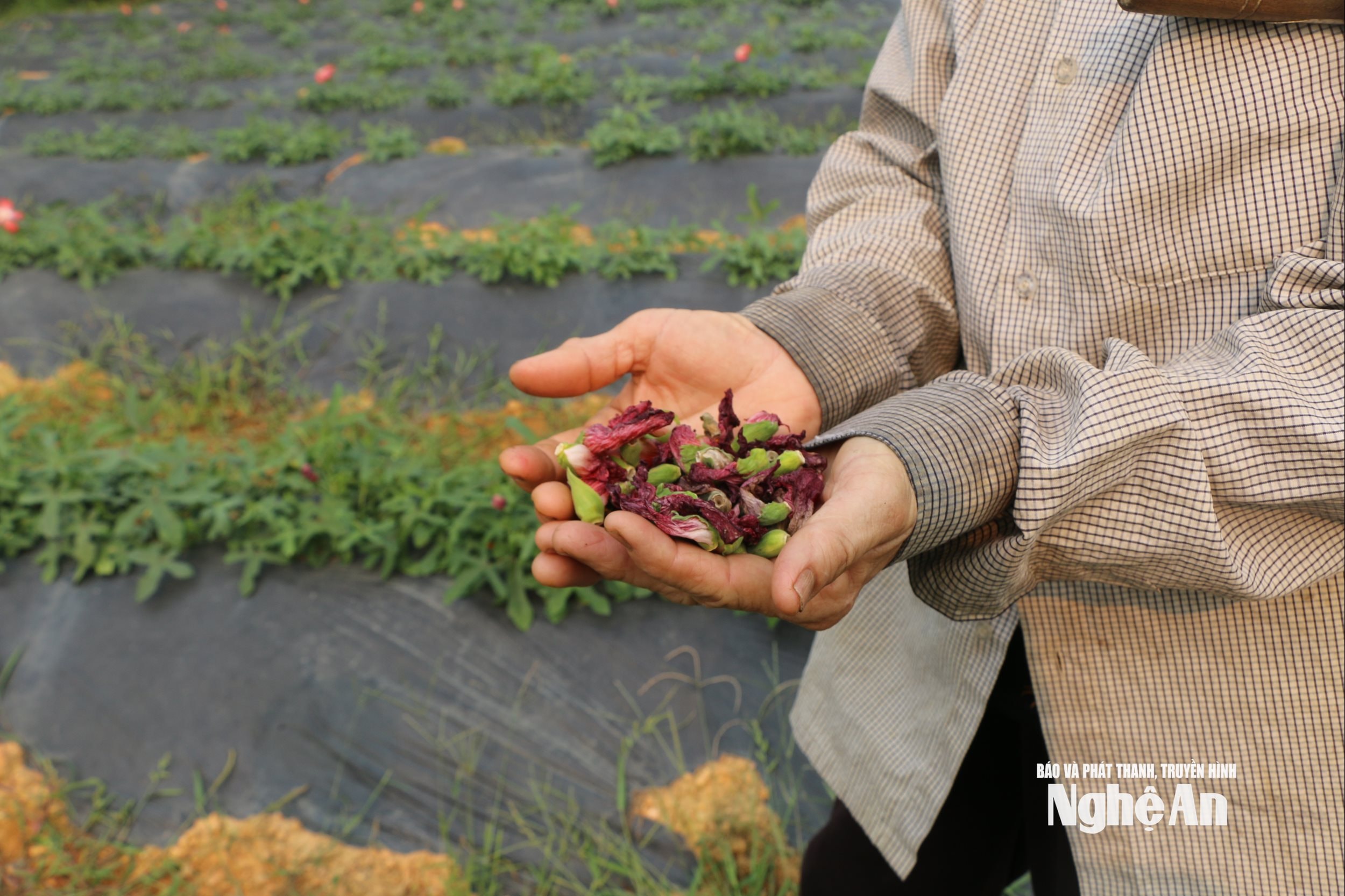
Toàn bộ sản phẩm được thu mua, từ củ, hoa, lá đến hạt. Bình quân mỗi sào cho khoảng 2 tạ củ; sau khi trừ chi phí, người trồng có thể lãi từ 20-25 triệu đồng trong vòng 8 tháng, mức thu nhập cao hơn đáng kể so với các cây trồng truyền thống trên cùng đơn vị diện tích. Khi đầu ra được đảm bảo, bài toán “được mùa, mất giá” phần nào được tháo gỡ, tạo thêm niềm tin để người dân gắn bó với cây sâm.
Ở góc độ địa phương, cây sâm không còn được nhìn như một mô hình thử nghiệm. Ông Nguyễn Xuân Khánh - Phó Bí thư Thường trực Đảng ủy xã Bích Hào cho biết: “Việc phục tráng sâm Thổ Hào bước đầu đã mang lại hiệu quả rõ rệt. Xã đang định hướng mở rộng diện tích, xây dựng vùng sản xuất tập trung, gắn với phát triển hợp tác xã và sản phẩm OCOP, từng bước hình thành chuỗi giá trị bền vững”.
Theo định hướng này, sâm Thổ Hào không chỉ là cây trồng cho thu nhập, mà còn là sản phẩm đặc trưng gắn với xây dựng thương hiệu địa phương.
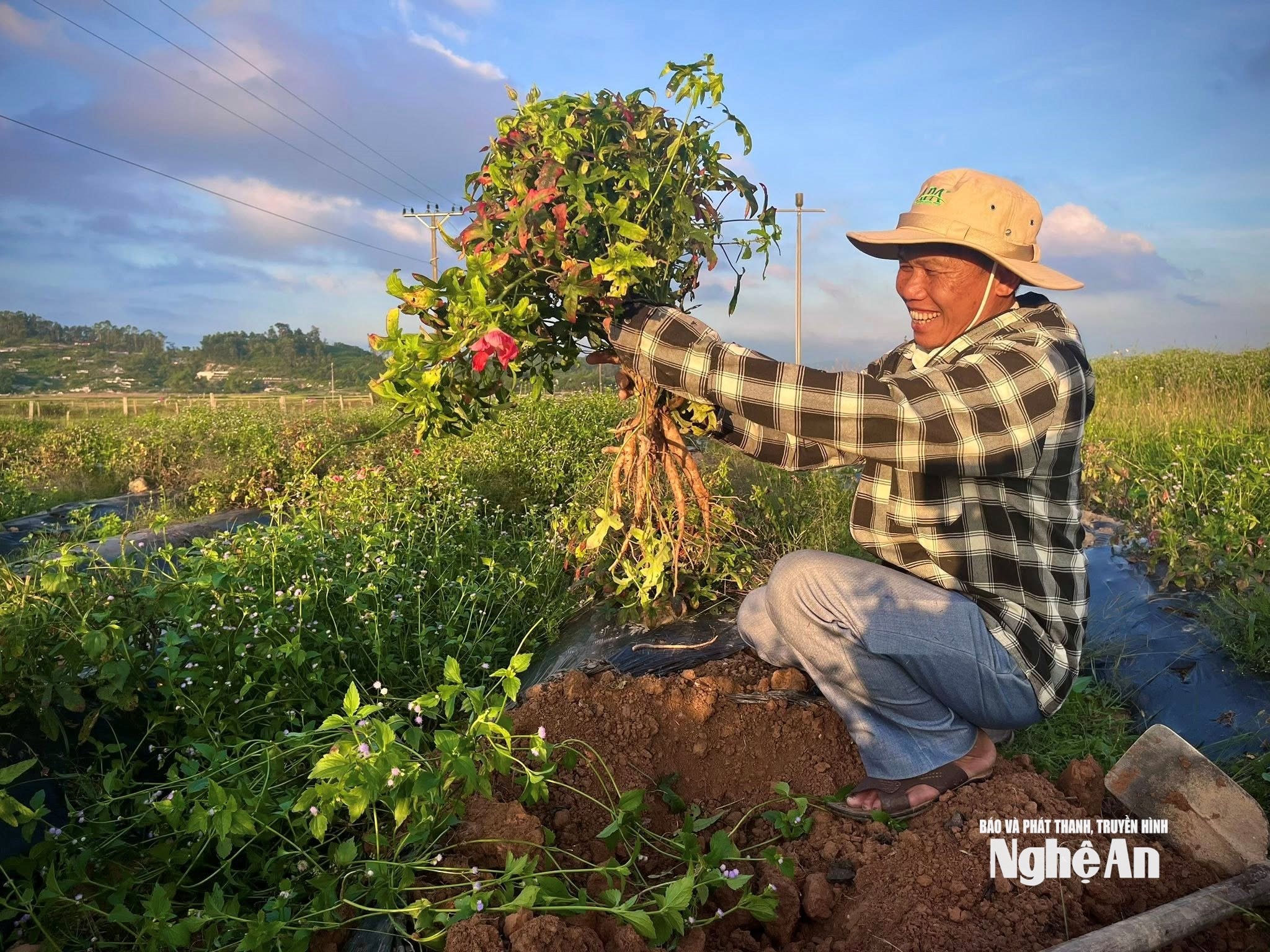
Hiện tại, 3ha với 10 hộ liên kết vẫn là con số khiêm tốn. Nhưng nhìn theo chiều vận động, đó là một khởi đầu có ý nghĩa. Từ những thửa ruộng từng bị bỏ quên, cây sâm đang dần bén rễ trở lại, không chỉ theo nghĩa sinh học, mà còn trong đời sống kinh tế của người dân. Và khi đã “bám đất” được, câu chuyện của sâm Thổ Hào ở Bích Hào không dừng ở một mùa vụ, mà đang mở ra một hướng sinh kế bền vững hơn cho vùng đất này.
Nâng tầm bằng công nghệ và chế biến
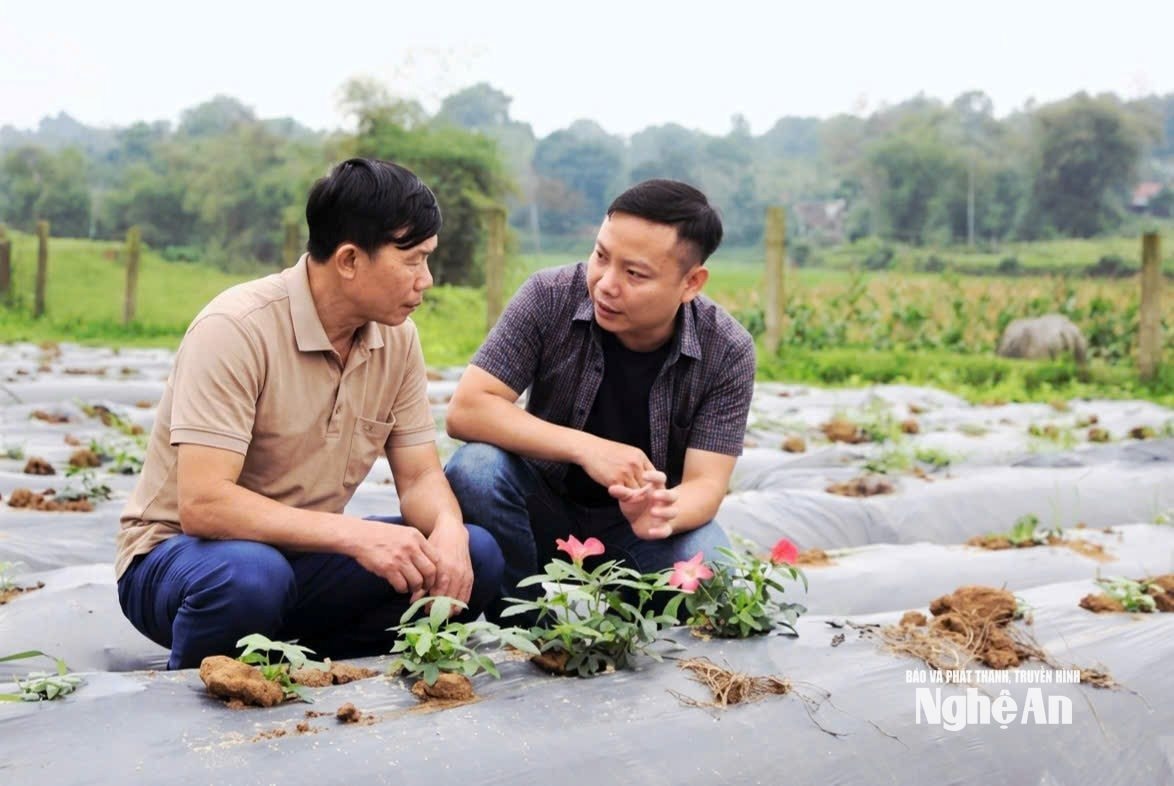
As the Thổ Hào ginseng plant gradually takes root, the story moves beyond raw material production to a new stage: enhancing its value. From fresh ginseng roots, a product ecosystem is emerging, expanding market reach and extending the value chain for this medicinal herb that was once a tribute to the emperor.
Dr. Nguyen Hai Minh, Director of the Tho Hao Ginseng Research and Development Center, is one of the pioneers in researching and developing ginseng-based products. From the initial raw materials, many products have been processed, such as ginseng tea, ginseng extract, ginseng soaked in honey, ginseng powder, etc., gradually approaching the market in a diversified manner and increasing added value.
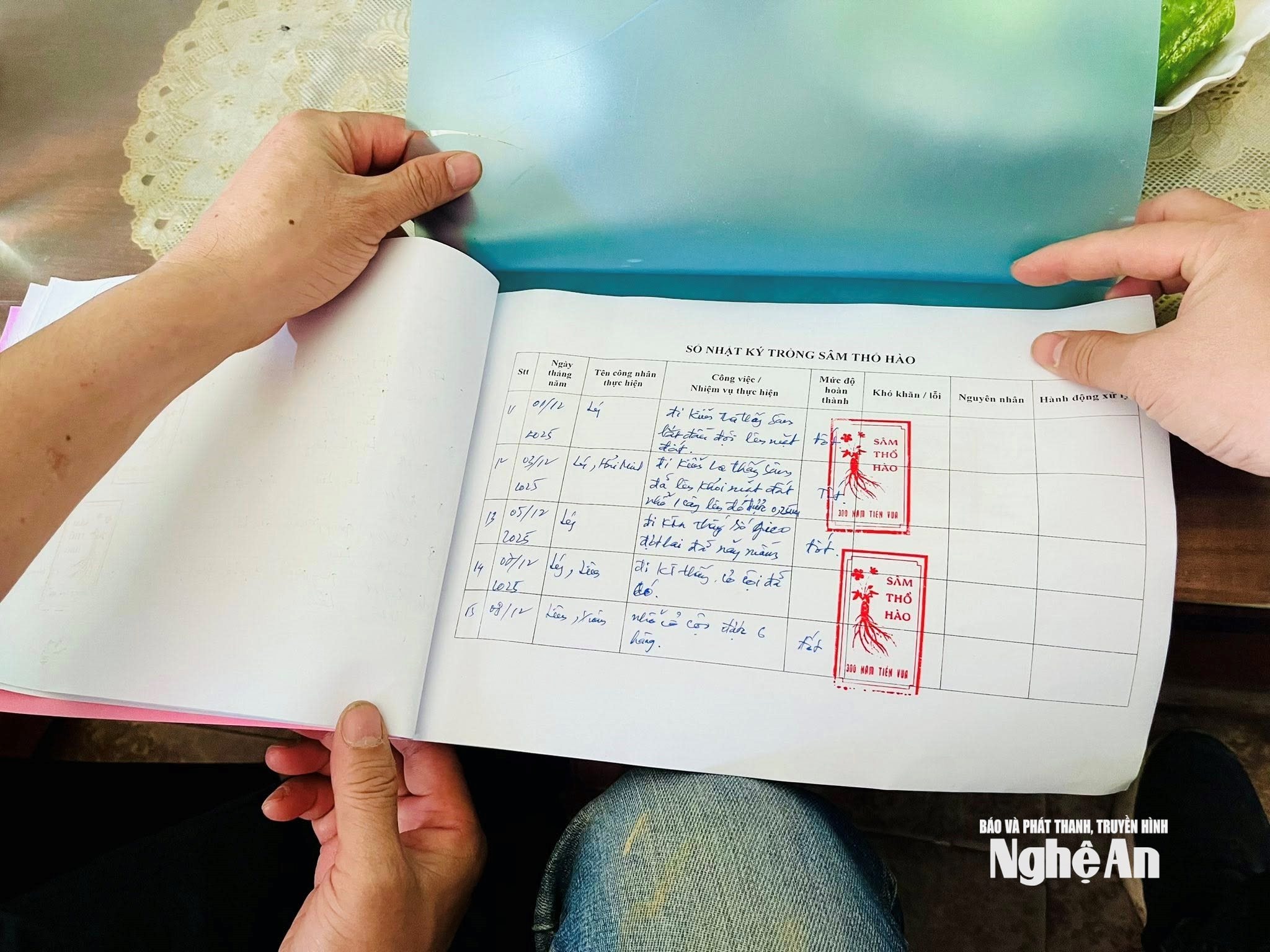
Mr. Minh stated that the company is developing its products based on a "three-legged stool" model: drawing on traditional Nghe An medical knowledge, combined with modern scientific research and the application of technology, including artificial intelligence (AI).
"We use historical and cultural data as a foundation, apply technology from production to testing, and incorporate AI to optimize processes and product development. The goal is to create herbal products with unique characteristics that are competitive in the market," Mr. Minh shared.
At the production level, Tho Hao Ginseng Cooperative is also gradually improving its product lines. In addition to fresh ginseng, the cooperative has developed ginseng wine, dried sliced ginseng, and some other processed products, while also building a dossier to participate in the OCOP program.
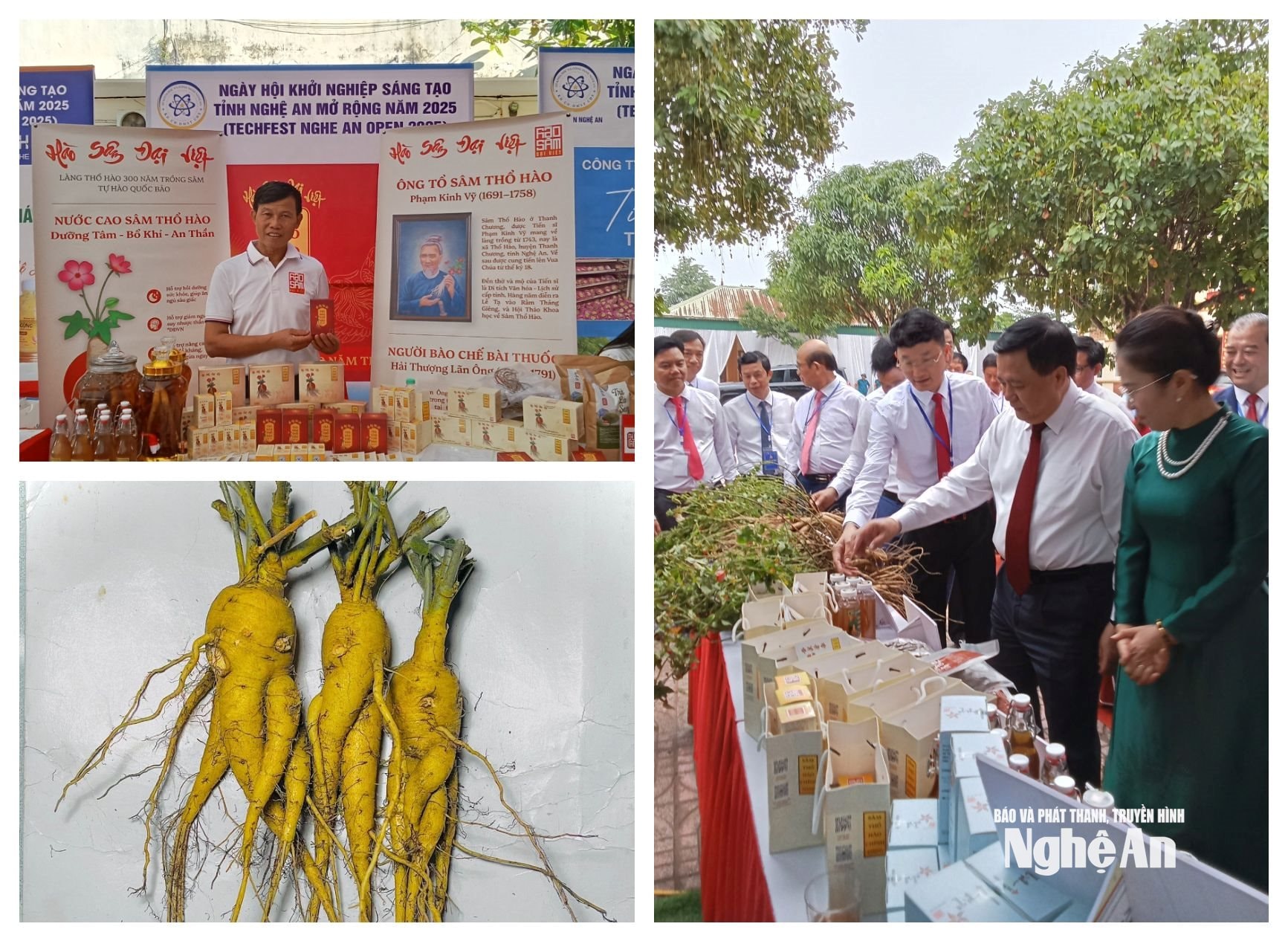
Standardizing products and adhering to quality standards not only enhances commercial value but also builds consumer trust.
Simultaneously, those involved in ginseng production, from farmers to businesses, are gradually establishing their own "rules of conduct" for their product.
The "Tho Hao Ginseng Standard" was formed with three core values: "Trust" with customers, "Filial piety" towards ancestors who left behind this precious variety, and "Loyalty" to the homeland. This is not only a commitment to quality, but also a way to position the product within the depth of its cultural heritage.
From a once-forgotten plant, Thổ Hào ginseng is now being approached in a more systematic way: with established raw material areas, production linkages, processing facilities, and a gradual brand building. When traditional values are placed within a new development structure where science, technology, and the market all participate, Thổ Hào ginseng is no longer confined to its past as a "royal tribute," but is gradually finding its place in contemporary economic life.
Thổ Hào ginseng is a valuable medicinal herb, a herbaceous plant 0.3-1m tall, with alternate leaves and long petioles, pink or reddish-brown flowers, and thick, tuberous roots..
In traditional medicine, the root of the Thổ Hào ginseng plant is considered cooling and beneficial for nourishing the body, combating weakness, relieving stress, and promoting sleep. It can be used as food, processed into functional foods such as ginseng capsules and powder for beauty purposes, and as a medicinal ingredient in remedies for insomnia, lung tonics, and yin-nourishing herbs. Additionally, the stem, flowers, and leaves can be dried and used to make tea.
.jpg)


