
This morning (July 14th), the Nghe An Provincial People's Council held a question-and-answer session.
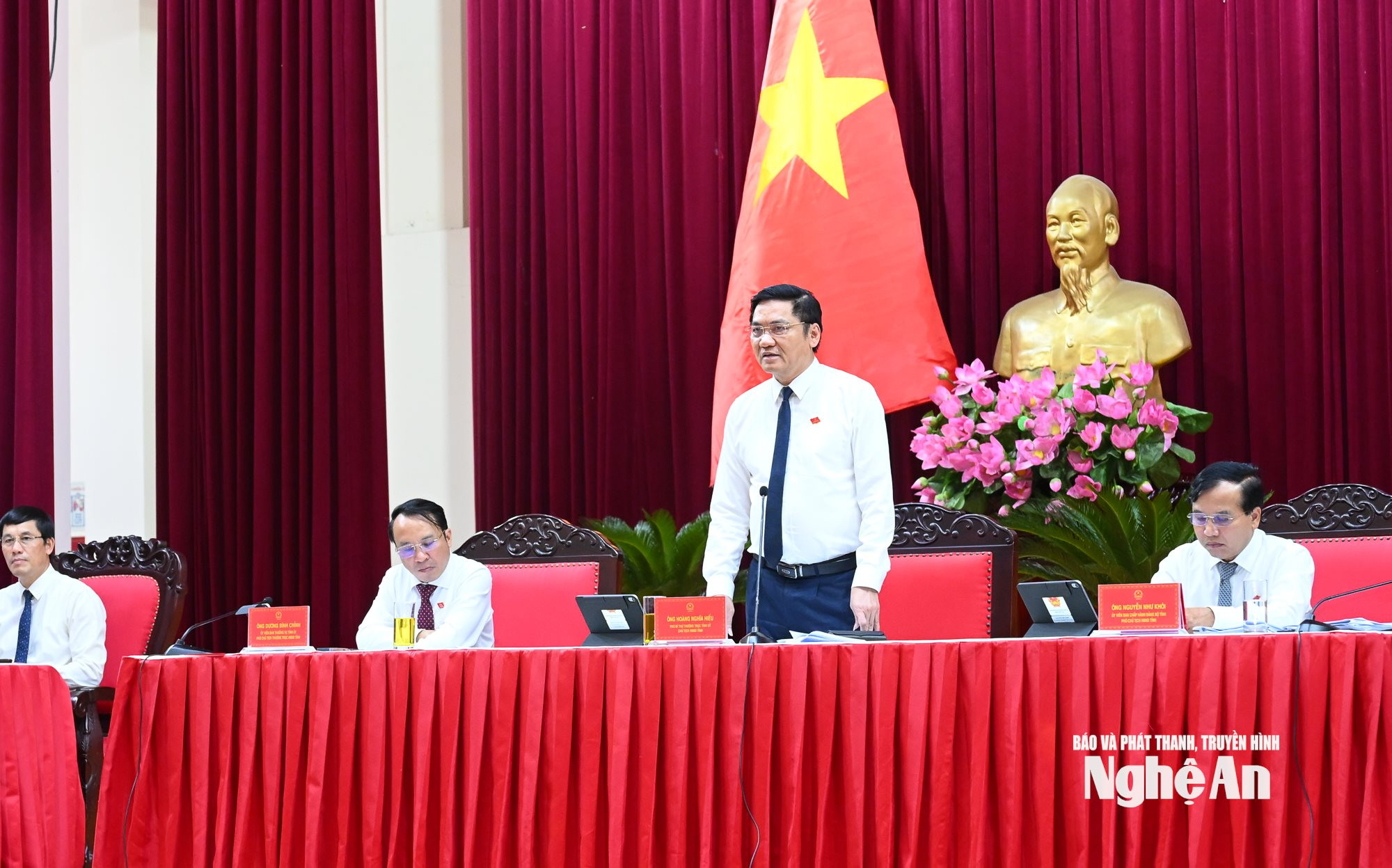
On the morning of July 14th, the 4th session of the Nghe An Provincial People's Council, 19th term, 2026-2031, continued its program with a question-and-answer session on two issues related to land and mineral resource management and general planning at the commune level.
Comrades Hoang Nghia Hieu - Standing Deputy Secretary of the Provincial Party Committee, Chairman of the Provincial People's Council; Duong Dinh Chinh - Member of the Standing Committee of the Provincial Party Committee, Standing Vice Chairman of the Provincial People's Council; and Nguyen Nhu Khoi - Member of the Provincial Party Committee, Vice Chairman of the Provincial People's Council presided over the question and answer session.
.jpg)
The Provincial People's Council will question two people on the following topics:
Content 1: State management of land, especially the issuance of land use right certificates, and state management of mineral resources: Current situation, causes, and solutions for the future. The person answering the questions is the Director of the Department of Agriculture and Environment; leaders of the Provincial People's Committee and relevant departments, agencies, and localities will participate in answering the questions.
Content 2: The work of preparing, appraising, and approving general construction plans for communes and wards in the province: Current situation, causes, and solutions for the future. The person answering the questions is the Director of the Department of Construction; leaders of the Provincial People's Committee and relevant departments, agencies, and localities will participate in answering the questions.
Following the effective date of the 2024 Land Law, the province promptly issued relevant legal documents within its jurisdiction and implemented a comprehensive approach to dissemination, training, and guidance on its implementation.
Land use planning and management are carried out in accordance with regulations, creating a basis for land allocation, land leasing, land use conversion, and the implementation of socio-economic development projects.
The province is accelerating land surveying, cadastral record keeping, land database construction, and digital transformation in the land sector. To date, more than 1.16 million land parcels have been synchronized into the database, of which approximately 49% meet the criteria of "accurate - complete - clean - active" data.
The rate of initial land certificate issuance reached approximately 97% for organizations; about 95% for residential land, 91.1% for agricultural land, and about 86% for forestry land owned by households and individuals. The process of renewing land certificates also achieved high results, with a resolution rate of over 96% for organizations and nearly 94% for households and individuals.
In the field of state management of mineral resources, the province has implemented the Law on Geology and Minerals in a comprehensive manner, perfected mineral resource planning, and strengthened the auctioning of mining rights and the granting of mineral resource operating licenses.
By May 2026, the province had approved 117 areas for auctioning mineral exploitation rights, successfully auctioning 93 areas; and issued 83 exploration licenses and 93 mining licenses. Inspection and monitoring activities were strengthened, and many violating organizations were dealt with, contributing to improved efficiency in mineral resource management.
However, land management still has some limitations. The cadastral record system and land database are not yet complete and synchronized; updating and adjusting land changes in some localities is still slow.
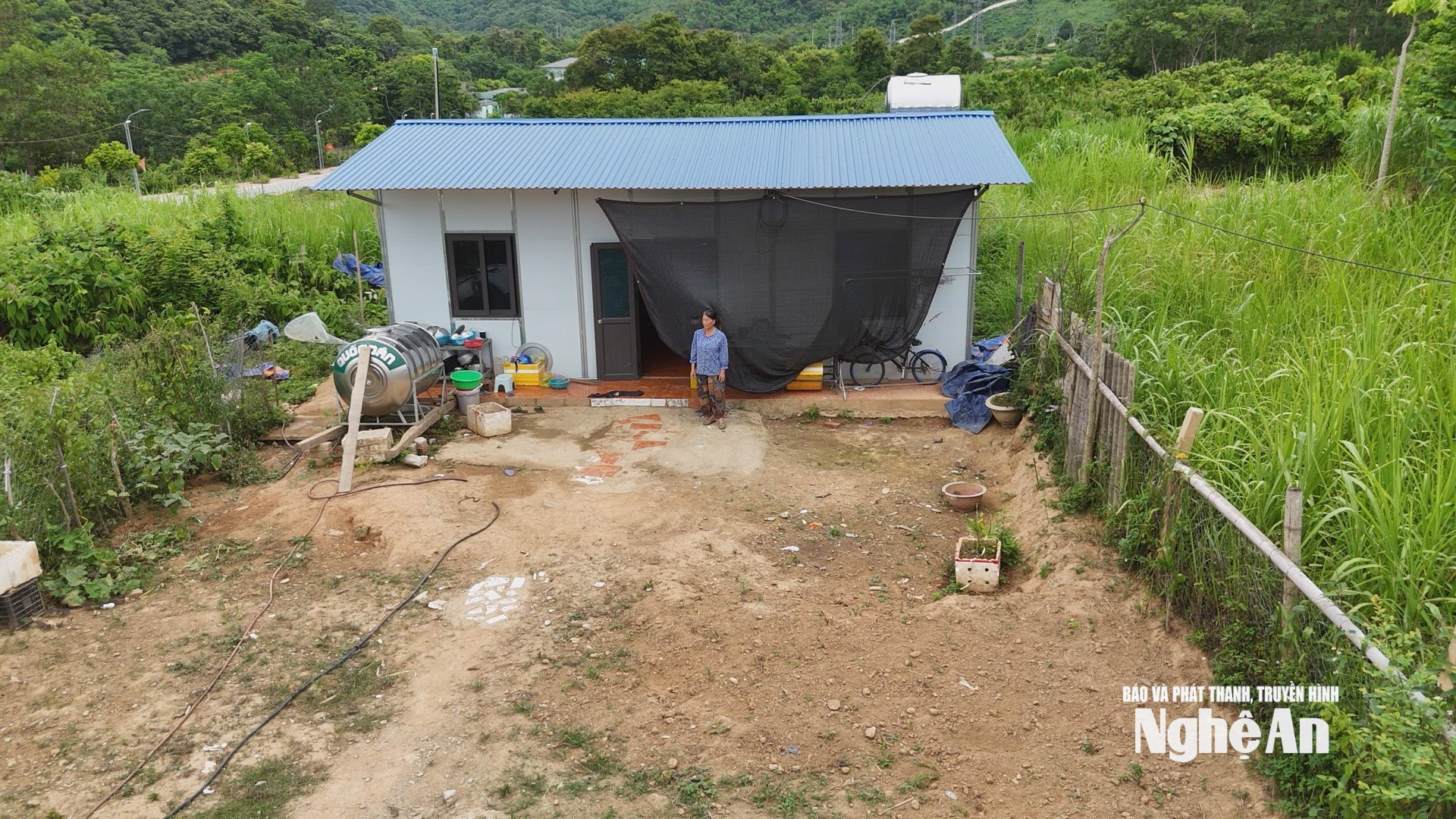
Land management at the local level is not always strict in some areas, with continued instances of land encroachment, misuse of land, and violations of land laws. Compensation, support, resettlement, and land clearance for some projects are still slow; some projects have been allocated land but have not yet put it into use or are not using it according to schedule.
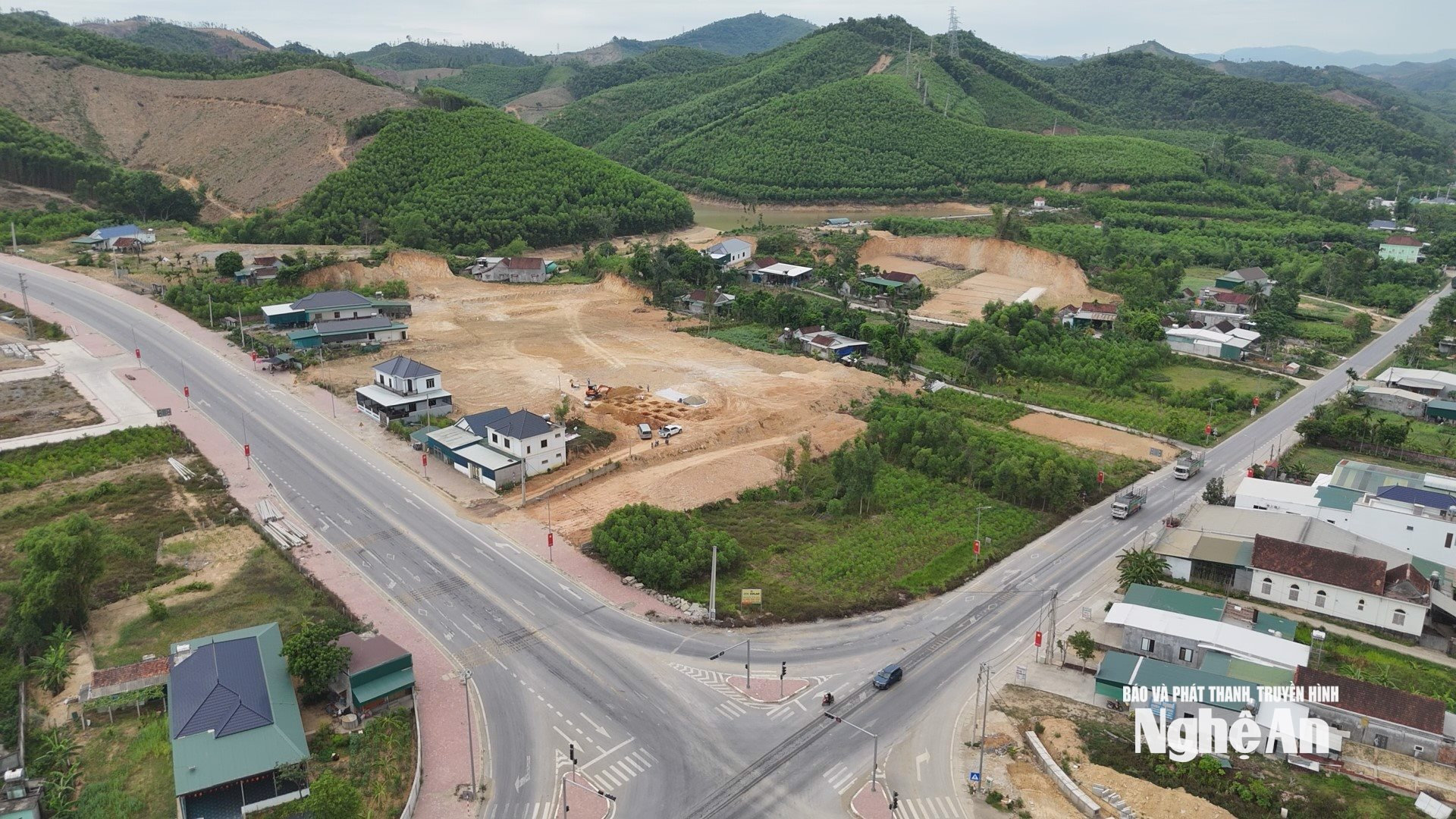
The entire province still has approximately 35,633 outstanding cases that have not been issued land certificates, mainly involving cases of land use without documentation, land allocated illegally, or violations of land laws. Processing these applications in some localities remains lengthy, with delays occurring and numerous complaints and denunciations arising.
Illegal mining activities still occur in some areas; control over the origin and quantity of minerals is not yet truly strict, posing a potential risk of budget revenue losses. Some businesses still violate regulations in the exploitation, processing, and consumption of minerals. The supply of construction materials at certain times does not meet the needs of key projects in the province.
The process of preparing, appraising, and approving general construction plans for communes and wards in Nghe An province has been carried out in the context of the implementation of a two-tiered local government system and the Law on Urban and Rural Planning of 2024 coming into effect, creating many changes in the legal basis, implementation organization, and decentralization of authority.
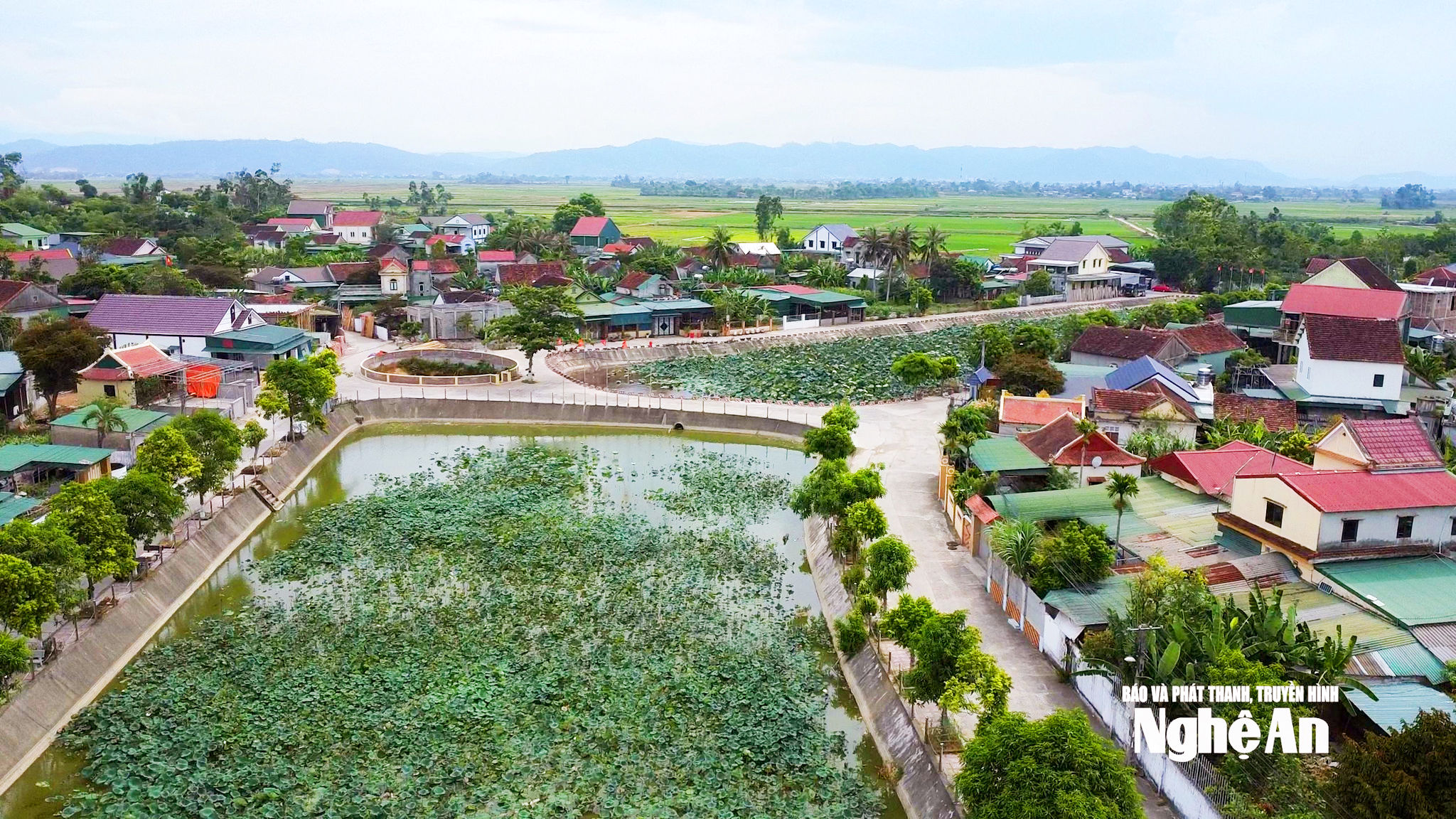
Prior to the administrative reorganization, the province had 412 commune-level administrative units, of which all 362 communes had completed the approval of their general rural development plans. Together with the urban planning systems of the districts, this created a foundation for managing spatial development and implementing socio-economic development investment projects.
After transitioning to a two-tiered local government system, the province developed a plan to create 108 new general planning projects for communes (excluding 11 communes within the scope of the urban general planning), and simultaneously created 6 urban general planning projects and 13 zoning planning projects to ensure compliance with the provincial plan and development requirements in the new phase.
The Provincial People's Committee has issued numerous directives and instructions for implementation, while the Department of Construction has proactively advised on perfecting the mechanism, issuing regulations on procedures, decentralization of authority, professional guidance, and regularly inspecting and monitoring the progress of implementation in localities.
As of June 25, 2026, the work of preparing, appraising, and approving the general planning of communes has achieved initial results, but progress is still uneven among localities. Of the 44 communes that must complete the process in the third quarter of 2026, only 2 communes (Quynh Phu and Quynh Thang) have had their planning projects approved; 3 communes are undergoing project appraisal; 22 communes are organizing consultations; 13 communes are preparing to prepare their plans; and 4 communes have not yet had their planning tasks approved but have already selected consulting units.
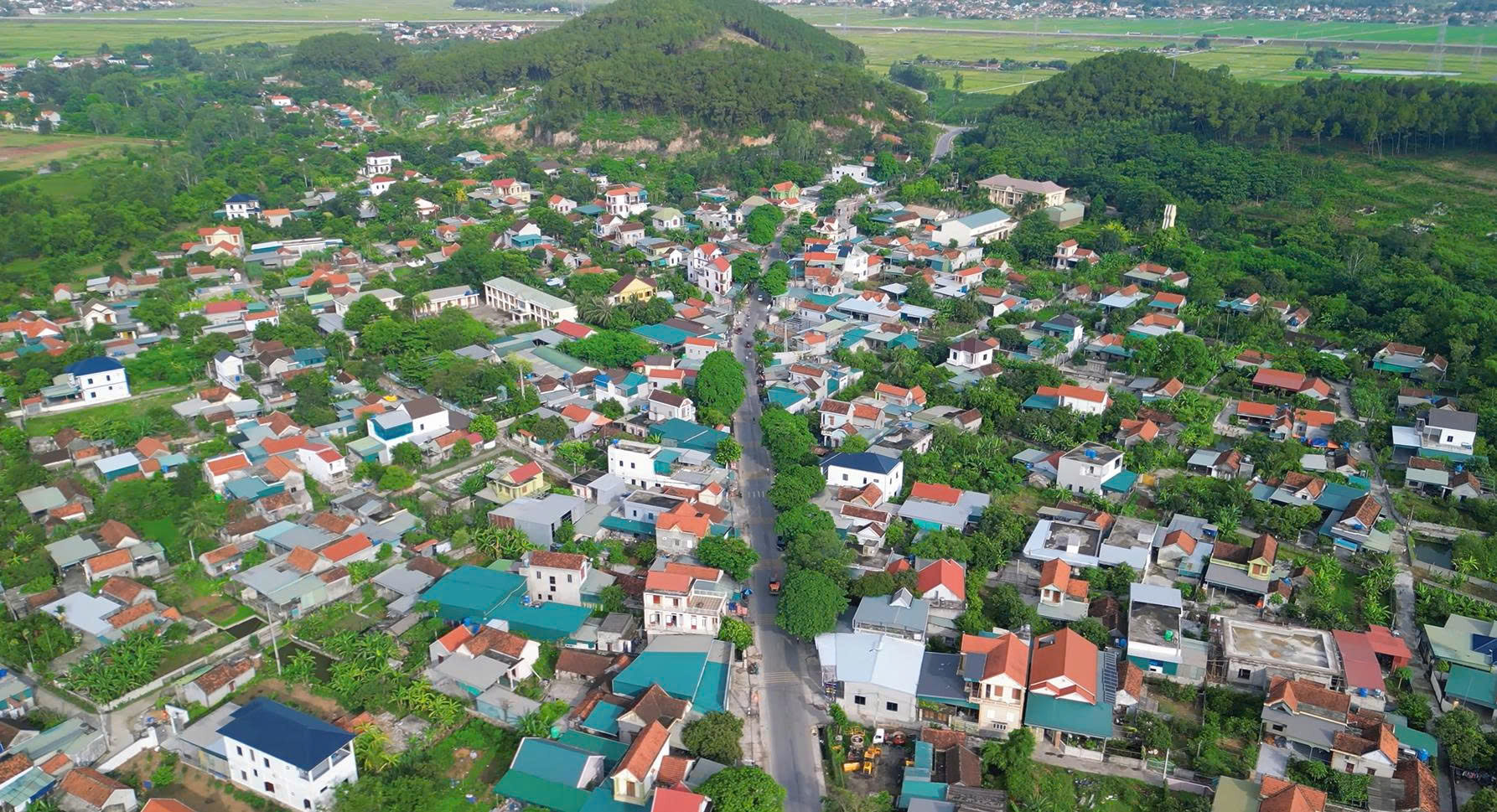
Of the 30 communes required to complete their plans by Q4 2026, 21 are currently seeking feedback on their plans, 4 are preparing for implementation, and 5 have not yet had their planning tasks approved. In the group of 34 communes required to complete their plans by Q1 2027, 8 are currently seeking feedback, 10 are preparing to develop their plans, and 16 are finalizing their planning tasks.
Despite the achievements, the process of planning, appraisal, and approval still faces many difficulties. The provincial plan is currently undergoing adjustments, so many development targets have not been specifically defined; guidance on planning within the two-tiered government model is still lacking. Many localities are confused in selecting consulting firms due to changing legal regulations.
Funding is limited; development orientation depends on specialized plans that have not been updated synchronously. At the same time, determining the administrative centers of merged communes is difficult due to a lack of consensus and complex topographical conditions. These factors significantly affect the progress and quality of the preparation, appraisal, and approval of general construction plans for communes and wards in the province.


