
Sapa: The new look of O Quy Ho tea hill and cherry blossom forest.
The O Quy Ho tea hill is being transformed into the Ecosapa ecological urban area with a plan to preserve 4.6 hectares of cherry blossom forest, promising to be a high-end resort destination in Sapa.
For many years, the O Quy Ho tea hill in Sapa has become a popular destination attracting thousands of tourists every cherry blossom season in December. Amidst the majestic mountains and forests of Northwest Vietnam, the pink blossoms blend with the green of the Oolong tea rows, creating a scene completely separate from the hustle and bustle of the city.

Cherry blossom forest revival plan
Starting in December 2025, the area is entering the construction phase of the O Quy Ho Tea Hill Eco-Urban Area (Ecosapa). To serve the project, the landscaping department is implementing technical measures to relocate the existing landscape trees. According to the plan, all cherry blossom trees and Oolong tea trees are being transplanted to nurseries under the guidance of agricultural experts for special care.
After the technical preparation phase is complete, these trees will be replanted according to the plan in a 4.6-hectare concentrated conservation area, along the streets and landscaped parks of the project. The goal of this relocation is to create an ecological space vibrant with flowers all year round, reviving the beauty of the O Quy Ho tea hills in a more sustainable way.
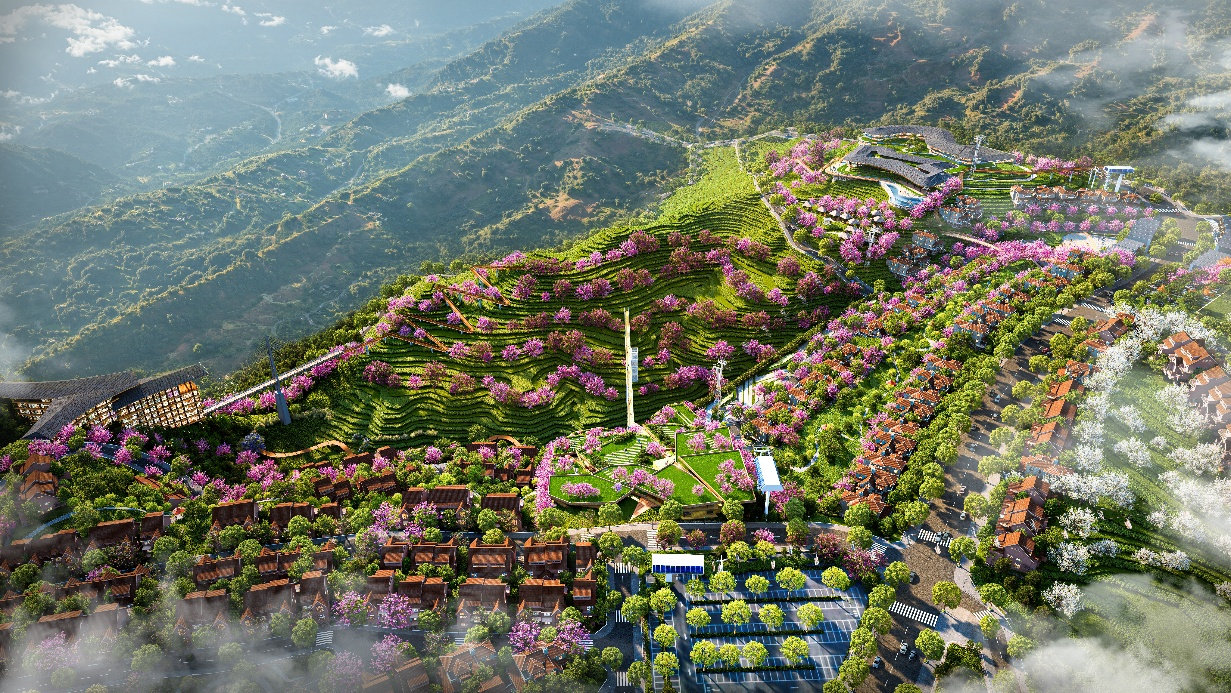
The philosophy of sustainable green architecture
Ecosapa is designed with a green architectural style, where people live in harmony with nature. Located next to the Hoang Lien Son mountain range, the project boasts a prime location near famous landmarks such as Fansipan peak, Muong Hoa valley, and O Quy Ho pass. The buildings here are designed with no repetition, arranged gently on the hillside at various altitudes, ensuring that each house has a view of the valley.
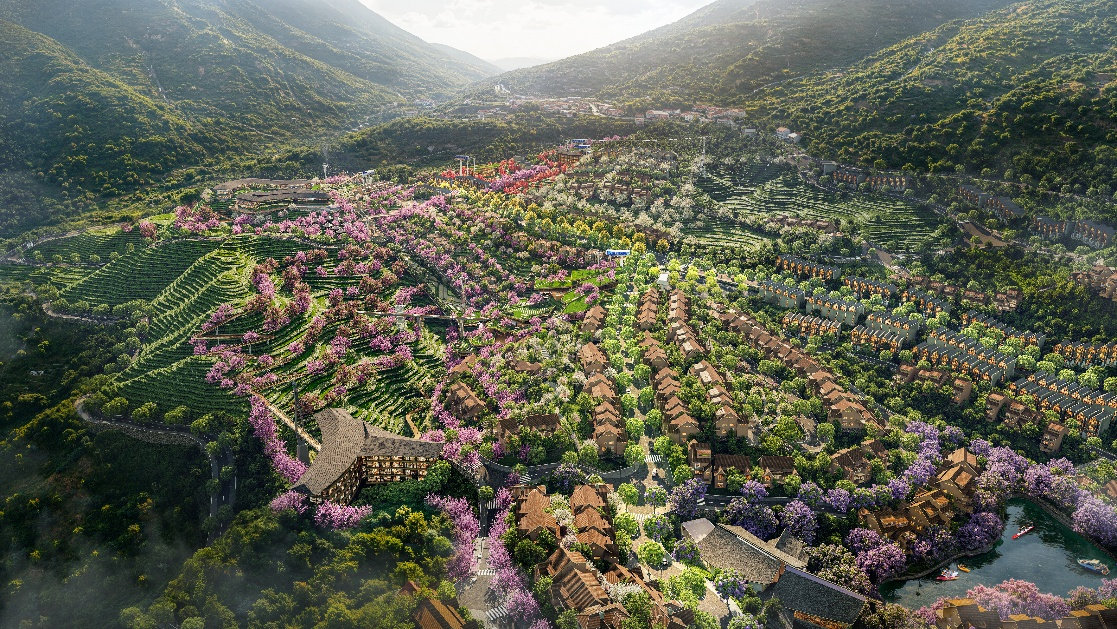
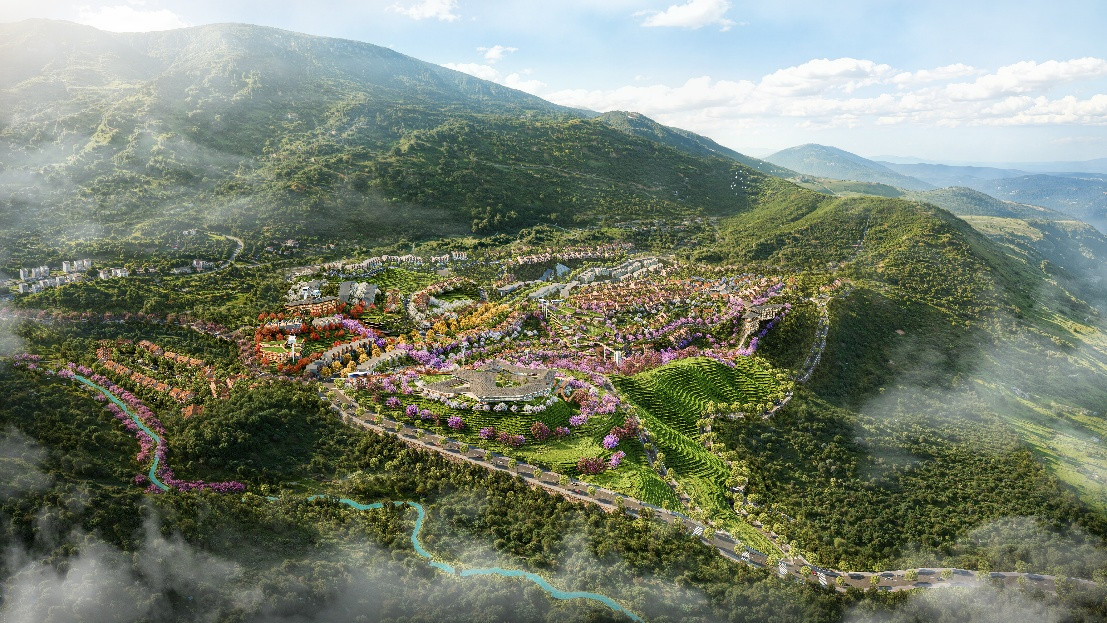
Experience world-class culture and service.
More than just an urban area, Ecosapa combines international-standard resort tourism services with the essence of local culture. The interior design of the resort spaces prioritizes traditional materials and patterns such as wooden furniture sets, brocade items, and embroidered paintings characteristic of the Northwest highlands.
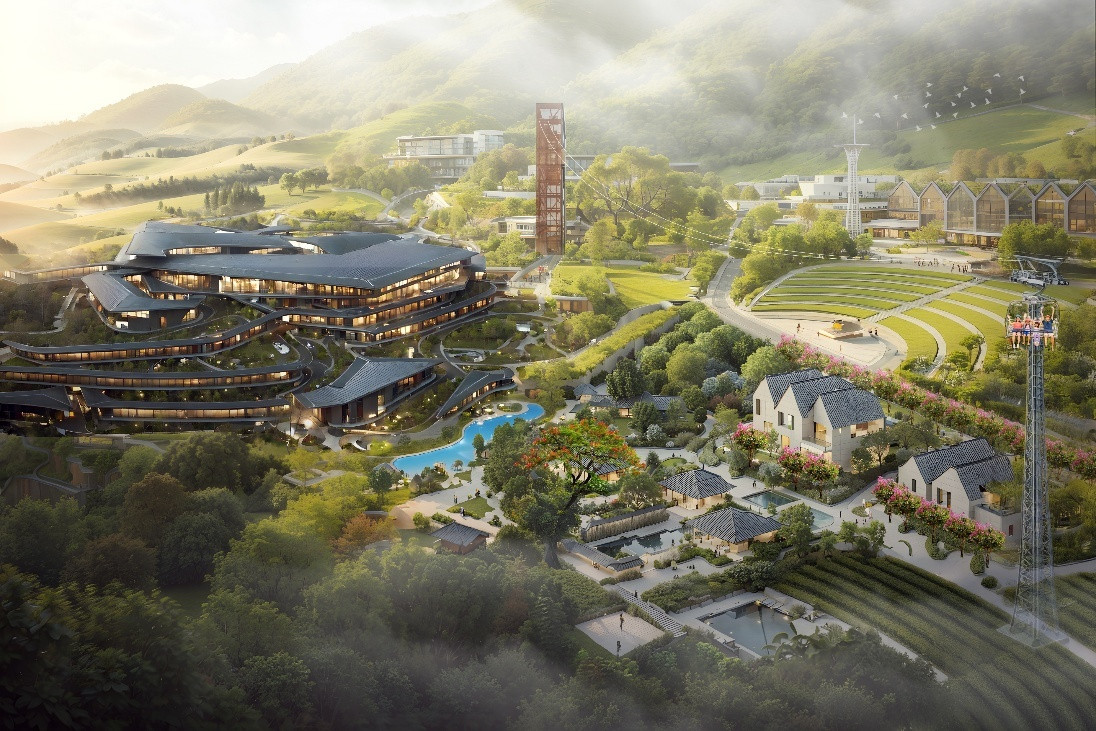
The project is expected to not only bring value in terms of recreation but also create job opportunities for local people, contributing to the preservation of the unique ecosystem of the Northwest region. When completed, it will be a destination for those seeking warmth, sophistication, and a journey connecting with the soul of Sapa.


